Opinion : Pourquoi l'amarrage pourrait changer la donne en matière de micromobilité dans les villes
May 14, 2021
min. de lecture


Les trottinettes électriques ont transformé la façon dont les navetteurs, les touristes et les habitants naviguent dans nos villes, en proposant un mode de transport amusant et sobre en carbone. Mais alors que la pandémie a entraîné une augmentation de l'achalandage parce que les scooters offrent un mode de transport socialement éloigné, le fait qu'ils soient autorisés n'a pas résolu les défis posés par leur déploiement. Trottoirs bondés, vandalisme, problèmes liés à la recharge, vous en avez déjà entendu parler...
Nous sommes heureux de partager des informations sur l'économie unitaire des opérations de partage de scooters et de vélos à quai avec l'aide de nos amis de NŒUD - entreprise innovante fournissant des stations d'accueil pour les services de scooters.
Les trottinettes électriques amarrées éliminent non seulement les obstacles que les trottinettes peuvent provoquer lorsqu'elles sont laissées sur les trottoirs, mais elles sont également beaucoup moins susceptibles d'être vandalisées. Un autre avantage des gares est que les opérateurs peuvent fournir des vidéos et d'autres conseils pour conseiller les utilisateurs sur la façon de rouler en toute sécurité et que des casques peuvent être mis à disposition dans les gares.
Mais qu'en est-il de l'économie des infrastructures d'amarrage ? Investir davantage au préalable pour réduire les dépenses opérationnelles ? Où peut-on situer le seuil de rentabilité ? Retrouvez nos numéros ci-dessous !
Économie flottante ou économie basée sur les quais
Les stations d'accueil réduisent les coûts d'exploitation — les scooters sont verrouillés et rechargés à la station — ce qui signifie qu'il n'est pas nécessaire d'engager du personnel pour récupérer les scooters tous les soirs afin d'échanger les batteries. La répartition des coûts comparée est impressionnante, les dépenses opérationnelles par scooter passent de presque 6€ à 1€ par jour.
En moyenne, la recharge d'un scooter amarré coûte 0,03€ par jour, contre 2 à 6€ pour les scooters flottants, si tous les autres coûts opérationnels sont pris en compte et la durée de vie moyenne d'une station d'accueil est de 5 ans. De plus, les scooters seront toujours complètement chargés, ce qui signifie que vous pouvez garantir vos services toute la journée, même pour les scooters dont la batterie est faible.
Les services en station contribuent également à réduire l'impact du vandalisme, en prolongeant la durée de vie du scooter et en réduisant les coûts de maintenance globaux.
Si nous l'intégrons aux prévisions de revenus, le revenu quotidien par scooter (avec l'hypothèse de 3 trajets par jour) sera considérablement plus élevé. Voici ci-dessous un calcul approximatif effectué sur l'hypothèse de 3 trajets par scooter par jour pour une flotte de 250 scooters :

Économie flottante ou économie basée sur les quais
Naturellement, les solutions basées sur des quais nécessitent un investissement substantiel dans l'infrastructure. Pour un réseau de 250 scooters, les villes devraient installer environ 60 stations d'accueil de 8 emplacements chacune (si vous optez pour un réseau 100 % ancré), ce qui représente environ 250 000€, y compris la mise à niveau des scooters.
Cela signifie que pour lancer votre système, vous devez compter de 35 à 60 % de plus sur les investissements, mais vous économiserez 30 à 70 % sur les opérations quotidiennes.
La situation dans son ensemble
Prendre le temps d'examiner la situation dans son ensemble peut permettre aux villes d'éviter bien des problèmes et de l'argent... en seulement sept à neuf mois, le coût initial d'un système basé sur l'amarrage commence à être rentable par rapport à un modèle flottant. Cet investissement n'est pas seulement judicieux sur le plan financier, il permet également de créer des infrastructures qui peuvent mener à un écosystème de transport en commun plus sécurisé où les trottinettes électriques peuvent être considérées non pas comme une nuisance ou une nouveauté, mais comme une partie intégrante du réseau de transport en commun.
Mais comme chaque ville est différente, il n'existe pas d'approche universelle. Par exemple, à Strasbourg, KNOT permet aux utilisateurs de se garer à deux mètres de la gare elle-même si celle-ci est pleine (la ville de Strasbourg est contre les trottinettes électriques flottantes et ne les autorise nulle part ailleurs dans la ville). Le fait de disposer d'options flexibles adaptées aux besoins des utilisateurs donne aux villes une réelle opportunité de faire de la trottinette électrique un mode de transport réellement adopté.
Alors que de plus en plus de pays et de villes du monde entier considèrent les trottinettes électriques comme solution, les responsables de leur déploiement doivent réfléchir à la manière dont ils peuvent influencer l'évolution de leur écosystème de mobilité. L'amarrage constitue un investissement judicieux et la possibilité d'intégrer ce mode de micromobilité dans le paysage urbain.
Cliquez ci-dessous pour en savoir plus ou demander une démonstration.

The micromobility industry doesn’t need another generic mobility conference. 🚫🎤 It needs real conversations between operators who are actually in the field. ⚙️ That’s exactly what ATOM Connect 2026 is built for. 🎯🤝
The shared mobility industry is evolving rapidly. Operators are navigating scaling challenges, regulatory complexity, hardware decisions, fleet optimization, and new integration models, all while aiming for sustainable growth.
That’s exactly why ATOM Mobility is organizing ATOM Connect 2026.
Our previous edition of ATOM Connect brought together professionals from the car sharing and rental industry for focused, high-quality discussions and networking. This year, we are narrowing the focus and dedicating the entire event to one fast-moving segment of the industry: shared micromobility.
ATOM Connect 2026 is designed specifically for operators, partners, and decision-makers working in shared micromobility. It is not a broad mobility conference or a public exhibition. It is a curated space for industry professionals to exchange practical experience, insights, and lessons learned.
On May 14th, 2026 in Riga, we will once again bring the community together, this time with a clear focus on micromobility.
This year’s agenda will address the real operational and strategic questions shaping shared micromobility today:
As usual, we aim to host both local and international operators from smaller, fast-growing fleets to established large-scale players alongside hardware providers and ecosystem partners.
On stage, you’ll hear from leading shared mobility companies - including Segway on hardware partnerships, Umob on MaaS integration, Anadue on data-driven fleet intelligence, Elerent on multi-vehicle operational realities and more insightful discussions.
The goal is simple: meaningful discussions with people who understand the operational realities of the industry.
ATOM Connect is free to attend, but participation is industry-focused (each submission is manually reviewed and verified). We are intentionally keeping the audience relevant and aligned to ensure high-quality conversations and valuable networking.
If you work in shared micromobility and would like to join the event, you can find the full agenda and register here:
👉 https://www.atommobility.com/atom-connect-2026
In the coming weeks, we will be revealing more speakers and additional agenda updates. We look forward to bringing the industry together again.
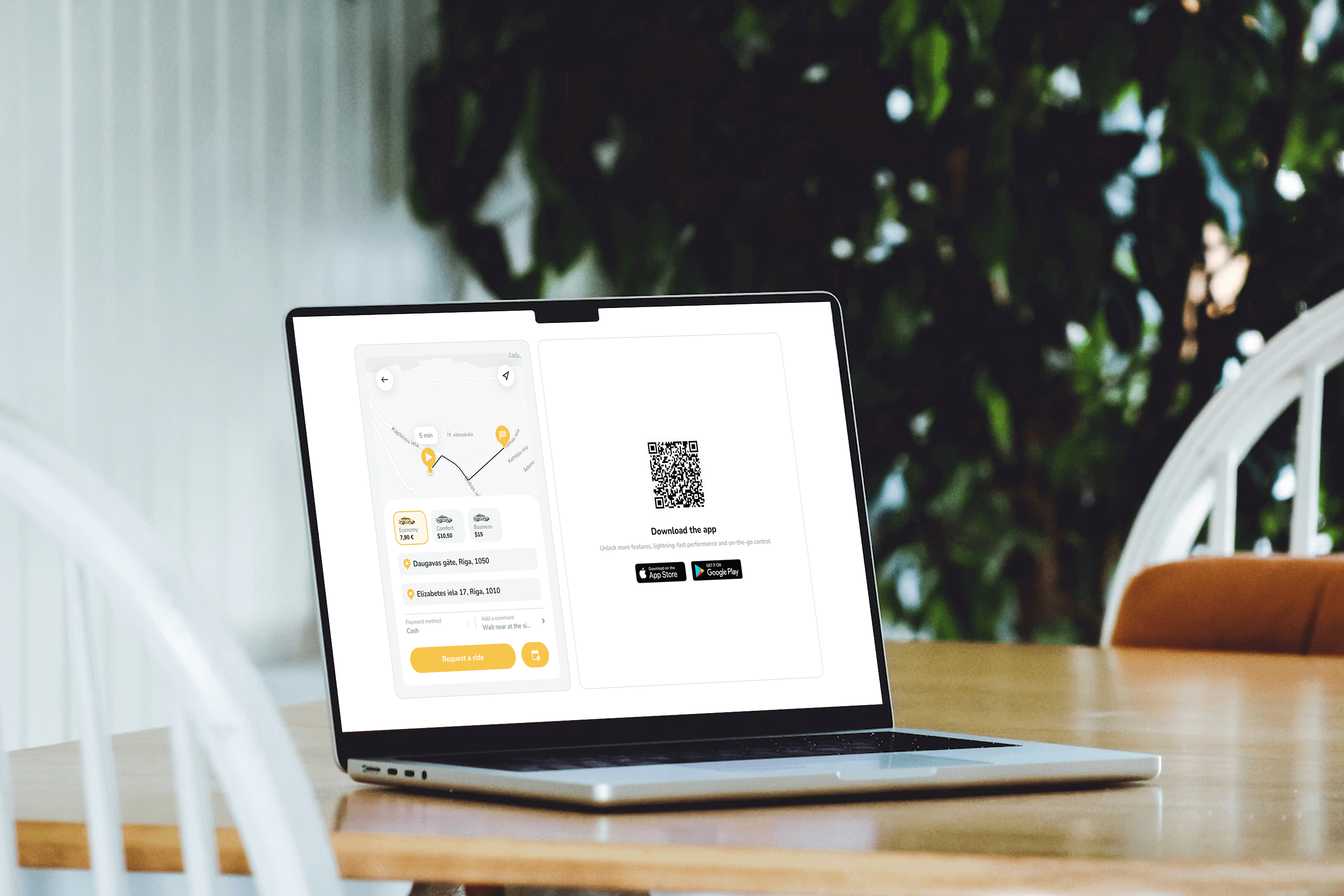
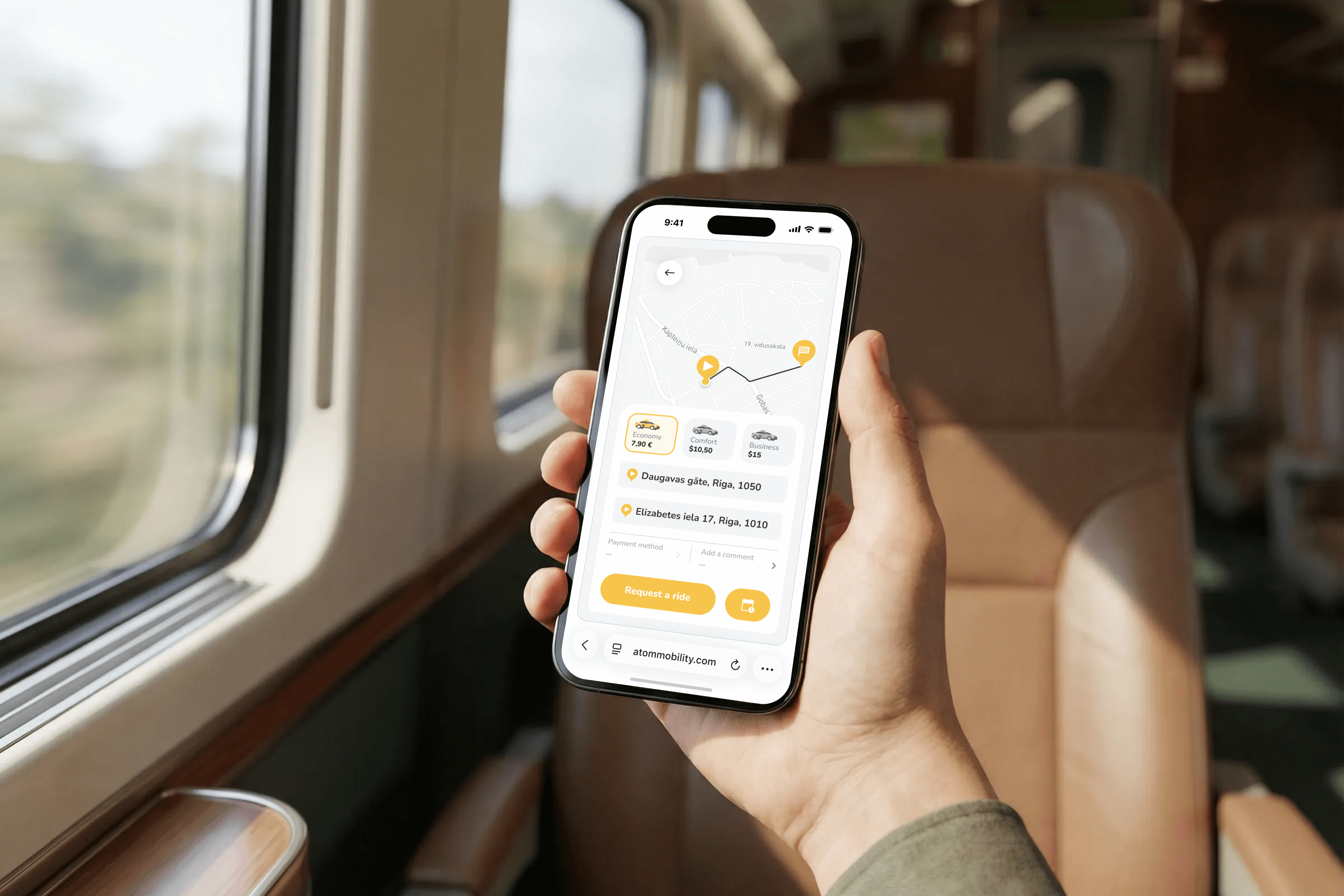
🚕 Web-booker is a lightweight ride-hail widget that lets users book rides directly from a website or mobile browser - no app install required. It reduces booking friction, supports hotel and partner demand, and keeps every ride fully synced with the taxi operator’s app and dashboard.
What if ordering a taxi was as easy as booking a room or clicking “Reserve table” on a website?
Meet Web-booker - a lightweight ride-hail booking widget that lets users request a cab directly from a website, without installing or opening the mobile app.
Perfect for hotels, business centers, event venues, airports, and corporate partners.
👉 Live demo: https://app.atommobility.com/taxi-widget
Web-booker is a browser-based ride-hail widget that operators can embed or link to from any website.
The booking happens on the web, but the ride is fully synchronized with the mobile app and operator dashboard.
No redirects. No app-store friction. No lost users.
This keeps fraud low while preserving conversion.
Web-booker addresses one of the most common friction points in ride-hailing: users who need a ride now but are not willing to download an app first. By allowing bookings directly from a website, operators can capture high-intent demand at the exact moment it occurs - whether that is on a hotel website, an event page, or a partner landing page.
At the same time, Web-booker makes partnerships with hotels and venues significantly easier. Instead of complex integrations or manual ordering flows, partners can simply place a button or link and immediately enable ride ordering for their guests. Importantly, this approach does not block long-term app growth. The booking flow still promotes the mobile app through QR codes and store links, allowing operators to convert web users into app users over time - without forcing the install upfront.
Web-booker is not designed to replace the mobile app. It extends the acquisition funnel by adding a low-friction entry point, while keeping all bookings fully synchronized with the operator’s app and dashboard.
👉 Try the demo
https://app.atommobility.com/taxi-widget
Want to explore a ride-hail or taxi solution for your business - or migrate to a more flexible platform? Visit: https://www.atommobility.com/products/ride-hailing
Informations d'identification pour la démonstration de Driver App - E-mail : test@atom.com, mot de passe : chauffeur

