Opinião: Por que o atracamento pode ser um divisor de águas para a micromobilidade nas cidades
May 14, 2021
leitura mínima


As scooters elétricas remodelaram a forma como passageiros, turistas e residentes navegam em nossas cidades, oferecendo um meio de transporte divertido e de baixo carbono. Mas, embora a pandemia tenha aumentado o número de passageiros porque as scooters oferecem um meio de viagem socialmente distanciado, o fato de serem permitidas não resolveu os desafios impostos por sua implantação. Calçadas lotadas, vandalismo, questões relacionadas a cobranças, você já ouviu falar sobre isso...
Estamos felizes em compartilhar ideias sobre a economia unitária das operações de compartilhamento de scooters/bicicletas ancoradas com a ajuda de nossos amigos da NÓ - empresa inovadora que fornece docking stations para serviços de scooters.
As scooters elétricas acopladas não apenas removem a obstrução que as scooters causam quando deixadas nas calçadas, mas também são muito menos fáceis de serem vandalizadas. Outra vantagem das estações é que as operadoras podem fornecer vídeos e outras orientações para aconselhar os usuários sobre como pedalar com segurança e capacetes podem ser disponibilizados nas estações.
Mas que tal atracar a economia da infraestrutura? Mais investimento antecipado para menos despesas operacionais? Onde podemos situar o ponto de equilíbrio? Encontre nossos números abaixo!
Economia flutuante versus economia baseada em docas
As docking stations reduzem os custos operacionais — as scooters são trancadas e carregadas na estação — o que significa que não há necessidade de empregar funcionários para coletar as scooters todas as noites para trocar as baterias. A comparação dos custos é impressionante: as despesas operacionais por scooter caem de quase 6€ para 1€ por dia.
Em média, custa €0,03 carregar uma scooter acoplada por dia, contra €2 a 6 para scooters flutuantes, quando todos os outros custos operacionais são considerados e a vida útil média da docking station é de 5 anos. Além disso, as scooters estarão sempre totalmente carregadas, o que significa que você pode garantir seus serviços o dia todo, mesmo para scooters com baixa capacidade de bateria.
Os serviços baseados em estações também ajudam a reduzir o impacto do vandalismo, aumentando a vida útil da scooter e reduzindo os custos gerais de manutenção.
Se colocarmos isso na perspectiva de receita, a receita diária por scooter (com a suposição de 3 viagens por dia) será consideravelmente maior. Aqui abaixo, um cálculo aproximado feito com base no pressuposto de 3 viagens por scooter por dia para uma frota de 250 scooters:

Economia flutuante versus economia baseada em docas
Naturalmente, as soluções baseadas em docas exigem um investimento substancial em infraestrutura. Para 250 redes de scooters, as cidades precisariam instalar cerca de 60 docking stations com 8 slots cada (se você optar por uma rede 100% baseada em encaixe), o que representa cerca de 250.000€, incluindo o upgrade de scooter.
Isso significa que, para iniciar seu sistema, você precisa contabilizar de 35 a 60% a mais no lado do investimento, mas economizará de 30 a 70% nas operações diárias.
O panorama geral
Reservar um tempo para analisar o panorama geral pode salvar as cidades de muitos problemas e dinheiro — em apenas sete a nove meses, o custo inicial de um sistema baseado em encaixe começa a valer a pena quando comparado a um modelo de flutuação livre. Esse investimento não é apenas financeiramente astuto, mas também cria uma infraestrutura que pode levar a um ecossistema de trânsito mais seguro, onde as scooters elétricas podem ser vistas não como um incômodo ou novidade, mas como parte integrante da rede de transporte público.
Mas como cada cidade é diferente, não existe uma abordagem única para todos. Por exemplo, em Estrasburgo, o KNOT permite que os usuários estacionem dois metros ao redor da estação real, se ela estiver cheia (a cidade de Estrasburgo é contra as scooters elétricas flutuantes gratuitas e não as permite em nenhum outro lugar da cidade). Ter opções flexíveis que atendam às necessidades dos usuários oferece às cidades uma oportunidade real de tornar a e-scooter um meio de transporte verdadeiramente adotado.
À medida que mais países e cidades em todo o mundo buscam as scooters elétricas como uma solução, os responsáveis por sua implantação precisam considerar como podem impactar a mudança em seu ecossistema de mobilidade. O encaixe oferece um investimento inteligente e a chance de consolidar esse modo de micromobilidade na paisagem urbana.
Clique abaixo para saber mais ou solicitar uma demonstração.

The micromobility industry doesn’t need another generic mobility conference. 🚫🎤 It needs real conversations between operators who are actually in the field. ⚙️ That’s exactly what ATOM Connect 2026 is built for. 🎯🤝
The shared mobility industry is evolving rapidly. Operators are navigating scaling challenges, regulatory complexity, hardware decisions, fleet optimization, and new integration models, all while aiming for sustainable growth.
That’s exactly why ATOM Mobility is organizing ATOM Connect 2026.
Our previous edition of ATOM Connect brought together professionals from the car sharing and rental industry for focused, high-quality discussions and networking. This year, we are narrowing the focus and dedicating the entire event to one fast-moving segment of the industry: shared micromobility.
ATOM Connect 2026 is designed specifically for operators, partners, and decision-makers working in shared micromobility. It is not a broad mobility conference or a public exhibition. It is a curated space for industry professionals to exchange practical experience, insights, and lessons learned.
On May 14th, 2026 in Riga, we will once again bring the community together, this time with a clear focus on micromobility.
This year’s agenda will address the real operational and strategic questions shaping shared micromobility today:
As usual, we aim to host both local and international operators from smaller, fast-growing fleets to established large-scale players alongside hardware providers and ecosystem partners.
On stage, you’ll hear from leading shared mobility companies - including Segway on hardware partnerships, Umob on MaaS integration, Anadue on data-driven fleet intelligence, Elerent on multi-vehicle operational realities and more insightful discussions.
The goal is simple: meaningful discussions with people who understand the operational realities of the industry.
ATOM Connect is free to attend, but participation is industry-focused (each submission is manually reviewed and verified). We are intentionally keeping the audience relevant and aligned to ensure high-quality conversations and valuable networking.
If you work in shared micromobility and would like to join the event, you can find the full agenda and register here:
👉 https://www.atommobility.com/atom-connect-2026
In the coming weeks, we will be revealing more speakers and additional agenda updates. We look forward to bringing the industry together again.
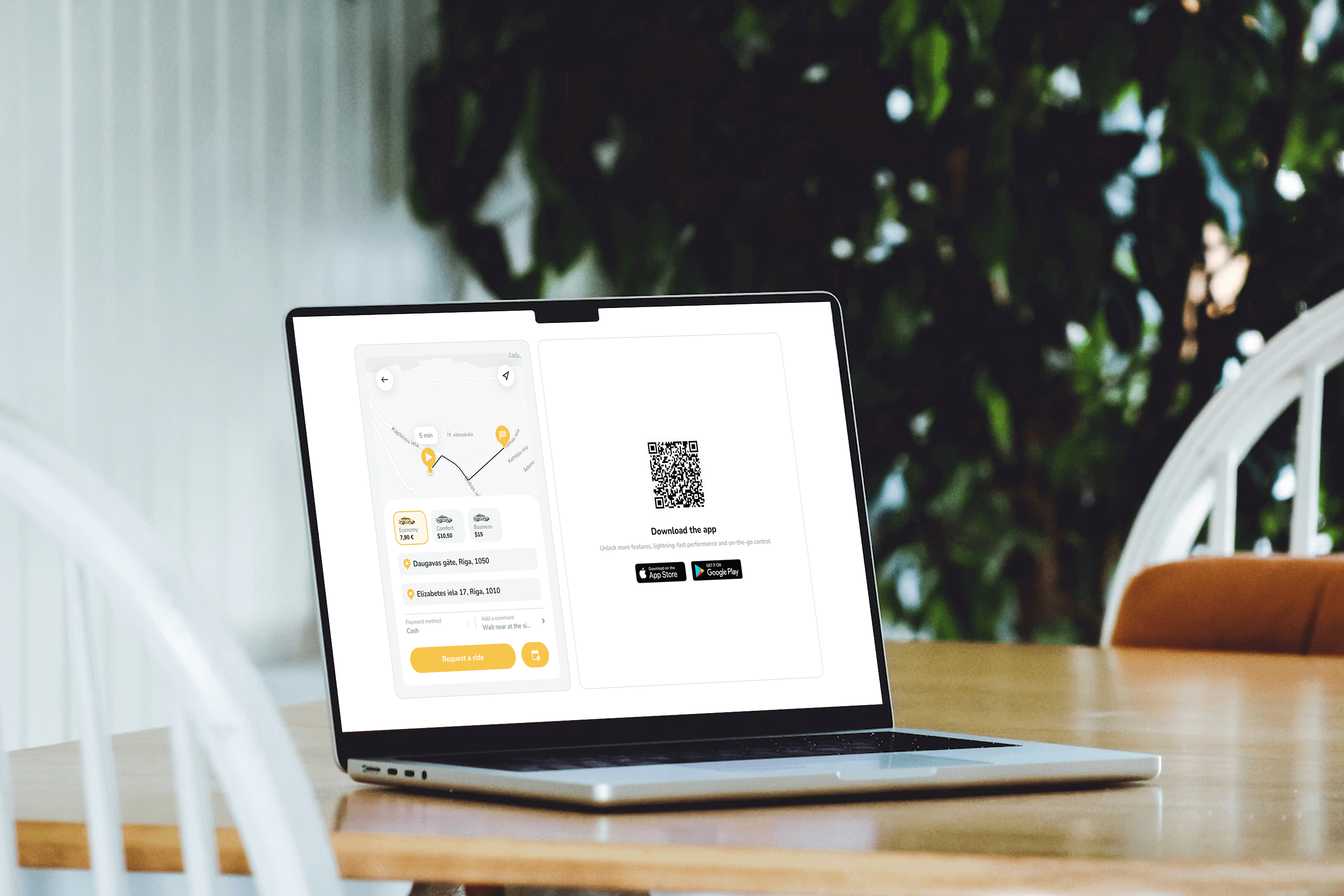
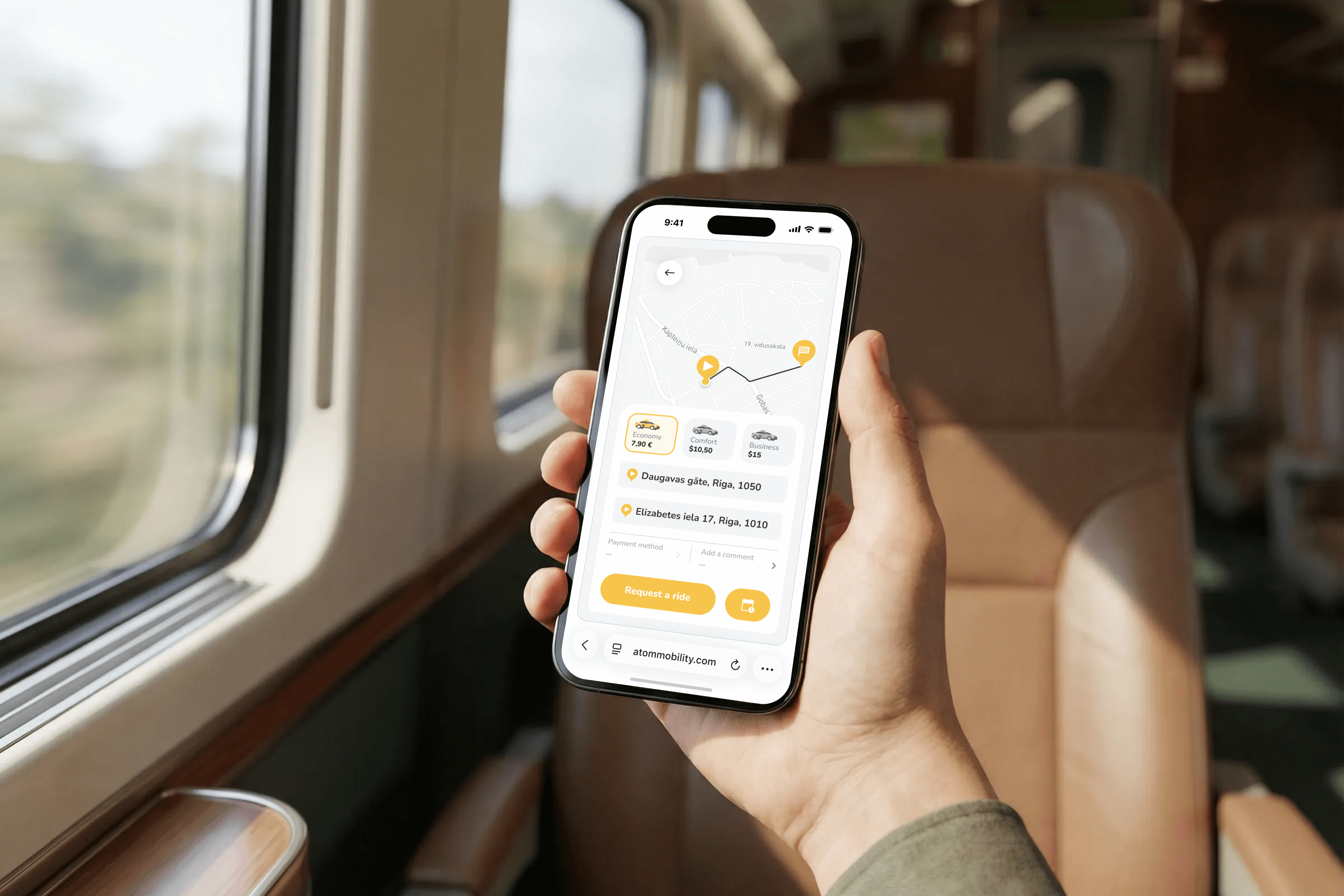
🚕 Web-booker is a lightweight ride-hail widget that lets users book rides directly from a website or mobile browser - no app install required. It reduces booking friction, supports hotel and partner demand, and keeps every ride fully synced with the taxi operator’s app and dashboard.
What if ordering a taxi was as easy as booking a room or clicking “Reserve table” on a website?
Meet Web-booker - a lightweight ride-hail booking widget that lets users request a cab directly from a website, without installing or opening the mobile app.
Perfect for hotels, business centers, event venues, airports, and corporate partners.
👉 Live demo: https://app.atommobility.com/taxi-widget
Web-booker is a browser-based ride-hail widget that operators can embed or link to from any website.
The booking happens on the web, but the ride is fully synchronized with the mobile app and operator dashboard.
No redirects. No app-store friction. No lost users.
This keeps fraud low while preserving conversion.
Web-booker addresses one of the most common friction points in ride-hailing: users who need a ride now but are not willing to download an app first. By allowing bookings directly from a website, operators can capture high-intent demand at the exact moment it occurs - whether that is on a hotel website, an event page, or a partner landing page.
At the same time, Web-booker makes partnerships with hotels and venues significantly easier. Instead of complex integrations or manual ordering flows, partners can simply place a button or link and immediately enable ride ordering for their guests. Importantly, this approach does not block long-term app growth. The booking flow still promotes the mobile app through QR codes and store links, allowing operators to convert web users into app users over time - without forcing the install upfront.
Web-booker is not designed to replace the mobile app. It extends the acquisition funnel by adding a low-friction entry point, while keeping all bookings fully synchronized with the operator’s app and dashboard.
👉 Try the demo
https://app.atommobility.com/taxi-widget
Want to explore a ride-hail or taxi solution for your business - or migrate to a more flexible platform? Visit: https://www.atommobility.com/products/ride-hailing
Credenciais de demonstração do Driver App - E-mail: test@atom.com, Senha: motorista

