Meinung: Warum Andocken die Mikromobilität in Städten grundlegend verändern könnte
May 14, 2021
min. Lesedauer


E-Scooter haben die Art und Weise, wie Pendler, Touristen und Einwohner in unseren Städten navigieren, verändert und bieten ein unterhaltsames, kohlenstoffarmes Verkehrsmittel. Doch obwohl die Pandemie zu einem Anstieg der Fahrgastzahlen geführt hat, weil Scooter eine sozial distanzierte Art des Reisens bieten, hat die Tatsache, dass sie zugelassen sind, die Herausforderungen, die sich aus ihrem Einsatz ergeben, nicht gelöst. Überfüllte Bürgersteige, Vandalismus, Probleme beim Laden — Sie haben schon davon gehört...
Wir freuen uns, Ihnen mit Hilfe unserer Freunde von KNOTEN - innovatives Unternehmen, das Dockingstationen für Rollerservices anbietet.
Andockte E-Scooter beseitigen nicht nur die Hindernisse, die Roller verursachen, wenn sie auf Gehwegen stehen bleiben, sondern sind auch weitaus weniger anfällig für Vandalismus. Ein weiterer Vorteil der Stationen besteht darin, dass die Betreiber Videos und andere Anleitungen zur Verfügung stellen können, um die Benutzer darüber zu informieren, wie sie sicher fahren können, und dass Helme an den Stationen zur Verfügung gestellt werden können.
Aber was ist mit der Docking-Infrastrukturökonomie? Mehr Investitionen im Voraus für weniger Betriebskosten? Wo können wir die Gewinnschwelle platzieren? Unsere Zahlen finden Sie unten!
Frei schwebende oder auf Häfen beruhende Ökonomie
Dockingstationen senken die Betriebskosten — die Roller werden an der Station verriegelt und aufgeladen — sodass kein Personal angestellt werden muss, das jeden Abend die Roller abholt, um die Batterien auszutauschen. Die Kostenaufschlüsselung im Vergleich ist beeindruckend, die Betriebskosten pro Roller sinken von fast 6€ auf 1€ pro Tag.
Im Durchschnitt kostet es 0,03€, einen angedockten Roller pro Tag aufzuladen, gegenüber 2-6 € für freischwebende Scooter, wenn alle anderen Betriebskosten berücksichtigt werden und die durchschnittliche Lebensdauer einer Dockingstation 5 Jahre beträgt. Außerdem sind die Roller immer voll aufgeladen, sodass Sie Ihre Dienste den ganzen Tag lang garantieren können, auch bei Rollern mit niedriger Akkukapazität.
Stationsgestützte Dienstleistungen tragen auch dazu bei, die Auswirkungen von Vandalismus zu reduzieren, die Lebensdauer des Rollers zu verlängern und die allgemeinen Wartungskosten zu senken.
Wenn wir es in die Umsatzprognose einbeziehen, wird der tägliche Umsatz pro Roller (bei Annahme von 3 Fahrten pro Tag) erheblich höher sein. Hier unten eine grobe Berechnung, die unter der Annahme von 3 Fahrten pro Roller pro Tag für eine Flotte von 250 Rollern durchgeführt wurde:

Frei schwebende oder auf Häfen beruhende Ökonomie
Natürlich erfordern Docklösungen erhebliche Investitionen in die Infrastruktur. Für ein Netzwerk mit 250 Rollern müssten die Städte etwa 60 Dockingstationen mit jeweils 8 Steckplätzen installieren (wenn Sie sich für ein Netzwerk entscheiden, das zu 100% an der Dockingstation angeschlossen ist), was inklusive Roller-Upgrade etwa 250.000€ entspricht.
Das heißt, um Ihr System auf den Markt zu bringen, müssen Sie 35 bis 60% mehr auf der Investitionsseite einplanen, aber Sie sparen 30-70% beim täglichen Betrieb.
Das größere Bild
Wenn Sie sich die Zeit nehmen, das Gesamtbild zu betrachten, können Städte viel Ärger und Geld sparen — in nur sieben bis neun Monaten beginnen sich die Anschaffungskosten eines Docking-basierten Systems im Vergleich zu einem freischwimmenden Modell auszuzahlen. Diese Investition ist nicht nur finanziell klug, sie schafft auch eine Infrastruktur, die zu einem sichereren Transportökosystem führen kann, in dem E-Scooter nicht als lästig oder neu angesehen werden können, sondern als integraler Bestandteil des Transitnetzes.
Aber da jede Stadt anders ist, gibt es kein Patentrezept. In Straßburg beispielsweise ermöglicht KNOT den Nutzern, zwei Meter um den eigentlichen Bahnhof herum zu parken, wenn dieser voll ist (die Stadt Straßburg ist gegen frei schwebende E-Scooter und erlaubt dies nirgendwo sonst in der Stadt). Flexible Optionen, die den Bedürfnissen der Nutzer entsprechen, geben den Städten eine echte Chance, den E-Scooter zu einem Verkehrsmittel zu machen, das wirklich genutzt werden kann.
Da immer mehr Länder und Städte auf der ganzen Welt auf E-Scooter als Lösung setzen, müssen sich die Verantwortlichen für ihren Rollout Gedanken darüber machen, wie sie den Wandel in ihrem Mobilitätsökosystem beeinflussen können. Das Andocken bietet eine kluge Investition und die Chance, diesen Mikromobilitätsmodus in der Stadtlandschaft zu verankern.
Klicken Sie unten, um mehr zu erfahren oder eine Demo anzufordern.

The micromobility industry doesn’t need another generic mobility conference. 🚫🎤 It needs real conversations between operators who are actually in the field. ⚙️ That’s exactly what ATOM Connect 2026 is built for. 🎯🤝
The shared mobility industry is evolving rapidly. Operators are navigating scaling challenges, regulatory complexity, hardware decisions, fleet optimization, and new integration models, all while aiming for sustainable growth.
That’s exactly why ATOM Mobility is organizing ATOM Connect 2026.
Our previous edition of ATOM Connect brought together professionals from the car sharing and rental industry for focused, high-quality discussions and networking. This year, we are narrowing the focus and dedicating the entire event to one fast-moving segment of the industry: shared micromobility.
ATOM Connect 2026 is designed specifically for operators, partners, and decision-makers working in shared micromobility. It is not a broad mobility conference or a public exhibition. It is a curated space for industry professionals to exchange practical experience, insights, and lessons learned.
On May 14th, 2026 in Riga, we will once again bring the community together, this time with a clear focus on micromobility.
This year’s agenda will address the real operational and strategic questions shaping shared micromobility today:
As usual, we aim to host both local and international operators from smaller, fast-growing fleets to established large-scale players alongside hardware providers and ecosystem partners.
On stage, you’ll hear from leading shared mobility companies - including Segway on hardware partnerships, Umob on MaaS integration, Anadue on data-driven fleet intelligence, Elerent on multi-vehicle operational realities and more insightful discussions.
The goal is simple: meaningful discussions with people who understand the operational realities of the industry.
ATOM Connect is free to attend, but participation is industry-focused (each submission is manually reviewed and verified). We are intentionally keeping the audience relevant and aligned to ensure high-quality conversations and valuable networking.
If you work in shared micromobility and would like to join the event, you can find the full agenda and register here:
👉 https://www.atommobility.com/atom-connect-2026
In the coming weeks, we will be revealing more speakers and additional agenda updates. We look forward to bringing the industry together again.
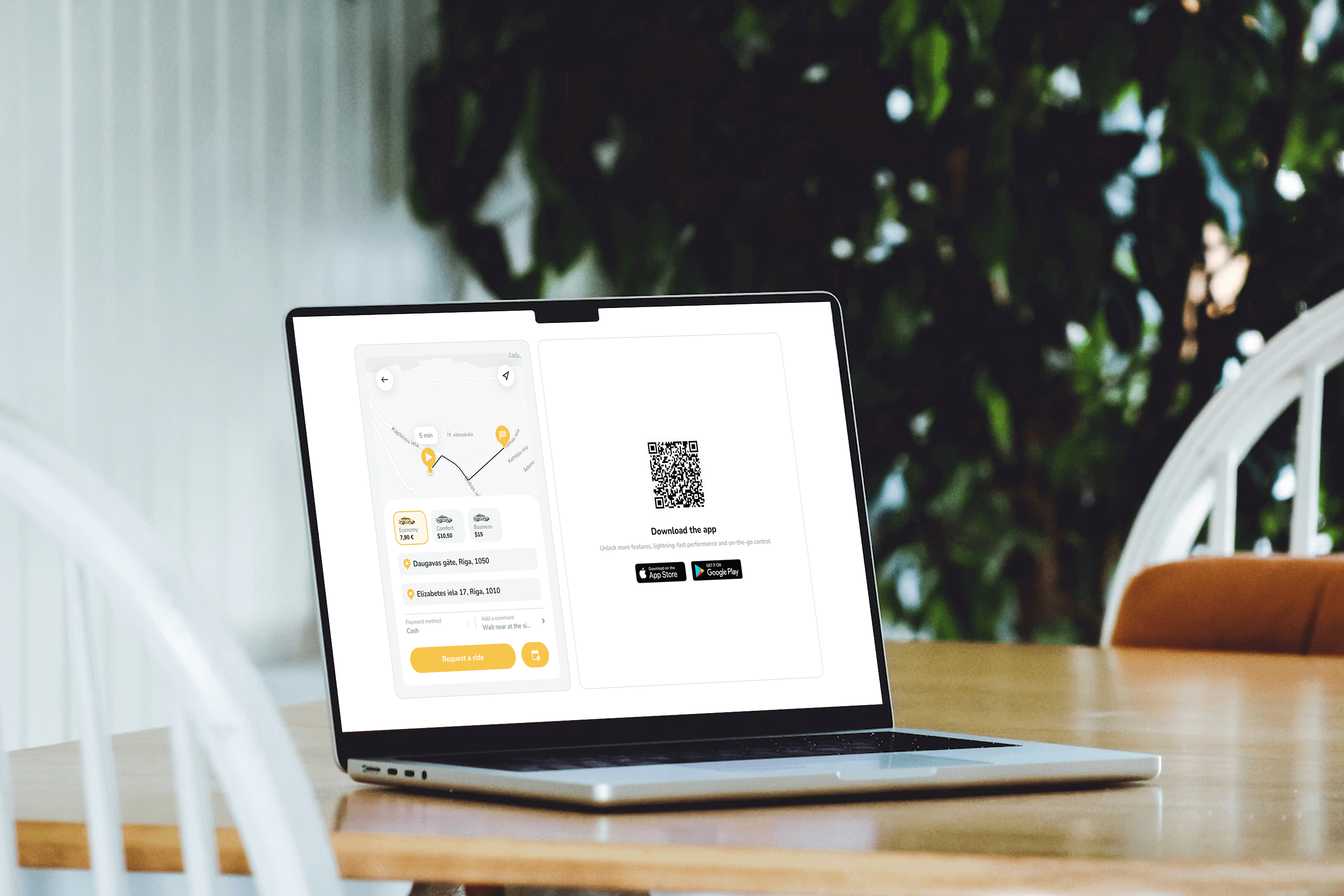
🚕 Web-booker is a lightweight ride-hail widget that lets users book rides directly from a website or mobile browser - no app install required. It reduces booking friction, supports hotel and partner demand, and keeps every ride fully synced with the taxi operator’s app and dashboard.
What if ordering a taxi was as easy as booking a room or clicking “Reserve table” on a website?
Meet Web-booker - a lightweight ride-hail booking widget that lets users request a cab directly from a website, without installing or opening the mobile app.
Perfect for hotels, business centers, event venues, airports, and corporate partners.
👉 Live demo: https://app.atommobility.com/taxi-widget
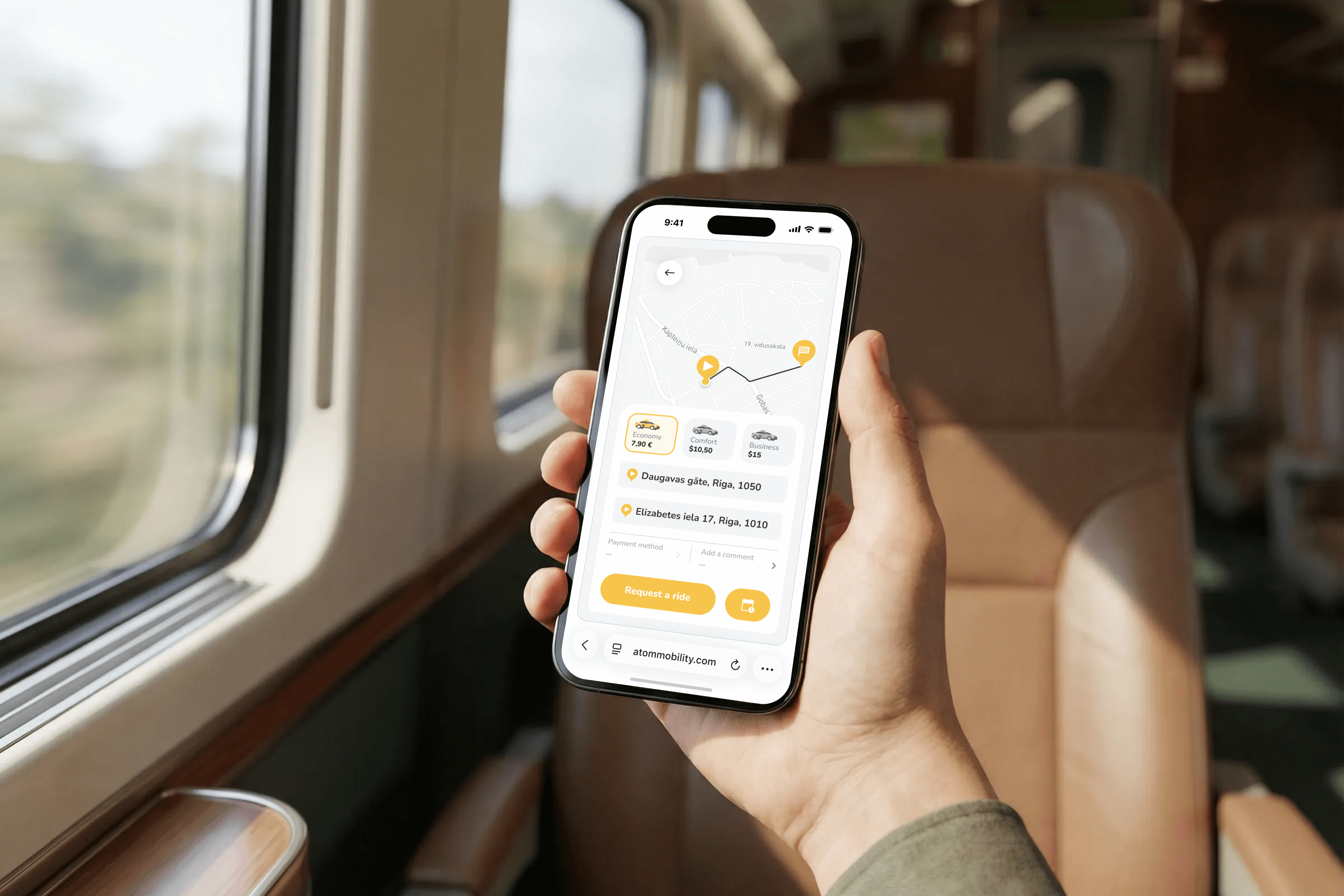
Web-booker is a browser-based ride-hail widget that operators can embed or link to from any website.
The booking happens on the web, but the ride is fully synchronized with the mobile app and operator dashboard.
No redirects. No app-store friction. No lost users.
This keeps fraud low while preserving conversion.
Web-booker addresses one of the most common friction points in ride-hailing: users who need a ride now but are not willing to download an app first. By allowing bookings directly from a website, operators can capture high-intent demand at the exact moment it occurs - whether that is on a hotel website, an event page, or a partner landing page.
At the same time, Web-booker makes partnerships with hotels and venues significantly easier. Instead of complex integrations or manual ordering flows, partners can simply place a button or link and immediately enable ride ordering for their guests. Importantly, this approach does not block long-term app growth. The booking flow still promotes the mobile app through QR codes and store links, allowing operators to convert web users into app users over time - without forcing the install upfront.
Web-booker is not designed to replace the mobile app. It extends the acquisition funnel by adding a low-friction entry point, while keeping all bookings fully synchronized with the operator’s app and dashboard.
👉 Try the demo
https://app.atommobility.com/taxi-widget
Want to explore a ride-hail or taxi solution for your business - or migrate to a more flexible platform? Visit: https://www.atommobility.com/products/ride-hailing
Anmeldedaten für die Driver App-Demo - E-Mail: test@atom.com, Passwort: Treiber

