Opinión: Por qué el atraque podría cambiar las reglas del juego para la micromovilidad en las ciudades
May 14, 2021
lectura mínima


Los patinetes eléctricos han remodelado la forma en que los viajeros, los turistas y los residentes navegan por nuestras ciudades, proporcionando un modo de transporte divertido y con bajas emisiones de carbono. Sin embargo, si bien la pandemia ha provocado un aumento del número de pasajeros porque los patinetes ofrecen un modo de viajar socialmente distanciado, el hecho de que estén permitidos no ha resuelto los desafíos que plantea su uso. Las aceras abarrotadas, el vandalismo, los problemas relacionados con la carga... ya has oído hablar de ello...
Nos complace compartir información sobre la economía unitaria de las operaciones de uso compartido de patinetes y bicicletas en muelles con la ayuda de nuestros amigos de NUDO - empresa innovadora que proporciona estaciones de acoplamiento para servicios de scooters.
Los patinetes eléctricos acoplados no solo eliminan la obstrucción que causan los patinetes cuando se dejan en las aceras, sino que también son mucho menos fáciles de destrozar. Otra ventaja de las estaciones es que los operadores pueden proporcionar vídeos y otras instrucciones para asesorar a los usuarios sobre cómo conducir de forma segura, y pueden ponerse cascos a su disposición en las estaciones.
Pero, ¿qué pasa con la economía de la infraestructura de atraque? ¿Más inversión de antemano para reducir los gastos operativos? ¿Dónde podemos situar el punto de equilibrio? ¡Encuentra nuestros números a continuación!
Economía de flotación libre frente a economía basada en muelles
Las estaciones de acoplamiento reducen los costos operativos (los patinetes se cierran con llave y se cargan en la estación), lo que significa que no es necesario contratar personal para recoger los patinetes todas las noches para cambiar las baterías. El desglose de los costes es impresionante: los gastos operativos por patinete pasan de casi 6€ a 1€ por día.
De media, cargar un patinete acoplado cuesta 0,03 euros al día, frente a los 2 a 6 euros de los patinetes que flotan libremente, si se tienen en cuenta todos los demás costes operativos, y la vida útil media de la estación de acoplamiento es de 5 años. Además, los patinetes siempre estarán completamente cargados, lo que significa que puedes garantizar tus servicios durante todo el día, incluso en los patinetes con poca capacidad de batería.
Los servicios basados en la estación también ayudan a reducir el impacto del vandalismo, lo que aumenta la vida útil del scooter y reduce los costos generales de mantenimiento.
Si lo incluimos en la perspectiva de ingresos, los ingresos diarios por scooter (con el supuesto de 3 viajes al día) serán considerablemente más altos. A continuación se muestra un cálculo aproximado realizado partiendo del supuesto de 3 viajes por scooter al día para una flota de 250 scooters:

Economía de flotación libre frente a economía basada en muelles
Naturalmente, las soluciones basadas en muelles requieren una inversión sustancial en infraestructura. Para disponer de 250 redes de patinetes, las ciudades necesitarían instalar alrededor de 60 estaciones de acoplamiento con 8 ranuras cada una (si se opta por una red totalmente acoplada), lo que representa unos 250 000€, incluida la mejora de los scooters.
Esto significa que, para lanzar su sistema, debe invertir entre un 35 y un 60% más, pero ahorrará entre un 30 y un 70% en las operaciones diarias.
El panorama general
Tomarse el tiempo para analizar el panorama general puede ahorrarle a las ciudades muchos problemas y dinero: en solo siete a nueve meses, el costo inicial de un sistema basado en el acoplamiento comienza a dar sus frutos en comparación con un modelo flotante. Esta inversión no solo es rentable desde el punto de vista financiero, sino que también crea una infraestructura que puede conducir a un ecosistema de tránsito más seguro en el que los patinetes eléctricos no puedan considerarse una molestia o una novedad, sino una parte integral de la red de transporte.
Sin embargo, como cada ciudad es diferente, no existe un enfoque único para todos. Por ejemplo, en Estrasburgo, KNOT permite a los usuarios aparcar a dos metros alrededor de la estación si está llena (la ciudad de Estrasburgo se opone a que los patinetes eléctricos floten libremente y no los permite en ningún otro lugar de la ciudad). Disponer de opciones flexibles que se adapten a las necesidades de los usuarios brinda a las ciudades una oportunidad real de convertir el patinete eléctrico en un medio de transporte que pueda adoptarse realmente.
A medida que más países y ciudades de todo el mundo optan por los patinetes eléctricos como una solución, los responsables de su despliegue deben considerar cómo pueden influir en el cambio en su ecosistema de movilidad. El atraque ofrece una inversión inteligente y la oportunidad de consolidar este modo de micromovilidad en el paisaje urbano.
Haga clic a continuación para obtener más información o solicitar una demostración.

The micromobility industry doesn’t need another generic mobility conference. 🚫🎤 It needs real conversations between operators who are actually in the field. ⚙️ That’s exactly what ATOM Connect 2026 is built for. 🎯🤝
The shared mobility industry is evolving rapidly. Operators are navigating scaling challenges, regulatory complexity, hardware decisions, fleet optimization, and new integration models, all while aiming for sustainable growth.
That’s exactly why ATOM Mobility is organizing ATOM Connect 2026.
Our previous edition of ATOM Connect brought together professionals from the car sharing and rental industry for focused, high-quality discussions and networking. This year, we are narrowing the focus and dedicating the entire event to one fast-moving segment of the industry: shared micromobility.
ATOM Connect 2026 is designed specifically for operators, partners, and decision-makers working in shared micromobility. It is not a broad mobility conference or a public exhibition. It is a curated space for industry professionals to exchange practical experience, insights, and lessons learned.
On May 14th, 2026 in Riga, we will once again bring the community together, this time with a clear focus on micromobility.
This year’s agenda will address the real operational and strategic questions shaping shared micromobility today:
As usual, we aim to host both local and international operators from smaller, fast-growing fleets to established large-scale players alongside hardware providers and ecosystem partners.
On stage, you’ll hear from leading shared mobility companies - including Segway on hardware partnerships, Umob on MaaS integration, Anadue on data-driven fleet intelligence, Elerent on multi-vehicle operational realities and more insightful discussions.
The goal is simple: meaningful discussions with people who understand the operational realities of the industry.
ATOM Connect is free to attend, but participation is industry-focused (each submission is manually reviewed and verified). We are intentionally keeping the audience relevant and aligned to ensure high-quality conversations and valuable networking.
If you work in shared micromobility and would like to join the event, you can find the full agenda and register here:
👉 https://www.atommobility.com/atom-connect-2026
In the coming weeks, we will be revealing more speakers and additional agenda updates. We look forward to bringing the industry together again.
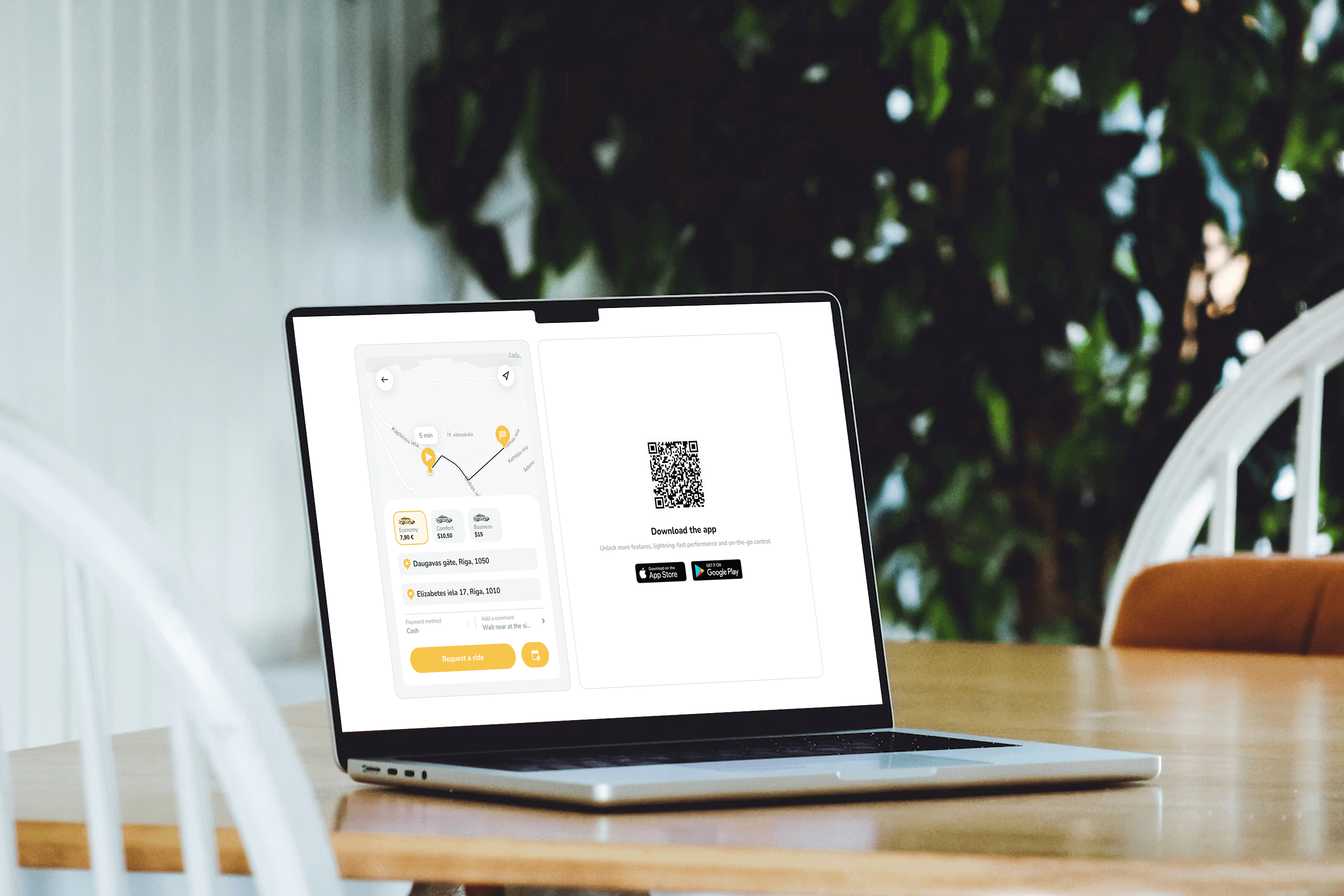
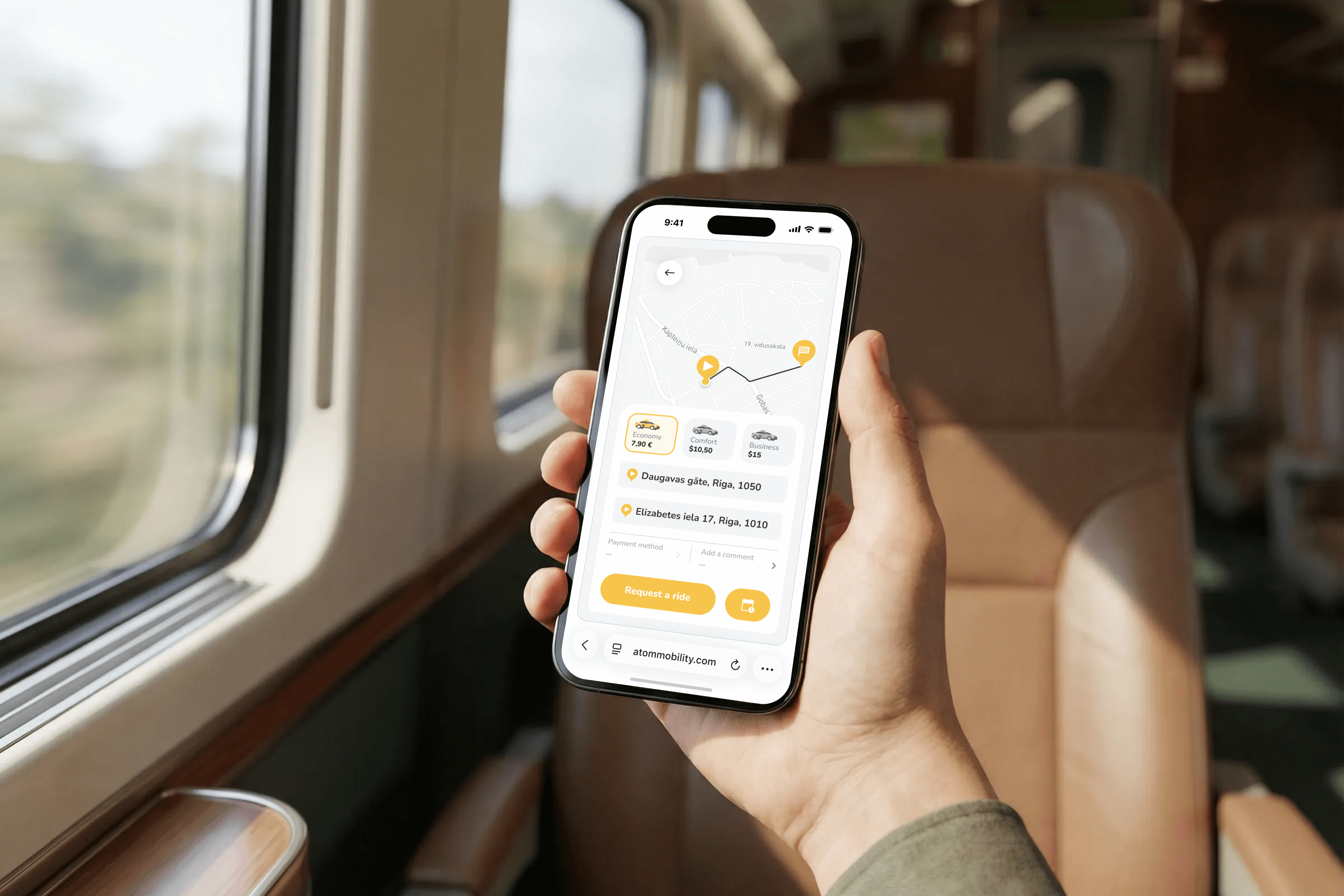
🚕 Web-booker is a lightweight ride-hail widget that lets users book rides directly from a website or mobile browser - no app install required. It reduces booking friction, supports hotel and partner demand, and keeps every ride fully synced with the taxi operator’s app and dashboard.
What if ordering a taxi was as easy as booking a room or clicking “Reserve table” on a website?
Meet Web-booker - a lightweight ride-hail booking widget that lets users request a cab directly from a website, without installing or opening the mobile app.
Perfect for hotels, business centers, event venues, airports, and corporate partners.
👉 Live demo: https://app.atommobility.com/taxi-widget
Web-booker is a browser-based ride-hail widget that operators can embed or link to from any website.
The booking happens on the web, but the ride is fully synchronized with the mobile app and operator dashboard.
No redirects. No app-store friction. No lost users.
This keeps fraud low while preserving conversion.
Web-booker addresses one of the most common friction points in ride-hailing: users who need a ride now but are not willing to download an app first. By allowing bookings directly from a website, operators can capture high-intent demand at the exact moment it occurs - whether that is on a hotel website, an event page, or a partner landing page.
At the same time, Web-booker makes partnerships with hotels and venues significantly easier. Instead of complex integrations or manual ordering flows, partners can simply place a button or link and immediately enable ride ordering for their guests. Importantly, this approach does not block long-term app growth. The booking flow still promotes the mobile app through QR codes and store links, allowing operators to convert web users into app users over time - without forcing the install upfront.
Web-booker is not designed to replace the mobile app. It extends the acquisition funnel by adding a low-friction entry point, while keeping all bookings fully synchronized with the operator’s app and dashboard.
👉 Try the demo
https://app.atommobility.com/taxi-widget
Want to explore a ride-hail or taxi solution for your business - or migrate to a more flexible platform? Visit: https://www.atommobility.com/products/ride-hailing
Credenciales de demostración de Driver App - Correo electrónico: test@atom.com, contraseña: conductor

