Come trovare la redditività nel settore della condivisione di scooter elettrici: una conversazione con Bullride
September 8, 2022
lettura minima


Quando si parla del futuro della condivisione di e-scooter, ci sono alcune opinioni piuttosto contrastanti. Alcuni dicono che è il futuro della micromobilità, altri sono meno ottimisti.
In definitiva, il successo degli operatori di scooter dipende tutto dalla loro capacità di trovare redditività.
Siamo onesti: questo settore ha costi generali superiori alla media. L'hardware è di per sé un investimento importante e i profitti sono ulteriormente incrementati dal personale addetto alla manutenzione, dallo storage, dai costi di trasferimento e dai nuovi requisiti normativi che vengono regolarmente introdotti.
Ma la redditività è possibile.
Abbiamo parlato con Heiko Hildebrandt, co-fondatrice di Corsa in toro, che aiuta le aziende di mobilità a scaricare i propri asset dal bilancio per mantenerli in nero.
L'economia sta appena iniziando a stabilizzarsi mentre usciamo dalla crisi del Covid ed entriamo nella nuova normalità. In che modo il Covid ha influito sulla sfera della micromobilità?
Uno studio pubblicato in Bloomberg ha scoperto che l'utenza mensile è diminuita drasticamente nel 2021, ma è tornata in auge nel 2022 quando le persone sono tornate in carica.

Fonte: Bloomberg
Ora, questo significa usare marchi con sede negli Stati Uniti come modello.
Heiko Hildebrandt afferma che gli operatori di scooter con cui ha lavorato hanno subito un effetto simile:
«Corona era il miglior carburante che si potesse versare nel settore della micromobilità. Durante il periodo del Coronavirus, le persone utilizzavano a malapena i mezzi pubblici e la maggior parte delle persone passava agli scooter. Abbiamo visto due dei maggiori marchi di micromobilità in Europa, Bolt e Tier, raccogliere investimenti in VC da record alla fine del 2021, per un totale di 1,4 miliardi di euro, un chiaro segno di trazione. E da quando il Covid è finito, abbiamo assistito a un calo della domanda del 30%-40%. Quindi il Covid è stato dannoso per gli affari? Non secondo il mio punto di vista».
Tuttavia, secondo Heiko, la vera sfida è far funzionare l'economia unitaria. Perché la domanda non è se il prodotto è richiesto. La domanda è: ha senso dal punto di vista aziendale.
L'industria degli scooter, sebbene richiesta, deve affrontare sfide che hanno un impatto diretto sull'economia delle sue unità. Per alcune aziende, ciò le spinge oltre il limite e le spinge all'insolvenza.
Conoscendo quali sono queste sfide, le aziende produttrici di scooter possono impostare meglio i propri modelli di business per proteggere la propria redditività.
Affinché la vita di uno scooter sia redditizia, deve essere utilizzato per almeno 2 stagioni, alcuni addirittura per 4 anni. Ciò significa che lo scooter deve essere durevole, di facile manutenzione e con parti di ricambio economiche.
«Gli scooter vengono solitamente importati dall'estero (principalmente dalla Cina) e i costi di spedizione sono ora 8 volte superiori rispetto a due anni fa. I costi dei componenti elettronici sono in costante aumento».
Jürgen Sahtel, responsabile dell'ATOM Vehicle Marketplace, concorda sul fatto che i prezzi sono aumentati negli ultimi due anni.
«Ad esempio, i prezzi dell'hardware per i nuovi modelli Segway sono aumentati di oltre il 40% negli ultimi 16 mesi. E questa tendenza riguarda tutti i produttori: i nuovi scooter potrebbero essere acquistati a partire da 650 EUR in su, mentre i modelli più avanzati facilmente disponibili nell'UE hanno un prezzo di circa 1000 EUR per unità».
L'hardware è uno dei maggiori investimenti iniziali che un operatore di scooter deve affrontare. Ma è anche fondamentale bilanciare costi e qualità, poiché è necessario essere così resilienti da poter resistere all'uso pubblico nel corso di 2-4 anni.
Quando il settore della condivisione di scooter elettrici è decollato, il settore era così fresco che non esisteva alcuna regolamentazione per tenerlo sotto controllo. Era il selvaggio west e gli operatori erano in grado di sfruttare l'area grigia normativa.
Ora, i comuni stanno iniziando a reprimere il settore e a mettere in atto leggi. La regolamentazione, nel complesso, è una buona cosa. Tuttavia, il modo in cui viene fatto ora dimostra una mancanza di comprensione dell'economia unitaria e della sua regolamentazione in corso di emanazione.
«La maggior parte dei comuni sta limitando le dimensioni della flotta che un concorrente di scooter può avere. Il loro obiettivo è ridurre il disordine degli scooter sulle strade. Ma questo numero è spesso troppo basso per garantire ciò che chiamiamo «galleggiamento naturale», il processo con cui gli esseri umani spostano gli scooter in città. Ciò mette a dura prova le squadre addette al trasferimento e alla ricarica».
Un altro onere imposto alle marche di scooter è la delimitazione più rigorosa delle zone di parcheggio consentite. Questo è un fattore che incide sulle squadre addette al trasferimento, responsabili del riporto degli scooter dalle zone meno frequentate ai centri urbani e agli snodi di trasporto. Inoltre, le gare d'appalto obbligatorie con il comune vengono generalmente offerte solo per un anno, il che rende la pianificazione piuttosto difficile.
Una nuova tendenza che Heiko menziona dal punto di vista normativo è l'emergere dell'assicurazione obbligatoria.
«Gli scooter erano classificati come biciclette e quindi regolamentati in modo simile. Ora vengono riclassificati come veicoli a motore, che hanno requisiti normativi diversi, inclusa l'assicurazione obbligatoria».
Ciò altera ulteriormente l'economia unitaria di ogni corsa.
D'altra parte, anche la regolamentazione può svolgere un fattore abilitante. Heiko afferma che se le gare d'appalto potessero essere prorogate, ad esempio, per 3 anni, ciò potrebbe garantire stabilità di pianificazione ai marchi di scooter. Se i comuni limitassero solo 2 concorrenti in una città, ciò garantirebbe una domanda sufficiente per far funzionare l'economia unitaria.
Heiko crede che il futuro sia nell'economia condivisa. È tra i 4 co-fondatori di Corsa in toro, una piattaforma di investimento che si fa carico dell'investimento in hardware e divide il noleggio dello scooter con il marchio operativo.
Come funziona?
L'idea funziona per una serie di motivi.
Il marchio operativo può quindi utilizzare una piattaforma leader di condivisione di veicoli Mobilità ATOM, per accelerare il loro time-to-market. ATOM aumenta ulteriormente la redditività con il suo esclusivo modello di prezzo. Invece del modello comune di costo per veicolo, ATOM utilizza un modello di costo per corsa. Ciò significa che se hai meno domanda (e di conseguenza meno entrate) in un determinato mese, allora paghi meno per l'utilizzo della piattaforma ATOM.
Ma lo scooter sharing è solo l'inizio. Questo stesso modello, secondo Heiko, può essere applicato alle e-bike, agli e-scooter, al car sharing, persino alle turbine eoliche e a importanti investimenti del genere. Perché una comunità non dovrebbe essere in grado di investire e possedere congiuntamente l'infrastruttura di cui ha bisogno per vivere?
Questo è un modello unico che non è stato visto comunemente altrove. Non si tratta solo di scooter: Bullride ritiene che, alla base di tutto, ciò che sta facendo sia democratizzare la proprietà degli asset.
Se stai cercando di lanciare o ampliare la tua attività di car sharing, contatta ATOM Mobility squadra per scopri di più su questa opportunità.
Fai clic qui sotto per saperne di più o richiedere una demo.

The micromobility industry doesn’t need another generic mobility conference. 🚫🎤 It needs real conversations between operators who are actually in the field. ⚙️ That’s exactly what ATOM Connect 2026 is built for. 🎯🤝
The shared mobility industry is evolving rapidly. Operators are navigating scaling challenges, regulatory complexity, hardware decisions, fleet optimization, and new integration models, all while aiming for sustainable growth.
That’s exactly why ATOM Mobility is organizing ATOM Connect 2026.
Our previous edition of ATOM Connect brought together professionals from the car sharing and rental industry for focused, high-quality discussions and networking. This year, we are narrowing the focus and dedicating the entire event to one fast-moving segment of the industry: shared micromobility.
ATOM Connect 2026 is designed specifically for operators, partners, and decision-makers working in shared micromobility. It is not a broad mobility conference or a public exhibition. It is a curated space for industry professionals to exchange practical experience, insights, and lessons learned.
On May 14th, 2026 in Riga, we will once again bring the community together, this time with a clear focus on micromobility.
This year’s agenda will address the real operational and strategic questions shaping shared micromobility today:
As usual, we aim to host both local and international operators from smaller, fast-growing fleets to established large-scale players alongside hardware providers and ecosystem partners.
On stage, you’ll hear from leading shared mobility companies - including Segway on hardware partnerships, Umob on MaaS integration, Anadue on data-driven fleet intelligence, Elerent on multi-vehicle operational realities and more insightful discussions.
The goal is simple: meaningful discussions with people who understand the operational realities of the industry.
ATOM Connect is free to attend, but participation is industry-focused (each submission is manually reviewed and verified). We are intentionally keeping the audience relevant and aligned to ensure high-quality conversations and valuable networking.
If you work in shared micromobility and would like to join the event, you can find the full agenda and register here:
👉 https://www.atommobility.com/atom-connect-2026
In the coming weeks, we will be revealing more speakers and additional agenda updates. We look forward to bringing the industry together again.
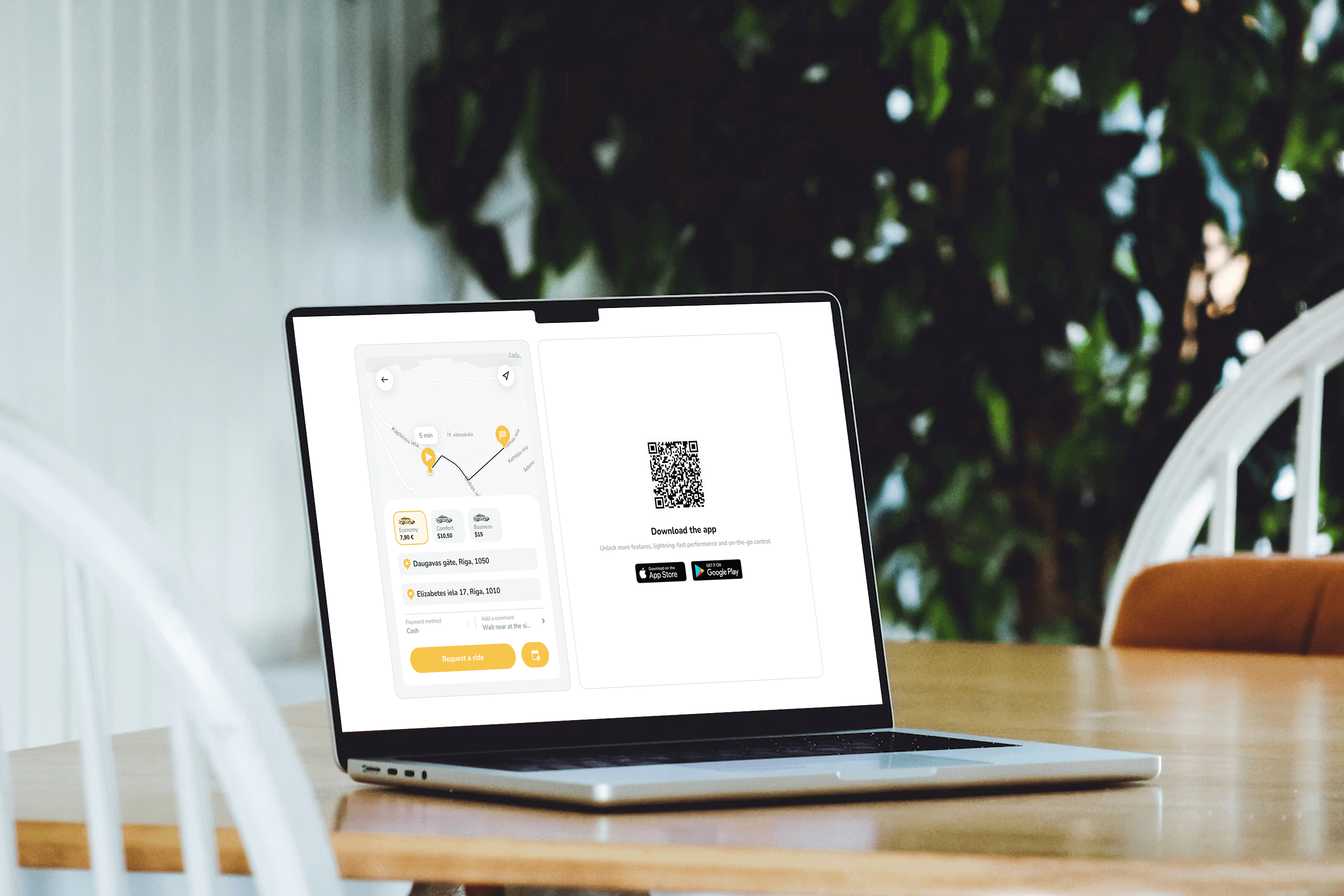
🚕 Web-booker is a lightweight ride-hail widget that lets users book rides directly from a website or mobile browser - no app install required. It reduces booking friction, supports hotel and partner demand, and keeps every ride fully synced with the taxi operator’s app and dashboard.
What if ordering a taxi was as easy as booking a room or clicking “Reserve table” on a website?
Meet Web-booker - a lightweight ride-hail booking widget that lets users request a cab directly from a website, without installing or opening the mobile app.
Perfect for hotels, business centers, event venues, airports, and corporate partners.
👉 Live demo: https://app.atommobility.com/taxi-widget
Web-booker is a browser-based ride-hail widget that operators can embed or link to from any website.
The booking happens on the web, but the ride is fully synchronized with the mobile app and operator dashboard.
No redirects. No app-store friction. No lost users.
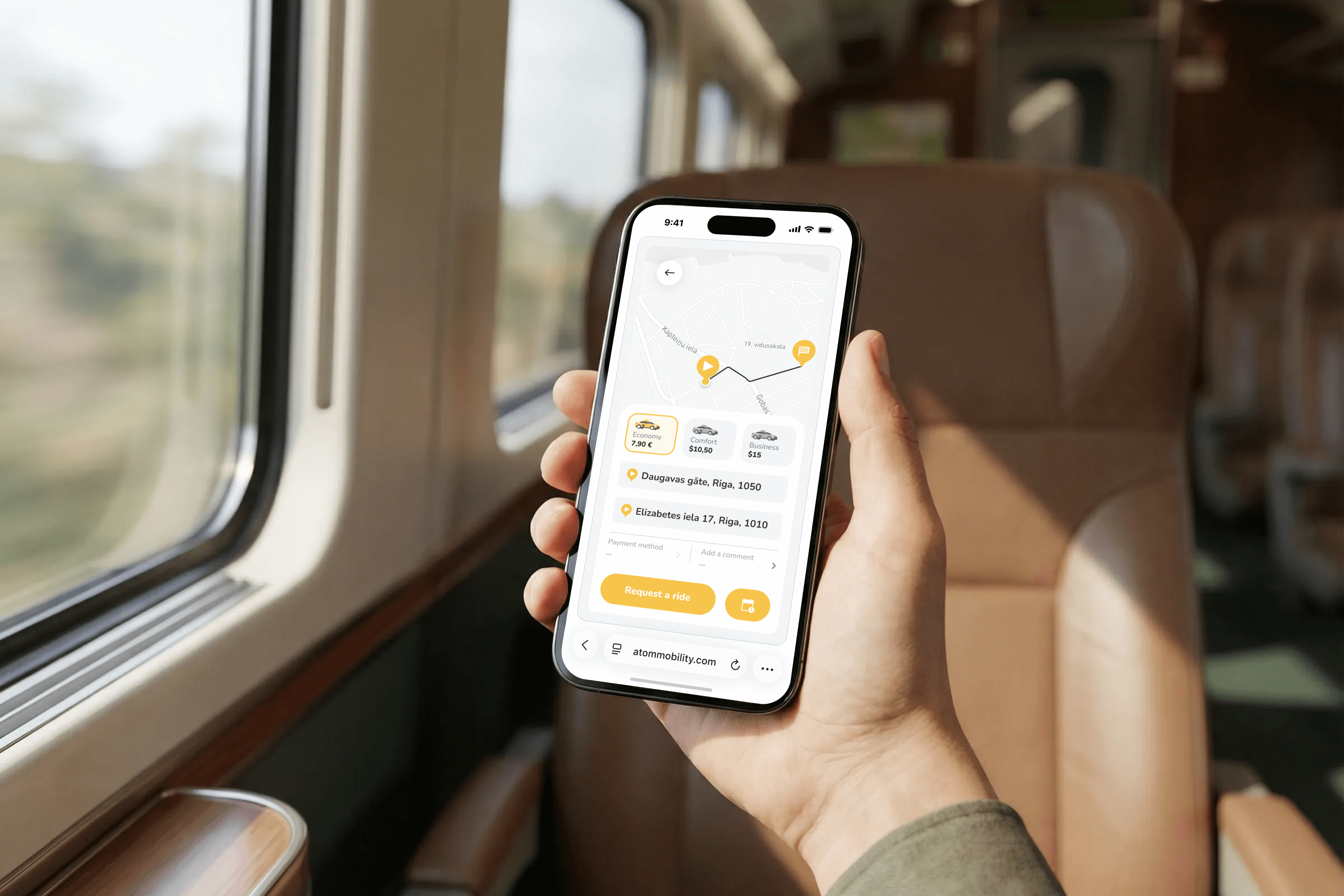
This keeps fraud low while preserving conversion.
Web-booker addresses one of the most common friction points in ride-hailing: users who need a ride now but are not willing to download an app first. By allowing bookings directly from a website, operators can capture high-intent demand at the exact moment it occurs - whether that is on a hotel website, an event page, or a partner landing page.
At the same time, Web-booker makes partnerships with hotels and venues significantly easier. Instead of complex integrations or manual ordering flows, partners can simply place a button or link and immediately enable ride ordering for their guests. Importantly, this approach does not block long-term app growth. The booking flow still promotes the mobile app through QR codes and store links, allowing operators to convert web users into app users over time - without forcing the install upfront.
Web-booker is not designed to replace the mobile app. It extends the acquisition funnel by adding a low-friction entry point, while keeping all bookings fully synchronized with the operator’s app and dashboard.
👉 Try the demo
https://app.atommobility.com/taxi-widget
Want to explore a ride-hail or taxi solution for your business - or migrate to a more flexible platform? Visit: https://www.atommobility.com/products/ride-hailing
Credenziali demo dell'app Driver - Email: test@atom.com, Password: autista

