Dalla visione alla realtà: creazione di un'app personalizzata per taxi white label
June 4, 2024
lettura minima

.jpg)
Il mondo delle app per taxi è in piena espansione, ma l'idea di crearne una da zero può essere scoraggiante.
E se ci fosse un modo più rapido ed economico per lanciare il tuo servizio di ride-hailing?
Inserisci le app di taxi white label.
Queste soluzioni predefinite forniscono una scorciatoia per la tua azienda saltando il lungo e costoso processo di sviluppo del software.
In questa guida, esploreremo i numerosi vantaggi delle app di taxi white label, dai tempi di avvio più rapidi alle funzionalità che ti aiutano ad attirare e fidelizzare i passeggeri. Ti guideremo anche nel processo di costruzione della tua visione, dalla definizione del tuo pubblico di riferimento alla creazione di una proposta di vendita unica.
Perché creare un'app per taxi utilizzando un software white label?
La risposta è semplice: le soluzioni di app per taxi white label aiutano a collegare la tua idea di business alla realtà. Non è necessario creare un'app per i taxi partendo da zero, poiché le soluzioni sono già disponibili, provate e testate e attendono il tuo marchio.
Se non sei ancora sicuro del vantaggi dell'utilizzo di una piattaforma di taxi white label rispetto alla creazione di una propria, considera questi vantaggi:
Le app white label sono predefinite e consentono di avviare il servizio molto più rapidamente e di saltare il lungo e costoso processo di sviluppo personalizzato. Inoltre, tale software per la mobilità viene continuamente aggiornato e sviluppato, in conformità alle normative più recenti e alle richieste degli utenti in mercati specifici.
La creazione di un'app personalizzata richiede un investimento significativo. Soluzioni white label come Mobilità ATOM offrono un'alternativa conveniente, che ti consente di testare e perfezionare il tuo concetto senza spendere troppo.
Una volta che l'app è attiva e funzionante, le piattaforme di app per taxi white label ti aiutano a ridurre i costi operativi automatizzando le attività e aumentando l'efficienza operativa per la tua attività di taxi.
Non lasciarti ingannare dall' "etichetta bianca»: il tuo marchio può rendere unica la tua app per taxi. Una piattaforma white label ti dà la libertà di personalizzare completamente l'aspetto dell'app senza preoccuparti delle complessità tecniche del funzionamento dell'app.
In che modo personalizzi esattamente l'identità del marchio della tua app? È semplice e divertente — inizia aggiungendo il tuo logo, scegliendo la combinazione di colori e creando un testo in-app che corrisponda alla voce del tuo marchio. Pensa a creare un'esperienza utente senza interruzioni che rifletta il tuo concetto unico e sia in sintonia con il tuo pubblico di destinazione.
Le soluzioni white label sono progettate per essere scalabili, consentendoti di aggiungere facilmente funzionalità e soddisfare una base di utenti in crescita. Se scegli di creare la tua app per i taxi con ATOM, otterrai un software di prenotazione e spedizione intuitivo e un potente pannello di amministrazione per gestire autisti, clienti e seguire le statistiche. Con il tempo, potrai espanderti rapidamente verso altri settori verticali aziendali e creare la tua superapp unica, personalizzandola per il tuo marchio.
Sono finiti i giorni in cui si chiamava un taxi o si aspettava. La tua app white label per taxi dovrebbe avere la possibilità di fare un giro in pochi secondi, con funzionalità progettate meticolosamente per essere il più intuitive possibile. Con pochi tocchi, i clienti dovrebbero essere in grado di creare account, prenotare corse e monitorare l'arrivo dell'autista in tempo reale.
Quando si crea un software personalizzato per flotte di taxi, questo livello di praticità e senso di controllo può richiedere anni. Le app per taxi white label hanno perfezionato le loro funzionalità per aumentare la soddisfazione dei clienti e fidelizzarli. In questo modo non dovrai perdere clienti a causa di problemi tecnici o funzionalità lente.
Prima di muovere i primi passi nella creazione della tua app per taxi white label, prenditi un momento per consolidare la tua visione. Cosa avrà di speciale la tua app e chi saranno i suoi utenti target? Questa tabella di marcia guiderà le tue decisioni e garantirà che la tua app soddisfi un'esigenza specifica del mercato.
Prepara un piano che includa aspetti importanti della tua visione, come:
È sicuramente allettante offrire i propri servizi a tutti i tassisti sul mercato, ma in realtà la differenziazione funziona molto meglio. Ti consigliamo di definire un segmento di utenti che sia il pubblico di destinazione principale della tua app per i taxi. Ti concentrerai su studenti attenti al budget, viaggiatori d'affari impegnati o famiglie con bambini piccoli? Scegli una nicchia sufficientemente ampia da essere sostenibile, ma sufficientemente mirata per distinguerti.
Il tuo USP è ciò che differenzierà la tua app. Ad esempio, sei famoso per i veicoli ecologici, le tariffe fisse o ti concentri su aree specifiche? Forse sei un'azienda che accetta bambini e animali domestici e offre extra come seggiolini di diverse dimensioni e cartoni animati a bordo.
È anche importante considerare quali funzionalità dell'app sono fondamentali per la tua azienda. Quali funzionalità dovrebbero assolutamente esserci oltre ad avere un'app per motociclisti, un'app per conducenti e un pannello di amministrazione? Ad esempio, vuoi offrire chat in-app, opzioni di verifica del pilota, opzioni di pagamento multiple, ecc. o altre funzionalità speciali?
Immaginiamo che tu abbia già lanciato la tua app per taxi white label selezionando la piattaforma giusta (come ATOM Mobility), scegliendo il tuo marchio e integrando le funzionalità desiderate. Cosa succederà dopo?
Per garantire un successo a lungo termine, continuo strategie di marketing e acquisizione clienti sono fondamentali per il successo della tua attività di ride-hailing.
Ecco come iniziare a correre:
Conosci i tuoi ciclisti
Sfrutta l'analisi integrata nel tuo software per la flotta di taxi per comprendere il comportamento e le preferenze del ciclista. Ciò ti consente di creare profili utente dettagliati, rappresentazioni dei tuoi clienti ideali. Comprendendo le loro esigenze e abitudini, puoi personalizzare le tue iniziative di marketing per ottenere il massimo impatto.
Acquisizione mirata
Armati dei tuoi profili utente, lancia campagne pubblicitarie mirate su canali pertinenti. Le piattaforme di social media, le pubblicazioni locali e le partnership strategiche con le aziende frequentate dal tuo pubblico di destinazione possono essere strade efficaci per raggiungere potenziali utenti.
Programmi di fidelizzazione per rimanere sempre al primo posto
Attira nuovi clienti con interessanti offerte di lancio e sconti. Dopo averli conquistati, implementa programmi di fidelizzazione che premiano le corse ripetute. Ciò potrebbe includere sistemi di punti per le corse gratuite, diversi abbonamenti con vantaggi esclusivi o programmi di riferimento che incentivano gli utenti esistenti a diffondere la notizia.
Sfruttare il potere delle «offerte»
Non sottovalutare il potere dei codici sconto e delle promozioni. L'uso strategico di questi strumenti può attirare clienti attenti alle offerte e incoraggiarli a provare il tuo servizio.
I migliori software per flotte di taxi, come ATOM Mobility, offrono vari strumenti di marketing, dai programmi di fidelizzazione e referral all'email marketing integrato e alle notifiche push che aiutano a rimanere sempre al primo posto e a riattivare gli utenti.
Il mondo delle app per taxi è pieno di potenziale e le soluzioni white label ti consentono di rivendicare la tua quota.
Se sei pronto a trasformare il tuo sogno in realtà, scegli un software affidabile per la flotta di taxi come ATOM Mobility per eliminare tutti i problemi tecnologici. Invece, puoi concentrarti sul marketing e sulle operazioni e far crescere la tua attività con possibilità illimitate.
Contattate ATOM Mobility oggi stesso per una consulenza gratuita e scoprite come possiamo trasformare la vostra visione in una fiorente attività di ride-hailing.
Fai clic qui sotto per saperne di più o richiedere una demo.

The micromobility industry doesn’t need another generic mobility conference. 🚫🎤 It needs real conversations between operators who are actually in the field. ⚙️ That’s exactly what ATOM Connect 2026 is built for. 🎯🤝
The shared mobility industry is evolving rapidly. Operators are navigating scaling challenges, regulatory complexity, hardware decisions, fleet optimization, and new integration models, all while aiming for sustainable growth.
That’s exactly why ATOM Mobility is organizing ATOM Connect 2026.
Our previous edition of ATOM Connect brought together professionals from the car sharing and rental industry for focused, high-quality discussions and networking. This year, we are narrowing the focus and dedicating the entire event to one fast-moving segment of the industry: shared micromobility.
ATOM Connect 2026 is designed specifically for operators, partners, and decision-makers working in shared micromobility. It is not a broad mobility conference or a public exhibition. It is a curated space for industry professionals to exchange practical experience, insights, and lessons learned.
On May 14th, 2026 in Riga, we will once again bring the community together, this time with a clear focus on micromobility.
This year’s agenda will address the real operational and strategic questions shaping shared micromobility today:
As usual, we aim to host both local and international operators from smaller, fast-growing fleets to established large-scale players alongside hardware providers and ecosystem partners.
On stage, you’ll hear from leading shared mobility companies - including Segway on hardware partnerships, Umob on MaaS integration, Anadue on data-driven fleet intelligence, Elerent on multi-vehicle operational realities and more insightful discussions.
The goal is simple: meaningful discussions with people who understand the operational realities of the industry.
ATOM Connect is free to attend, but participation is industry-focused (each submission is manually reviewed and verified). We are intentionally keeping the audience relevant and aligned to ensure high-quality conversations and valuable networking.
If you work in shared micromobility and would like to join the event, you can find the full agenda and register here:
👉 https://www.atommobility.com/atom-connect-2026
In the coming weeks, we will be revealing more speakers and additional agenda updates. We look forward to bringing the industry together again.
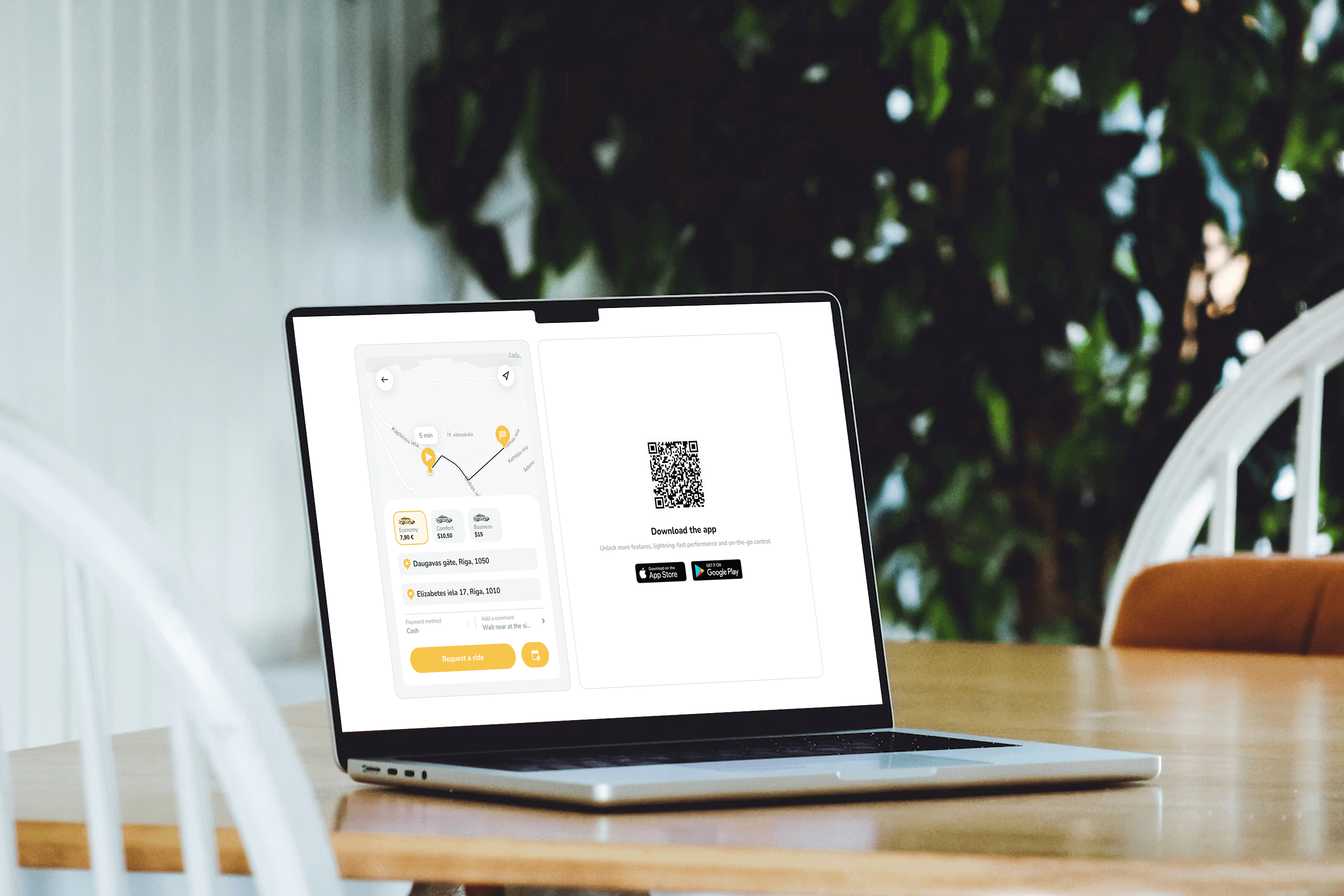
🚕 Web-booker is a lightweight ride-hail widget that lets users book rides directly from a website or mobile browser - no app install required. It reduces booking friction, supports hotel and partner demand, and keeps every ride fully synced with the taxi operator’s app and dashboard.
What if ordering a taxi was as easy as booking a room or clicking “Reserve table” on a website?
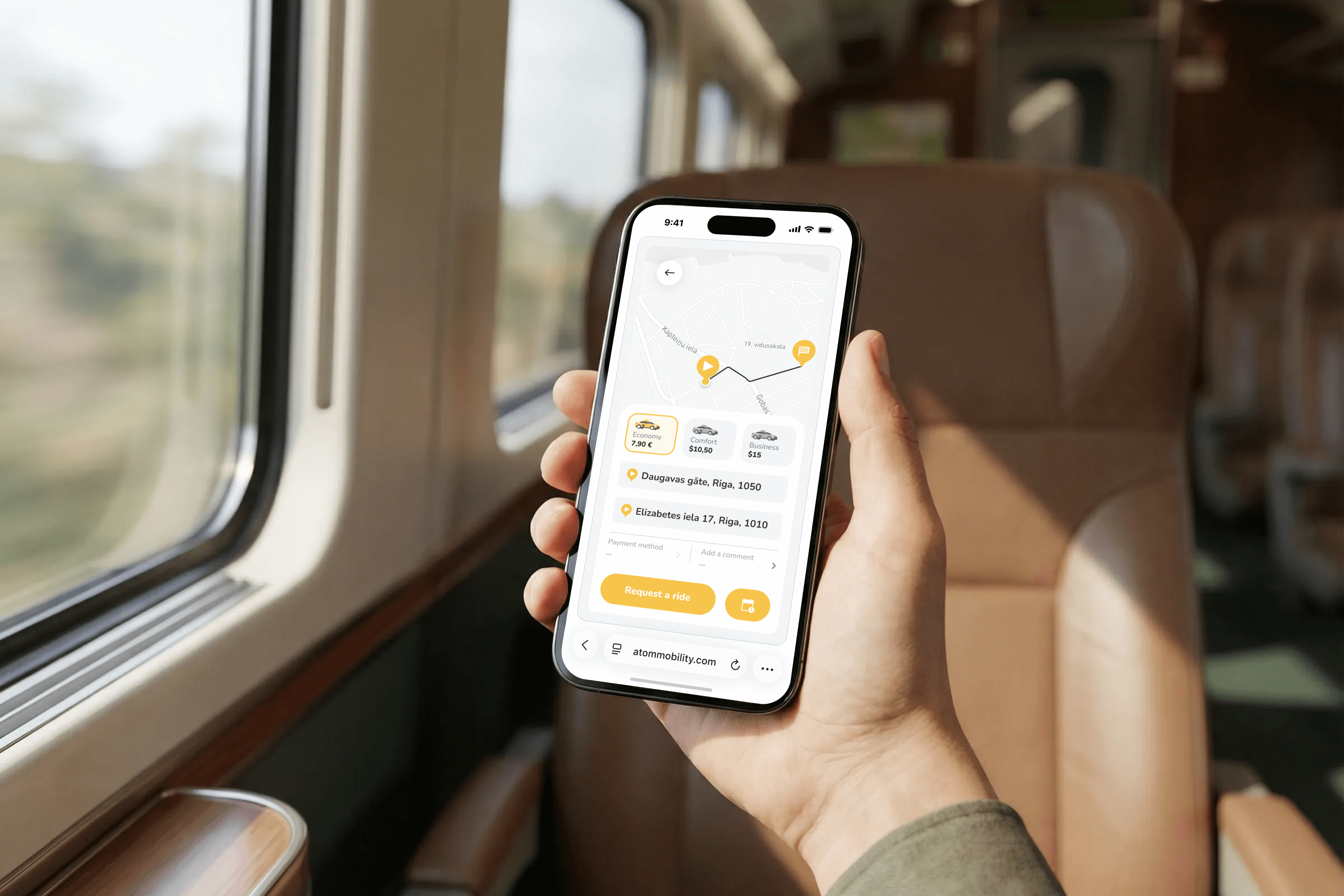
Meet Web-booker - a lightweight ride-hail booking widget that lets users request a cab directly from a website, without installing or opening the mobile app.
Perfect for hotels, business centers, event venues, airports, and corporate partners.
👉 Live demo: https://app.atommobility.com/taxi-widget
Web-booker is a browser-based ride-hail widget that operators can embed or link to from any website.
The booking happens on the web, but the ride is fully synchronized with the mobile app and operator dashboard.
No redirects. No app-store friction. No lost users.
This keeps fraud low while preserving conversion.
Web-booker addresses one of the most common friction points in ride-hailing: users who need a ride now but are not willing to download an app first. By allowing bookings directly from a website, operators can capture high-intent demand at the exact moment it occurs - whether that is on a hotel website, an event page, or a partner landing page.
At the same time, Web-booker makes partnerships with hotels and venues significantly easier. Instead of complex integrations or manual ordering flows, partners can simply place a button or link and immediately enable ride ordering for their guests. Importantly, this approach does not block long-term app growth. The booking flow still promotes the mobile app through QR codes and store links, allowing operators to convert web users into app users over time - without forcing the install upfront.
Web-booker is not designed to replace the mobile app. It extends the acquisition funnel by adding a low-friction entry point, while keeping all bookings fully synchronized with the operator’s app and dashboard.
👉 Try the demo
https://app.atommobility.com/taxi-widget
Want to explore a ride-hail or taxi solution for your business - or migrate to a more flexible platform? Visit: https://www.atommobility.com/products/ride-hailing
Credenziali demo dell'app Driver - Email: test@atom.com, Password: autista

