Noleggio auto tradizionale vs car sharing peer-to-peer vs car sharing su richiesta
November 22, 2023
lettura minima


Con la crescente domanda di mobilità condivisa, abbiamo visto diversi modelli di business nel mercato automobilistico: noleggio auto tradizionale, car sharing peer-to-peere car sharing su richiesta.
In questo post del blog, confronteremo questi modelli di business. Esamineremo le società di autonoleggio tradizionali affermate e come si confrontano con i più recenti servizi peer-to-peer e on-demand. Esploreremo la situazione finanziaria di queste aziende e faremo alcune previsioni sul loro possibile futuro.
Le tradizionali società di autonoleggio come Hertz, Enterprise e Avis operano possedendo o noleggiando le proprie flotte di veicoli. Di solito hanno uffici di noleggio e parcheggi in posizioni strategiche come aeroporti e centri città. I clienti che desiderano noleggiare un'auto effettuano le prenotazioni tramite i siti Web dell'azienda, le app mobili o per telefono. In genere, i clienti pagano una tariffa giornaliera o settimanale, oltre a costi aggiuntivi per il chilometraggio e servizi opzionali come l'assicurazione.
Avis è stata fondata nel 1946 a Detroit e si è rapidamente affermata come uno dei principali attori nel mercato del noleggio auto. Avis è nota soprattutto per la sua»Ci impegniamo di più«slogan, introdotto negli anni '60 e diventato un simbolo dell'impegno dell'azienda nel servizio clienti. Nel corso degli anni, Avis ha ampliato le sue operazioni a livello globale.
Avis ha registrato un ottimo secondo trimestre nel 2023. Hanno registrato un fatturato di 3,1 miliardi di dollari, con un utile netto di 436 milioni di dollari. L'azienda ha registrato un aumento dell'utilizzo rispetto allo stesso periodo del 2022, raggiungendo il 70,5%. Avis ha ottenuto risultati migliori del previsto anche a Wall Street, con utili di 11,01 dollari per azione, superando i 9,79 dollari stimati.
Alla fine del secondo trimestre del 2023, Avis aveva circa 1,1 miliardi di dollari di liquidità e altri 1,1 miliardi di dollari per il finanziamento della flotta. Il CEO di Avis, Joe Ferraro, ha attribuito gli ottimi risultati alla capacità dell'azienda di capitalizzare la crescente domanda di viaggi, in particolare durante l'intensa stagione estiva.
Hertz è stata fondata nel 1918 a Chicago. Nel corso degli anni, Hertz è diventato un marchio globale, che serve sia il settore dei viaggi di piacere che quelli dei viaggi d'affari. Nonostante i vari passaggi di proprietà, ha mantenuto una forte presenza nel mercato del noleggio auto.
Anche Hertz segnalato un secondo trimestre in buona salute nel 2023. Hanno realizzato un fatturato di 2,4 miliardi di dollari, principalmente a causa dell'elevata domanda: il volume dei noleggi è aumentato del 12% rispetto all'anno precedente e la loro flotta media è cresciuta del 9%.
Ogni veicolo ha incassato in media 1.516 dollari al mese durante il trimestre, grazie a un tasso di utilizzo dell'82%, superiore di 230 punti base rispetto al secondo trimestre del 2022. Al 30 giugno 2023, Hertz aveva 1,4 miliardi di dollari di liquidità, con 682 milioni di dollari in liquidità illimitata. Nel complesso, anche i vecchi rivali di Avis, Hertz, stanno andando abbastanza bene.
Il car sharing peer-to-peer consente ai proprietari di veicoli privati di offrire le proprie auto a noleggio tramite piattaforme come Turo e Getaround. I veicoli sono distribuiti in vari quartieri e aree residenziali, offrendo un sistema decentralizzato e più flessibile. I clienti possono utilizzare queste piattaforme per trovare e prenotare i veicoli che preferiscono.

Turo, fondata nel 2009, è nata come RelayRides ed è stata successivamente rinominata. Turo offre una piattaforma online che consente ai singoli proprietari di auto di noleggiare i propri veicoli ad altre persone quando non li utilizzano. L'azienda offre un marketplace in cui le persone possono elencare le proprie auto a noleggio e gli affittuari possono cercare e prenotare veicoli per un uso a breve termine.
Turo ha guadagnato popolarità come alternativa più flessibile e spesso conveniente ai tradizionali servizi di autonoleggio. Consente ai proprietari di auto di monetizzare i propri veicoli quando non sono in uso e offre agli affittuari un'ampia selezione di auto tra cui scegliere.
Turo, valutato 1,2 miliardi di dollari nel 2019, ha visto dati finanziari promettenti. Nel 2022, hanno guadagnato 746,59 milioni di dollari, in aumento del 59% rispetto all'anno precedente, con 320.000 inserzioni di veicoli. Sono passati da perdite sostanziali nel 2019 e nel 2020 a un utile netto di 154,66 milioni di dollari nel 2022.
Turo ha anche ampliato il suo mercato, coinvolgendo 160.000 proprietari di auto attivi e 2,9 milioni di motociclisti in tutto il mondo entro la fine del 2022. Tuttavia, secondo la loro dichiarazione S-1, prevedono un aumento delle spese in futuro, il che potrebbe mettere a rischio la loro redditività.
Turo ha presentato domanda per un'IPO sul Nasdaq nel 2022 ma non ha proceduto. I piani di IPO sono stati ritardati, probabilmente a causa di sfide come la crisi tecnologica del 2022. Tuttavia, recentemente, Turo rianimato il suo piano di diventare pubblico e potrebbe quotare le loro azioni nell'autunno del 2023.
Getaround è un'altra popolare piattaforma di car sharing peer-to-peer che consente alle persone di noleggiare i propri veicoli personali ad altri quando non li utilizzano. Viene spesso definita «l'Airbnb delle auto». Introdotto nel 2011, è attualmente accessibile in oltre 1.000 città degli Stati Uniti e in Europa.
Nel 2022, Getaround ha guadagnato 62,3 milioni di dollari di entrate. Tuttavia, essi ha registrato un EBITDA di -25,0 milioni di dollari, indicando che le sue spese operative hanno superato i suoi utili. Nel complesso, la società ha registrato una perdita netta di -46,8 milioni di dollari per l'anno. Il patrimonio totale di Getaround è stato valutato a 217,1 milioni di dollari.
Durante il suo debutto sul mercato pubblico nel 2022, Getaround ha assistito a diminuzione significativa del valore delle sue azioni, crollando fino al 65%.
Nel marzo 2023, l'azienda ha ottenuto un avviso dalla Borsa di New York affermando che non soddisfaceva i requisiti. Ciò è dovuto al fatto che la loro capitalizzazione di mercato globale media in 30 giorni di negoziazione consecutivi è scesa al di sotto dei 50 milioni di dollari e anche il patrimonio netto dichiarato era inferiore a 50 milioni di dollari.
Nel complesso, i problemi del mercato azionario e le finanze deboli di Getaround rendono il loro futuro incerto per ora.

I servizi di car sharing on-demand come Zipcar e Share Now (ex Car2Go) gestiscono le proprie flotte, che sono parcheggiate in tutte le città in punti designati o per le strade. I clienti possono accedere a questi veicoli in tempo reale utilizzando app mobili. La struttura dei prezzi di solito include carburante, manutenzione e assicurazione.
Share Now, una società tedesca di car sharing nata dalla fusione di Car2Go e DriveNow, opera ora come filiale della divisione Free2Move di Stellantis, offrendo servizi di car sharing nelle aree urbane europee. Ha oltre quattro milioni di membri registrati e una flotta di oltre 14.000 veicoli in 18 città europee.
Alla fine del 2019, ShareNow ha annunciato la chiusura delle sue attività in Nord America a causa della concorrenza, dell'aumento dei costi operativi e del supporto limitato per i veicoli elettrici. Anche il servizio a Londra, Bruxelles e Firenze è stato interrotto.
Il 3 maggio 2022, Share Now è stata acquisita da Stellantis, con la proprietà ora gestita dalla controllata di Stellantis Free2Move, a seguito della chiusura dell'acquisizione il 18 luglio 2022.
CityBee, fondata nel 2012 in Lituania, è nata come servizio di car sharing rivolto principalmente alle imprese. Ora opera in tutta la regione baltica. I clienti possono scegliere tra una varietà di veicoli, tra cui auto, furgoni, biciclette e scooter elettrici. La flotta comprende anche auto elettriche e ibride. CityBee si occupa dell'assicurazione, del carburante e delle tariffe di parcheggio nelle aree CityBee.
Nel 2022, CityBee ha registrato un fatturato di 33.168.028 euro, leggermente in calo rispetto ai 39.814.173 euro dell'anno precedente. Tuttavia, la redditività della società è aumentata, con un utile ante imposte di 2.193.820 euro, un aumento sostanziale rispetto ai 968.722 euro del 2021. Ciò ha comportato anche un margine di profitto più elevato del 6,61% nel 2022, rispetto al 2,43% nel 2021.
CityBee ha visto il suo utile netto salire a 1.857.517 euro nel 2022, un aumento sostanziale rispetto agli 876.986 euro del 2021. Anche il capitale azionario della società è cresciuto fino a 4.688.176 euro, indicando una base finanziaria più solida. CityBee dimostra che il car sharing su richiesta può avere successo con il giusto approccio nel mercato giusto.

Il mercato della mobilità automobilistica condivisa è sufficientemente ampio da consentire la coesistenza di diverse soluzioni, in particolare per quanto riguarda i costi di proprietà dell'auto salendo. Aziende come Hertz e Avis dimostrano che il modello di noleggio tradizionale rimane pertinente e ha un potenziale di profitto significativo.
Nonostante le difficoltà finanziarie, il car sharing peer-to-peer e il car sharing su richiesta stanno attirando una nuova base di clienti. Il car sharing peer-to-peer offre un tocco più personale, consentendo alle persone di noleggiare i propri veicoli. I servizi di car sharing su richiesta sono un'ottima soluzione per i residenti urbani, poiché offrono un rapido accesso ai veicoli con pagamento in base al consumo.
Sebbene la posizione dei tradizionali giganti del noleggio auto possa sembrare incrollabile, si tratta di un mercato in rapida evoluzione. Le storie di successo regionali, come CityBee, dimostrano sicuramente che gli sfidanti non dormono.
Se possiedi una flotta, gestisci un'attività di autonoleggio o stai cercando di entrarne in una, ATOM Mobility può fornirti un suite software end-to-end questo ti metterà molto avanti rispetto alla concorrenza.
Fai clic qui sotto per saperne di più o richiedere una demo.

The micromobility industry doesn’t need another generic mobility conference. 🚫🎤 It needs real conversations between operators who are actually in the field. ⚙️ That’s exactly what ATOM Connect 2026 is built for. 🎯🤝
The shared mobility industry is evolving rapidly. Operators are navigating scaling challenges, regulatory complexity, hardware decisions, fleet optimization, and new integration models, all while aiming for sustainable growth.
That’s exactly why ATOM Mobility is organizing ATOM Connect 2026.
Our previous edition of ATOM Connect brought together professionals from the car sharing and rental industry for focused, high-quality discussions and networking. This year, we are narrowing the focus and dedicating the entire event to one fast-moving segment of the industry: shared micromobility.
ATOM Connect 2026 is designed specifically for operators, partners, and decision-makers working in shared micromobility. It is not a broad mobility conference or a public exhibition. It is a curated space for industry professionals to exchange practical experience, insights, and lessons learned.
On May 14th, 2026 in Riga, we will once again bring the community together, this time with a clear focus on micromobility.
This year’s agenda will address the real operational and strategic questions shaping shared micromobility today:
As usual, we aim to host both local and international operators from smaller, fast-growing fleets to established large-scale players alongside hardware providers and ecosystem partners.
On stage, you’ll hear from leading shared mobility companies - including Segway on hardware partnerships, Umob on MaaS integration, Anadue on data-driven fleet intelligence, Elerent on multi-vehicle operational realities and more insightful discussions.
The goal is simple: meaningful discussions with people who understand the operational realities of the industry.
ATOM Connect is free to attend, but participation is industry-focused (each submission is manually reviewed and verified). We are intentionally keeping the audience relevant and aligned to ensure high-quality conversations and valuable networking.
If you work in shared micromobility and would like to join the event, you can find the full agenda and register here:
👉 https://www.atommobility.com/atom-connect-2026
In the coming weeks, we will be revealing more speakers and additional agenda updates. We look forward to bringing the industry together again.
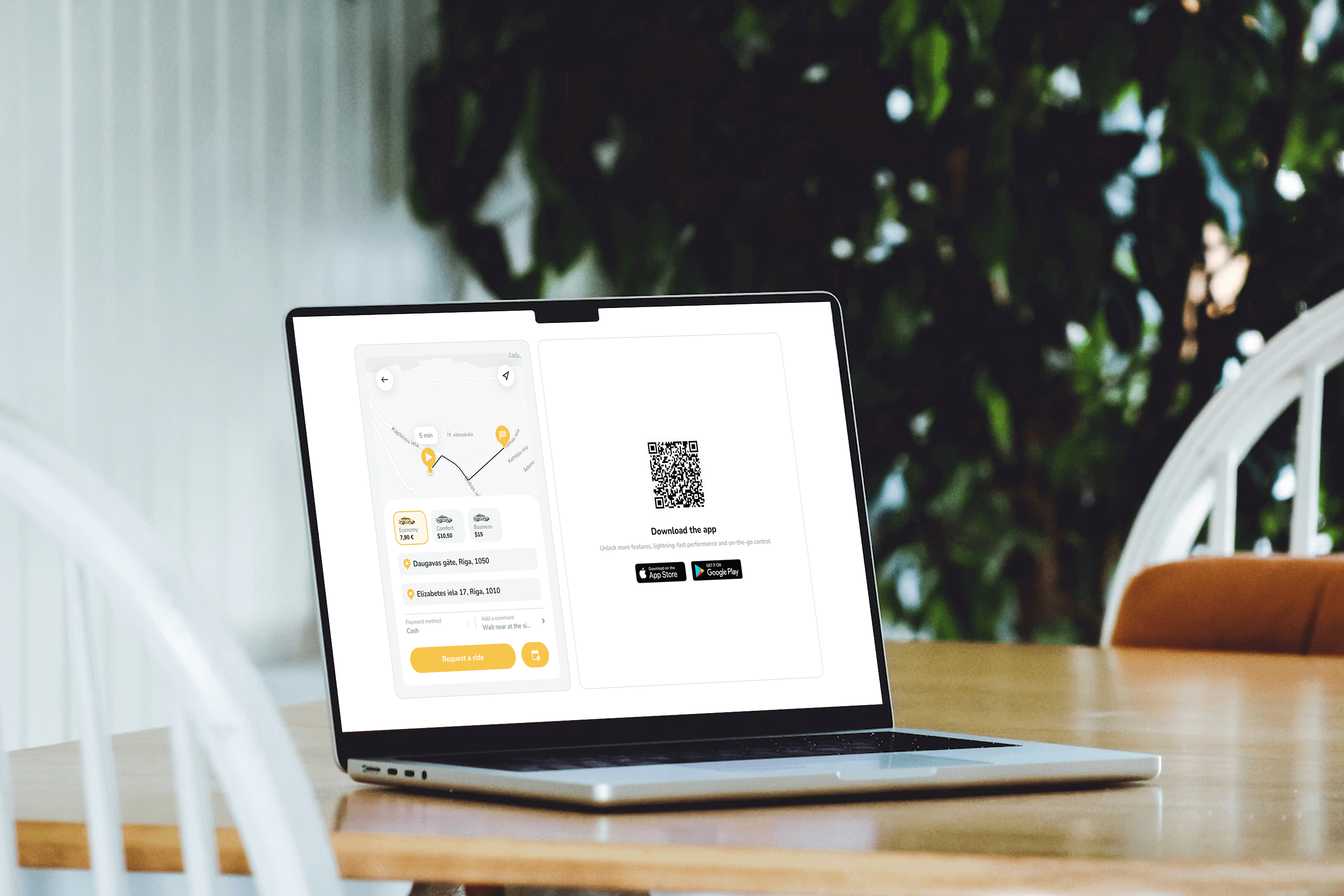
🚕 Web-booker is a lightweight ride-hail widget that lets users book rides directly from a website or mobile browser - no app install required. It reduces booking friction, supports hotel and partner demand, and keeps every ride fully synced with the taxi operator’s app and dashboard.
What if ordering a taxi was as easy as booking a room or clicking “Reserve table” on a website?
Meet Web-booker - a lightweight ride-hail booking widget that lets users request a cab directly from a website, without installing or opening the mobile app.
Perfect for hotels, business centers, event venues, airports, and corporate partners.
👉 Live demo: https://app.atommobility.com/taxi-widget
Web-booker is a browser-based ride-hail widget that operators can embed or link to from any website.
The booking happens on the web, but the ride is fully synchronized with the mobile app and operator dashboard.
No redirects. No app-store friction. No lost users.
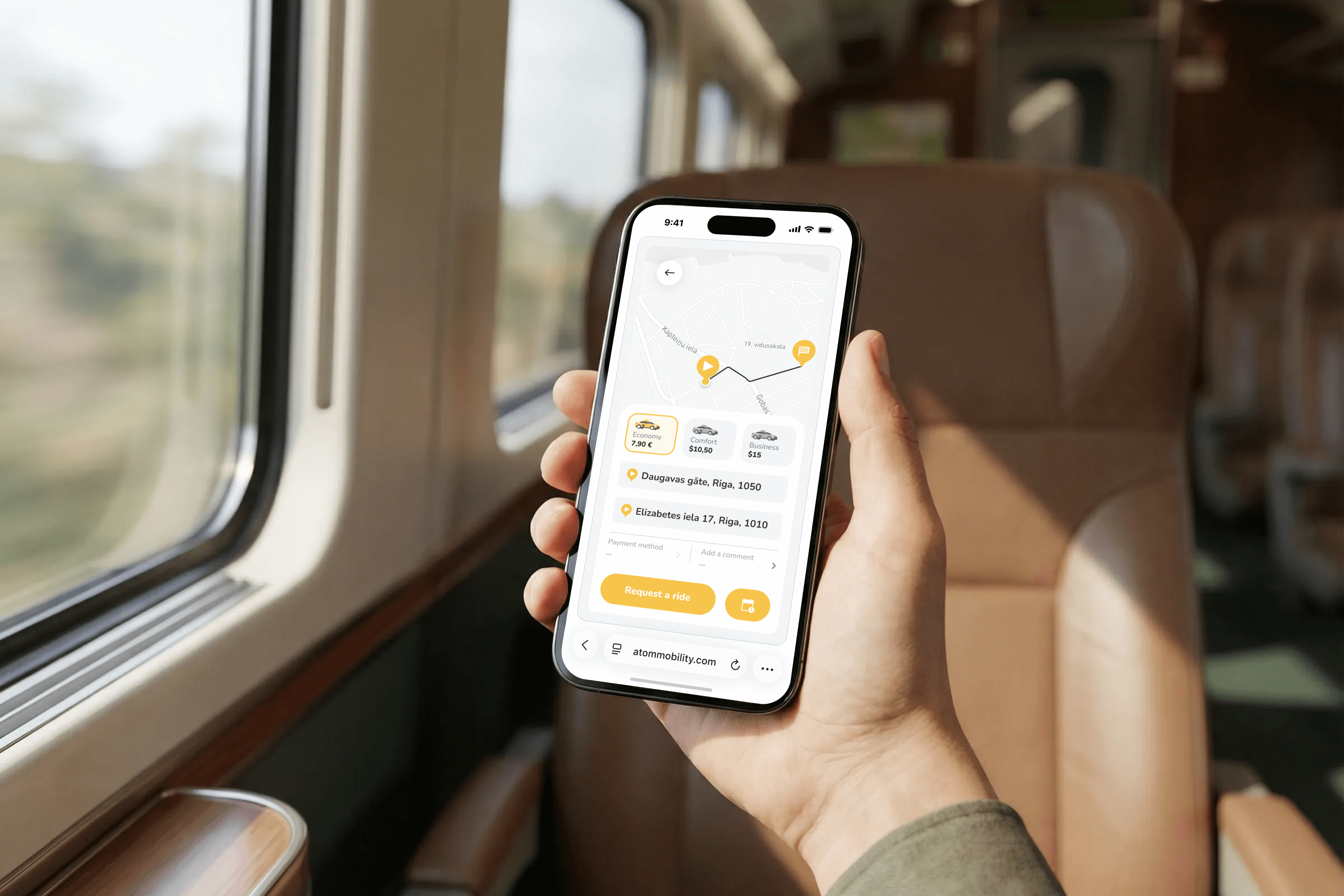
This keeps fraud low while preserving conversion.
Web-booker addresses one of the most common friction points in ride-hailing: users who need a ride now but are not willing to download an app first. By allowing bookings directly from a website, operators can capture high-intent demand at the exact moment it occurs - whether that is on a hotel website, an event page, or a partner landing page.
At the same time, Web-booker makes partnerships with hotels and venues significantly easier. Instead of complex integrations or manual ordering flows, partners can simply place a button or link and immediately enable ride ordering for their guests. Importantly, this approach does not block long-term app growth. The booking flow still promotes the mobile app through QR codes and store links, allowing operators to convert web users into app users over time - without forcing the install upfront.
Web-booker is not designed to replace the mobile app. It extends the acquisition funnel by adding a low-friction entry point, while keeping all bookings fully synchronized with the operator’s app and dashboard.
👉 Try the demo
https://app.atommobility.com/taxi-widget
Want to explore a ride-hail or taxi solution for your business - or migrate to a more flexible platform? Visit: https://www.atommobility.com/products/ride-hailing
Credenziali demo dell'app Driver - Email: test@atom.com, Password: autista

