تأجير السيارات التقليدي مقابل نظير إلى نظير مقابل مشاركة السيارات عند الطلب
22/11/2023
الحد الأدنى للقراءة


مع الطلب المتزايد على التنقل المشترك، رأينا نماذج أعمال مختلفة في سوق السيارات: تأجير السيارات التقليدي، مشاركة السيارة من نظير إلى نظير، ومشاركة السيارة عند الطلب.
في منشور المدونة هذا، سنقارن نماذج الأعمال هذه. سنلقي نظرة على شركات تأجير السيارات التقليدية الراسخة وكيفية مواجهتها للخدمات الأحدث من نظير إلى نظير وعند الطلب. سنستكشف كيف تعمل هذه الشركات من الناحية المالية - ونقوم ببعض التنبؤات حول مستقبلها المحتمل.
تعمل شركات تأجير السيارات التقليدية مثل Hertz و Enterprise و Avis من خلال امتلاك أو تأجير أساطيل المركبات الخاصة بها. عادة ما يكون لديهم مكاتب تأجير ومواقف للسيارات في مواقع استراتيجية مثل المطارات ومراكز المدن. يقوم العملاء الذين يتطلعون إلى استئجار سيارة بإجراء الحجوزات من خلال مواقع الشركة أو تطبيقات الأجهزة المحمولة أو عبر الهاتف. عادةً ما يدفع العملاء سعرًا يوميًا أو أسبوعيًا، بالإضافة إلى التكاليف الإضافية للأميال والخدمات الاختيارية مثل التأمين.
تأسست Avis في عام 1946 في ديترويت، وسرعان ما أثبتت نفسها كلاعب رئيسي في سوق تأجير السيارات. تشتهر شركة Avis بـ»نحن نحاول بجد«الشعار، الذي تم تقديمه في الستينيات وأصبح رمزًا لالتزام الشركة بخدمة العملاء. على مر السنين، وسعت Avis عملياتها على مستوى العالم.
حققت شركة Avis أداءً قويًا في الربع الثاني في عام 2023. لقد سجلوا 3.1 مليار دولار من الإيرادات، مع صافي دخل قدره 436 مليون دولار. شهدت الشركة زيادة في الاستخدام مقارنة بالفترة نفسها من عام 2022، لتصل إلى 70.5٪. كان أداء Avis أيضًا أفضل من المتوقع في وول ستريت، حيث بلغت الأرباح 11.01 دولارًا للسهم - متجاوزة المبلغ المقدر بـ 9.79 دولارًا.
في نهاية الربع الثاني من عام 2023، كان لدى Avis حوالي 1.1 مليار دولار من السيولة و 1.1 مليار دولار إضافية لتمويل الأسطول. وعزا جو فيرارو، الرئيس التنفيذي لشركة Avis، النتائج القوية إلى قدرة الشركة على الاستفادة من الطلب المتزايد على السفر، لا سيما خلال موسم الصيف المزدحم.
تأسست شركة Hertz في عام 1918 في شيكاغو. على مر السنين، نمت Hertz لتصبح علامة تجارية عالمية تخدم كلا من قطاعي الترفيه والسفر التجاري. على الرغم من التغييرات المختلفة في الملكية، فقد حافظت على حضور قوي في سوق تأجير السيارات.
هيرتز أيضًا المبلغ عنها الربع الثاني الصحي في عام 2023. لقد حققوا إيرادات بقيمة 2.4 مليار دولار، ويرجع ذلك أساسًا إلى ارتفاع الطلب - ارتفع حجم الإيجار بنسبة 12٪ مقارنة بالعام السابق، ونما متوسط أسطولهم بنسبة 9٪.
حققت كل سيارة ما متوسطه 1516 دولارًا شهريًا خلال الربع، وذلك بفضل معدل الاستخدام البالغ 82٪، والذي كان أعلى بـ 230 نقطة أساس عن الربع الثاني من عام 2022. اعتبارًا من 30 يونيو 2023، كان لدى Hertz 1.4 مليار دولار من السيولة، مع 682 مليون دولار نقدًا غير مقيد. بشكل عام، يقوم منافس Avis القديم Hertz بعمل جيد أيضًا.
تتيح مشاركة السيارات من نظير إلى نظير لمالكي المركبات الخاصة عرض سياراتهم للإيجار من خلال منصات مثل Turo و Getaround. يتم توزيع المركبات عبر مختلف الأحياء والمناطق السكنية، مما يوفر نظامًا لامركزيًا وأكثر مرونة. يمكن للعملاء استخدام هذه المنصات للعثور على المركبات التي يختارونها وحجزها.

تأسست Turo في عام 2009، وبدأت باسم RelayRides وتم تغيير علامتها التجارية لاحقًا. تقدم Turo منصة عبر الإنترنت تسمح لأصحاب السيارات الفردية بتأجير سياراتهم لأشخاص آخرين عندما لا يستخدمونها. توفر الشركة سوقًا حيث يمكن للأشخاص إدراج سياراتهم للإيجار، ويمكن للمستأجرين البحث عن المركبات وحجزها للاستخدام قصير الأجل.
اكتسبت Turo شعبية كبديل أكثر مرونة وفعالية من حيث التكلفة في كثير من الأحيان لخدمات تأجير السيارات التقليدية. يسمح لأصحاب السيارات باستثمار سياراتهم عندما لا تكون قيد الاستخدام ويوفر للمستأجرين مجموعة واسعة من السيارات للاختيار من بينها.
شهدت شركة تورو، التي بلغت قيمتها 1.2 مليار دولار في عام 2019، البيانات المالية الواعدة. في عام 2022، حصلوا على 746.59 مليون دولار، بزيادة 59٪ عن العام السابق، مع إدراج 320،000 مركبة. لقد انتقلوا من خسائر كبيرة في 2019 و 2020 إلى دخل صاف قدره 154.66 مليون دولار في عام 2022.
قامت Turo أيضًا بتنمية سوقها، حيث تفاعلت مع 160 ألف مالك سيارة نشط و 2.9 مليون راكب حول العالم بحلول نهاية عام 2022. ومع ذلك، وفقًا لملف S-1 الخاص بهم، فإنهم يتوقعون زيادة النفقات في المستقبل، مما قد يتحدى ربحيتهم.
تقدمت تورو بطلب للاكتتاب العام في بورصة ناسداك في عام 2022 لكنها لم تمضي قدمًا. تم تأجيل خطط الاكتتاب العام، على الأرجح بسبب تحديات مثل الانكماش التكنولوجي لعام 2022. ومع ذلك، في الآونة الأخيرة، تورو أحيا خطتها للاكتتاب العام ويمكنها إدراج أسهمها في خريف عام 2023.
Getaround هي منصة شائعة أخرى لمشاركة السيارات من نظير إلى نظير تسمح للأفراد بتأجير سياراتهم الشخصية للآخرين عندما لا يستخدمونها. غالبًا ما يشار إليها باسم «Airbnb للسيارات». تم تقديمه في عام 2011، وهو متاح حاليًا في أكثر من 1000 مدينة في الولايات المتحدة وأوروبا.
في عام 2022، حققت Getaround إيرادات قدرها 62.3 مليون دولار. ومع ذلك، فهم سجلت أرباحًا قبل الفوائد والضرائب والاستهلاك وإطفاء الدين بلغت - 25.0 مليون دولار، مما يشير إلى أن نفقاتها التشغيلية تجاوزت أرباحها. بشكل عام، شهدت الشركة خسارة صافية قدرها - 46.8 مليون دولار لهذا العام. بلغت قيمة إجمالي أصول Getaround 217.1 مليون دولار.
خلال ظهورها لأول مرة في السوق العام في عام 2022، شهدت Getaround انخفاض كبير في قيمة أسهمها، حيث انخفضت بنسبة تصل إلى 65%.
في مارس 2023، حصلت الشركة على اخطار من بورصة نيويورك قائلة إنها لم تستوف المتطلبات. ويرجع ذلك إلى انخفاض متوسط القيمة السوقية العالمية على مدى 30 يوم تداول متتاليًا إلى أقل من 50 مليون دولار، كما كانت حقوق المساهمين المُبلغ عنها أقل من 50 مليون دولار.
بشكل عام، فإن مشاكل سوق الأسهم في Getaround وضعف التمويل تجعل مستقبلها غير مؤكد في الوقت الحالي.

تحافظ خدمات مشاركة السيارات عند الطلب مثل Zipcar و Share Now (المعروفة سابقًا باسم Car2Go) على أساطيلها الخاصة، والتي يتم إيقافها في جميع أنحاء المدن في أماكن مخصصة أو في الشوارع. يمكن للعملاء الوصول إلى هذه المركبات في الوقت الفعلي باستخدام تطبيقات الهاتف المحمول. عادة ما يتضمن هيكل التسعير الوقود والصيانة والتأمين.
Share Now، وهي شركة ألمانية لمشاركة السيارات ولدت من اندماج Car2Go و DriveNow، تعمل الآن كشركة تابعة لقسم Free2Move التابع لشركة Stellantis، حيث تقدم خدمات مشاركة السيارات في المناطق الحضرية الأوروبية. لديها أكثر من أربعة ملايين عضو مسجل وأسطول يضم أكثر من 14,000 مركبة عبر 18 مدينة أوروبية.
في أواخر عام 2019، أعلنت ShareNow عن إغلاق عملياتها في أمريكا الشمالية بسبب المنافسة وزيادة التكاليف التشغيلية والدعم المحدود للسيارات الكهربائية. كما تم إيقاف الخدمة في لندن وبروكسل وفلورنسا.
في 3 مايو 2022، استحوذت Stellantis على Share Now، وتدير الملكية الآن شركة Free2Move التابعة لشركة Stellantis، بعد إغلاق عملية الاستحواذ في 18 يوليو 2022.
بدأت CityBee، التي تأسست في عام 2012 في ليتوانيا، كخدمة مشاركة سيارات تستهدف بشكل أساسي الشركات. تعمل الآن في منطقة البلطيق بأكملها. يمكن للعملاء الاختيار من بين مجموعة متنوعة من المركبات، بما في ذلك السيارات والشاحنات الصغيرة والدراجات والدراجات البخارية الكهربائية. يشمل الأسطول أيضًا سيارات كهربائية وهجينة. تهتم CityBee برسوم التأمين والوقود ومواقف السيارات في مناطق CityBee.
في عام 2022، سجلت CityBee إيرادات مبيعات قدرها 33,168,028 يورو، بانخفاض طفيف عن العام السابق البالغ 39,814,173 يورو. ومع ذلك، ارتفعت ربحية الشركة، حيث بلغت الأرباح قبل الضرائب 2,193,820 يورو - بزيادة كبيرة عن 968,722 يورو في عام 2021. وقد أدى ذلك أيضًا إلى ارتفاع هامش الربح بنسبة 6.61٪ في عام 2022، مقارنة بـ 2.43٪ في عام 2021.
شهدت CityBee ارتفاع صافي أرباحها إلى 1,857,517 يورو في عام 2022، بزيادة كبيرة عن 876,986 يورو في عام 2021. كما نما رأس مال الشركة إلى 4,688,176 يورو، مما يشير إلى أساس مالي أقوى. يُظهر CityBee أن مشاركة السيارات عند الطلب يمكن أن تنجح من خلال النهج الصحيح في السوق المناسب.

يعد سوق التنقل المشترك للسيارات كبيرًا بما يكفي لوجود حلول مختلفة معًا - خاصة مع تكاليف ملكية السيارة الصعود. تثبت شركات مثل Hertz و Avis أن نموذج الإيجار التقليدي لا يزال مناسبًا ولديه إمكانات ربح كبيرة.
على الرغم من التحديات المالية، تجذب مشاركة السيارات بين الأقران ومشاركة السيارات عند الطلب قاعدة عملاء جديدة. توفر مشاركة السيارات من نظير إلى نظير لمسة شخصية أكثر من خلال السماح للأشخاص باستئجار سياراتهم الخاصة. تعد خدمات مشاركة السيارات حسب الطلب حلاً رائعًا لسكان المدن، حيث توفر وصولاً سريعًا إلى المركبات بنظام الدفع أولاً بأول.
في حين أن مكانة عمالقة تأجير السيارات التقليدية قد تبدو ثابتة، إلا أنها سوق سريعة الحركة ومتطورة. قصص النجاح الإقليمية - مثل CityBee - تثبت بالتأكيد أن المنافسين ليسوا نائمين.
إذا كنت تمتلك أسطولًا، أو تدير شركة لتأجير السيارات، أو تتطلع إلى الانضمام إلى واحدة، فيمكن لـ ATOM Mobility تزويدك بـ مجموعة برامج شاملة هذا سيضعك في الصدارة بأميال من المنافسة.
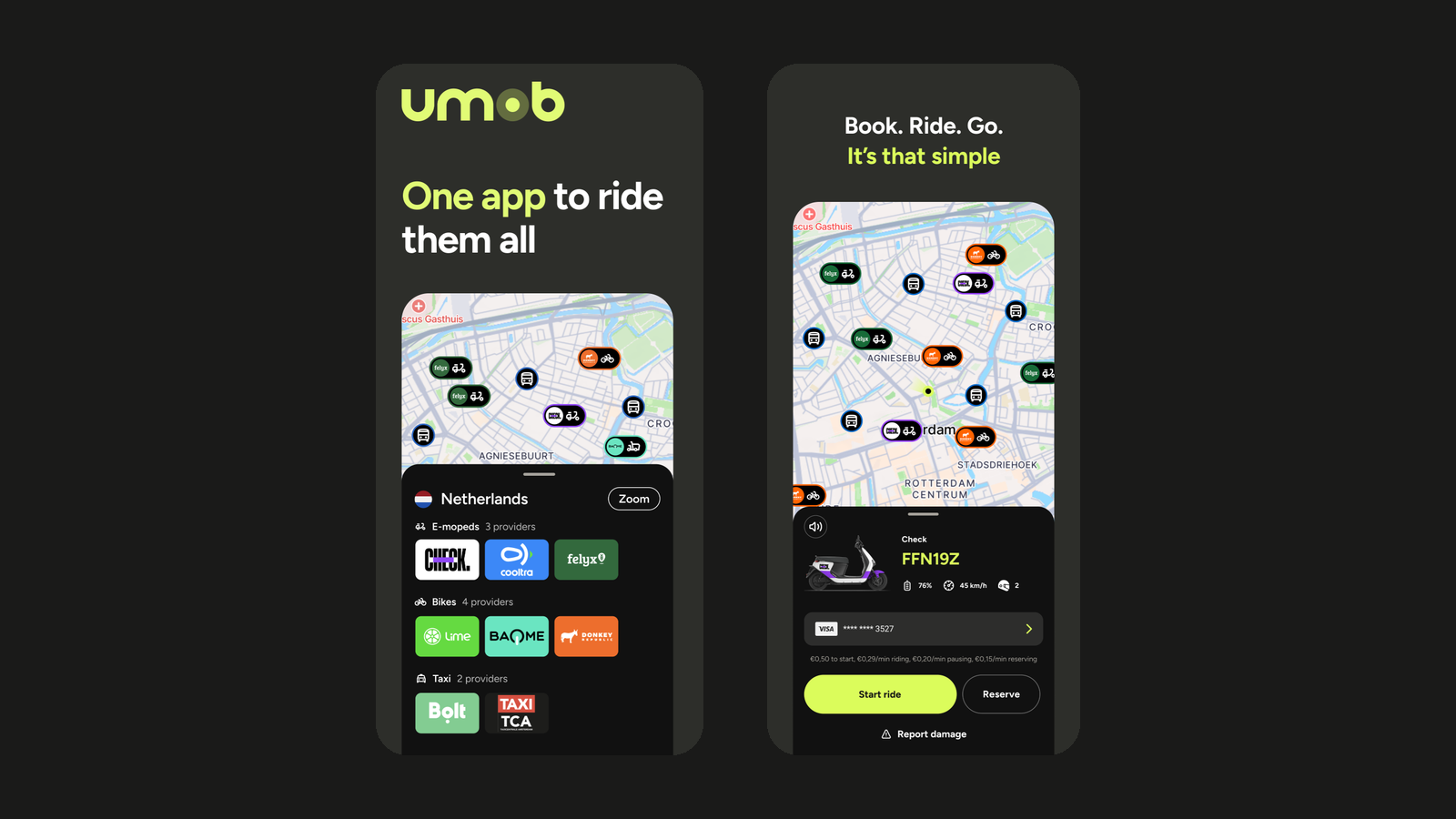
🌍 يمكنك الوصول إلى المزيد من الركاب مع ATOM Mobility وUmob. يمنح هذا التكامل مشغلي التنقل المشترك قناة توزيع إضافية، مما يساعد في جذب عملاء جدد، وزيادة الحجوزات، وتحسين معدلات استخدام الأسطول.
مستقبل التنقل لا يقتصر فقط على تشغيل المركبات، بل يتعلق بابتكار رحلات مريحة تجمع بين خيارات النقل المختلفة في تجربة مستخدم واحدة بسيطة.
ولهذا السبب يسعدنا تسليط الضوء على شراكتنا مع Umob، مما يساعد مشغلي التنقل على توسيع نطاق وصولهم وأن يصبحوا جزءاً من منظومة تنقل متعددة الوسائط متنامية.
سواء كنت تدير سيارات أو سكوترات أو دراجات هوائية أو دراجات نارية مشتركة عبر منصة ATOM Mobility، فإن التكامل مع Umob يجعل خدمتك متاحة لـ آلاف مستخدمي Umob الباحثين عن وسيلة تنقل مريحة.
يتوقع مستخدمو اليوم مرونة عالية؛ فهم لا يفكرون في مزودي خدمات التنقل بشكل منفصل، بل يريدون ببساطة أسرع وأسهل وأكثر الطرق ملاءمة للانتقال من النقطة (أ) إلى النقطة (ب).
تجمع Umob بين مختلف مزودي خدمات التنقل وخيارات النقل في تطبيق واحد. يمكن للمستخدمين العثور على خيارات التنقل المختلفة ومقارنتها وحجزها والدفع مقابلها دون الحاجة إلى تنزيل تطبيق منفصل أو إنشاء حساب جديد لكل مزود خدمة.
من خلال ربط أسطولك بـ Umob، يمكن للمشغلين:
بالنسبة لعملاء ATOM Mobility، صُمم هذا التكامل لتوفير طريقة مباشرة لفتح فرص توزيع جديدة مع الاستمرار في إدارة عملياتهم الأساسية من خلال منصة ATOM Mobility.
من خلال منصة ATOM Mobility، يمكن للمشغلين المشاركين ربط أساطيلهم بـ Umob، مما يتيح للمستخدمين اكتشاف المركبات المتاحة واستخدامها مباشرة عبر تطبيق Umob.
بمجرد الربط، ستظهر مركبات المشغلين المشاركين في Umob إلى جانب خيارات التنقل الأخرى المتاحة، مما يمنح المستخدمين نظرة عامة واضحة على الطرق المختلفة التي يمكنهم من خلالها الانتقال من النقطة (أ) إلى النقطة (ب).
يمكن للمستخدمين العثور على مركبة متاحة، وحجزها وفتح قفلها، وبدء رحلتهم وإنهائها، والدفع مباشرة من خلال تطبيق Umob.
صُمم هذا التكامل لدعم:
يواصل المشغلون إدارة أساطيلهم، وتسعيرهم، ومناطق الخدمة، والعمليات اليومية من خلال منصة ATOM Mobility، بينما توفر Umob قناة إضافية يمكن للمستخدمين من خلالها العثور على المركبات والوصول إليها.
بالنسبة لمشغلي التنقل، يتيح الربط مع Umob قناة توزيع إضافية دون تغيير الطريقة التي يديرون بها عملياتهم اليومية عبر ATOM Mobility.
من خلال إتاحة المركبات لآلاف مستخدمي Umob، يمكن للمشغلين زيادة ظهورهم في اللحظة التي يبحث فيها الأشخاص بنشاط عن وسيلة تنقل. وهذا يخلق إمكانية لجذب مستخدمين جدد، وتحقيق المزيد من الحجوزات، وتحسين معدل استخدام الأسطول بمرور الوقت.
يختلف كل سوق عن الآخر، لكن العديد من المشغلين يرون في شراكات "التنقل كخدمة" (MaaS) جزءاً مهماً من استراتيجية نموهم طويلة الأمد.
أحد أوائل مشغلي ATOM Mobility الذين انطلقوا من خلال تكامل Umob هو ZEUS Mobility، وهو مزود أوروبي طموح لخدمات مشاركة السكوتر الكهربائي، يركز بقوة على الابتكار، ويتبنى نهجاً ديناميكياً، ويسعى لمنافسة اللاعبين الراسخين في السوق.
ومن المناسب أن الشراكة بحد ذاتها بدأت من خلال شبكة ATOM Mobility.
التقت ZEUS وUmob لأول مرة في فعالية ATOM Mobility في ريغا. وعلى الرغم من أن التعارف الأولي حدث أثناء الفعالية، إلا أن المحادثة الجدية بدأت فعلياً خلال جلسة غير رسمية في وقت لاحق من ذلك المساء.
كانت ZEUS قد صادفت علامة Umob التجارية على مركبات التنقل أثناء السفر، وقد أُعجبت بالنهج المهني الذي تتبعه الشركة. وسرعان ما تحول ذلك التعرف إلى محادثة حول كيفية تعزيز الشركتين لعروضهما من خلال العمل معاً.
ومن هناك، تقدمت عملية التكامل بسرعة. وتصف ZEUS عملية الإعداد والتكامل حتى الآن بأنها "نظيفة واحترافية وسلسة."
بالنسبة لشركة ZEUS، تمثل هذه الشراكة فرصة لتعزيز حضور علامتها التجارية، والوصول إلى عملاء جدد، ودعم طموحاتها التوسعية في أوروبا.
عقب استحواذها على Superpedestrian في مايو 2026، تتطلع ZEUS إلى تسريع وتيرة نموها خلال عامي 2026 و2027، وتعد شراكتها مع Umob جزءاً من هذا الطموح.
"نحن في ZEUS سعداء للغاية بالشراكة مع Umob في الأسواق الأوروبية. فبعد استحواذنا على Superpedestrian في مايو 2026، نسعى في ZEUS إلى تحقيق نمو سريع خلال عامي 2026 و2027. ستساعدنا هذه الشراكة في دفع عجلة هذا النمو والوصول إلى عملاء جدد في أسواق جديدة. نتطلع إلى شراكة مثمرة." - داميان يونغ، ZEUS Mobility
تطبيق واحد لكل تنقلاتك. Umob هي منصة تنقل شاملة تجمع بين مختلف مزودي خدمات التنقل وخيارات النقل في تطبيق واحد.
يمكن للمستخدمين العثور على الدراجات المشتركة، والدراجات الكهربائية، والسكوتر، والدراجات النارية، ووسائل النقل العام، وسيارات الأجرة، وغيرها من خيارات التنقل المتاحة، ومقارنتها وحجزها والدفع مقابلها من خلال حساب واحد وتجربة دفع موحدة. فبدلاً من تنزيل تطبيق منفصل والتسجيل فيه لكل مزود خدمة أو في كل مدينة جديدة، يمكن للمستخدمين فتح تطبيق Umob والاطلاع على خيارات التنقل المتاحة من حولهم.
تتوفر Umob اليوم في أكثر من 28 دولة و300 مدينة، مما يتيح لآلاف المستخدمين طريقة أسهل للوصول إلى مختلف وسائل التنقل سواء في مدنهم أو أثناء السفر.
حقائق رئيسية
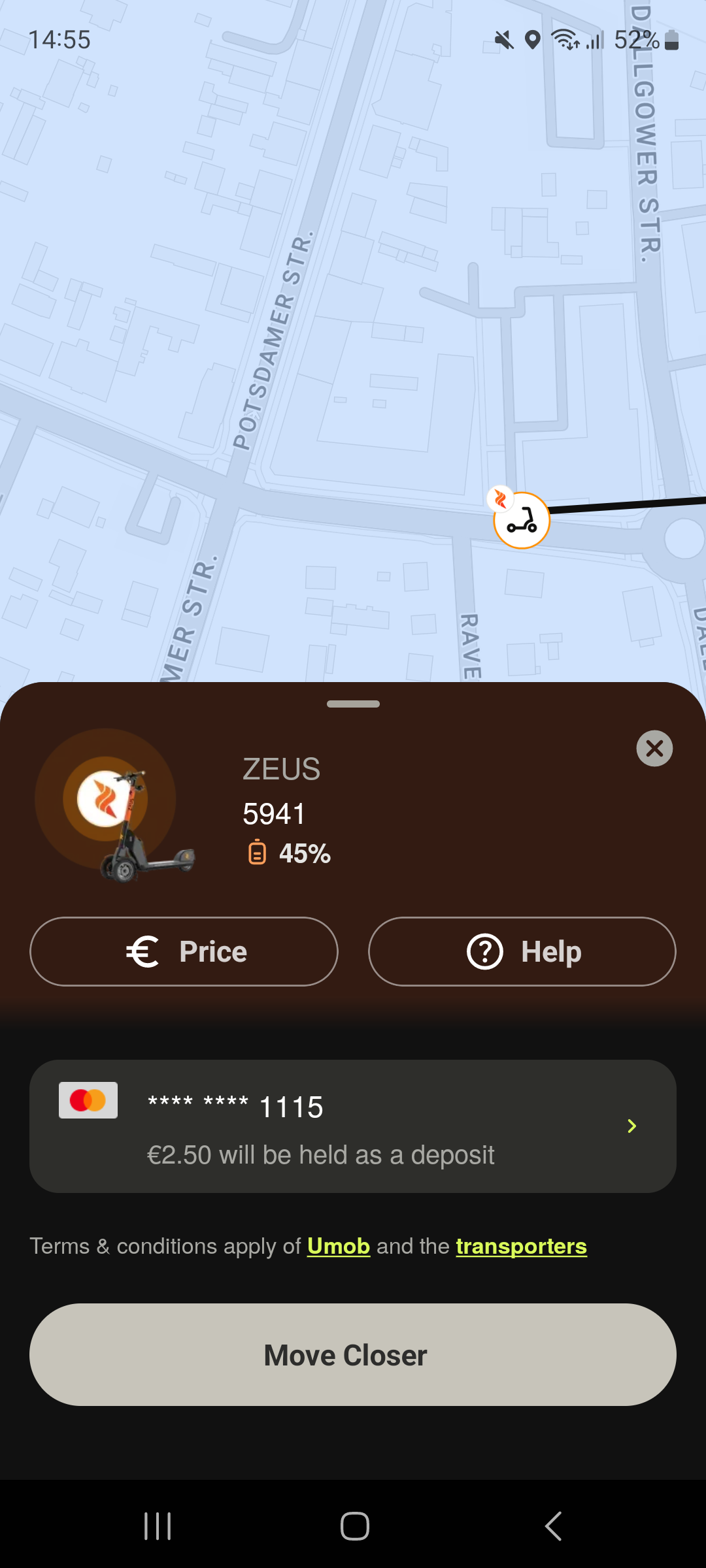
إذا كنت تدير بالفعل خدمة التنقل المشترك الخاصة بك على منصة ATOM Mobility، فإن الربط مع Umob قد يكون الخطوة التالية نحو الوصول إلى المزيد من المستخدمين وأن تصبح جزءاً من منظومة تنقل مترابطة حقاً.
إذا كنت مهتماً بتفعيل هذا التكامل أو معرفة المزيد حول كيفية عمله، تواصل مع فريقنا. نحن نتطلع إلى مساعدة المزيد من المشغلين على التواصل والتعاون وجعل التنقل المستدام أسهل للجميع.
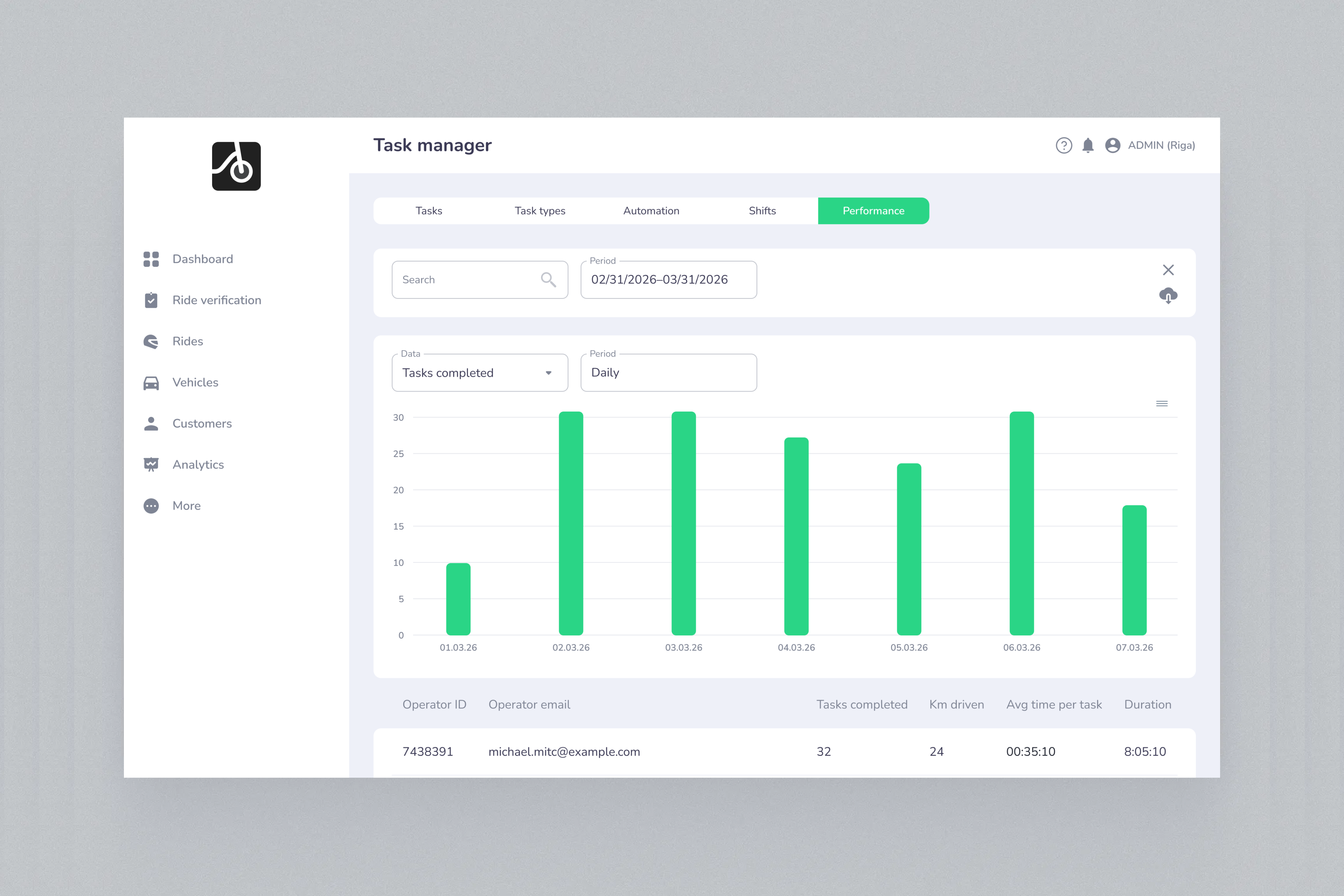
👷📊 يتجاوز مدير مهام ATOM الآن مجرد توزيع المهام بفضل وظائف الورديات وأداء المشغلين الجديدة. تتبع مسارات الورديات، والمسافة المقطوعة، والمهام المنجزة، والوقت المستغرق لكل مهمة، وأداء كل مشغل على حدة، مما يمنح مديري الأساطيل رؤية أوضح بكثير للعمليات الميدانية ومستوى الكفاءة.
لا تقتصر إدارة أسطول كبير للتنقل المشترك أو التأجير على معرفة المهام التي تم إنجازهافحسب، بل تتعلق أيضاً بفهم مدى كفاءة عمل الفرق الميدانية. لقد قمنا بتوسيع مدير مهام ATOM Mobility بشكل كبير بإضافة وظائف الورديات والأداء، مما يمنح مديري الأساطيل رؤية أفضل بكثير لنشاط المشغلين، وعبء العمل، والمسارات، ومستوى الأداء.
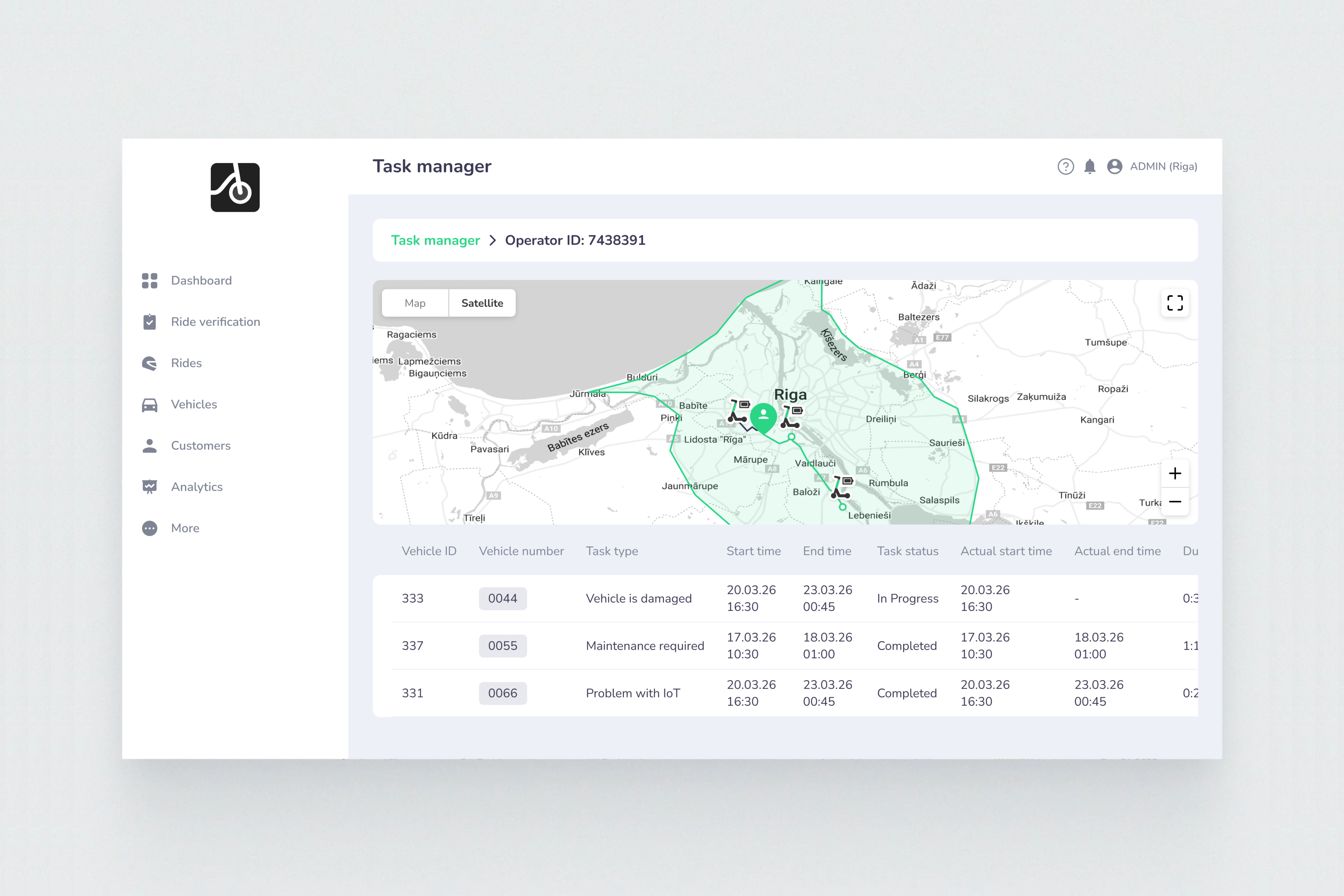
تمنحك علامة التبويب الورديات الجديدة للمديرين نظرة عامة مركزية على جميع ورديات المشغلين، بما في ذلك:
يمكن للمديرين فتح أي وردية فردية للاطلاع على الصورة التشغيلية الكاملة. فلكل مهمة، يمكنك رؤية المركبة، ونوع المهمة، ووقت البدء المخطط له والموعد النهائي، وأوقات البدء والانتهاء الفعلية، والحالة، والمدة الإجمالية للمهمة.
تتضمن كل وردية أيضاً خريطة توضح حركة المشغل الكاملة أثناء الوردية والمواقع التي تم تنفيذ المهام الفردية فيهابالنسبة للنوبات الجارية حالياً، يمكن للمديرين أيضاً الاطلاع على الموقع الحالي للمشغل.
وهذا يسهل كثيراً فهم المسار الفعلي، وحجم العمل، والقرارات المتخذة خلال كل نوبة، بالإضافة إلى تحديد فرص تحسين كيفية إدارة فرق العمل الميدانية لصيانة الأسطول وعملياته.
علامة التبويب الأداء الجديدة تجمع النتائج التشغيلية لكل مشغل خلال فترة زمنية محددة.
يمكن للمديرين تتبع:
بدلاً من مراجعة مئات المهام الفردية، يمكن للمديرين مقارنة المشغلين بسرعة، وتحديد أصحاب الأداء المتميز، ورصد المجالات التي قد تحتاج إلى تدريب إضافي أو تحسينات تشغيلية.
لجعل بيانات الأداء دقيقة ومفيدة، قدمنا أيضاً سير عمل جديد للنوبات والمهام في تطبيق ATOM للمشغلين. يبدأ المشغلون الآن نوبات عملهم وينهونها مباشرة من خلال التطبيق، بينما يتم تسجيل أوقات بدء المهام الفردية وإتمامها تلقائياً.
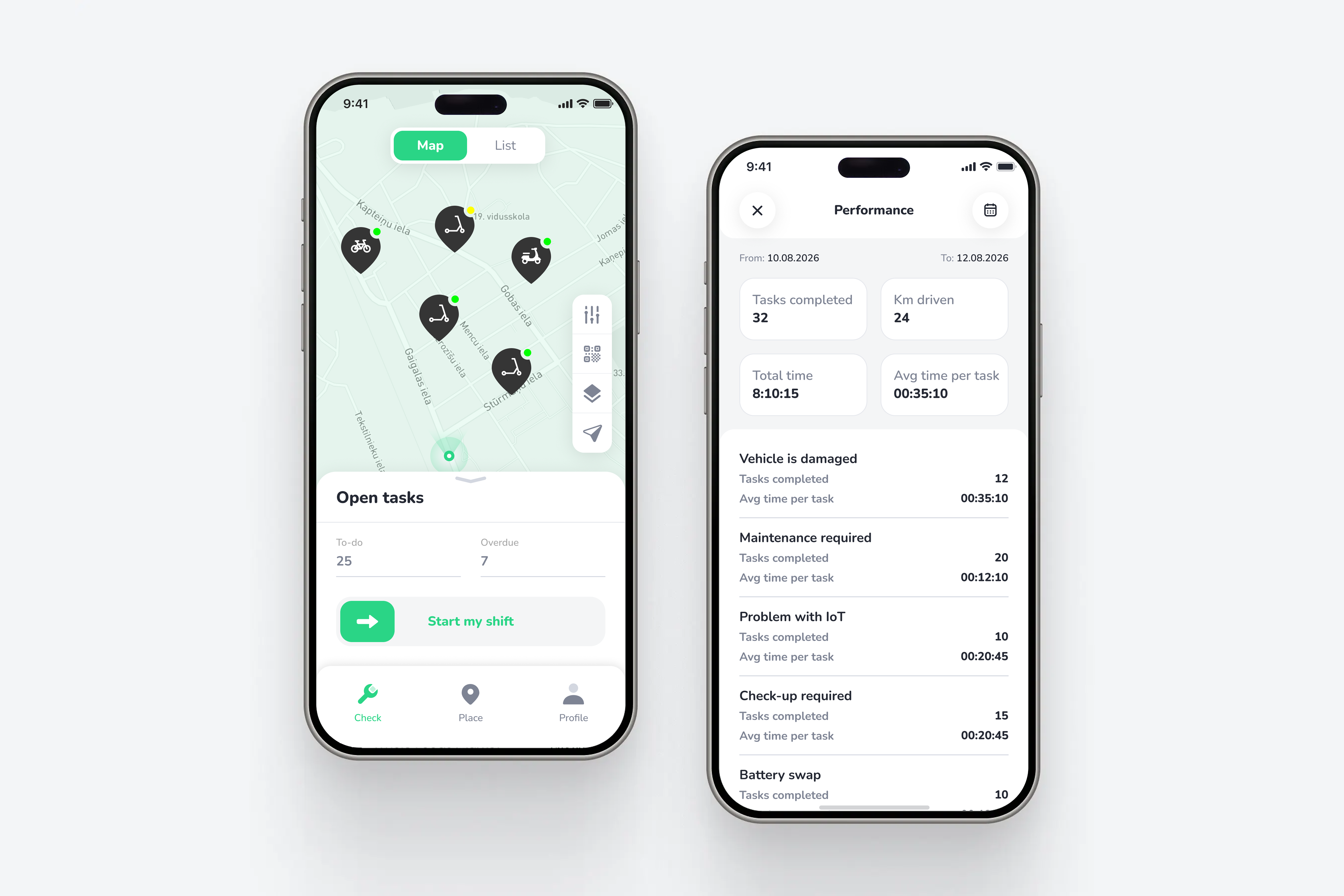
لقد أضفنا أيضاً:
معاً، تحول هذه التحديثات ATOM Task Manager من مجرد أداة لتوزيع المهام إلى نظام أكثر تكاملاً لأداء وتحسين العمليات الميدانية. يحصل المشغلون على سير عمل أوضح ورؤية أفضل لأدائهم الشخصي، بينما يحصل المديرون على البيانات التي يحتاجونها لفهم كيفية سير عملياتهم الميدانية فعلياً وتحديد مجالات تحسين الكفاءة.
الوظائف الجديدة متاحة لوحدات مشاركة المركبات و التأجير الرقمي في ATOM Mobility.
👉 اقرأ المزيد عن آخر تحديثات منصتنا:
https://www.atommobility.com/atomupdates
استخدم بيانات اعتماد الاختبار لتسجيل الدخول - رقم الهاتف: +1 123123123، الكود: 777777


بيانات اعتماد الإصدار التجريبي من تطبيق Driver - البريد الإلكتروني: test@atom.com، كلمة المرور: برنامج التشغيل