O aluguel de carros tradicional por meio de um aplicativo - está aqui
April 25, 2022
leitura mínima


Embora a geração mais jovem use a tecnologia móvel para tudo, a maioria das locadoras de veículos ainda opera da mesma forma que funcionava há 20 anos — há balcões, funcionários que emitem as chaves, assinam os papéis, verificam os documentos, processam o pagamento e depois andam pelo carro junto com a pessoa que aluga para ter certeza de que está na mesma página quanto aos danos existentes. Esse processo é demorado e, quando o voo chega, as cabines de aluguel de carros têm filas até os portões.
No entanto, algumas locadoras de veículos já introduziram uma experiência totalmente automatizada que prioriza dispositivos móveis para eliminar os problemas enfrentados por uma abordagem tradicional. Se você opera uma locadora de veículos, descobrirá a solução abaixo.

O exemplo anterior explicou os pontos problemáticos do aluguel de carros em aeroportos. A maioria dos aluguéis de carros nas cidades não tem o tipo de horário de pico que as filiais do aeroporto têm. Algumas locadoras de veículos até criaram um sistema de reserva totalmente on-line que permitirá que você reserve o carro, verifique sua identidade, pague antecipadamente e espere até que um funcionário leve o carro até sua porta.
No entanto, mesmo no cenário mencionado acima, existem as mesmas pessoas trabalhando nos bastidores para que tudo isso aconteça. A diferença é que eles não estão sentados no estande e se comunicando com o cliente cara a cara. Eles estão sentados no escritório e lidam com tudo isso remotamente. E quando o carro é entregue, os processos de entrega ainda são presenciais.
Embora uma experiência totalmente on-line resolva alguns dos problemas que o modelo tradicional de aluguel de carros enfrenta, é realmente assim que as pessoas querem alugar carros? Embora os designs de sites e as interfaces de usuário estejam melhorando a cada dia, os processos de navegação e reserva ainda costumam ser experiências dolorosas para os usuários.
São necessários muitos recursos para criar um sistema de reservas baseado em navegador compatível com dispositivos móveis, como o AirBnB ou o Booking.com. No entanto, se você estiver usando um telefone ao navegar no site, até mesmo eles o orientarão naturalmente a baixar o aplicativo para uma melhor experiência do usuário.
A geração mais jovem gerencia todas as tarefas do dia a dia com o telefone, então, naturalmente, eles fariam o mesmo ao alugar o carro. E seria ainda melhor se eles não precisassem ver outro ser humano no processo de pegar e devolver o carro - isso não soa familiar e muito parecido com o modelo padrão de check-in automático do AirBnB?
Se os aplicativos oferecem uma melhor experiência ao usuário em dispositivos móveis, por que não permitir que seus clientes aluguem carros por meio de seu aplicativo móvel?
Custos de desenvolvimento - até agora, o principal obstáculo tem sido o fato de as locadoras de veículos não quererem se tornar desenvolvedoras de software, e contratar uma empresa para criar os aplicativos que realmente funcionam acabaria sendo muito caro para gerar ROI em um futuro próximo. É por isso que seria mais fácil manter o status quo.
Limitações técnicas - outro motivo pelo qual os aplicativos não se tornaram um meio popular para aluguel de carros é que os aplicativos têm limitações técnicas e a interação humana ainda é necessária para emitir chaves, assinar os documentos e garantir que o carro esteja em boas condições quando devolvido.
Vemos uma grande tendência no uso de aplicativos para compartilhamento de carros sob demanda, que é um modelo de negócios totalmente diferente. Como o setor de compartilhamento de carros é relativamente jovem, as empresas não são restringidas pela burocracia e pelos procedimentos que os aluguéis de carros tradicionais enfrentam. Embora os aplicativos de compartilhamento de carros possam afastar os negócios de viagens de curta distância do aluguel de carros tradicionais, eles ainda não ameaçarão o pão com manteiga das locadoras de longo prazo.
Como uma empresa tradicional de aluguel de carros poderia entrar no século 21 e automatizar todo o processo de locação sem gastar uma fortuna no desenvolvimento de aplicativos, ao mesmo tempo em que se certifica de aproveitar seus procedimentos operacionais padrão e práticas atuais de gerenciamento de risco?
Com um conjunto de tecnologia adequado que não custa um braço e uma perna - https://atommobility.com/products-rent
A ATOM Mobility tem oferecido etiqueta branca soluções de software para o setor de mobilidade desde 2019. Com clientes em mais de 40 países e 140 cidades em todo o mundo, qualquer empresa de aluguel de carros estará em boa companhia.
Um fluxo ideal de aluguel de carros - com a ATOM Mobility, um aluguel de carros teria seus próprios aplicativos para IOS e Android, onde os usuários passariam pela seguinte jornada (simplificada):
Baixe o aplicativo e cadastre-se.
Faça o upload de uma carteira de motorista que será verificada pela inteligência artificial (IA).
Escolha as datas, o local e o modelo.
Pague com antecedência.
Desbloqueie o carro com o aplicativo.
Aproveite o carro alugado.
Devolva e conclua uma inspeção padrão de entrega ao redor do carro, promovida por FocalX que reconhece e relata automaticamente quaisquer arranhões.
Todo o processo é automatizado e as informações de cada transação de aluguel estarão disponíveis no back-end das locadoras de veículos.
A liberdade que esse novo fluxo que prioriza dispositivos móveis oferece tanto para usuários quanto para locadoras é um ótimo exemplo de como a tecnologia pode ajudar a fornecer um serviço melhor. Abrir um novo local é tão simples quanto dirigir os carros até um novo estacionamento.
Se você opera uma locadora de veículos, ficaremos felizes em conversar - https://atommobility.com/demo
Clique abaixo para saber mais ou solicitar uma demonstração.

The micromobility industry doesn’t need another generic mobility conference. 🚫🎤 It needs real conversations between operators who are actually in the field. ⚙️ That’s exactly what ATOM Connect 2026 is built for. 🎯🤝
The shared mobility industry is evolving rapidly. Operators are navigating scaling challenges, regulatory complexity, hardware decisions, fleet optimization, and new integration models, all while aiming for sustainable growth.
That’s exactly why ATOM Mobility is organizing ATOM Connect 2026.
Our previous edition of ATOM Connect brought together professionals from the car sharing and rental industry for focused, high-quality discussions and networking. This year, we are narrowing the focus and dedicating the entire event to one fast-moving segment of the industry: shared micromobility.
ATOM Connect 2026 is designed specifically for operators, partners, and decision-makers working in shared micromobility. It is not a broad mobility conference or a public exhibition. It is a curated space for industry professionals to exchange practical experience, insights, and lessons learned.
On May 14th, 2026 in Riga, we will once again bring the community together, this time with a clear focus on micromobility.
This year’s agenda will address the real operational and strategic questions shaping shared micromobility today:
As usual, we aim to host both local and international operators from smaller, fast-growing fleets to established large-scale players alongside hardware providers and ecosystem partners.
On stage, you’ll hear from leading shared mobility companies - including Segway on hardware partnerships, Umob on MaaS integration, Anadue on data-driven fleet intelligence, Elerent on multi-vehicle operational realities and more insightful discussions.
The goal is simple: meaningful discussions with people who understand the operational realities of the industry.
ATOM Connect is free to attend, but participation is industry-focused (each submission is manually reviewed and verified). We are intentionally keeping the audience relevant and aligned to ensure high-quality conversations and valuable networking.
If you work in shared micromobility and would like to join the event, you can find the full agenda and register here:
👉 https://www.atommobility.com/atom-connect-2026
In the coming weeks, we will be revealing more speakers and additional agenda updates. We look forward to bringing the industry together again.
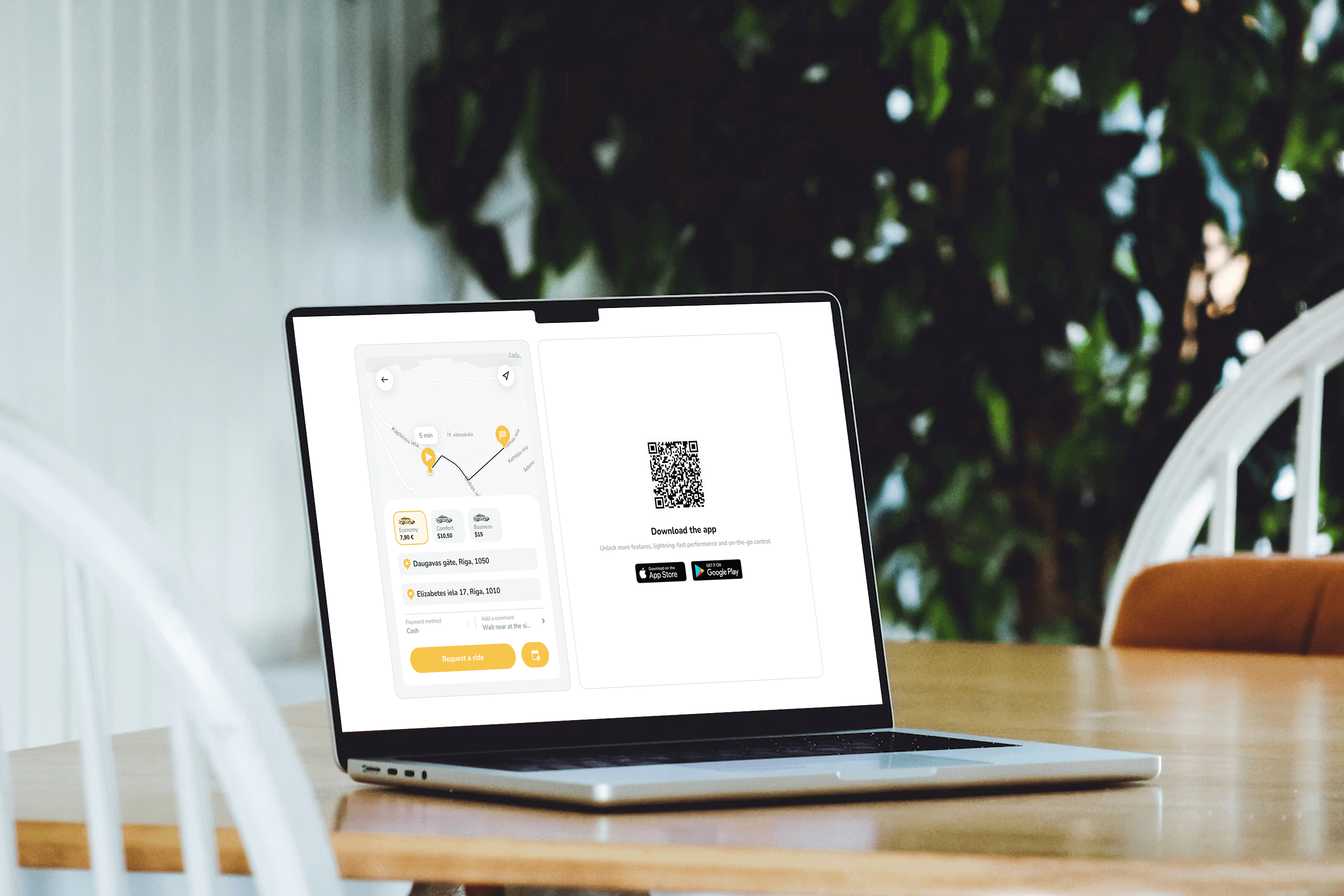
🚕 Web-booker is a lightweight ride-hail widget that lets users book rides directly from a website or mobile browser - no app install required. It reduces booking friction, supports hotel and partner demand, and keeps every ride fully synced with the taxi operator’s app and dashboard.
What if ordering a taxi was as easy as booking a room or clicking “Reserve table” on a website?
Meet Web-booker - a lightweight ride-hail booking widget that lets users request a cab directly from a website, without installing or opening the mobile app.
Perfect for hotels, business centers, event venues, airports, and corporate partners.
👉 Live demo: https://app.atommobility.com/taxi-widget
Web-booker is a browser-based ride-hail widget that operators can embed or link to from any website.
The booking happens on the web, but the ride is fully synchronized with the mobile app and operator dashboard.
No redirects. No app-store friction. No lost users.
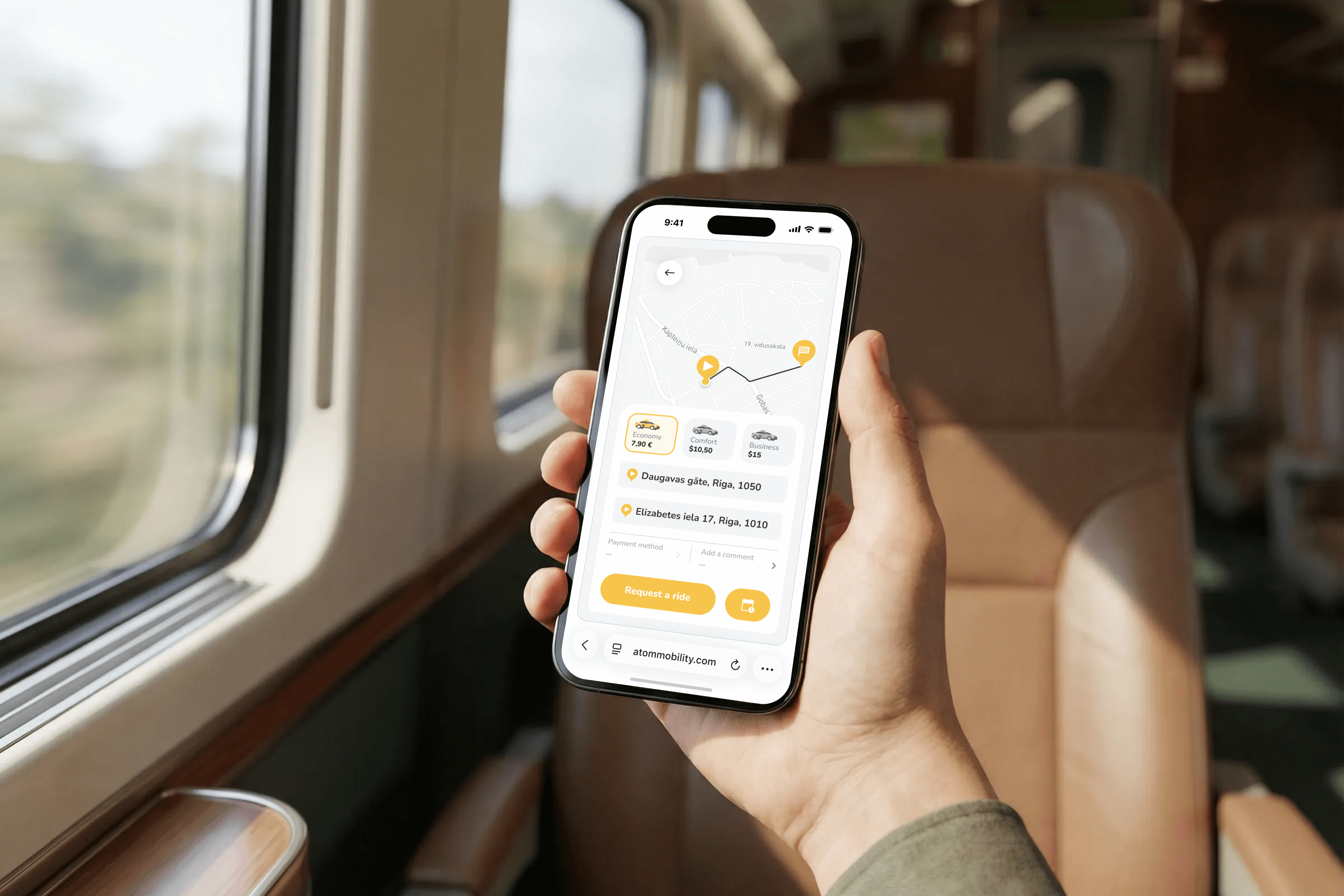
This keeps fraud low while preserving conversion.
Web-booker addresses one of the most common friction points in ride-hailing: users who need a ride now but are not willing to download an app first. By allowing bookings directly from a website, operators can capture high-intent demand at the exact moment it occurs - whether that is on a hotel website, an event page, or a partner landing page.
At the same time, Web-booker makes partnerships with hotels and venues significantly easier. Instead of complex integrations or manual ordering flows, partners can simply place a button or link and immediately enable ride ordering for their guests. Importantly, this approach does not block long-term app growth. The booking flow still promotes the mobile app through QR codes and store links, allowing operators to convert web users into app users over time - without forcing the install upfront.
Web-booker is not designed to replace the mobile app. It extends the acquisition funnel by adding a low-friction entry point, while keeping all bookings fully synchronized with the operator’s app and dashboard.
👉 Try the demo
https://app.atommobility.com/taxi-widget
Want to explore a ride-hail or taxi solution for your business - or migrate to a more flexible platform? Visit: https://www.atommobility.com/products/ride-hailing
Credenciais de demonstração do Driver App - E-mail: test@atom.com, Senha: motorista

