Il tradizionale noleggio auto tramite app: è qui
April 25, 2022
lettura minima


Sebbene le nuove generazioni utilizzino la tecnologia mobile per tutto, la maggior parte degli autonoleggi funziona ancora come 20 anni fa: ci sono sportelli, dipendenti che rilasciano le chiavi, firmano i documenti, controllano i documenti, elaborano il pagamento e poi fanno il giro dell'auto insieme alla persona che noleggia per assicurarsi che siano d'accordo sui danni esistenti. Questo processo richiede molto tempo e, all'arrivo del volo, le cabine di autonoleggio hanno code fino ai gate.
Tuttavia, alcuni autonoleggi hanno già introdotto un'esperienza mobile-first completamente automatizzata per eliminare i problemi che un approccio tradizionale deve affrontare. Se gestisci un'attività di autonoleggio, scoprirai la soluzione qui sotto.

L'esempio precedente spiegava i punti deboli del noleggio auto in aeroporto. La maggior parte dei noleggi auto in città non ha le ore di punta delle filiali aeroportuali. Alcuni autonoleggi hanno persino creato un sistema di prenotazione completamente online che ti consentirà di prenotare l'auto, verificare la tua identità, pagare in anticipo e poi aspettare che un dipendente porti l'auto a casa tua.
Tuttavia, anche nello scenario sopra menzionato, ci sono le stesse persone che lavorano dietro le quinte per far sì che tutto ciò accada. La differenza è che non sono seduti nello stand e non comunicano con il cliente faccia a faccia. Sono seduti in ufficio e si occupano di tutto a distanza. E quando l'auto viene consegnata, i processi di consegna sono ancora di persona.
Sebbene un'esperienza completamente online risolva alcuni dei problemi che il modello tradizionale di autonoleggio deve affrontare, è davvero questo il modo in cui le persone vogliono noleggiare un'auto? Sebbene il design dei siti Web e le interfacce utente migliorino ogni giorno, i processi di navigazione e prenotazione sono ancora spesso esperienze dolorose per gli utenti.
Sono necessarie molte risorse per creare un sistema di prenotazione basato su browser ottimizzato per dispositivi mobili, come AirBnB o Booking.com. Tuttavia, se utilizzi un telefono quando navighi sul loro sito, anche loro ti stanno naturalmente guidando a scaricare la loro app per una migliore esperienza utente.
Le nuove generazioni gestiscono tutte le loro faccende quotidiane dal telefono, quindi naturalmente farebbero lo stesso quando noleggiano la loro auto. E sarebbe ancora meglio se non dovessero vedere un altro essere umano mentre procede al ritiro e alla riconsegna dell'auto: non suona familiare e simile al modello standard di check-in automatico di AirBnB?
Se le app offrono un'esperienza utente migliore sui dispositivi mobili, perché non consentire ai tuoi clienti di noleggiare auto tramite la tua app mobile?
Costi di sviluppo - finora l'ostacolo principale è stato il fatto che le società di autonoleggio non vogliono diventare sviluppatori di software e assumere un'azienda per creare app che funzionino davvero finirebbe per essere troppo costoso per ottenere un ROI nel prossimo futuro. Ecco perché sarebbe più facile attenersi allo status quo.
Limitazioni tecniche - un altro motivo per cui le app non sono diventate un mezzo popolare per il noleggio auto è che le app presentano limitazioni tecniche ed è ancora necessaria l'interazione umana per rilasciare le chiavi, firmare i documenti e assicurarsi che l'auto sia in buone condizioni al momento della restituzione.
Vediamo un'enorme tendenza nell'utilizzo delle app per il car sharing su richiesta, che è un modello di business completamente diverso. Poiché il settore del car sharing è relativamente giovane, le aziende non sono limitate dalla burocrazia e dalle procedure a cui devono far fronte gli autonoleggi tradizionali. Sebbene le app di car sharing possano sottrarre il business dei viaggi a breve distanza ai tradizionali autonoleggi, non costituiranno ancora una minaccia per le attività di noleggio a lungo termine.
Come può un'azienda di autonoleggio tradizionale entrare nel 21° secolo e automatizzare l'intero processo di noleggio senza spendere una fortuna nello sviluppo di app e assicurandosi di sfruttare ancora le sue procedure operative standard e le attuali pratiche di gestione del rischio?
Con una suite tecnologica adeguata che non costa un braccio e una gamba - https://atommobility.com/products-rent
ATOM Mobility offre prodotti in white label soluzioni software per il settore della mobilità dal 2019. Con clienti in più di 40 paesi e 140 città in tutto il mondo, qualsiasi azienda di autonoleggio sarà in buona compagnia.
Un flusso di noleggio auto ideale - con ATOM Mobility, un autonoleggio otterrebbe le proprie app per IOS e Android, in cui gli utenti effettuerebbero il seguente percorso (semplificato):
Scarica l'app e registrati.
Carica una patente di guida che verrà verificata dall'intelligenza artificiale (AI).
Scegli le date, il luogo e il modello.
Paga in anticipo.
Sblocca l'auto con l'app.
Goditi l'auto a noleggio.
Restituisci e completa un'ispezione standard per la consegna a domicilio dell'auto fornita da Focale X che riconosce e segnala automaticamente eventuali graffi.
L'intero processo è automatizzato e le informazioni per ogni transazione di noleggio saranno disponibili nel back-end per le aziende di autonoleggio.
La libertà che questo nuovo flusso mobile-first offre sia agli utenti che alle aziende di noleggio è un ottimo esempio di come la tecnologia possa aiutare a fornire un servizio migliore. Aprire una nuova sede è semplice come guidare le auto verso un nuovo parcheggio.
Se gestisci un'attività di autonoleggio, saremo felici di chiacchierare - https://atommobility.com/demo
Fai clic qui sotto per saperne di più o richiedere una demo.

The micromobility industry doesn’t need another generic mobility conference. 🚫🎤 It needs real conversations between operators who are actually in the field. ⚙️ That’s exactly what ATOM Connect 2026 is built for. 🎯🤝
The shared mobility industry is evolving rapidly. Operators are navigating scaling challenges, regulatory complexity, hardware decisions, fleet optimization, and new integration models, all while aiming for sustainable growth.
That’s exactly why ATOM Mobility is organizing ATOM Connect 2026.
Our previous edition of ATOM Connect brought together professionals from the car sharing and rental industry for focused, high-quality discussions and networking. This year, we are narrowing the focus and dedicating the entire event to one fast-moving segment of the industry: shared micromobility.
ATOM Connect 2026 is designed specifically for operators, partners, and decision-makers working in shared micromobility. It is not a broad mobility conference or a public exhibition. It is a curated space for industry professionals to exchange practical experience, insights, and lessons learned.
On May 14th, 2026 in Riga, we will once again bring the community together, this time with a clear focus on micromobility.
This year’s agenda will address the real operational and strategic questions shaping shared micromobility today:
As usual, we aim to host both local and international operators from smaller, fast-growing fleets to established large-scale players alongside hardware providers and ecosystem partners.
On stage, you’ll hear from leading shared mobility companies - including Segway on hardware partnerships, Umob on MaaS integration, Anadue on data-driven fleet intelligence, Elerent on multi-vehicle operational realities and more insightful discussions.
The goal is simple: meaningful discussions with people who understand the operational realities of the industry.
ATOM Connect is free to attend, but participation is industry-focused (each submission is manually reviewed and verified). We are intentionally keeping the audience relevant and aligned to ensure high-quality conversations and valuable networking.
If you work in shared micromobility and would like to join the event, you can find the full agenda and register here:
👉 https://www.atommobility.com/atom-connect-2026
In the coming weeks, we will be revealing more speakers and additional agenda updates. We look forward to bringing the industry together again.
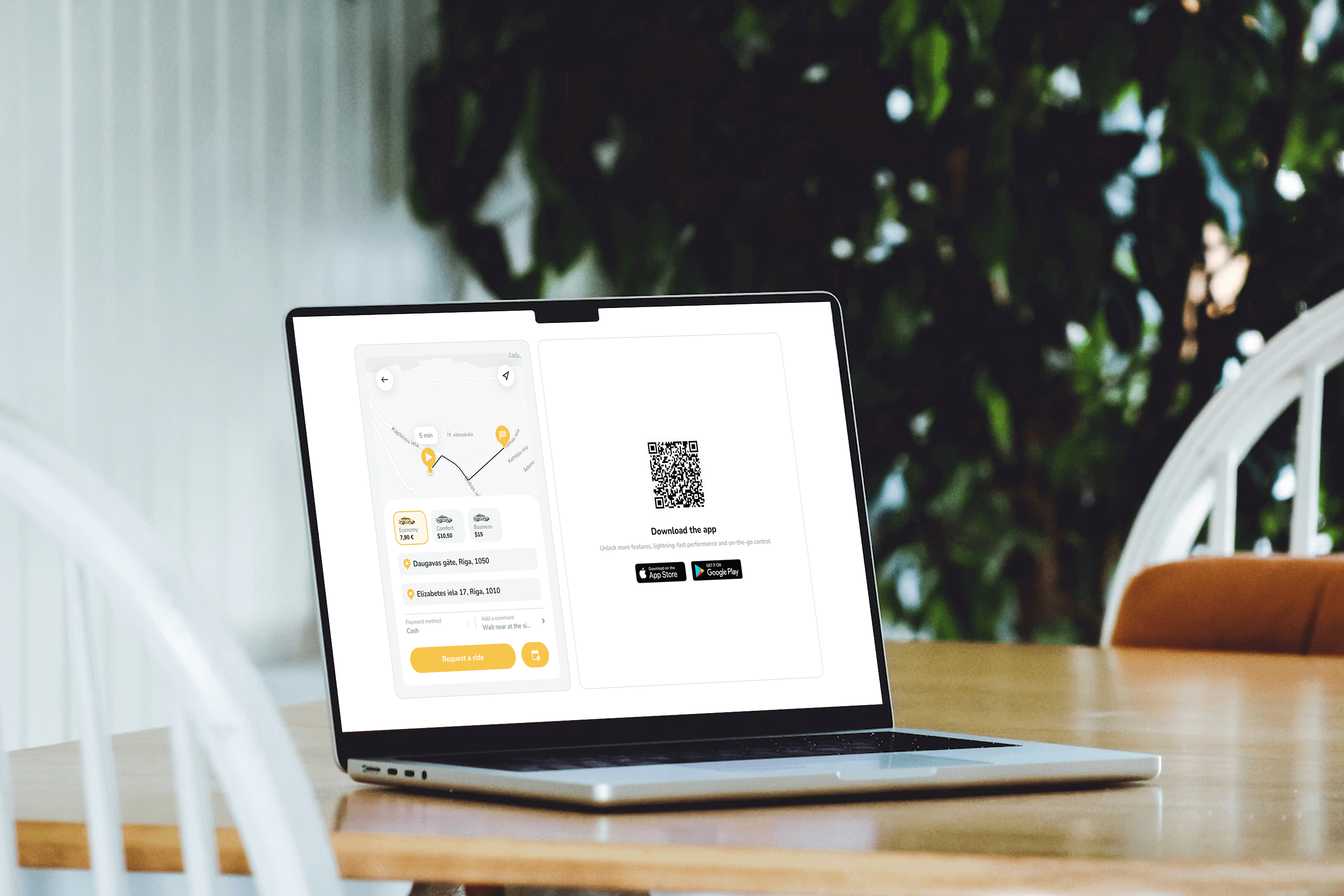
🚕 Web-booker is a lightweight ride-hail widget that lets users book rides directly from a website or mobile browser - no app install required. It reduces booking friction, supports hotel and partner demand, and keeps every ride fully synced with the taxi operator’s app and dashboard.
What if ordering a taxi was as easy as booking a room or clicking “Reserve table” on a website?
Meet Web-booker - a lightweight ride-hail booking widget that lets users request a cab directly from a website, without installing or opening the mobile app.
Perfect for hotels, business centers, event venues, airports, and corporate partners.
👉 Live demo: https://app.atommobility.com/taxi-widget
Web-booker is a browser-based ride-hail widget that operators can embed or link to from any website.
The booking happens on the web, but the ride is fully synchronized with the mobile app and operator dashboard.
No redirects. No app-store friction. No lost users.
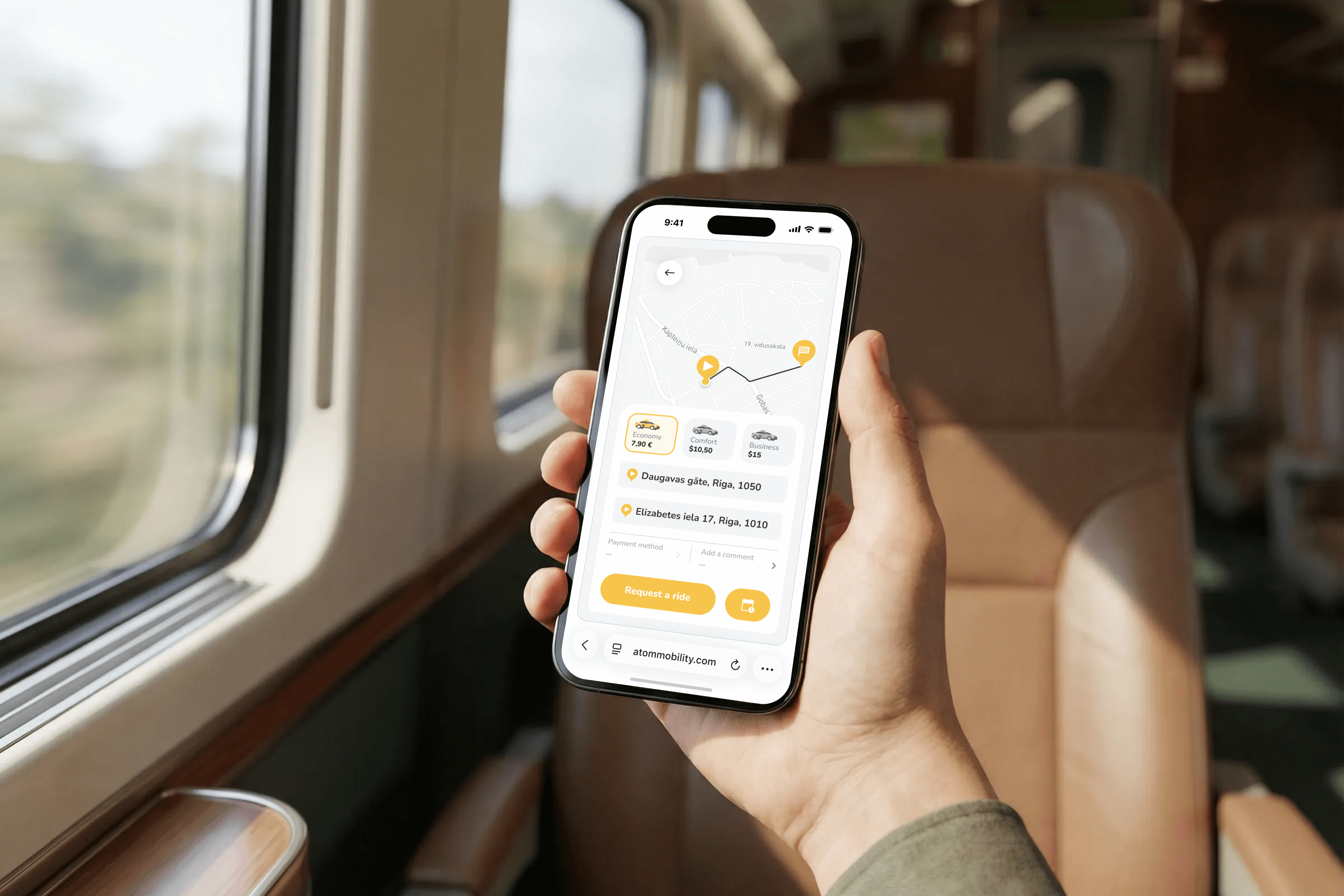
This keeps fraud low while preserving conversion.
Web-booker addresses one of the most common friction points in ride-hailing: users who need a ride now but are not willing to download an app first. By allowing bookings directly from a website, operators can capture high-intent demand at the exact moment it occurs - whether that is on a hotel website, an event page, or a partner landing page.
At the same time, Web-booker makes partnerships with hotels and venues significantly easier. Instead of complex integrations or manual ordering flows, partners can simply place a button or link and immediately enable ride ordering for their guests. Importantly, this approach does not block long-term app growth. The booking flow still promotes the mobile app through QR codes and store links, allowing operators to convert web users into app users over time - without forcing the install upfront.
Web-booker is not designed to replace the mobile app. It extends the acquisition funnel by adding a low-friction entry point, while keeping all bookings fully synchronized with the operator’s app and dashboard.
👉 Try the demo
https://app.atommobility.com/taxi-widget
Want to explore a ride-hail or taxi solution for your business - or migrate to a more flexible platform? Visit: https://www.atommobility.com/products/ride-hailing
Credenziali demo dell'app Driver - Email: test@atom.com, Password: autista

