El alquiler de coches tradicional a través de una aplicación: ya está aquí
April 25, 2022
lectura mínima


Si bien la generación más joven utiliza la tecnología móvil para todo, la mayoría de los alquileres de automóviles siguen funcionando de la misma manera que hace 20 años: hay mostradores, empleados que entregan las llaves, firman los documentos, comprueban los documentos, procesan el pago y, luego, recorren el automóvil junto con la persona que alquila para asegurarse de que están al día en lo que respecta a los daños existentes. Este proceso lleva mucho tiempo y, cuando llega el vuelo, las cabinas de alquiler de coches hacen cola hasta las puertas de embarque.
Sin embargo, algunos alquileres de vehículos ya han introducido una experiencia totalmente automatizada que prioriza los dispositivos móviles para eliminar los problemas a los que se enfrenta un enfoque tradicional. Si tienes una empresa de alquiler de coches, encontrarás la solución a continuación.

El ejemplo anterior explicaba los puntos débiles de los alquileres de automóviles en los aeropuertos. La mayoría de los alquileres de vehículos en la ciudad no tienen el tipo de horas punta que tienen las sucursales de los aeropuertos. Algunas empresas de alquiler de coches incluso han establecido un sistema de reservas totalmente online que te permitirá reservar el coche, verificar tu identidad, pagar por adelantado y esperar a que un empleado lleve el coche a la puerta de tu casa.
Sin embargo, incluso en el escenario mencionado anteriormente, hay las mismas personas que trabajan entre bastidores para que todo esto suceda. La diferencia es que no están sentados en la cabina comunicándose cara a cara con el cliente. Están sentados en la oficina y se ocupan de todo eso de forma remota. Y cuando se entrega el automóvil, los procesos de entrega siguen siendo presenciales.
Si bien una experiencia totalmente online resuelve algunos de los problemas a los que se enfrenta el modelo tradicional de alquiler de coches, ¿es realmente esta la forma en que la gente quiere alquilar coches? Si bien los diseños de los sitios web y las interfaces de usuario mejoran cada día, los procesos de navegación y reserva siguen siendo a menudo experiencias difíciles para los usuarios.
Se necesitan muchos recursos para crear un sistema de reservas basado en un navegador compatible con dispositivos móviles, como AirBnB o Booking.com. Sin embargo, si utilizas un teléfono mientras navegas por su sitio, incluso ellos te están guiando naturalmente para que descargues su aplicación para una mejor experiencia de usuario.
La generación más joven gestiona todas sus tareas del día a día desde su teléfono, por lo que, naturalmente, harían lo mismo al alquilar su coche. Y sería incluso mejor si no tuvieran que ver a otra persona para recoger y devolver su coche. ¿No les suena familiar y se parece mucho al modelo estándar de registro automático de AirBnB?
Si las aplicaciones ofrecen una mejor experiencia de usuario en dispositivos móviles, ¿por qué no permites que tus clientes alquilen coches a través de tu aplicación móvil?
Costos de desarrollo - hasta ahora, el principal obstáculo ha sido el hecho de que las empresas de alquiler de coches no quieren convertirse en desarrolladores de software, y contratar a una empresa para que cree las aplicaciones que realmente funcionan acabaría siendo demasiado caro para ofrecer un ROI en un futuro próximo. Por eso sería más fácil mantener el status quo.
Limitaciones técnicas - otra razón por la que las aplicaciones no se han convertido en un medio popular para el alquiler de coches es que tienen limitaciones técnicas y la interacción humana sigue siendo necesaria para emitir las llaves, firmar los documentos y asegurarse de que el coche esté en buenas condiciones cuando se devuelva.
Vemos una enorme tendencia en el uso de aplicaciones para compartir vehículos bajo demanda, que es un modelo de negocio completamente diferente. Dado que la industria de vehículos compartidos es relativamente joven, las empresas no se ven restringidas por la burocracia y los procedimientos a los que se enfrentan los alquileres de vehículos tradicionales. Si bien las aplicaciones para compartir vehículos pueden alejar el negocio de los viajes de corta distancia del alquiler de vehículos tradicionales, por el momento no pondrán en peligro el sustento de las empresas de alquiler a largo plazo.
¿Cómo podría una empresa tradicional de alquiler de vehículos entrar en el siglo XXI y automatizar todo el proceso de alquiler sin gastar una fortuna en el desarrollo de aplicaciones y, al mismo tiempo, asegurarse de seguir aprovechando sus procedimientos operativos estándar y sus prácticas actuales de gestión de riesgos?
Con una suite tecnológica adecuada que no cueste ni un ojo de la cara - https://atommobility.com/products-rent
ATOM Mobility ha estado ofreciendo marca blanca soluciones de software para la industria de la movilidad desde 2019. Con clientes en más de 40 países y 140 ciudades de todo el mundo, cualquier empresa de alquiler de vehículos estará en buena compañía.
Un flujo ideal de alquiler de vehículos - con ATOM Mobility, una empresa de alquiler de vehículos tendría sus propias aplicaciones para IOS y Android, en las que los usuarios realizarían el siguiente recorrido (simplificado):
Descarga la aplicación y regístrate.
Sube una licencia de conducir que será verificada por inteligencia artificial (IA).
Elige las fechas, la ubicación y el modelo.
Pague por adelantado.
Desbloquea el coche con la aplicación.
Disfruta del coche de alquiler.
Devuelva y complete una inspección estándar de entrega paseando por el automóvil con la tecnología de Focal X que reconoce e informa automáticamente de cualquier rasguño.
Todo el proceso está automatizado y la información de cada transacción de alquiler estará disponible en el back-end para las empresas de alquiler de vehículos.
La libertad que este nuevo enfoque centrado en los dispositivos móviles brinda tanto a los usuarios como a las empresas de alquiler es un excelente ejemplo de cómo la tecnología puede ayudar a brindar un mejor servicio. Abrir una nueva ubicación es tan simple como conducir los autos a un nuevo estacionamiento.
Si tienes una empresa de alquiler de coches, estaremos encantados de charlar - https://atommobility.com/demo
Haga clic a continuación para obtener más información o solicitar una demostración.

The micromobility industry doesn’t need another generic mobility conference. 🚫🎤 It needs real conversations between operators who are actually in the field. ⚙️ That’s exactly what ATOM Connect 2026 is built for. 🎯🤝
The shared mobility industry is evolving rapidly. Operators are navigating scaling challenges, regulatory complexity, hardware decisions, fleet optimization, and new integration models, all while aiming for sustainable growth.
That’s exactly why ATOM Mobility is organizing ATOM Connect 2026.
Our previous edition of ATOM Connect brought together professionals from the car sharing and rental industry for focused, high-quality discussions and networking. This year, we are narrowing the focus and dedicating the entire event to one fast-moving segment of the industry: shared micromobility.
ATOM Connect 2026 is designed specifically for operators, partners, and decision-makers working in shared micromobility. It is not a broad mobility conference or a public exhibition. It is a curated space for industry professionals to exchange practical experience, insights, and lessons learned.
On May 14th, 2026 in Riga, we will once again bring the community together, this time with a clear focus on micromobility.
This year’s agenda will address the real operational and strategic questions shaping shared micromobility today:
As usual, we aim to host both local and international operators from smaller, fast-growing fleets to established large-scale players alongside hardware providers and ecosystem partners.
On stage, you’ll hear from leading shared mobility companies - including Segway on hardware partnerships, Umob on MaaS integration, Anadue on data-driven fleet intelligence, Elerent on multi-vehicle operational realities and more insightful discussions.
The goal is simple: meaningful discussions with people who understand the operational realities of the industry.
ATOM Connect is free to attend, but participation is industry-focused (each submission is manually reviewed and verified). We are intentionally keeping the audience relevant and aligned to ensure high-quality conversations and valuable networking.
If you work in shared micromobility and would like to join the event, you can find the full agenda and register here:
👉 https://www.atommobility.com/atom-connect-2026
In the coming weeks, we will be revealing more speakers and additional agenda updates. We look forward to bringing the industry together again.
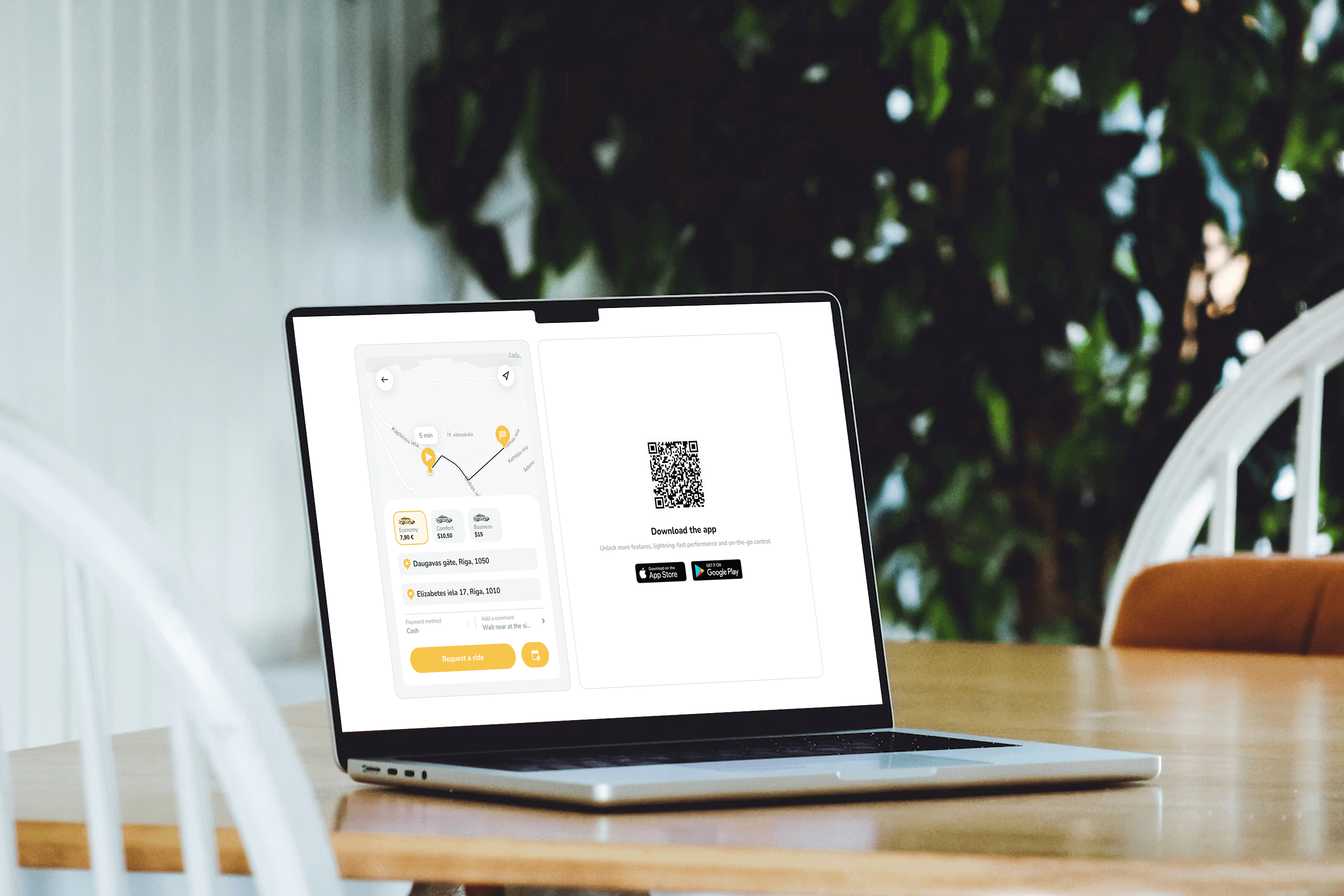
🚕 Web-booker is a lightweight ride-hail widget that lets users book rides directly from a website or mobile browser - no app install required. It reduces booking friction, supports hotel and partner demand, and keeps every ride fully synced with the taxi operator’s app and dashboard.
What if ordering a taxi was as easy as booking a room or clicking “Reserve table” on a website?
Meet Web-booker - a lightweight ride-hail booking widget that lets users request a cab directly from a website, without installing or opening the mobile app.
Perfect for hotels, business centers, event venues, airports, and corporate partners.
👉 Live demo: https://app.atommobility.com/taxi-widget
Web-booker is a browser-based ride-hail widget that operators can embed or link to from any website.
The booking happens on the web, but the ride is fully synchronized with the mobile app and operator dashboard.
No redirects. No app-store friction. No lost users.
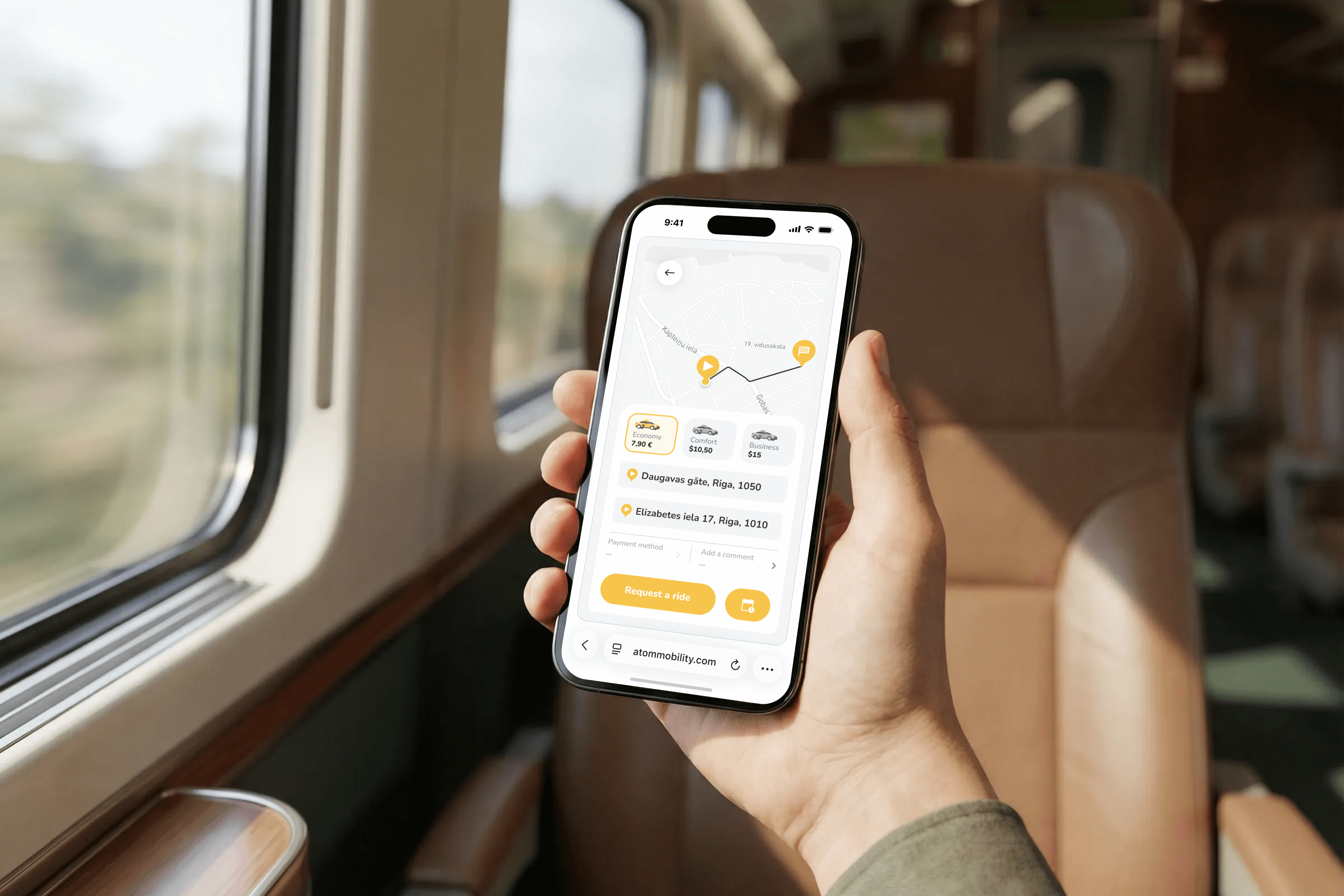
This keeps fraud low while preserving conversion.
Web-booker addresses one of the most common friction points in ride-hailing: users who need a ride now but are not willing to download an app first. By allowing bookings directly from a website, operators can capture high-intent demand at the exact moment it occurs - whether that is on a hotel website, an event page, or a partner landing page.
At the same time, Web-booker makes partnerships with hotels and venues significantly easier. Instead of complex integrations or manual ordering flows, partners can simply place a button or link and immediately enable ride ordering for their guests. Importantly, this approach does not block long-term app growth. The booking flow still promotes the mobile app through QR codes and store links, allowing operators to convert web users into app users over time - without forcing the install upfront.
Web-booker is not designed to replace the mobile app. It extends the acquisition funnel by adding a low-friction entry point, while keeping all bookings fully synchronized with the operator’s app and dashboard.
👉 Try the demo
https://app.atommobility.com/taxi-widget
Want to explore a ride-hail or taxi solution for your business - or migrate to a more flexible platform? Visit: https://www.atommobility.com/products/ride-hailing
Credenciales de demostración de Driver App - Correo electrónico: test@atom.com, contraseña: conductor

