Die traditionelle Autovermietung per App — sie ist da
April 25, 2022
min. Lesedauer


Obwohl die jüngere Generation für alles mobile Technologie nutzt, funktionieren die meisten Autovermietungen immer noch genauso wie vor 20 Jahren - es gibt Schalter, Mitarbeiter, die Schlüssel ausstellen, die Papiere unterschreiben, die Dokumente überprüfen, die Zahlung abwickeln und dann zusammen mit der Person, die mietet, das Auto herumlaufen, um sicherzustellen, dass sie in Bezug auf die bestehenden Schäden auf derselben Wellenlänge sind. Dieser Vorgang ist zeitaufwändig, und wenn der Flug ankommt, haben die Autovermietungsschalter Warteschlangen bis zu den Gates.
Einige Autovermieter haben jedoch bereits ein vollautomatisches Mobile-First-Erlebnis eingeführt, um die Probleme zu lösen, mit denen ein herkömmlicher Ansatz konfrontiert ist. Wenn Sie eine Autovermietung betreiben, finden Sie unten die Lösung.

Das vorherige Beispiel erklärte die Problempunkte der Autovermietung am Flughafen. Die meisten Autovermietungen in den Städten haben nicht die Hauptverkehrszeiten wie ihre Flughafenfilialen. Einige Autovermietungen haben sogar ein vollständiges Online-Reservierungssystem eingerichtet, mit dem Sie das Auto buchen, Ihre Identität überprüfen, im Voraus bezahlen und dann warten können, bis ein Mitarbeiter das Auto vor Ihre Haustür bringt.
Aber selbst in dem oben genannten Szenario arbeiten dieselben Leute hinter den Kulissen, um all dies zu ermöglichen. Der Unterschied besteht darin, dass sie nicht in der Kabine sitzen und von Angesicht zu Angesicht mit dem Kunden kommunizieren. Sie sitzen im Büro und erledigen das alles aus der Ferne. Und wenn das Auto ausgeliefert wird, finden die Übergabeprozesse immer noch persönlich statt.
Ein vollständiges Online-Erlebnis löst zwar einige der Probleme, mit denen das traditionelle Autovermietungsmodell konfrontiert ist, aber ist das wirklich die Art und Weise, wie die Leute Autos mieten wollen? Obwohl sich das Design und die Benutzeroberflächen von Websites täglich verbessern, sind Navigations- und Buchungsprozesse für die Nutzer immer noch oft eine schmerzhafte Erfahrung.
Der Aufbau eines mobilfreundlichen browserbasierten Buchungssystems wie AirBnB oder Booking.com erfordert viele Ressourcen. Wenn Sie jedoch beim Surfen auf ihrer Website ein Telefon verwenden, werden Sie natürlich auch von ihnen aufgefordert, ihre App herunterzuladen, um eine bessere Benutzererfahrung zu erzielen.
Die jüngere Generation erledigt all ihre täglichen Besorgungen von ihrem Telefon aus, daher würden sie natürlich dasselbe tun, wenn sie ihr Auto mieten. Und es wäre sogar noch besser, wenn sie keinen anderen Menschen sehen müssten, der gerade dabei ist, ihr Auto zu holen und zurückzugeben — klingt das nicht vertraut und ähnelt dem Standardmodell von AirBnB zum Self-Check-In?
Wenn Apps ein besseres Nutzererlebnis auf Mobilgeräten bieten, warum ermöglichen Sie Ihren Kunden dann nicht, Autos über Ihre mobile App zu mieten?
Entwicklungskosten - Bisher war das Haupthindernis die Tatsache, dass Autovermieter keine Softwareentwickler werden wollen und die Beauftragung eines Unternehmens mit der Entwicklung der Apps, die tatsächlich funktionieren, zu teuer wäre, um in naher Zukunft einen ROI zu erzielen. Deshalb wäre es einfacher, beim Status Quo zu bleiben.
Technische Einschränkungen - Ein weiterer Grund, warum Apps nicht zu einem beliebten Medium für Autovermietungen geworden sind, ist, dass Apps technische Einschränkungen aufweisen und menschliche Interaktion immer noch erforderlich ist, um Schlüssel auszustellen, die Dokumente zu unterschreiben und sicherzustellen, dass das Auto bei Rückgabe in einem guten Zustand ist.
Wir sehen einen enormen Trend bei der Nutzung von Apps für On-Demand-Carsharing, was ein völlig anderes Geschäftsmodell ist. Da die Carsharing-Branche noch relativ jung ist, sind die Unternehmen nicht durch die Bürokratie und die Verfahren eingeschränkt, mit denen traditionelle Autovermietungen konfrontiert sind. Carsharing-Apps mögen herkömmlichen Autovermietern zwar das Geschäft mit Kurzstreckenfahrten abnehmen, aber sie werden das Geschäft der Langzeitvermietungsunternehmen noch nicht gefährden.
Wie könnte ein traditionelles Autovermietungsunternehmen ins 21. Jahrhundert übergehen und den gesamten Mietprozess automatisieren, ohne ein Vermögen für die Entwicklung von Apps auszugeben und gleichzeitig sicherstellen, dass die Standardarbeitsanweisungen und aktuellen Risikomanagementpraktiken weiterhin genutzt werden?
Mit einer richtigen Technologie-Suite, die nicht einen Haufen Geld kostet - https://atommobility.com/products-rent
ATOM Mobility hat White-Label angeboten Softwarelösungen seit 2019 für die Mobilitätsbranche. Mit Kunden in mehr als 40 Ländern und 140 Städten weltweit befindet sich jedes Autovermietungsunternehmen in guter Gesellschaft.
Ein idealer Mietwagenfluss - Mit ATOM Mobility würde eine Autovermietung ihre eigenen Apps für IOS und Android erhalten, mit denen die Nutzer die folgende (vereinfachte) Reise durchlaufen würden:
Laden Sie die App herunter und registrieren Sie sich.
Laden Sie einen Führerschein hoch, der durch künstliche Intelligenz (KI) verifiziert wird.
Wählen Sie Daten, Ort und das Modell.
Zahlen Sie im Voraus.
Entsperren Sie das Auto mit der App.
Viel Spaß mit dem Mietwagen.
Bringen Sie das Auto zurück und führen Sie eine normale Übergabeinspektion durch, unterstützt von fokal X das automatisch alle Kratzer erkennt und meldet.
Der gesamte Prozess ist automatisiert und die Informationen für jede Miettransaktion werden im Backend für Autovermieter verfügbar sein.
Die Freiheit, die dieser neue Mobile-First-Flow sowohl Nutzern als auch Vermietern bietet, ist ein gutes Beispiel dafür, wie Technologie dazu beitragen kann, einen besseren Service zu bieten. Die Eröffnung eines neuen Standorts ist so einfach wie das Fahren der Autos zu einem neuen Parkplatz.
Wenn Sie eine Autovermietung betreiben, würden wir uns freuen, mit Ihnen zu chatten - https://atommobility.com/demo
Klicken Sie unten, um mehr zu erfahren oder eine Demo anzufordern.

The micromobility industry doesn’t need another generic mobility conference. 🚫🎤 It needs real conversations between operators who are actually in the field. ⚙️ That’s exactly what ATOM Connect 2026 is built for. 🎯🤝
The shared mobility industry is evolving rapidly. Operators are navigating scaling challenges, regulatory complexity, hardware decisions, fleet optimization, and new integration models, all while aiming for sustainable growth.
That’s exactly why ATOM Mobility is organizing ATOM Connect 2026.
Our previous edition of ATOM Connect brought together professionals from the car sharing and rental industry for focused, high-quality discussions and networking. This year, we are narrowing the focus and dedicating the entire event to one fast-moving segment of the industry: shared micromobility.
ATOM Connect 2026 is designed specifically for operators, partners, and decision-makers working in shared micromobility. It is not a broad mobility conference or a public exhibition. It is a curated space for industry professionals to exchange practical experience, insights, and lessons learned.
On May 14th, 2026 in Riga, we will once again bring the community together, this time with a clear focus on micromobility.
This year’s agenda will address the real operational and strategic questions shaping shared micromobility today:
As usual, we aim to host both local and international operators from smaller, fast-growing fleets to established large-scale players alongside hardware providers and ecosystem partners.
On stage, you’ll hear from leading shared mobility companies - including Segway on hardware partnerships, Umob on MaaS integration, Anadue on data-driven fleet intelligence, Elerent on multi-vehicle operational realities and more insightful discussions.
The goal is simple: meaningful discussions with people who understand the operational realities of the industry.
ATOM Connect is free to attend, but participation is industry-focused (each submission is manually reviewed and verified). We are intentionally keeping the audience relevant and aligned to ensure high-quality conversations and valuable networking.
If you work in shared micromobility and would like to join the event, you can find the full agenda and register here:
👉 https://www.atommobility.com/atom-connect-2026
In the coming weeks, we will be revealing more speakers and additional agenda updates. We look forward to bringing the industry together again.
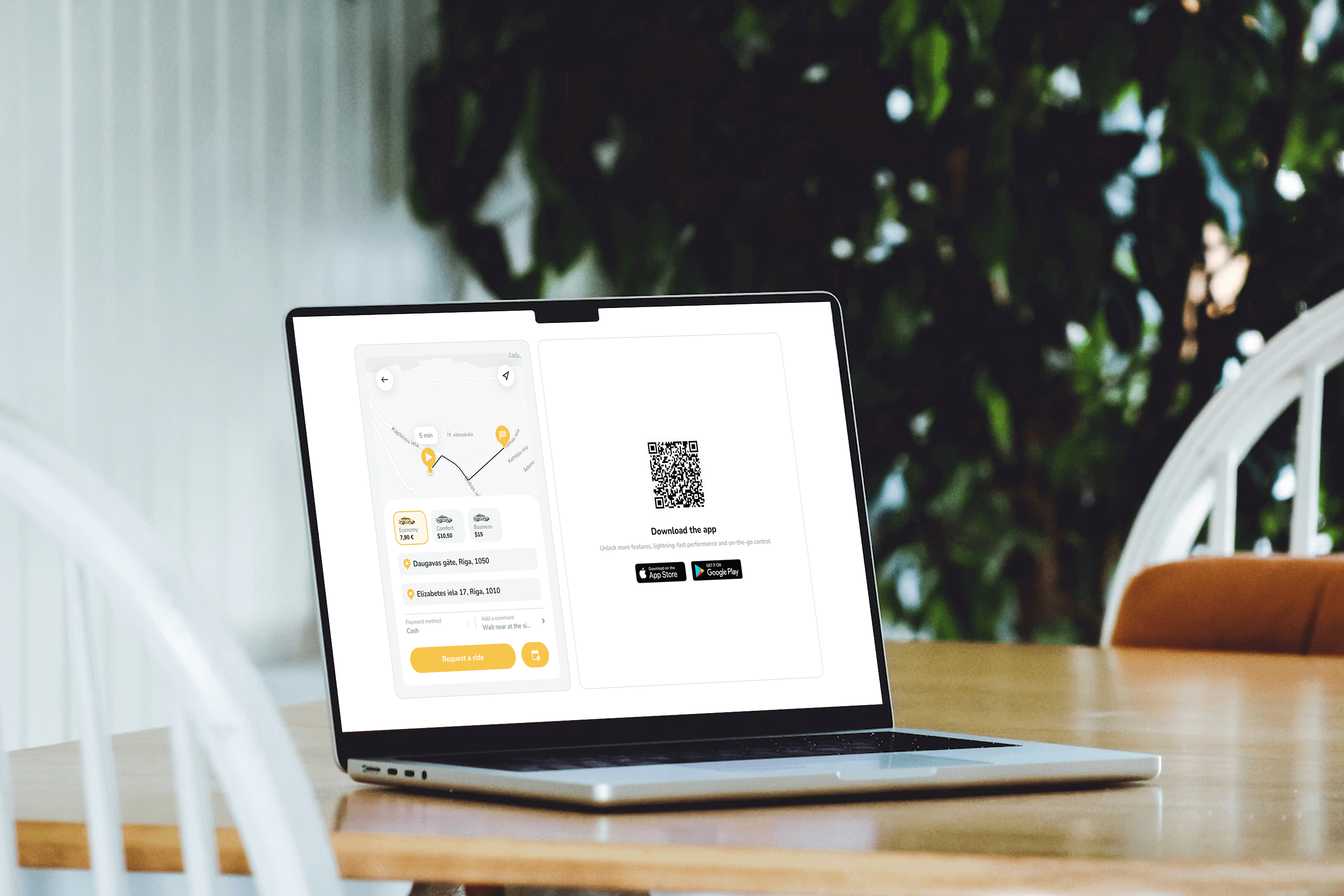
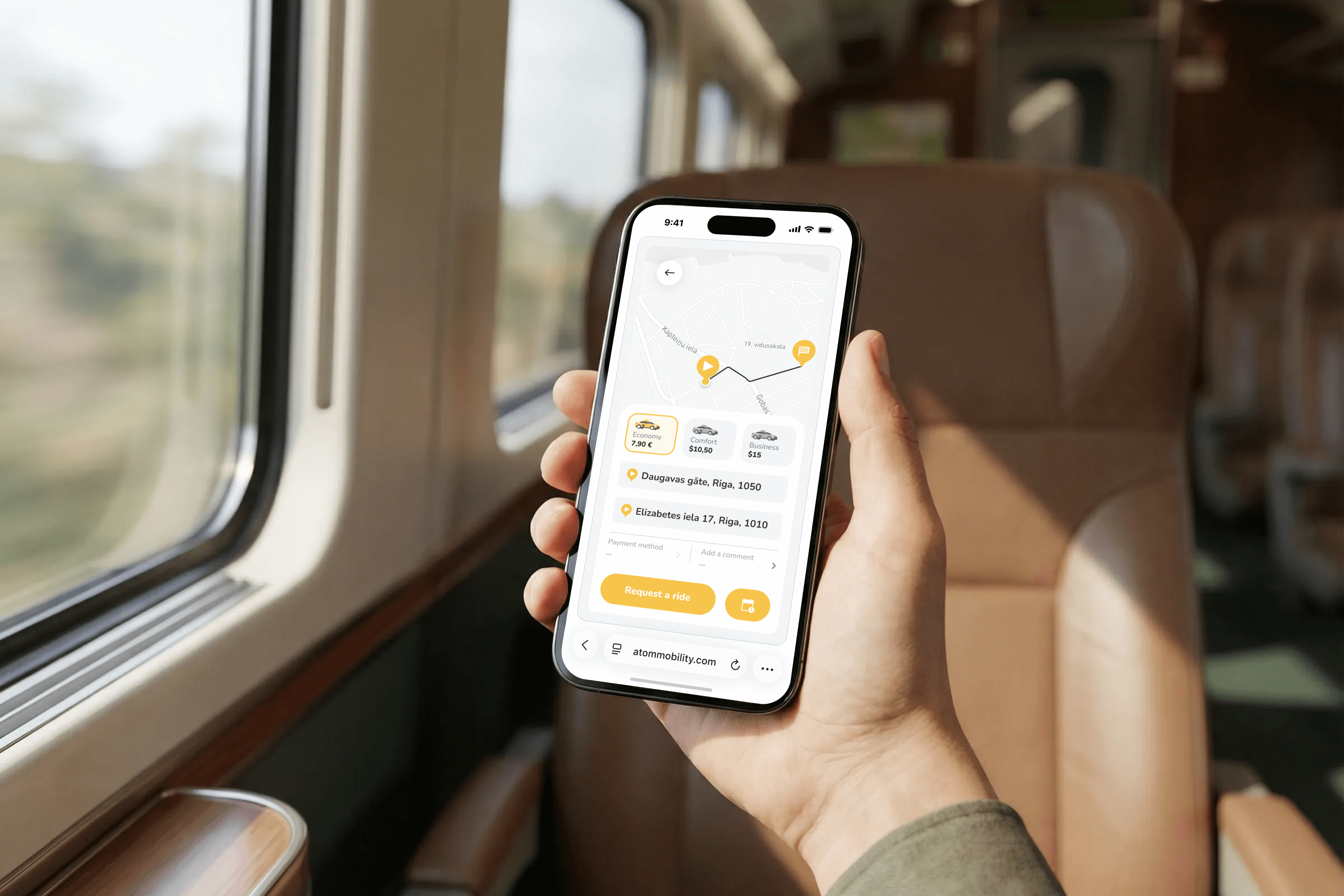
🚕 Web-booker is a lightweight ride-hail widget that lets users book rides directly from a website or mobile browser - no app install required. It reduces booking friction, supports hotel and partner demand, and keeps every ride fully synced with the taxi operator’s app and dashboard.
What if ordering a taxi was as easy as booking a room or clicking “Reserve table” on a website?
Meet Web-booker - a lightweight ride-hail booking widget that lets users request a cab directly from a website, without installing or opening the mobile app.
Perfect for hotels, business centers, event venues, airports, and corporate partners.
👉 Live demo: https://app.atommobility.com/taxi-widget
Web-booker is a browser-based ride-hail widget that operators can embed or link to from any website.
The booking happens on the web, but the ride is fully synchronized with the mobile app and operator dashboard.
No redirects. No app-store friction. No lost users.
This keeps fraud low while preserving conversion.
Web-booker addresses one of the most common friction points in ride-hailing: users who need a ride now but are not willing to download an app first. By allowing bookings directly from a website, operators can capture high-intent demand at the exact moment it occurs - whether that is on a hotel website, an event page, or a partner landing page.
At the same time, Web-booker makes partnerships with hotels and venues significantly easier. Instead of complex integrations or manual ordering flows, partners can simply place a button or link and immediately enable ride ordering for their guests. Importantly, this approach does not block long-term app growth. The booking flow still promotes the mobile app through QR codes and store links, allowing operators to convert web users into app users over time - without forcing the install upfront.
Web-booker is not designed to replace the mobile app. It extends the acquisition funnel by adding a low-friction entry point, while keeping all bookings fully synchronized with the operator’s app and dashboard.
👉 Try the demo
https://app.atommobility.com/taxi-widget
Want to explore a ride-hail or taxi solution for your business - or migrate to a more flexible platform? Visit: https://www.atommobility.com/products/ride-hailing
Anmeldedaten für die Driver App-Demo - E-Mail: test@atom.com, Passwort: Treiber

