Visão geral do hardware para micromobilidade compartilhada (2/3): dispositivos IoT e GPS, conectividade
May 2, 2020
leitura mínima


Na ATOM Mobility, sabemos que há muito a considerar ao iniciar uma empresa de mobilidade. Para ajudar a facilitar o processo, reunimos alguns dos fabricantes mais frequentemente recomendados de IoT, GPS e conectividade no mercado que atualmente estão integrados ao ATOM Mobility. Entre em contato conosco caso precise de orientação ou mais informações.

Para controlar e monitorar remotamente uma scooter, bicicleta elétrica, ciclomotor, carro ou qualquer outro veículo, você precisará instalar o chamado dispositivo IoT, que permite enviar comandos remotamente ao veículo e executá-los, além de monitorar a localização em tempo real e rastrear possíveis erros. Quais dispositivos de IoT e GPS estão no mercado?
A Teltonika é usada pelas maiores operadoras de mobilidade compartilhada do mundo. A empresa vendeu mais de 10 milhões de dispositivos de IoT durante seus mais de 10 anos no mercado e tem mais de 500 funcionários. Os dispositivos IoT da Teltonika podem ser usados para patinetes, patinetes/ciclomotores, bicicletas elétricas, carros, caminhões e até empilhadeiras. A lista de veículos suportados é muito longa. Alguns exemplos:
A Teltonika EMB100 é uma bicicleta elétrica IoT com conectividade GNSS, GSM e Bluetooth. A leitura integrada de dados da ECU expandirá ainda mais suas capacidades.
Rastreador de scooter eletrônico
O Teltonika E-SCOOTER TRACKERPLUS é um rastreador pequeno, profissional e à prova d'água para uma variedade de scooters elétricos. O dispositivo possui antenas GNSS/GSM internas de alto ganho, Bluetooth e bateria interna de íon de lítio de alta capacidade e faixa de fonte de alimentação de 10-97 V para uma variedade de integração.

TST100 da Teltonika
O Teltonika TST100 é um dispositivo de rastreamento de scooter elétrico com conectividade GNSS, GSM e Bluetooth integrada, projetado para compartilhar aplicativos. O TST100 permite ler informações da ECU de Kick e-scooters e controlá-las remotamente.
O FMB130 é um rastreador com GNSS interno, antenas GSM, entradas digitais/analógicas configuráveis/entradas negativas/entradas de impulso, três saídas DOUT, conectividade Bluetooth e bateria de reserva.
Adequado para: patinetes, patinetes, ciclomotores (a gasolina e elétricos), bicicletas elétricas, carros, caminhões e muito mais.
Preço: 60 USD - 120 USD/ 50€ - 120€ dependendo do modelo e da quantidade. Sem mensalidades.
Empresa com sede na China e fornece dispositivos de IoT principalmente para patinetes e bicicletas. É amplamente utilizado por fabricantes de veículos que usam o Omni IoT como uma opção embutida padrão (como Segway, Acton e muitos outros).
Adequado para: kick scooters, bicicletas e e-bikes.
Preço: 45 USD- 85 USD/ 40€ - 80€ por peça, dependendo do modelo e da quantidade. Em alguns casos, os fabricantes que usam o Omni IoT por padrão podem cobrar uma taxa mensal pela conectividade.
A Comodule é uma startup em rápido crescimento com sede em Tallinn (Estônia), com escritórios de desenvolvimento de negócios em Berlim (Alemanha) e Taipei (Taiwan). Eles trabalharam com muitas grandes empresas, incluindo Jump e Bolt. O Comodule fornece o dispositivo IoT e o servidor em nuvem com API. É por isso que eles têm taxas mensais adicionais.
Adequado para: Kick scooters e bicicletas elétricas.
Preço: 80 USD - 150 USD/ 80€ - 130€ dependendo da quantidade e taxas mensais.
Decidimos adicionar à lista também o dispositivo Lighbug que, na verdade, não é um dispositivo IoT (não conectado ao veículo), mas pode ser usado em alguns casos apenas para monitorar a localização em tempo real e acionar o som do alarme, se necessário. As soluções de GPS remoto da Lightbug podem ser usadas nos casos em que você não deseja se integrar ao veículo. O modelo tem bateria que dura de 30 a 60 dias se enviar dados de localização a cada minuto e de até 10 a 15 anos se a regularidade de atualização for menor. Ótimo resultado! Você pode conectar o GPS basicamente em qualquer lugar, não apenas em um veículo.

O Lightbug Pro é um rastreador de nível industrial, projetado para ter uma duração de bateria de até 15 anos
Adequado para: rastreamento de localização em tempo real de qualquer ativo ou pessoa
Preço: 95 DÓLARES - 115 DÓLARES/ 89,90€ - 104,00€
Conectividade e dados
Cada dispositivo IOT exigirá um cartão SIM com capacidade de dados para enviar e receber comandos. Embora alguns fabricantes ofereçam dispositivos de IoT junto com cartões SIM e dados, outros oferecem mais flexibilidade para você escolher. O uso de dados varia de acordo com o dispositivo de IoT que você usa e as configurações, mas, em geral, cada cartão SIM consome cerca de 5 a 30 MB/mês. Os fornecedores locais de cartões SIM podem oferecer uma estimativa de preço que deve ser de cerca de 0,5 a 2 EUR/mês por cartão SIM. Alguns provedores globais de conectividade que se concentram no mercado de mobilidade compartilhada:
Direto preços pré-pagos em mais de 180 países. Em média, cerca de 2 USD/mês por cartão SIM e dados.
O 1oT tem excelente cobertura em todo o mundo e preços flexíveis sem taxas mensais (você paga somente pelo uso de dados).
A tarifa fixa de IoT da 1NCE é um modelo de preço com tudo incluído para conectividade de IoT. É uma oferta pré-paga para conectar dispositivos de IoT por até 10 anos a um preço de 10 euros, incluindo todos os recursos necessários, como permissão de dados, custo do cartão SIM, APN, OpenVPN e SMS (250 sms). Por 10 euros, você receberá um cartão SIM com 500 MB (provavelmente será suficiente para 1,5 a 2 anos). Se você está pronto para pagar adiantado 10 EUR/SIM, esta é a melhor oferta disponível.
O Truphone é outra ótima alternativa para dar uma olhada. Por 12 euros por SIM, você receberá 250 MB para usar em 3 anos.
Essa é a segunda parte da visão geral do hardware. Na próxima postagem do blog, abordaremos a lista de fechaduras inteligentes populares. Entre em contato com a ATOM Mobility para quaisquer perguntas ou dúvidas adicionais que você possa ter sobre os produtos e fornecedores disponíveis.
ATOM Mobility - Capacitamos empreendedores a lançar plataformas de compartilhamento de veículos.
Clique abaixo para saber mais ou solicitar uma demonstração.

The micromobility industry doesn’t need another generic mobility conference. 🚫🎤 It needs real conversations between operators who are actually in the field. ⚙️ That’s exactly what ATOM Connect 2026 is built for. 🎯🤝
The shared mobility industry is evolving rapidly. Operators are navigating scaling challenges, regulatory complexity, hardware decisions, fleet optimization, and new integration models, all while aiming for sustainable growth.
That’s exactly why ATOM Mobility is organizing ATOM Connect 2026.
Our previous edition of ATOM Connect brought together professionals from the car sharing and rental industry for focused, high-quality discussions and networking. This year, we are narrowing the focus and dedicating the entire event to one fast-moving segment of the industry: shared micromobility.
ATOM Connect 2026 is designed specifically for operators, partners, and decision-makers working in shared micromobility. It is not a broad mobility conference or a public exhibition. It is a curated space for industry professionals to exchange practical experience, insights, and lessons learned.
On May 14th, 2026 in Riga, we will once again bring the community together, this time with a clear focus on micromobility.
This year’s agenda will address the real operational and strategic questions shaping shared micromobility today:
As usual, we aim to host both local and international operators from smaller, fast-growing fleets to established large-scale players alongside hardware providers and ecosystem partners.
On stage, you’ll hear from leading shared mobility companies - including Segway on hardware partnerships, Umob on MaaS integration, Anadue on data-driven fleet intelligence, Elerent on multi-vehicle operational realities and more insightful discussions.
The goal is simple: meaningful discussions with people who understand the operational realities of the industry.
ATOM Connect is free to attend, but participation is industry-focused (each submission is manually reviewed and verified). We are intentionally keeping the audience relevant and aligned to ensure high-quality conversations and valuable networking.
If you work in shared micromobility and would like to join the event, you can find the full agenda and register here:
👉 https://www.atommobility.com/atom-connect-2026
In the coming weeks, we will be revealing more speakers and additional agenda updates. We look forward to bringing the industry together again.
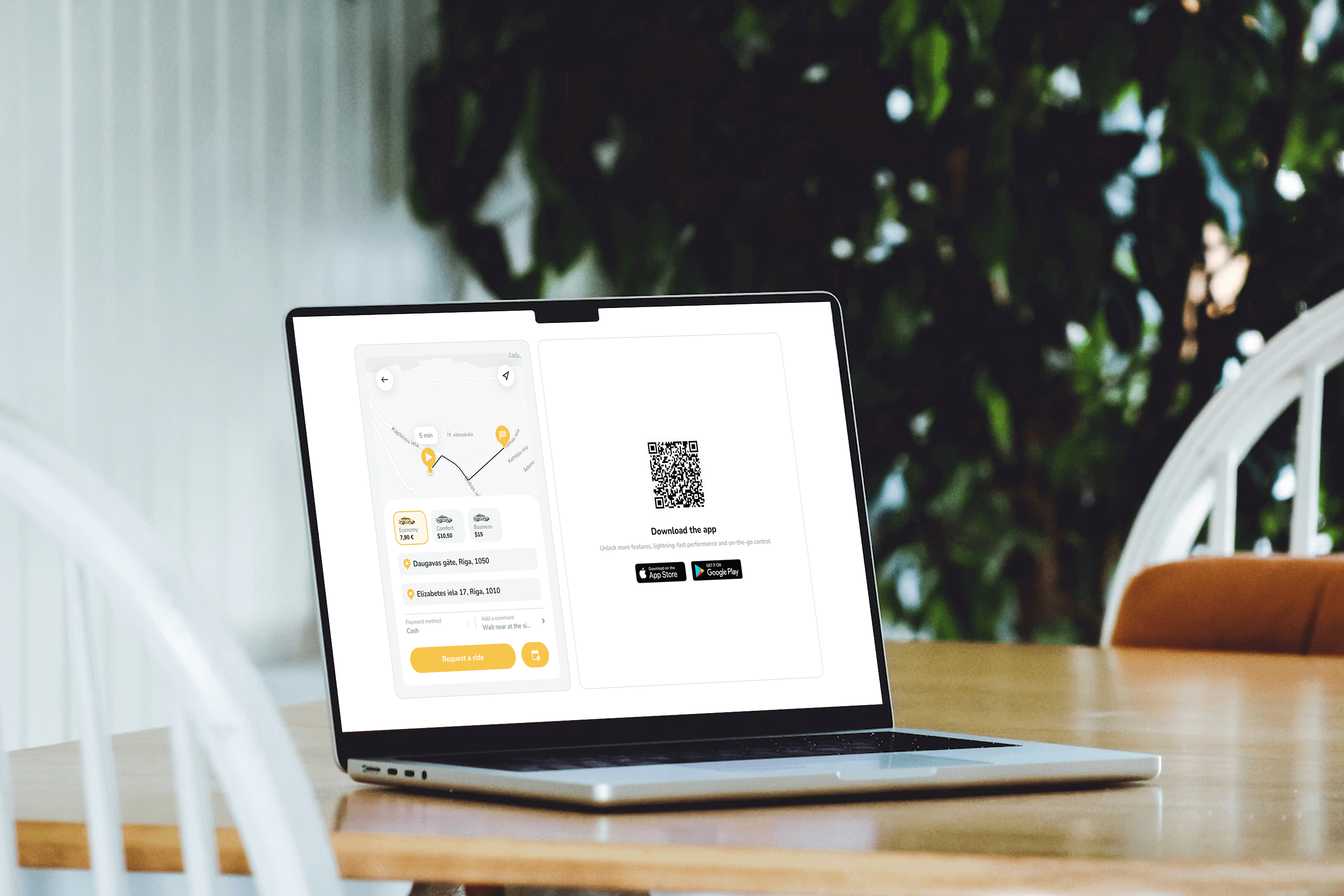
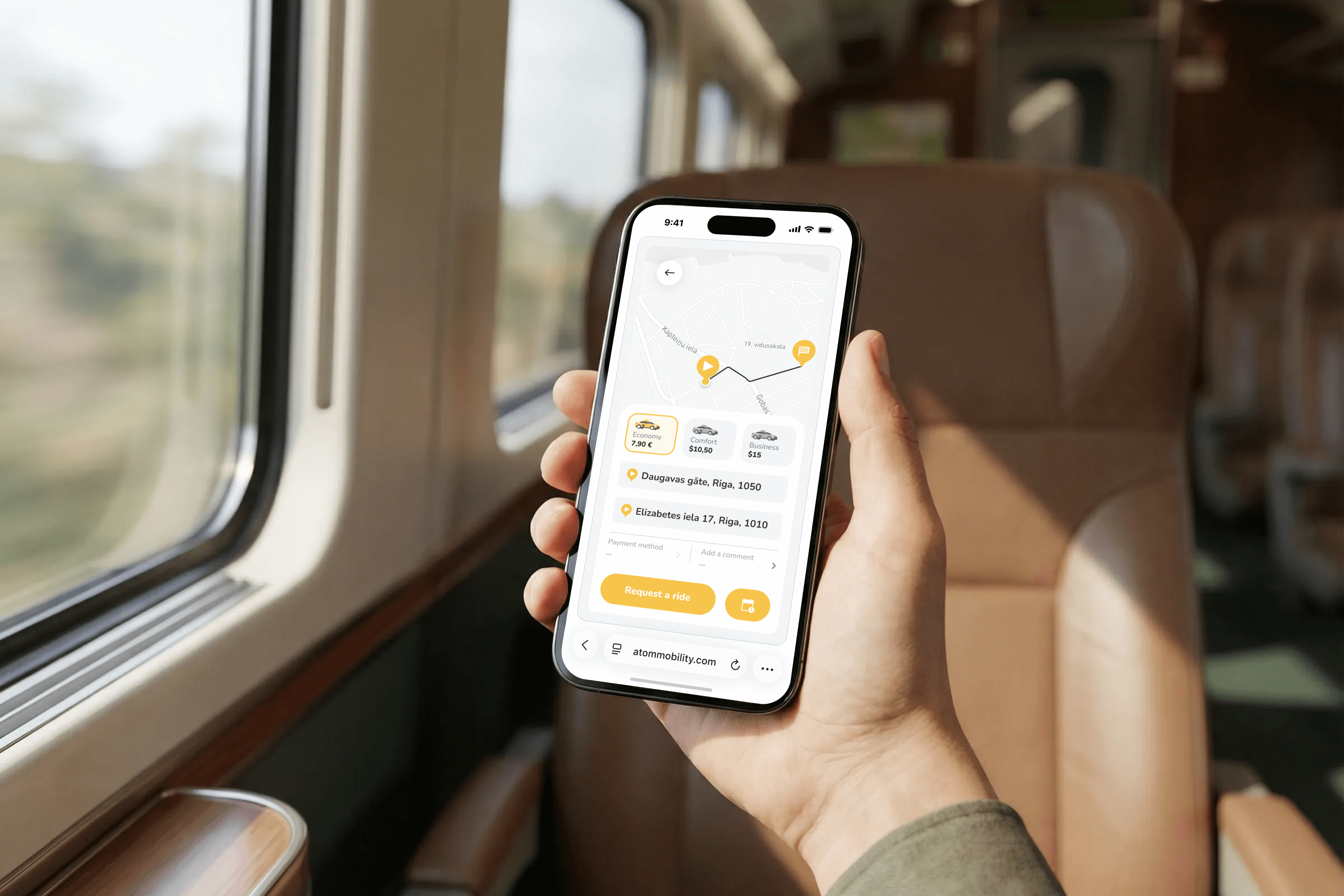
🚕 Web-booker is a lightweight ride-hail widget that lets users book rides directly from a website or mobile browser - no app install required. It reduces booking friction, supports hotel and partner demand, and keeps every ride fully synced with the taxi operator’s app and dashboard.
What if ordering a taxi was as easy as booking a room or clicking “Reserve table” on a website?
Meet Web-booker - a lightweight ride-hail booking widget that lets users request a cab directly from a website, without installing or opening the mobile app.
Perfect for hotels, business centers, event venues, airports, and corporate partners.
👉 Live demo: https://app.atommobility.com/taxi-widget
Web-booker is a browser-based ride-hail widget that operators can embed or link to from any website.
The booking happens on the web, but the ride is fully synchronized with the mobile app and operator dashboard.
No redirects. No app-store friction. No lost users.
This keeps fraud low while preserving conversion.
Web-booker addresses one of the most common friction points in ride-hailing: users who need a ride now but are not willing to download an app first. By allowing bookings directly from a website, operators can capture high-intent demand at the exact moment it occurs - whether that is on a hotel website, an event page, or a partner landing page.
At the same time, Web-booker makes partnerships with hotels and venues significantly easier. Instead of complex integrations or manual ordering flows, partners can simply place a button or link and immediately enable ride ordering for their guests. Importantly, this approach does not block long-term app growth. The booking flow still promotes the mobile app through QR codes and store links, allowing operators to convert web users into app users over time - without forcing the install upfront.
Web-booker is not designed to replace the mobile app. It extends the acquisition funnel by adding a low-friction entry point, while keeping all bookings fully synchronized with the operator’s app and dashboard.
👉 Try the demo
https://app.atommobility.com/taxi-widget
Want to explore a ride-hail or taxi solution for your business - or migrate to a more flexible platform? Visit: https://www.atommobility.com/products/ride-hailing
Credenciais de demonstração do Driver App - E-mail: test@atom.com, Senha: motorista

