Panoramica dell'hardware per la micromobilità condivisa (2/3): dispositivi IoT e GPS, connettività
May 2, 2020
lettura minima


In ATOM Mobility, sappiamo che c'è molto da considerare quando si avvia un'azienda di mobilità. Per semplificare il processo, abbiamo stilato un elenco di alcuni dei produttori di IoT, GPS e connettività più consigliati sul mercato e attualmente integrati con ATOM Mobility. Contattaci se hai bisogno di una guida o di ulteriori informazioni.

Per controllare e monitorare da remoto monopattino, e-bike, ciclomotore, auto o qualsiasi altro veicolo è necessario installare il cosiddetto dispositivo IoT che consente di inviare comandi in remoto al veicolo ed eseguirli, nonché di monitorare la posizione in tempo reale e tenere traccia di possibili errori. Quali dispositivi IoT e GPS sono disponibili sul mercato?
Teltonika è utilizzato dai maggiori operatori di mobilità condivisa al mondo. L'azienda ha venduto più di 10 milioni di dispositivi IoT durante i suoi oltre 10 anni di presenza sul mercato e ha più di 500 dipendenti. I dispositivi IoT di Teltonika possono essere utilizzati per monopattini, scooter/ciclomotori, e-bike, auto, camion e persino carrelli elevatori. L'elenco dei veicoli supportati è molto lungo. Alcuni esempi:
Teltonika EMB100 è una e-bike IoT con connettività GNSS, GSM e Bluetooth. La lettura integrata dei dati della ECU amplierà ulteriormente le tue capacità.
Localizzatore per scooter elettrici
Teltonika E-SCOOTER TRACKERPLUS è un localizzatore piccolo, professionale e impermeabile per una varietà di scooter elettrici. Il dispositivo è dotato di antenne GNSS/GSM interne ad alto guadagno, Bluetooth e batteria interna agli ioni di litio ad alta capacità e intervallo di alimentazione da 10-97 V per una varietà di integrazione.

TST100 di Teltonika
Teltonika TST100 è un dispositivo di localizzazione per scooter elettrici Kick con connettività GNSS, GSM e Bluetooth integrata, progettato per la condivisione di applicazioni. TST100 offre la possibilità di leggere le informazioni dall'ECU dei kick e-scooter e controllarli da remoto.
FMB130 è un tracker con GNSS interno, antenne GSM, ingressi digitali/analogici configurabili/ingressi negativi/ingressi impulsi, tre uscite DOUT, connettività Bluetooth e batteria di backup.
Adatto per: monopattini, monopattini, ciclomotori (sia a benzina che elettrici), e-bike, auto, camion e altro ancora.
Prezzo: 60 USD - 120 USD/50€ - 120€ a seconda del modello e della quantità. Nessun canone mensile.
Azienda con sede in Cina e fornisce dispositivi IoT principalmente per monopattini e biciclette. È ampiamente utilizzato dai produttori di veicoli che utilizzano Omni IoT come opzione integrata predefinita (come Segway, Acton e molti altri).
Adatto per: monopattini, bici ed e-bike.
Prezzo: 45 USD- 85 USD/40€ - 80€ al pezzo a seconda del modello e della quantità. In alcuni casi, i produttori che utilizzano Omni IoT per impostazione predefinita potrebbero addebitare una tariffa mensile per la connettività.
Comodule è una startup in rapida crescita con sede a Tallinn (Estonia), con uffici di sviluppo aziendale a Berlino (Germania) e Taipei (Taiwan). Hanno lavorato con molte grandi aziende tra cui Jump and Bolt. Comodule fornisce API sia al dispositivo IoT che al server cloud. Questo è il motivo per cui hanno tariffe mensili aggiuntive.
Adatto per: monopattini ed e-bike.
Prezzo: 80 USD - 150 USD/80€ - 130€ a seconda della quantità + canoni mensili.
Abbiamo deciso di aggiungere all'elenco anche il dispositivo Lighbug che in realtà non è un dispositivo IoT (non connesso al veicolo), ma può essere utilizzato in alcuni casi solo per monitorare la posizione in tempo reale e attivare il suono di allarme se necessario. Le soluzioni GPS remote di Lightbug possono essere utilizzate nei casi in cui non si desidera integrarle nel veicolo. Il modello ha una batteria che dura 30-60 giorni se si inviano dati sulla posizione ogni minuto e fino a 10-15 anni se la regolarità degli aggiornamenti è inferiore. Ottimo risultato! È possibile collegare il GPS praticamente ovunque, non solo su un veicolo.

Lightbug Pro è un tracker di livello industriale, progettato per avere una durata della batteria fino a 15 anni
Adatto per: localizzazione in tempo reale di qualsiasi risorsa o persona
Prezzo: 95 DOLLARI - 115 DOLLARI/89,90€ - 104,00€
Connettività e dati
Ogni dispositivo IOT richiederà una scheda SIM con capacità dati per inviare e ricevere comandi. Mentre alcuni produttori offrono dispositivi IoT insieme a schede SIM e dati, altri offrono una maggiore flessibilità tra cui scegliere. L'utilizzo dei dati varia a seconda del dispositivo IoT utilizzato e delle configurazioni, ma in generale ogni scheda SIM consuma circa 5-30 MB/mese. I fornitori locali di schede SIM possono offrirti una stima del prezzo che dovrebbe aggirarsi intorno a 0,5 - 2 EUR/mese per scheda SIM. Alcuni fornitori di connettività globali che si concentrano sul mercato della mobilità condivisa:
Semplice prezzi con pagamento in base al consumo in oltre 180 paesi. In media circa 2 USD al mese per scheda SIM + dati.
1oT offre un'ottima copertura in tutto il mondo e prezzi flessibili senza canoni mensili (paghi solo per l'utilizzo dei dati).
L'1NCE IoT Flat Rate è un modello di prezzo completo per la connettività IoT. È un'offerta prepagata per connettere dispositivi IoT per un massimo di 10 anni al prezzo di 10 EUR, che include tutte le funzionalità necessarie come la quantità di dati, il costo della carta SIM, APN, OpenVPN e SMS (250 sms). Per 10 EUR otterrai una scheda SIM da 500 MB (molto probabilmente sarà sufficiente per 1,5 - 2 anni). Se sei pronto a pagare in anticipo 10 EUR/SIM, questa è la migliore offerta disponibile.
Truphone è un'altra ottima alternativa a cui dare un'occhiata. Per 12 EUR per SIM avrai 250 MB da utilizzare entro 3 anni.
Questa è la seconda parte della panoramica dell'hardware. Nel prossimo post del blog tratteremo l'elenco delle serrature intelligenti più popolari. Contattate ATOM Mobility per ulteriori domande o richieste sui prodotti e sui fornitori disponibili.
ATOM Mobility - Consentiamo agli imprenditori di lanciare piattaforme di condivisione di veicoli.
Fai clic qui sotto per saperne di più o richiedere una demo.

The micromobility industry doesn’t need another generic mobility conference. 🚫🎤 It needs real conversations between operators who are actually in the field. ⚙️ That’s exactly what ATOM Connect 2026 is built for. 🎯🤝
The shared mobility industry is evolving rapidly. Operators are navigating scaling challenges, regulatory complexity, hardware decisions, fleet optimization, and new integration models, all while aiming for sustainable growth.
That’s exactly why ATOM Mobility is organizing ATOM Connect 2026.
Our previous edition of ATOM Connect brought together professionals from the car sharing and rental industry for focused, high-quality discussions and networking. This year, we are narrowing the focus and dedicating the entire event to one fast-moving segment of the industry: shared micromobility.
ATOM Connect 2026 is designed specifically for operators, partners, and decision-makers working in shared micromobility. It is not a broad mobility conference or a public exhibition. It is a curated space for industry professionals to exchange practical experience, insights, and lessons learned.
On May 14th, 2026 in Riga, we will once again bring the community together, this time with a clear focus on micromobility.
This year’s agenda will address the real operational and strategic questions shaping shared micromobility today:
As usual, we aim to host both local and international operators from smaller, fast-growing fleets to established large-scale players alongside hardware providers and ecosystem partners.
On stage, you’ll hear from leading shared mobility companies - including Segway on hardware partnerships, Umob on MaaS integration, Anadue on data-driven fleet intelligence, Elerent on multi-vehicle operational realities and more insightful discussions.
The goal is simple: meaningful discussions with people who understand the operational realities of the industry.
ATOM Connect is free to attend, but participation is industry-focused (each submission is manually reviewed and verified). We are intentionally keeping the audience relevant and aligned to ensure high-quality conversations and valuable networking.
If you work in shared micromobility and would like to join the event, you can find the full agenda and register here:
👉 https://www.atommobility.com/atom-connect-2026
In the coming weeks, we will be revealing more speakers and additional agenda updates. We look forward to bringing the industry together again.
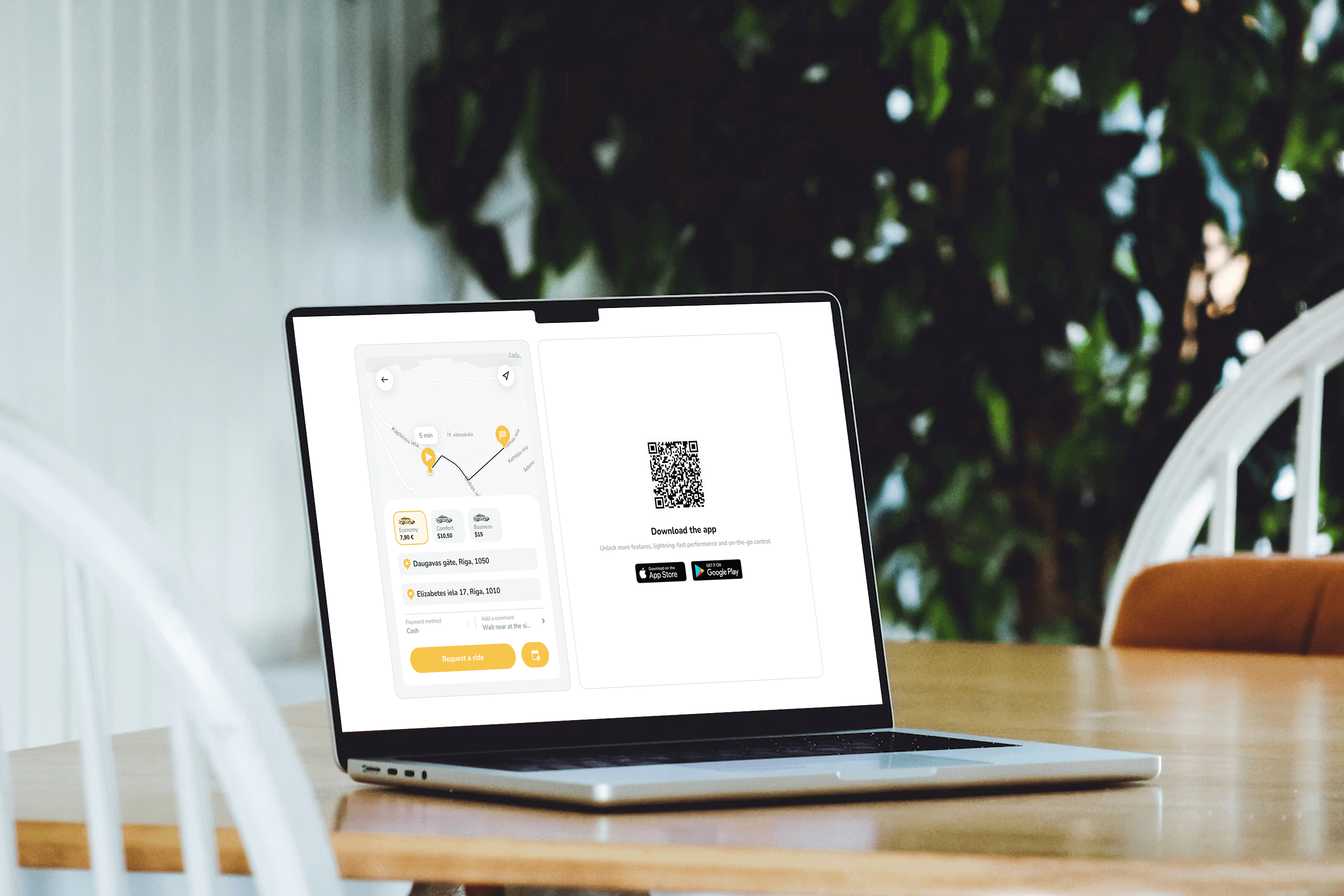
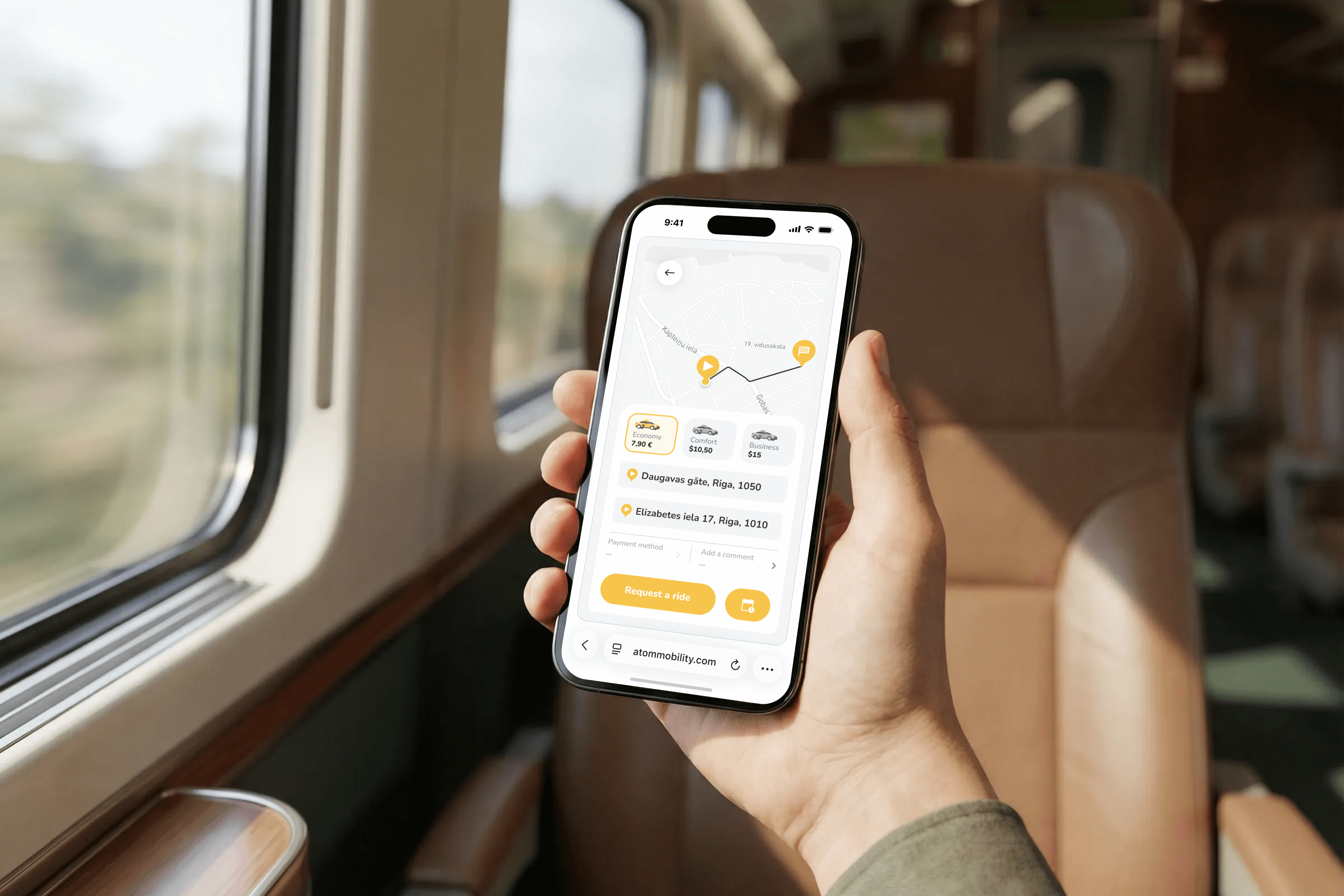
🚕 Web-booker is a lightweight ride-hail widget that lets users book rides directly from a website or mobile browser - no app install required. It reduces booking friction, supports hotel and partner demand, and keeps every ride fully synced with the taxi operator’s app and dashboard.
What if ordering a taxi was as easy as booking a room or clicking “Reserve table” on a website?
Meet Web-booker - a lightweight ride-hail booking widget that lets users request a cab directly from a website, without installing or opening the mobile app.
Perfect for hotels, business centers, event venues, airports, and corporate partners.
👉 Live demo: https://app.atommobility.com/taxi-widget
Web-booker is a browser-based ride-hail widget that operators can embed or link to from any website.
The booking happens on the web, but the ride is fully synchronized with the mobile app and operator dashboard.
No redirects. No app-store friction. No lost users.
This keeps fraud low while preserving conversion.
Web-booker addresses one of the most common friction points in ride-hailing: users who need a ride now but are not willing to download an app first. By allowing bookings directly from a website, operators can capture high-intent demand at the exact moment it occurs - whether that is on a hotel website, an event page, or a partner landing page.
At the same time, Web-booker makes partnerships with hotels and venues significantly easier. Instead of complex integrations or manual ordering flows, partners can simply place a button or link and immediately enable ride ordering for their guests. Importantly, this approach does not block long-term app growth. The booking flow still promotes the mobile app through QR codes and store links, allowing operators to convert web users into app users over time - without forcing the install upfront.
Web-booker is not designed to replace the mobile app. It extends the acquisition funnel by adding a low-friction entry point, while keeping all bookings fully synchronized with the operator’s app and dashboard.
👉 Try the demo
https://app.atommobility.com/taxi-widget
Want to explore a ride-hail or taxi solution for your business - or migrate to a more flexible platform? Visit: https://www.atommobility.com/products/ride-hailing
Credenziali demo dell'app Driver - Email: test@atom.com, Password: autista

