Hardwareübersicht für gemeinsam genutzte Mikromobilität (2/3): IoT- und GPS-Geräte, Konnektivität
May 2, 2020
min. Lesedauer


Wir bei ATOM Mobility wissen, dass es bei der Gründung eines Mobilitätsunternehmens viel zu beachten gibt. Um den Prozess zu vereinfachen, haben wir eine Aufschlüsselung der am häufigsten empfohlenen Hersteller von IoT, GPS und Konnektivität auf dem Markt zusammengestellt, die derzeit in ATOM Mobility integriert sind. Kontaktieren Sie uns, falls Sie eine Anleitung oder weitere Informationen benötigen.

Um Kick-Scooter, E-Bike, Moped, Auto oder jedes andere Fahrzeug fernsteuern und überwachen zu können, müssen Sie ein sogenanntes IoT-Gerät installieren, das es ermöglicht, Befehle aus der Ferne an das Fahrzeug zu senden und diese auszuführen sowie den Standort in Echtzeit zu überwachen und mögliche Fehler zu verfolgen. Welche IoT- und GPS-Geräte gibt es auf dem Markt?
Teltonika wird von den größten Shared-Mobility-Betreibern der Welt genutzt. Das Unternehmen hat in den mehr als 10 Jahren auf dem Markt mehr als 10 Millionen IoT-Geräte verkauft und beschäftigt mehr als 500 Mitarbeiter. IoT-Geräte von Teltonika können für Kickscooter, Roller/Mopeds, E-Bikes, Autos, Lastwagen und sogar Gabelstapler verwendet werden. Die Liste der unterstützten Fahrzeuge ist sehr lang. Einige Beispiele:
Teltonika EMB100 ist ein E-Bike-IoT mit GNSS-, GSM- und Bluetooth-Konnektivität. Das integrierte Lesen von ECU-Daten wird Ihre Möglichkeiten noch weiter erweitern.
Teltonika E-SCOOTER TRACKERPLUS ist ein kleiner, professioneller und wasserdichter Tracker für eine Vielzahl von Elektrorollern. Das Gerät verfügt über interne GNSS/GSM-Antennen mit hoher Verstärkung, Bluetooth und einen internen Li-Ionen-Akku mit hoher Kapazität sowie einen Versorgungsbereich von 10-97 V für eine vielfältige Integration.

TST100 von Teltonika
Teltonika TST100 ist ein Kick-E-Scooter-Tracking-Gerät mit integrierter GNSS-, GSM- und Bluetooth-Konnektivität, das für die gemeinsame Nutzung von Anwendungen entwickelt wurde. Der TST100 ermöglicht es, Informationen vom Steuergerät von Kick-E-Scootern zu lesen und sie fernzusteuern.
Der FMB130 ist ein Tracker mit internem GNSS, GSM-Antennen, konfigurierbaren digitalen/analogen Eingängen/negativen Eingangs-/Impulseingängen, drei DOUT-Ausgängen, Bluetooth-Konnektivität und Pufferbatterie.
Geeignet für: Tretroller, Roller, Mopeds (sowohl Benzin als auch elektrisch), E-Bikes, Autos, Lastwagen und mehr.
Preis: 60 USD - 120 USD/50€ - 120€ je nach Modell und Menge. Keine monatlichen Gebühren.
Das in China ansässige Unternehmen bietet IoT-Geräte hauptsächlich für Kick-Scooter und Fahrräder an. Es wird häufig von Fahrzeugherstellern verwendet, die Omni IoT als Standardoption verwenden (wie Segway, Acton und viele andere).
Geeignet für: Kick-Scooter, Fahrräder und E-Bikes.
Preis: 45 USD- 85 USD/40€ - 80€ pro Stück je nach Modell und Menge. In einigen Fällen können Hersteller, die Omni IoT standardmäßig verwenden, eine monatliche Gebühr für die Konnektivität erheben.
Comodule ist ein schnell wachsendes Startup mit Hauptsitz in Tallinn (Estland) und Geschäftsentwicklungsbüros in Berlin (Deutschland) und Taipeh (Taiwan). Sie arbeiteten mit vielen großen Unternehmen zusammen, darunter Jump und Bolt. Comodule bietet sowohl IoT-Gerät als auch Cloud-Server mit API. Aus diesem Grund fallen zusätzliche monatliche Gebühren an.
Geeignet für: Kick-Scooter und E-Bikes.
Preis: 80 USD - 150 USD/80€ - 130€ je nach Menge + monatliche Gebühren.
Wir haben beschlossen, der Liste auch ein Lighbug-Gerät hinzuzufügen, das eigentlich kein IoT-Gerät ist (nicht mit dem Fahrzeug verbunden), aber in einigen Fällen nur verwendet werden kann, um den Standort in Echtzeit zu überwachen und bei Bedarf einen Alarmton auszulösen. Die GPS-Fernlösungen von Lightbug können in Fällen verwendet werden, in denen Sie sie nicht in das Fahrzeug integrieren möchten. Das Modell verfügt über eine Batterie, die 30-60 Tage hält, wenn die Standortdaten jede Minute gesendet werden, und bis zu 10-15 Jahre, wenn die Regelmäßigkeit der Updates geringer ist. Tolles Ergebnis! Sie können GPS praktisch überall anbringen, nicht nur an einem Fahrzeug.

Lightbug Pro ist ein Tracker in Industriequalität, der für eine Akkulaufzeit von bis zu 15 Jahren konzipiert wurde
Geeignet für: Standortverfolgung von Vermögenswerten oder Personen in Echtzeit
Preis: 95 USD - 115 USD/89,90€ - 104,00€
Konnektivität und Daten
Jedes IOT-Gerät benötigt eine SIM-Karte mit Datenfähigkeit, um Befehle senden und empfangen zu können. Während einige Hersteller IoT-Geräte zusammen mit SIM-Karten und Daten anbieten, bieten Ihnen andere mehr Flexibilität bei der Auswahl. Die Datennutzung variiert je nach verwendetem IoT-Gerät und Konfiguration, aber im Allgemeinen verbraucht jede SIM-Karte etwa 5 bis 30 MB pro Monat. Lokale SIM-Kartenanbieter können Ihnen eine Preisschätzung anbieten, die zwischen 0,5 und 2 EUR/Monat pro SIM-Karte liegen sollte. Einige globale Konnektivitätsanbieter, die sich auf den Markt für gemeinsame Mobilität konzentrieren:
Unkompliziert nutzungsbasierte Preisgestaltung in über 180 Ländern. Im Durchschnitt rund 2 USD/Monat pro SIM-Karte plus Daten.
1oT bietet eine hervorragende Abdeckung auf der ganzen Welt und flexible Preise ohne monatliche Gebühren (Sie zahlen nur für die Datennutzung).
Die 1NCE IoT Flat Rate ist ein All-Inclusive-Preismodell für IoT-Konnektivität. Es handelt sich um ein Prepaid-Angebot zur Verbindung von IoT-Geräten für bis zu 10 Jahre zum Preis von 10 EUR, einschließlich aller erforderlichen Funktionen wie Datenvolumen, SIM-Kartenkosten, APN, OpenVPN und SMS (250 SMS). Für 10 EUR erhalten Sie eine SIM-Karte mit 500 MB (wahrscheinlich reicht das für 1,5 — 2 Jahre). Wenn Sie bereit sind, 10 EUR/SIM im Voraus zu zahlen, ist dies das beste verfügbare Angebot.
Truphone ist eine weitere großartige Alternative, die Sie sich ansehen sollten. Für 12 EUR pro SIM erhalten Sie 250 MB, die Sie innerhalb von 3 Jahren nutzen können.
Dies ist der zweite Teil der Hardwareübersicht. Im nächsten Blogbeitrag werden wir die Liste der beliebtesten Smart Locks behandeln. Wenden Sie sich an ATOM Mobility, wenn Sie weitere Fragen oder Anfragen zu verfügbaren Produkten und Lieferanten haben.
ATOM Mobility - Wir ermöglichen Unternehmern, Plattformen für die gemeinsame Nutzung von Fahrzeugen auf den Markt zu bringen.
Klicken Sie unten, um mehr zu erfahren oder eine Demo anzufordern.

The micromobility industry doesn’t need another generic mobility conference. 🚫🎤 It needs real conversations between operators who are actually in the field. ⚙️ That’s exactly what ATOM Connect 2026 is built for. 🎯🤝
The shared mobility industry is evolving rapidly. Operators are navigating scaling challenges, regulatory complexity, hardware decisions, fleet optimization, and new integration models, all while aiming for sustainable growth.
That’s exactly why ATOM Mobility is organizing ATOM Connect 2026.
Our previous edition of ATOM Connect brought together professionals from the car sharing and rental industry for focused, high-quality discussions and networking. This year, we are narrowing the focus and dedicating the entire event to one fast-moving segment of the industry: shared micromobility.
ATOM Connect 2026 is designed specifically for operators, partners, and decision-makers working in shared micromobility. It is not a broad mobility conference or a public exhibition. It is a curated space for industry professionals to exchange practical experience, insights, and lessons learned.
On May 14th, 2026 in Riga, we will once again bring the community together, this time with a clear focus on micromobility.
This year’s agenda will address the real operational and strategic questions shaping shared micromobility today:
As usual, we aim to host both local and international operators from smaller, fast-growing fleets to established large-scale players alongside hardware providers and ecosystem partners.
On stage, you’ll hear from leading shared mobility companies - including Segway on hardware partnerships, Umob on MaaS integration, Anadue on data-driven fleet intelligence, Elerent on multi-vehicle operational realities and more insightful discussions.
The goal is simple: meaningful discussions with people who understand the operational realities of the industry.
ATOM Connect is free to attend, but participation is industry-focused (each submission is manually reviewed and verified). We are intentionally keeping the audience relevant and aligned to ensure high-quality conversations and valuable networking.
If you work in shared micromobility and would like to join the event, you can find the full agenda and register here:
👉 https://www.atommobility.com/atom-connect-2026
In the coming weeks, we will be revealing more speakers and additional agenda updates. We look forward to bringing the industry together again.
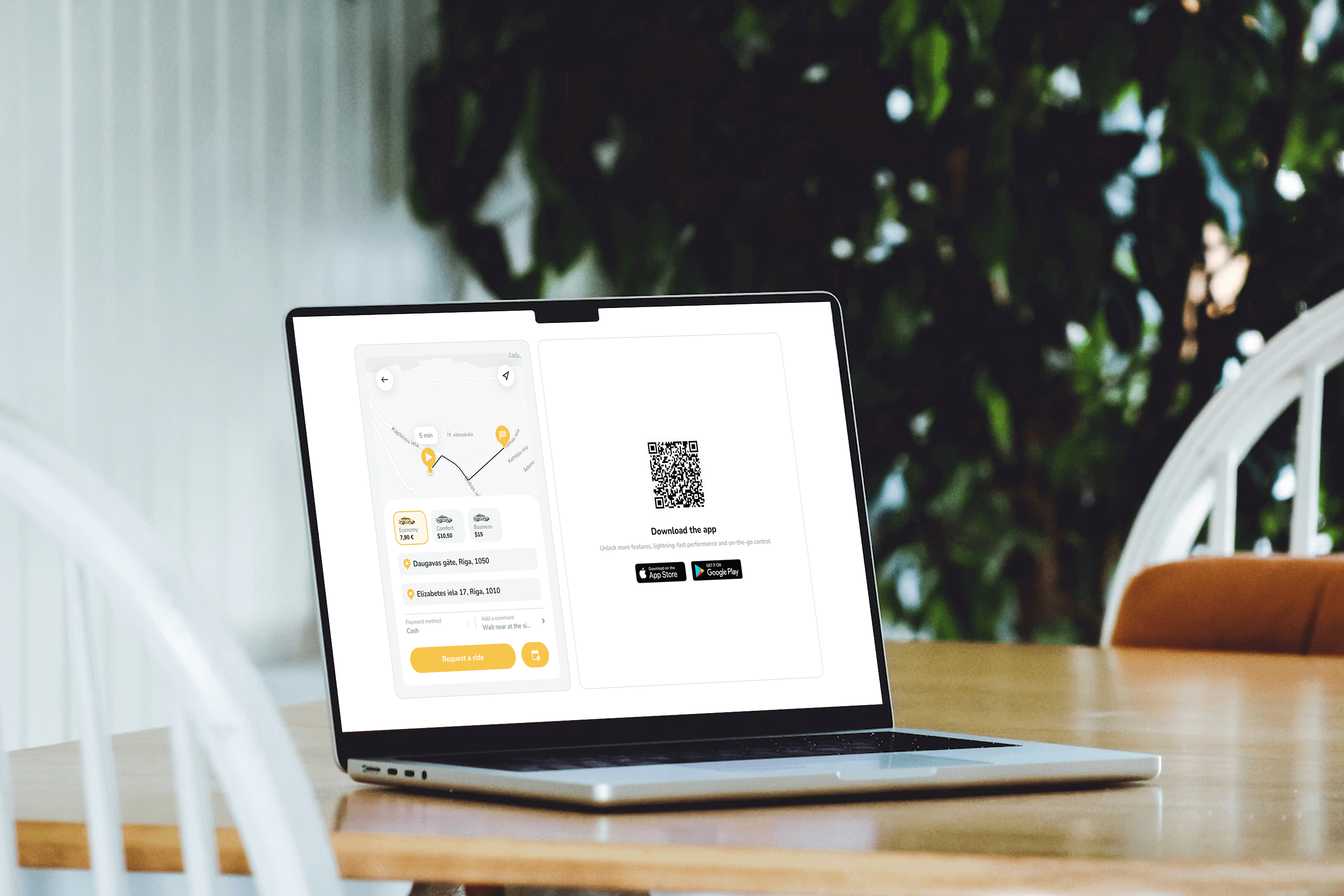
🚕 Web-booker is a lightweight ride-hail widget that lets users book rides directly from a website or mobile browser - no app install required. It reduces booking friction, supports hotel and partner demand, and keeps every ride fully synced with the taxi operator’s app and dashboard.
What if ordering a taxi was as easy as booking a room or clicking “Reserve table” on a website?
Meet Web-booker - a lightweight ride-hail booking widget that lets users request a cab directly from a website, without installing or opening the mobile app.
Perfect for hotels, business centers, event venues, airports, and corporate partners.
👉 Live demo: https://app.atommobility.com/taxi-widget
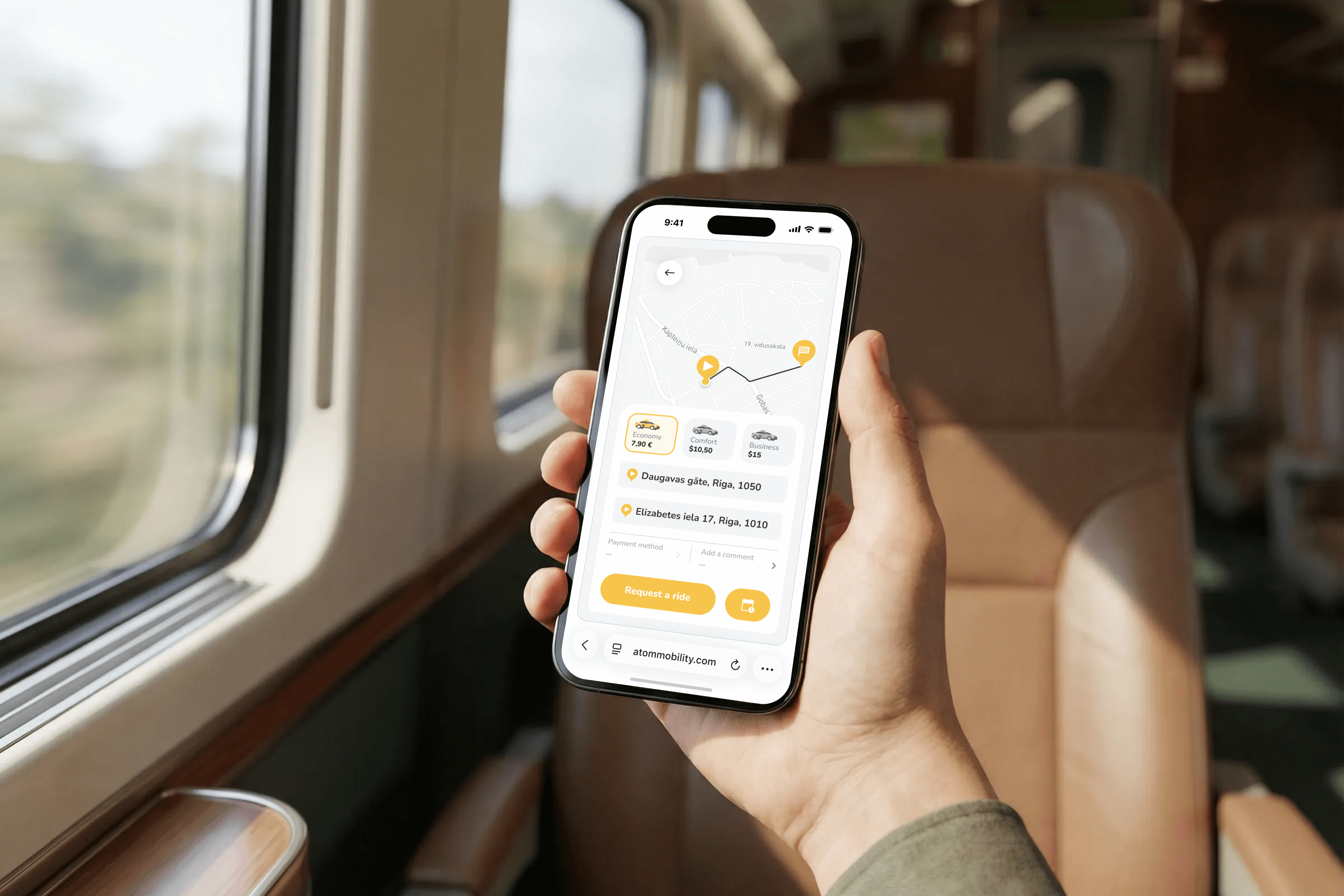
Web-booker is a browser-based ride-hail widget that operators can embed or link to from any website.
The booking happens on the web, but the ride is fully synchronized with the mobile app and operator dashboard.
No redirects. No app-store friction. No lost users.
This keeps fraud low while preserving conversion.
Web-booker addresses one of the most common friction points in ride-hailing: users who need a ride now but are not willing to download an app first. By allowing bookings directly from a website, operators can capture high-intent demand at the exact moment it occurs - whether that is on a hotel website, an event page, or a partner landing page.
At the same time, Web-booker makes partnerships with hotels and venues significantly easier. Instead of complex integrations or manual ordering flows, partners can simply place a button or link and immediately enable ride ordering for their guests. Importantly, this approach does not block long-term app growth. The booking flow still promotes the mobile app through QR codes and store links, allowing operators to convert web users into app users over time - without forcing the install upfront.
Web-booker is not designed to replace the mobile app. It extends the acquisition funnel by adding a low-friction entry point, while keeping all bookings fully synchronized with the operator’s app and dashboard.
👉 Try the demo
https://app.atommobility.com/taxi-widget
Want to explore a ride-hail or taxi solution for your business - or migrate to a more flexible platform? Visit: https://www.atommobility.com/products/ride-hailing
Anmeldedaten für die Driver App-Demo - E-Mail: test@atom.com, Passwort: Treiber

