Quão lucrativo é o negócio de compartilhamento de scooters?
March 7, 2020
leitura mínima


Prevê-se que o setor de compartilhamento móvel cresça rapidamente nos próximos anos. A mudança econômica em direção à micromobilidade mostrou que o uso de bicicletas e scooters é vai crescer de USD $2,5 bilhões em 2019 para USD $10,1 bilhões em 2027. Com a crescente demanda por serviços de mobilidade acessíveis, os líderes do setor estão fazendo ajustes em seus modelos financeiros para acomodar as mudanças nas regulamentações, bem como os crescentes custos de produção.
Reunimos um detalhamento das despesas atualmente envolvidas no estabelecimento de uma empresa lucrativa de MaaS, juntamente com algumas outras considerações a serem lembradas.
Os níveis de preços dos diferentes serviços oferecidos em todo o mundo variam com base nos custos iniciais iniciais, no custo por tempo alocado e na duração total da viagem. Esses preços também estão sujeitos a alterações, dependendo dos requisitos regulatórios de cada local.
Compartilhamento de scooters:

Compartilhamento de bicicletas:

Na ATOM Mobility, temos um cálculo específico para determinar a renda total que um serviço de compartilhamento de scooters ou bicicletas gera com base no tempo de viagem e nas taxas de preços. Isso permite que ajustes sejam feitos para os diferentes níveis de preços que cada empresa oferece.
Equação de renda: (Taxa de desbloqueio + (tempo médio de viagem x minutos)) = x
x = Preço médio por viagem
O número de passageiros é afetado por uma infinidade de fatores, incluindo disponibilidade de faixas de viagem, densidade de estações de carregamento/acoplamento, nível de integração na rede geral de transporte, além da extensão do alcance dos passageiros e da educação dos fornecedores. As taxas de uso de veículos tendem a aumentar com base no volume de scooters/bicicletas disponíveis e na facilidade de acesso às estações. Os sistemas com frotas maiores, bem como uma infraestrutura de compartilhamento mais ampla, tendem a ter maior número de passageiros.
De acordo com pesquisa conduzidas pela National Association of City Transportation Officials, as scooters estão fazendo até duas vezes mais viagens por veículo por dia em comparação com as bicicletas. Os serviços de bicicletas completam de 0,5 a 2,5 viagens por dia, com uma média de 1, com tendências mostrando uma mudança em relação às bicicletas tradicionais a pedais, à medida que o interesse por veículos elétricos continua crescendo.

Fonte da imagem: nacto.org
A região onde os serviços estão sendo oferecidos também pode influenciar o número de passageiros. Em nossos parceiros da ATOM Mobility para scooters, estamos vendo de 1,8 a até 5 viagens por veículo por dia, com taxas ainda mais altas em regiões mais frias, onde a infraestrutura adequada está instalada.

Fonte da imagem: Cidade de Chicago, avaliação do piloto de e-Scooter
Um avaliação do programa piloto de e-Scooter da cidade de Chicago descobriu que, com o tempo, o número de viagens por dia diminuiu de uma média de 3,7 para 2,5. Isso se alinha à sazonalidade dos veículos de mobilidade, que comprovadamente afeta o número de passageiros. Nossa pesquisa descobriu que pode haver reduções entre 30 a 50 por cento durante o período de entressafra.
A média de viagens por dia com as quais você pode contar para serviços de compartilhamento de bicicletas é de 0,5 a 2,5 e de 1,8 a 5 para serviços de compartilhamento de scooters.
Depois de determinarmos quantas viagens estão sendo feitas e o preço médio, podemos calcular a renda média por veículo por mês e definir as posições de custo. Para começar a aumentar a receita, as empresas de mobilidade precisam determinar formas de prolongar a vida útil de seus veículos ou compensar os custos quando o limite for atingido. Esses fatores são um componente importante no desenvolvimento de um modelo financeiro bem-sucedido. Além disso, é importante analisar as outras despesas que afetam a manutenção e o uso do veículo ao criar uma previsão precisa.
A sazonalidade se refere à época do ano em que um serviço opera como resultado de fatores ambientais ou climáticos. Para serviços de mobilidade, a temporada de uso geralmente começa quando a temperatura média em um mês é de +10 graus Celsius ou mais.
O número de viagens que cada veículo faz em um dia afetará tanto a receita quanto os custos de manutenção e vida útil.
A taxa de cada viagem precisará ser considerada ao desenvolver um plano financeiro geral para uma empresa.
A manutenção das frotas de veículos é necessária e pode variar dependendo do uso, bem como do modelo do veículo.
Se a frota usa estações de ancoragem ou oferece serviços flutuantes gratuitos, o custo de carregar os veículos é necessário para o uso contínuo.
Isso inclui qualquer uma das taxas bancárias adquiridas.
Promover os serviços oferecidos é uma despesa essencial para o crescimento e expansão dos negócios no mercado.
A maioria dos serviços de mobilidade é oferecida por meio de aplicativos móveis que exigem suporte regular dos representantes do atendimento ao cliente para resolver as dúvidas dos clientes e ajudar no gerenciamento da reputação da empresa.
Esses serviços incluem sistemas de IoT, cartões SIM, dados, software e outros requisitos tecnológicos necessários para a operação dos veículos.
As empresas de mobilidade, como qualquer outro serviço de veículos, estão sujeitas a custos adicionais, como seguros, licenças municipais e/ou outros recursos.
Para ajudar a determinar o impacto geral dos custos flutuantes dos serviços de scooters e bicicletas, desenvolvemos um modelo financeiro que divide os custos com base em uma porcentagem. Por meio desse modelo baseado em Excel, podemos manter uma avaliação proporcional das despesas de cada serviço.

fonte: ATOM Mobility
Para fazer cálculos, assumimos um tempo médio de viagem de 20 minutos e o aplicamos ao nosso modelo baseado em Excel. Os custos são mostrados como uma porcentagem do preço da viagem. Como o custo e os preços diferem de país para país, esse modelo permite que as proporções permaneçam as mesmas. Para um planejamento de previsão preciso, recomendamos usar a média de duas a quatro viagens por veículo por dia em um período de venda por atacado. Para saber mais sobre nosso modelo, envie-nos um e-mail.
Espera-se que a mobilidade como serviço continue crescendo à medida que oportunidades adicionais de expansão e lucratividade se abrem no mercado. Na ATOM Mobility, queremos ajudar sua empresa a prosperar no novo e empolgante mundo dos serviços de transporte. Não houve melhor momento para se juntar a outros líderes do setor do que agora. Entre em contato conosco hoje para que possamos começar a construir para o futuro, começando com nosso software de compartilhamento de scooters.
Clique abaixo para saber mais ou solicitar uma demonstração.

The micromobility industry doesn’t need another generic mobility conference. 🚫🎤 It needs real conversations between operators who are actually in the field. ⚙️ That’s exactly what ATOM Connect 2026 is built for. 🎯🤝
The shared mobility industry is evolving rapidly. Operators are navigating scaling challenges, regulatory complexity, hardware decisions, fleet optimization, and new integration models, all while aiming for sustainable growth.
That’s exactly why ATOM Mobility is organizing ATOM Connect 2026.
Our previous edition of ATOM Connect brought together professionals from the car sharing and rental industry for focused, high-quality discussions and networking. This year, we are narrowing the focus and dedicating the entire event to one fast-moving segment of the industry: shared micromobility.
ATOM Connect 2026 is designed specifically for operators, partners, and decision-makers working in shared micromobility. It is not a broad mobility conference or a public exhibition. It is a curated space for industry professionals to exchange practical experience, insights, and lessons learned.
On May 14th, 2026 in Riga, we will once again bring the community together, this time with a clear focus on micromobility.
This year’s agenda will address the real operational and strategic questions shaping shared micromobility today:
As usual, we aim to host both local and international operators from smaller, fast-growing fleets to established large-scale players alongside hardware providers and ecosystem partners.
On stage, you’ll hear from leading shared mobility companies - including Segway on hardware partnerships, Umob on MaaS integration, Anadue on data-driven fleet intelligence, Elerent on multi-vehicle operational realities and more insightful discussions.
The goal is simple: meaningful discussions with people who understand the operational realities of the industry.
ATOM Connect is free to attend, but participation is industry-focused (each submission is manually reviewed and verified). We are intentionally keeping the audience relevant and aligned to ensure high-quality conversations and valuable networking.
If you work in shared micromobility and would like to join the event, you can find the full agenda and register here:
👉 https://www.atommobility.com/atom-connect-2026
In the coming weeks, we will be revealing more speakers and additional agenda updates. We look forward to bringing the industry together again.
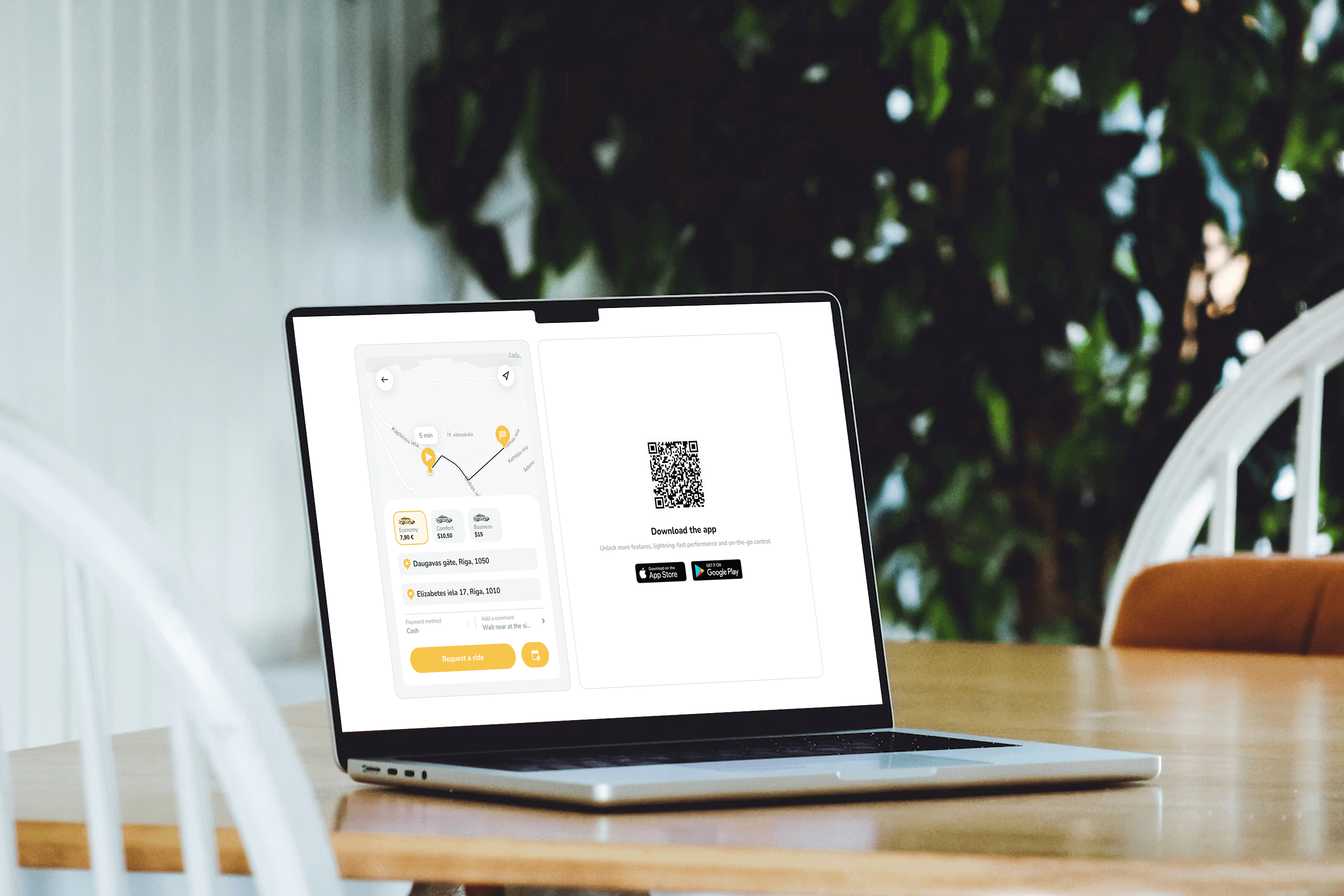
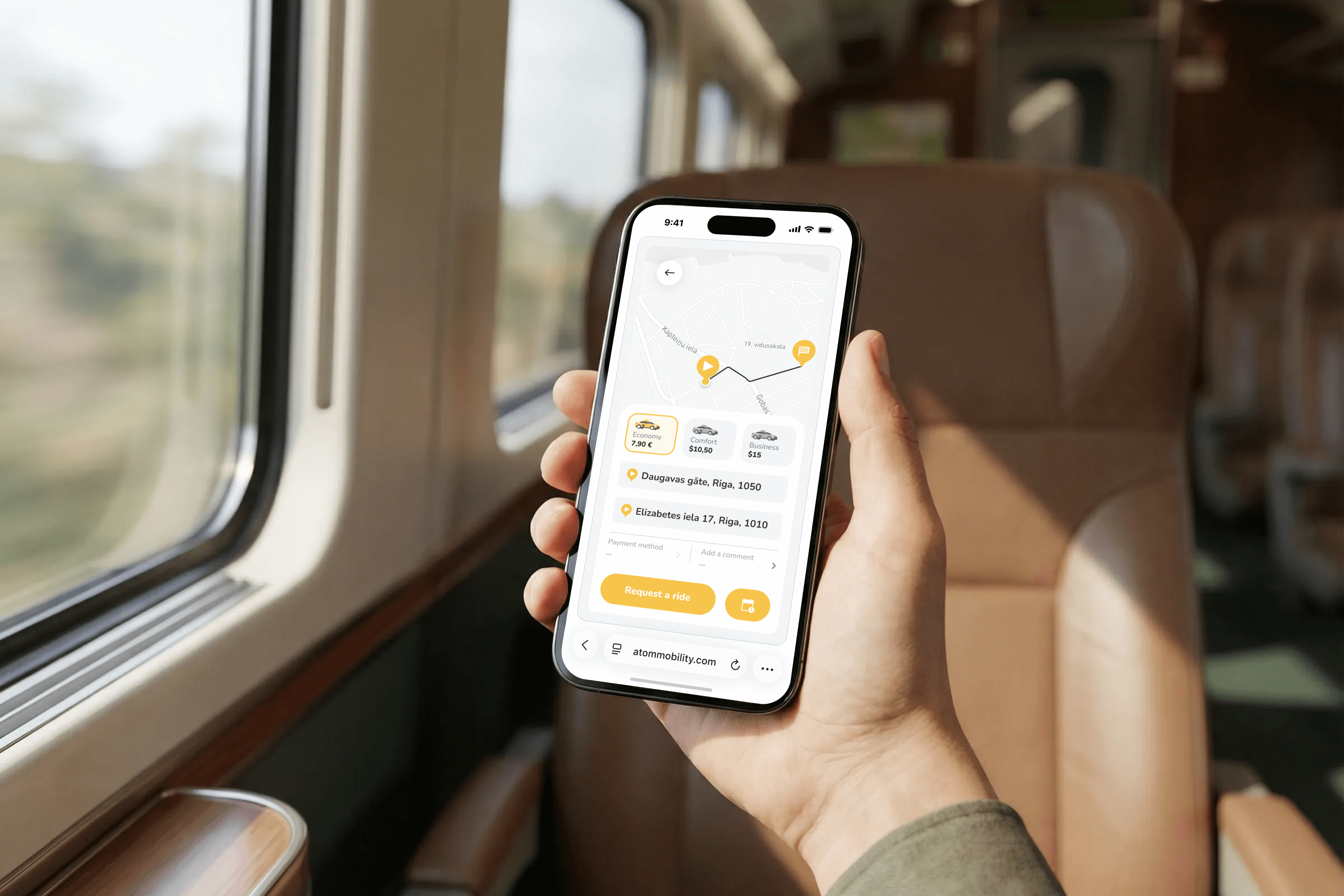
🚕 Web-booker is a lightweight ride-hail widget that lets users book rides directly from a website or mobile browser - no app install required. It reduces booking friction, supports hotel and partner demand, and keeps every ride fully synced with the taxi operator’s app and dashboard.
What if ordering a taxi was as easy as booking a room or clicking “Reserve table” on a website?
Meet Web-booker - a lightweight ride-hail booking widget that lets users request a cab directly from a website, without installing or opening the mobile app.
Perfect for hotels, business centers, event venues, airports, and corporate partners.
👉 Live demo: https://app.atommobility.com/taxi-widget
Web-booker is a browser-based ride-hail widget that operators can embed or link to from any website.
The booking happens on the web, but the ride is fully synchronized with the mobile app and operator dashboard.
No redirects. No app-store friction. No lost users.
This keeps fraud low while preserving conversion.
Web-booker addresses one of the most common friction points in ride-hailing: users who need a ride now but are not willing to download an app first. By allowing bookings directly from a website, operators can capture high-intent demand at the exact moment it occurs - whether that is on a hotel website, an event page, or a partner landing page.
At the same time, Web-booker makes partnerships with hotels and venues significantly easier. Instead of complex integrations or manual ordering flows, partners can simply place a button or link and immediately enable ride ordering for their guests. Importantly, this approach does not block long-term app growth. The booking flow still promotes the mobile app through QR codes and store links, allowing operators to convert web users into app users over time - without forcing the install upfront.
Web-booker is not designed to replace the mobile app. It extends the acquisition funnel by adding a low-friction entry point, while keeping all bookings fully synchronized with the operator’s app and dashboard.
👉 Try the demo
https://app.atommobility.com/taxi-widget
Want to explore a ride-hail or taxi solution for your business - or migrate to a more flexible platform? Visit: https://www.atommobility.com/products/ride-hailing
Credenciais de demonstração do Driver App - E-mail: test@atom.com, Senha: motorista

