Quanto è redditizio il business dello scooter sharing?
March 7, 2020
lettura minima


Si prevede che il settore della condivisione mobile crescerà a un ritmo rapido nei prossimi anni. Il passaggio economico verso la micromobilità ha dimostrato che l'uso di biciclette e scooter è andando a crescere da 2,5 miliardi di dollari nel 2019 a 10,1 miliardi di dollari entro il 2027. Con una crescente domanda di servizi di mobilità a prezzi accessibili, i leader del settore stanno apportando modifiche ai loro modelli finanziari per soddisfare le normative in evoluzione e i crescenti costi di produzione.
Abbiamo messo insieme una ripartizione delle spese attualmente necessarie per creare un'azienda MaaS redditizia insieme ad alcune altre considerazioni da tenere a mente.
I livelli di prezzo per i diversi servizi offerti in tutto il mondo variano in base ai costi iniziali iniziali, al costo per tempo assegnato e alla durata totale della corsa. Questi prezzi sono inoltre soggetti a modifiche in base ai requisiti normativi di ciascuna località.
Condivisione dello scooter:

Bike sharing:

In ATOM Mobility disponiamo di un calcolo specifico per determinare il reddito totale generato da un servizio di scooter o bike sharing in base al tempo di percorrenza e alle tariffe. Ciò consente di apportare modifiche ai diversi livelli di prezzo offerti da ciascuna azienda.
Equazione del reddito: (Tariffa di sblocco + (Tempo medio di percorrenza X minuti)) = x
x = Prezzo medio per corsa
L'utenza è influenzata da una moltitudine di fattori, compresa la disponibilità di corsie di viaggio, la densità delle stazioni di ricarica/docking, il livello di integrazione all'interno della rete di trasporto complessiva, insieme alla portata del coinvolgimento degli utenti e alla formazione dei fornitori. I tassi di utilizzo dei veicoli tendono ad aumentare in base al volume di scooter/bici disponibili e alla facilità di accesso alle stazioni. I sistemi con flotte più grandi e un'infrastruttura di condivisione più ampia tendono a registrare un numero maggiore di utenti.
Secondo ricerca condotto dalla National Association of City Transportation Officials, gli scooter effettuano fino a due volte più corse per veicolo al giorno rispetto alle biciclette. I servizi dedicati alle biciclette effettuano da 0,5 a 2,5 corse al giorno, con una media di 1 corsa, con tendenze che indicano un allontanamento dalle tradizionali biciclette a pedali, dato che l'interesse per i veicoli elettrici continua a crescere.

Fonte dell'immagine: nacto.org
Anche la regione in cui vengono offerti i servizi può influenzare il numero di passeggeri. Tra i nostri partner di ATOM Mobility for scooter, stiamo registrando da 1,8 a addirittura 5 corse per veicolo al giorno, con tariffe ancora più elevate nelle regioni più fredde dove è presente l'infrastruttura adeguata.

Fonte immagine: Città di Chicago, valutazione pilota di e-Scooter
Un valutazione del programma pilota e-Scooter della città di Chicago ha rilevato che nel tempo il numero di viaggi giornalieri è diminuito da una media di 3,7 a 2,5. Ciò è in linea con la stagionalità dei veicoli per la mobilità, che ha dimostrato di avere un impatto sul numero di passeggeri. La nostra ricerca ha rilevato che possono verificarsi riduzioni tra il 30 e il 50 percento durante la bassa stagione.
La media delle corse giornaliere su cui puoi contare per i servizi di bike sharing è compresa tra 0,5 e 2,5 e tra 1,8 e 5 per i servizi di scooter sharing.
Una volta determinato il numero di corse effettuate e il prezzo medio, possiamo calcolare il reddito medio per veicolo al mese e delineare le posizioni dei costi. Per iniziare ad aumentare i ricavi, le aziende che si occupano di mobilità devono determinare i modi per prolungare la durata dei loro veicoli o compensare i costi una volta raggiunto il limite. Questi fattori sono una componente importante nello sviluppo di un modello finanziario di successo. Inoltre, è importante esaminare le altre spese che influiscono sulla manutenzione e sull'utilizzo del veicolo per elaborare una previsione accurata.
La stagionalità si riferisce al periodo dell'anno in cui un servizio opera a causa di fattori ambientali o meteorologici. Per i servizi di mobilità, la stagione di utilizzo inizia in genere quando la temperatura media mensile è pari o superiore a +10 gradi Celsius.
Il numero di viaggi effettuati da ogni veicolo in un giorno avrà un impatto sia sulle entrate che sui costi di manutenzione e sulla durata.
La tariffa per ogni corsa dovrà essere presa in considerazione quando si sviluppa un piano finanziario complessivo per un'azienda.
La manutenzione delle flotte di veicoli è necessaria e può variare a seconda dell'uso e del modello del veicolo.
Indipendentemente dal fatto che la flotta utilizzi docking station o offra servizi galleggianti gratuiti, il costo della ricarica dei veicoli è necessario per l'uso continuato.
Ciò include tutte le commissioni bancarie acquisite.
La promozione dei servizi offerti è una spesa essenziale per la crescita e l'espansione del business all'interno del mercato.
La maggior parte dei servizi di mobilità viene offerta tramite app mobili che richiedono un supporto regolare da parte dei rappresentanti del servizio clienti per risolvere le richieste dei clienti e aiutare nella gestione della reputazione dell'azienda.
Questi servizi includono sistemi IoT, schede SIM, dati, software e altri requisiti tecnologici necessari per il funzionamento dei veicoli.
Le società di mobilità, come qualsiasi altro servizio di veicoli, sono soggette a costi aggiuntivi come assicurazioni, permessi di soggiorno e/o altre risorse.
Per aiutare a determinare l'impatto complessivo delle fluttuazioni dei costi per i servizi di scooter e biciclette, abbiamo sviluppato un modello finanziario che suddivide i costi in base a una percentuale. Attraverso questo modello basato su Excel siamo in grado di mantenere una valutazione proporzionata delle spese per ciascun servizio.

fonte: ATOM Mobility
Per effettuare i calcoli, assumiamo un tempo di percorrenza medio di 20 minuti, quindi lo applichiamo al nostro modello basato su Excel. I costi sono indicati in percentuale rispetto al prezzo della corsa. Poiché costi e prezzi variano da paese a paese, questo modello consente di mantenere invariate le proporzioni. Per una pianificazione accurata delle previsioni, consigliamo di utilizzare una media di due o quattro corse per veicolo al giorno per un periodo di vendita all'ingrosso. Per saperne di più sul nostro modello, inviaci un'e-mail.
La mobilità come servizio dovrebbe continuare a crescere man mano che si apriranno ulteriori opportunità di espansione e redditività sul mercato. Noi di ATOM Mobility vogliamo aiutare la tua azienda a prosperare nel nuovo entusiasmante mondo dei servizi di trasporto. Non c'è stato momento migliore di questo per entrare a far parte di altri leader del settore. Contattaci oggi per iniziare a costruire per il futuro, a partire dal nostro software per la condivisione di scooter.
Fai clic qui sotto per saperne di più o richiedere una demo.

The micromobility industry doesn’t need another generic mobility conference. 🚫🎤 It needs real conversations between operators who are actually in the field. ⚙️ That’s exactly what ATOM Connect 2026 is built for. 🎯🤝
The shared mobility industry is evolving rapidly. Operators are navigating scaling challenges, regulatory complexity, hardware decisions, fleet optimization, and new integration models, all while aiming for sustainable growth.
That’s exactly why ATOM Mobility is organizing ATOM Connect 2026.
Our previous edition of ATOM Connect brought together professionals from the car sharing and rental industry for focused, high-quality discussions and networking. This year, we are narrowing the focus and dedicating the entire event to one fast-moving segment of the industry: shared micromobility.
ATOM Connect 2026 is designed specifically for operators, partners, and decision-makers working in shared micromobility. It is not a broad mobility conference or a public exhibition. It is a curated space for industry professionals to exchange practical experience, insights, and lessons learned.
On May 14th, 2026 in Riga, we will once again bring the community together, this time with a clear focus on micromobility.
This year’s agenda will address the real operational and strategic questions shaping shared micromobility today:
As usual, we aim to host both local and international operators from smaller, fast-growing fleets to established large-scale players alongside hardware providers and ecosystem partners.
On stage, you’ll hear from leading shared mobility companies - including Segway on hardware partnerships, Umob on MaaS integration, Anadue on data-driven fleet intelligence, Elerent on multi-vehicle operational realities and more insightful discussions.
The goal is simple: meaningful discussions with people who understand the operational realities of the industry.
ATOM Connect is free to attend, but participation is industry-focused (each submission is manually reviewed and verified). We are intentionally keeping the audience relevant and aligned to ensure high-quality conversations and valuable networking.
If you work in shared micromobility and would like to join the event, you can find the full agenda and register here:
👉 https://www.atommobility.com/atom-connect-2026
In the coming weeks, we will be revealing more speakers and additional agenda updates. We look forward to bringing the industry together again.
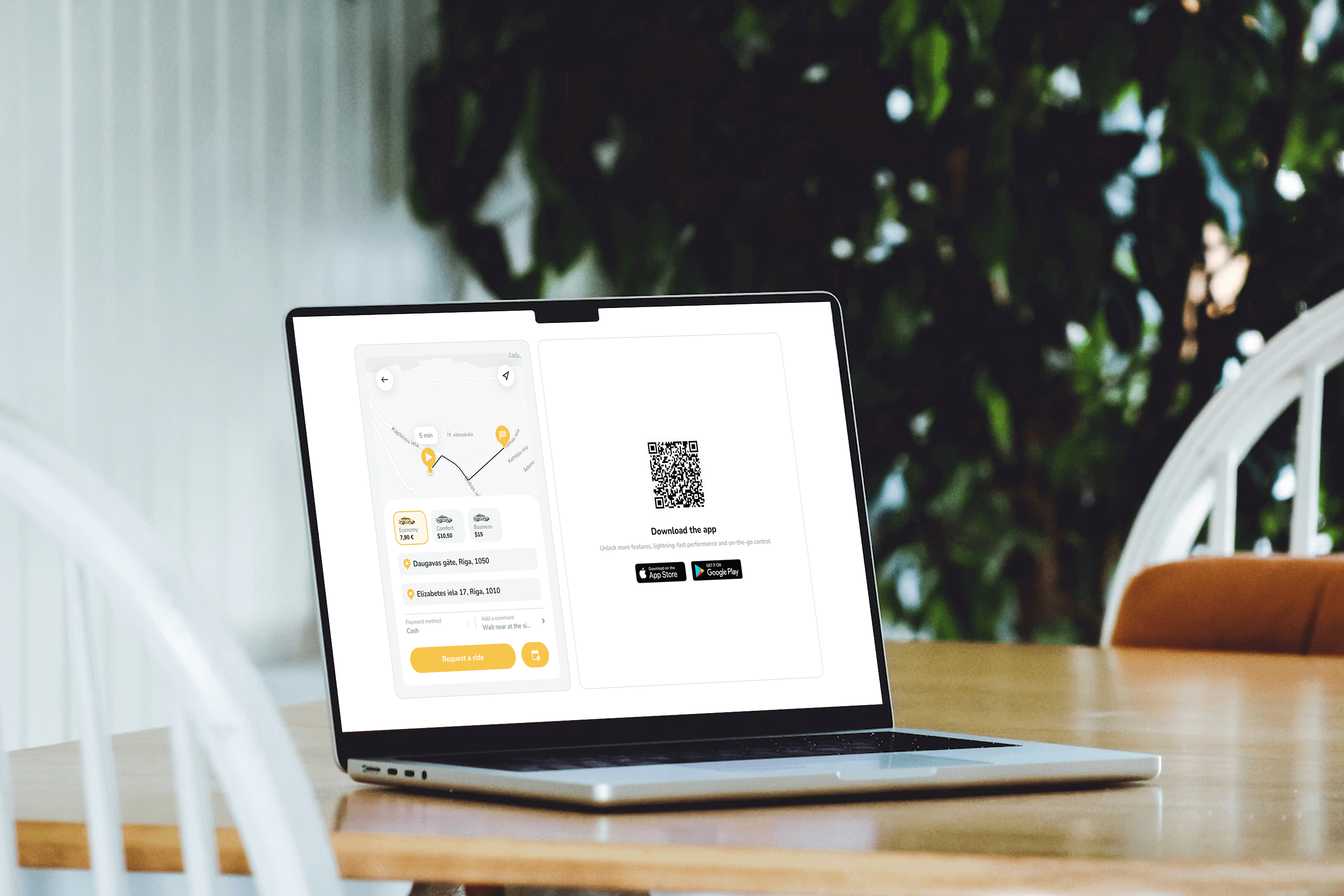
🚕 Web-booker is a lightweight ride-hail widget that lets users book rides directly from a website or mobile browser - no app install required. It reduces booking friction, supports hotel and partner demand, and keeps every ride fully synced with the taxi operator’s app and dashboard.
What if ordering a taxi was as easy as booking a room or clicking “Reserve table” on a website?
Meet Web-booker - a lightweight ride-hail booking widget that lets users request a cab directly from a website, without installing or opening the mobile app.
Perfect for hotels, business centers, event venues, airports, and corporate partners.
👉 Live demo: https://app.atommobility.com/taxi-widget
Web-booker is a browser-based ride-hail widget that operators can embed or link to from any website.
The booking happens on the web, but the ride is fully synchronized with the mobile app and operator dashboard.
No redirects. No app-store friction. No lost users.
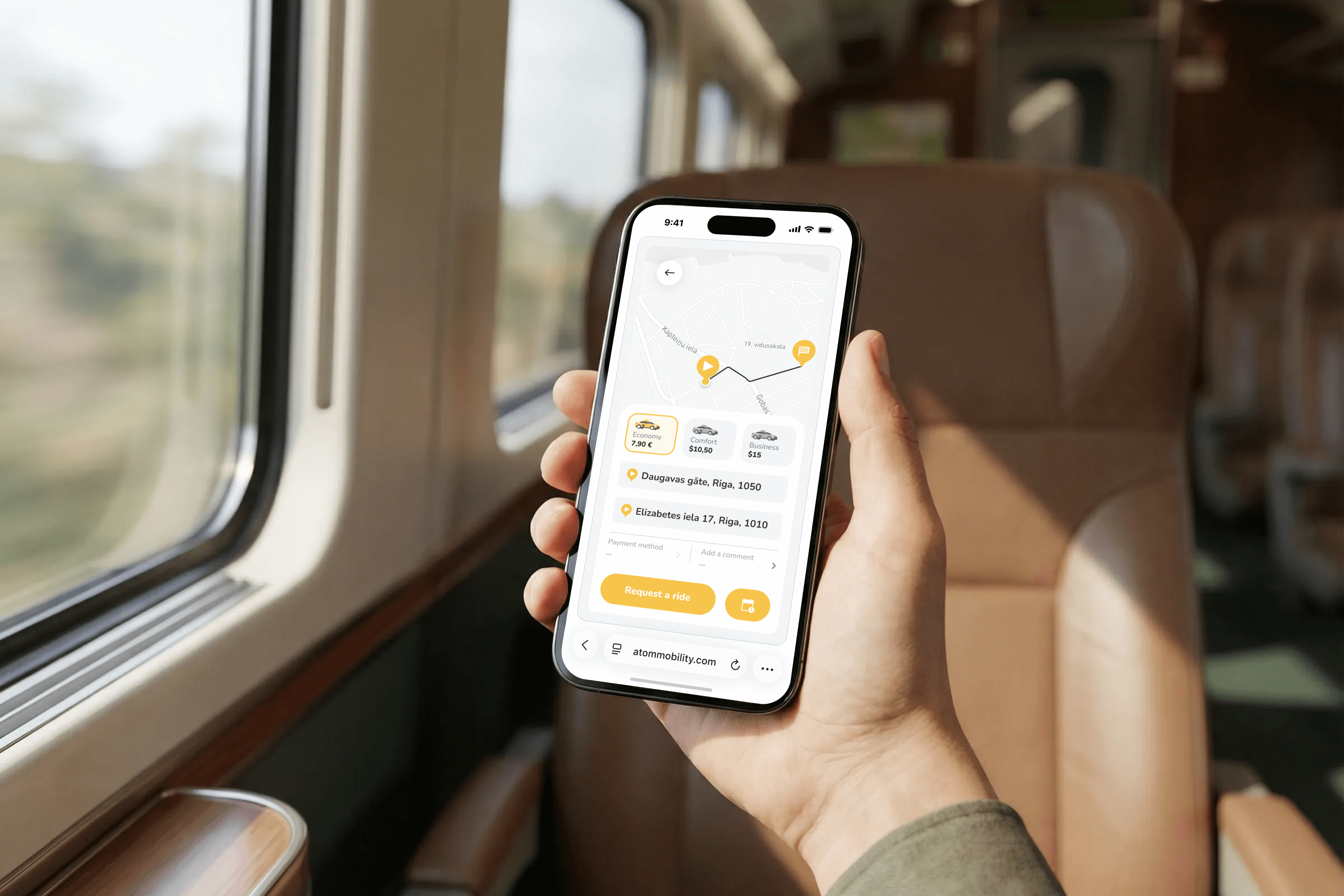
This keeps fraud low while preserving conversion.
Web-booker addresses one of the most common friction points in ride-hailing: users who need a ride now but are not willing to download an app first. By allowing bookings directly from a website, operators can capture high-intent demand at the exact moment it occurs - whether that is on a hotel website, an event page, or a partner landing page.
At the same time, Web-booker makes partnerships with hotels and venues significantly easier. Instead of complex integrations or manual ordering flows, partners can simply place a button or link and immediately enable ride ordering for their guests. Importantly, this approach does not block long-term app growth. The booking flow still promotes the mobile app through QR codes and store links, allowing operators to convert web users into app users over time - without forcing the install upfront.
Web-booker is not designed to replace the mobile app. It extends the acquisition funnel by adding a low-friction entry point, while keeping all bookings fully synchronized with the operator’s app and dashboard.
👉 Try the demo
https://app.atommobility.com/taxi-widget
Want to explore a ride-hail or taxi solution for your business - or migrate to a more flexible platform? Visit: https://www.atommobility.com/products/ride-hailing
Credenziali demo dell'app Driver - Email: test@atom.com, Password: autista

