Wie rentabel ist das Scooter-Sharing-Geschäft?
March 7, 2020
min. Lesedauer


Die Mobile-Sharing-Branche wird in den nächsten Jahren voraussichtlich rasant wachsen. Der wirtschaftliche Wandel hin zur Mikromobilität hat gezeigt, dass die Nutzung von Fahrrädern und Rollern wird wachsen von 2,5 Milliarden US-Dollar im Jahr 2019 auf 10,1 Milliarden US-Dollar im Jahr 2027. Angesichts der steigenden Nachfrage nach erschwinglichen Mobilitätsdienstleistungen passen Branchenführer ihre Finanzmodelle an, um den sich ändernden Vorschriften sowie den steigenden Produktionskosten Rechnung zu tragen.
Wir haben eine Aufschlüsselung der Ausgaben zusammengestellt, die derzeit für die Gründung eines profitablen MaaS-Unternehmens anfallen, sowie einige andere Überlegungen, die es zu berücksichtigen gilt.
Die Preisniveaus für die verschiedenen Dienstleistungen, die auf der ganzen Welt angeboten werden, variieren je nach den anfänglichen Vorabkosten, den Kosten pro zugewiesener Zeit und der Gesamtfahrdauer. Diese Preise können sich ebenfalls je nach den regulatorischen Anforderungen der einzelnen Standorte ändern.
Roller-Sharing:

Fahrrad-Sharing:

Bei ATOM Mobility haben wir eine spezielle Berechnung, um das Gesamteinkommen zu ermitteln, das ein Roller- oder Bike-Sharing-Dienst auf der Grundlage der Fahrzeit und der Preisgebühren erzielt. Auf diese Weise können Anpassungen an die unterschiedlichen Preisniveaus vorgenommen werden, die jedes Unternehmen anbietet.
Einkommensgleichung: (Entsperrgebühr + (durchschnittliche Fahrzeit X Minuten)) = x
x = Durchschnittspreis pro Fahrt
Die Fahrerzahl wird durch eine Vielzahl von Faktoren beeinflusst Faktoren, einschließlich der Verfügbarkeit von Fahrwegen, der Dichte der Lade-/Dockingstationen, dem Grad der Integration in das gesamte Verkehrsnetz sowie des Umfangs der Kundenanbindung und der Schulung der Anbieter. Je nachdem, wie viele Roller/Fahrräder zur Verfügung stehen und wie leicht die Haltestellen zu erreichen sind, steigt die Nutzungsrate der Fahrzeuge in der Regel an. Bei Systemen mit größeren Flotten und einer breiteren Infrastruktur, die gemeinsam genutzt wird, ist die Zahl der Fahrgäste tendenziell höher.
Laut Forschung Unter der Leitung der National Association of City Transportation Officials fahren Roller bis zu zweimal mehr Fahrten pro Fahrzeug und Tag als Fahrräder. Fahrradservices führen täglich zwischen 0,5 und 2,5 Fahrten pro Tag durch — im Durchschnitt eine. Tendenzen deuten auf eine Abkehr von herkömmlichen Tretfahrrädern hin, da das Interesse an Elektrofahrzeugen weiter zunimmt.

Bildquelle: nacto.org
Die Region, in der Dienstleistungen angeboten werden, kann auch die Fahrgastzahlen beeinflussen. Bei unseren Partnern bei ATOM Mobility for Scooters verzeichnen wir zwischen 1,8 und sogar 5 Fahrten pro Fahrzeug und Tag, wobei die Raten in kälteren Regionen, in denen die richtige Infrastruktur vorhanden ist, noch höher sind.

Bildquelle: Stadt Chicago, Bewertung des E-Scooter-Pilotprojekts
Ein Bewertung Das E-Scooter-Pilotprogramm der Stadt Chicago ergab, dass die Anzahl der Fahrten pro Tag im Laufe der Zeit von durchschnittlich 3,7 auf 2,5 zurückging. Dies steht im Einklang mit der Saisonalität von Mobilitätsfahrzeugen, die sich nachweislich auf die Fahrgastzahlen auswirkt. Unsere Untersuchungen haben ergeben, dass es in der Nebensaison zu Rückgängen zwischen 30 und 50 Prozent kommen kann.
Die durchschnittliche Anzahl der Fahrten pro Tag, auf die Sie bei Bike-Sharing-Diensten zählen können, liegt bei 0,5 bis 2,5 und bei Roller-Sharing-Diensten bei 1,8 bis 5 Fahrten.
Sobald wir die Anzahl der Fahrten und den Durchschnittspreis ermittelt haben, können wir das Durchschnittseinkommen pro Fahrzeug und Monat berechnen und die Kostenpositionen skizzieren. Um mit der Umsatzsteigerung zu beginnen, müssen Mobilitätsunternehmen herausfinden, wie sie die Lebensdauer ihrer Fahrzeuge verlängern oder die Kosten ausgleichen können, sobald das Limit erreicht ist. Diese Faktoren sind eine wichtige Komponente bei der Entwicklung eines erfolgreichen Finanzmodells. Darüber hinaus ist es wichtig, bei der Erstellung einer genauen Prognose die anderen Ausgaben zu berücksichtigen, die sich auf die Wartung und Nutzung des Fahrzeugs auswirken.
Saisonalität bezieht sich auf die Jahreszeit, zu der ein Dienst aufgrund von Umwelt- oder Wetterfaktoren betrieben wird. Bei Mobilitätsdiensten beginnt die Nutzungssaison in der Regel, wenn die Durchschnittstemperatur in einem Monat +10 Grad Celsius oder mehr beträgt.
Die Anzahl der Fahrten, die jedes Fahrzeug an einem Tag unternimmt, wirkt sich sowohl auf den Umsatz als auch auf die Wartungs- und Lebensdauerkosten aus.
Der Tarif für jede Fahrt muss bei der Entwicklung eines allgemeinen Finanzplans für ein Unternehmen berücksichtigt werden.
Die Wartung der Fahrzeugflotten ist erforderlich und kann je nach Nutzung und Fahrzeugmodell variieren.
Unabhängig davon, ob die Flotte Dockingstationen nutzt oder kostenlose Floating-Dienste anbietet, sind die Kosten für das Aufladen der Fahrzeuge notwendig, um sie weiterhin nutzen zu können.
Dies beinhaltet alle anfallenden Bankgebühren.
Die Förderung der angebotenen Dienstleistungen ist ein wesentlicher Kostenfaktor für das Unternehmenswachstum und die Expansion auf dem Markt.
Die meisten Mobilitätsdienste werden über mobile Apps angeboten, für die regelmäßige Unterstützung durch Kundendienstmitarbeiter erforderlich ist, um Kundenanfragen zu beantworten und das Reputationsmanagement des Unternehmens zu unterstützen.
Zu diesen Diensten gehören IoT-Systeme, SIM-Karten, Daten, Software und andere technologische Anforderungen, die für den Betrieb der Fahrzeuge erforderlich sind.
Mobilitätsunternehmen unterliegen wie jeder andere Fahrzeugservice zusätzlichen Kosten wie Versicherungen, Stadtgenehmigungen und/oder anderen Ressourcen.
Um die Gesamtauswirkungen der schwankenden Kosten für Roller- und Fahrradservices zu ermitteln, haben wir ein Finanzmodell entwickelt, das die Kosten prozentual aufschlüsselt. Durch dieses auf Excel basierende Modell sind wir in der Lage, die Kosten für jede Dienstleistung angemessen zu bewerten.

Quelle: ATOM Mobility
Für Berechnungen gehen wir von einer durchschnittlichen Fahrzeit von 20 Minuten aus und wenden diese dann auf unser Excel-basiertes Modell an. Die Kosten werden als Prozentsatz des Fahrpreises angezeigt. Da Kosten und Preise von Land zu Land unterschiedlich sind, ermöglicht dieses Modell, dass die Proportionen gleich bleiben. Für eine genaue Prognoseplanung empfehlen wir, in einer Großhandelsperiode durchschnittlich zwei bis vier Fahrten pro Fahrzeug und Tag zu verwenden. Um mehr über unser Modell zu erfahren, senden Sie uns bitte eine E-Mail.
Mobility as a Service wird voraussichtlich weiter zunehmen, da sich auf dem Markt zusätzliche Expansions- und Rentabilitätsmöglichkeiten eröffnen. Bei ATOM Mobility möchten wir Ihrem Unternehmen helfen, in der aufregenden neuen Welt der Transportdienstleistungen erfolgreich zu sein. Es gab keinen besseren Zeitpunkt, um sich anderen Branchenführern anzuschließen als jetzt. Kontaktieren Sie uns noch heute, damit wir beginnen können, für die Zukunft zu bauen, angefangen bei unseren Software zum Teilen von Rollern.
Klicken Sie unten, um mehr zu erfahren oder eine Demo anzufordern.

The micromobility industry doesn’t need another generic mobility conference. 🚫🎤 It needs real conversations between operators who are actually in the field. ⚙️ That’s exactly what ATOM Connect 2026 is built for. 🎯🤝
The shared mobility industry is evolving rapidly. Operators are navigating scaling challenges, regulatory complexity, hardware decisions, fleet optimization, and new integration models, all while aiming for sustainable growth.
That’s exactly why ATOM Mobility is organizing ATOM Connect 2026.
Our previous edition of ATOM Connect brought together professionals from the car sharing and rental industry for focused, high-quality discussions and networking. This year, we are narrowing the focus and dedicating the entire event to one fast-moving segment of the industry: shared micromobility.
ATOM Connect 2026 is designed specifically for operators, partners, and decision-makers working in shared micromobility. It is not a broad mobility conference or a public exhibition. It is a curated space for industry professionals to exchange practical experience, insights, and lessons learned.
On May 14th, 2026 in Riga, we will once again bring the community together, this time with a clear focus on micromobility.
This year’s agenda will address the real operational and strategic questions shaping shared micromobility today:
As usual, we aim to host both local and international operators from smaller, fast-growing fleets to established large-scale players alongside hardware providers and ecosystem partners.
On stage, you’ll hear from leading shared mobility companies - including Segway on hardware partnerships, Umob on MaaS integration, Anadue on data-driven fleet intelligence, Elerent on multi-vehicle operational realities and more insightful discussions.
The goal is simple: meaningful discussions with people who understand the operational realities of the industry.
ATOM Connect is free to attend, but participation is industry-focused (each submission is manually reviewed and verified). We are intentionally keeping the audience relevant and aligned to ensure high-quality conversations and valuable networking.
If you work in shared micromobility and would like to join the event, you can find the full agenda and register here:
👉 https://www.atommobility.com/atom-connect-2026
In the coming weeks, we will be revealing more speakers and additional agenda updates. We look forward to bringing the industry together again.
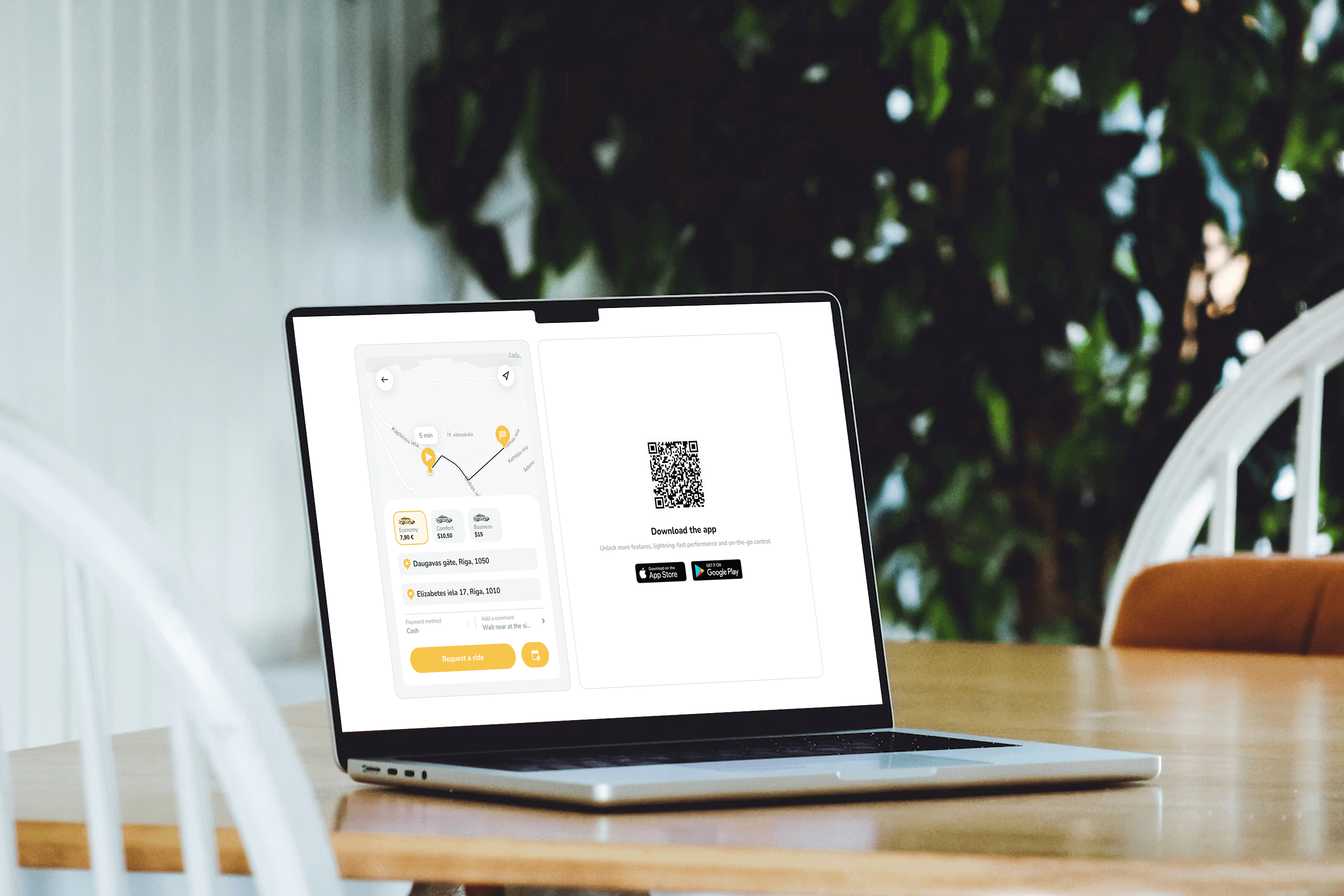
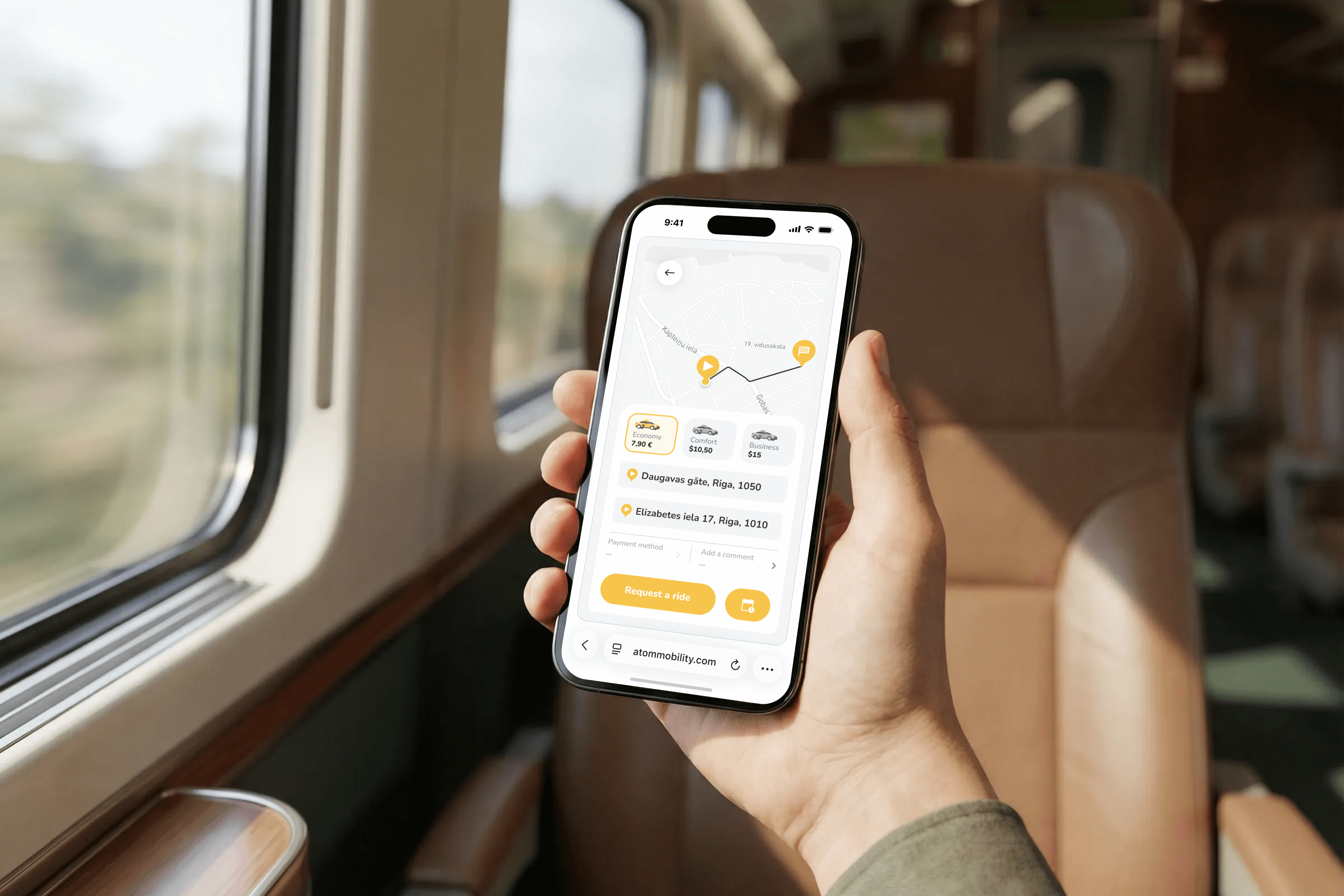
🚕 Web-booker is a lightweight ride-hail widget that lets users book rides directly from a website or mobile browser - no app install required. It reduces booking friction, supports hotel and partner demand, and keeps every ride fully synced with the taxi operator’s app and dashboard.
What if ordering a taxi was as easy as booking a room or clicking “Reserve table” on a website?
Meet Web-booker - a lightweight ride-hail booking widget that lets users request a cab directly from a website, without installing or opening the mobile app.
Perfect for hotels, business centers, event venues, airports, and corporate partners.
👉 Live demo: https://app.atommobility.com/taxi-widget
Web-booker is a browser-based ride-hail widget that operators can embed or link to from any website.
The booking happens on the web, but the ride is fully synchronized with the mobile app and operator dashboard.
No redirects. No app-store friction. No lost users.
This keeps fraud low while preserving conversion.
Web-booker addresses one of the most common friction points in ride-hailing: users who need a ride now but are not willing to download an app first. By allowing bookings directly from a website, operators can capture high-intent demand at the exact moment it occurs - whether that is on a hotel website, an event page, or a partner landing page.
At the same time, Web-booker makes partnerships with hotels and venues significantly easier. Instead of complex integrations or manual ordering flows, partners can simply place a button or link and immediately enable ride ordering for their guests. Importantly, this approach does not block long-term app growth. The booking flow still promotes the mobile app through QR codes and store links, allowing operators to convert web users into app users over time - without forcing the install upfront.
Web-booker is not designed to replace the mobile app. It extends the acquisition funnel by adding a low-friction entry point, while keeping all bookings fully synchronized with the operator’s app and dashboard.
👉 Try the demo
https://app.atommobility.com/taxi-widget
Want to explore a ride-hail or taxi solution for your business - or migrate to a more flexible platform? Visit: https://www.atommobility.com/products/ride-hailing
Anmeldedaten für die Driver App-Demo - E-Mail: test@atom.com, Passwort: Treiber

