مدونة
رؤى وأخبار من فريق ATOM Mobility
لقد بدأنا مدونتنا لمشاركة معلومات قيمة مجانية حول صناعة التنقل: القصص الملهمة والتحليل المالي والأفكار التسويقية والنصائح العملية وإعلانات الميزات الجديدة والمزيد.

لقد بدأنا مدونتنا لمشاركة معلومات قيمة مجانية حول صناعة التنقل: القصص الملهمة والتحليل المالي والأفكار التسويقية والنصائح العملية وإعلانات الميزات الجديدة والمزيد.
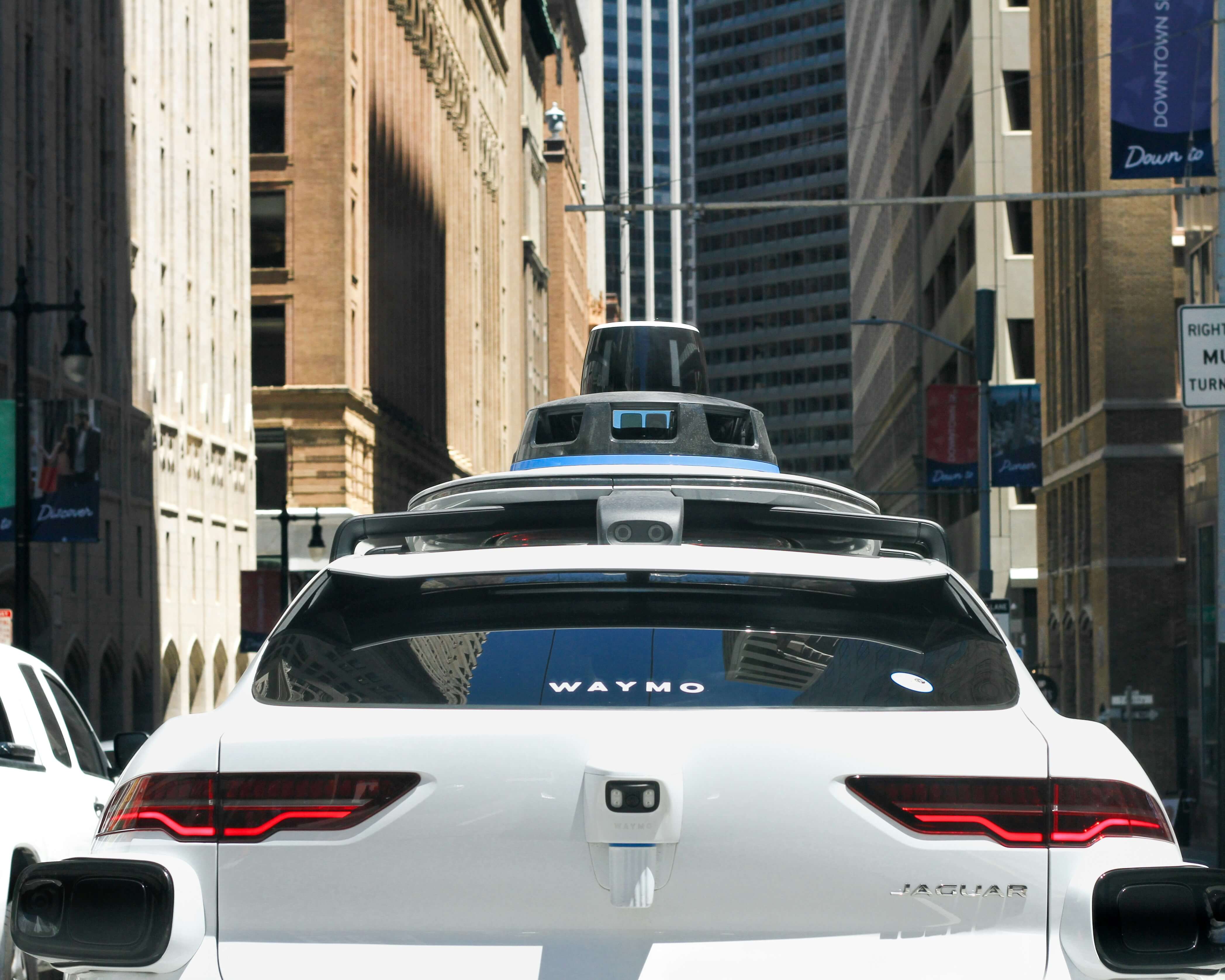
🤖 من الذي سيقوم فعلياً بتشغيل أساطيل سيارات الأجرة ذاتية القيادة في أوروبا؟ قد تلغي القيادة الذاتية وجود السائق، لكنها لا تلغي العمل الذي يقف خلف السيارة. لا تزال سيارات الأجرة ذاتية القيادة بحاجة إلى الشحن، والتنظيف، والصيانة، والمستودعات، ودعم العملاء، وشخص يدير الأسطول يومياً. توضح المشاريع المبكرة في زغرب ومدريد ولندن مراحل مختلفة من النشر، وكيف يمكن لمزودي تكنولوجيا القيادة الذاتية، ومشغلي الأساطيل، ومنصات الحجز العمل معاً. شركات سيارات الأجرة والتأجير ومشاركة السيارات تتعامل بالفعل مع العديد من هذه المهام. فما الذي يتطلبه تحويل تلك الخبرة إلى عمل تجاري لأسطول ذاتي القيادة؟
بالنسبة لمالك أسطول سيارات الأجرة، قد يبدو أن المركبات ذاتية القيادة تلغي الجزء الأكثر أهمية في العمل الحالي، وهو السائق. ولكن حتى بدون سائقين، لا يزال هناك من يحتاج إلى العناية بالسيارات. فهي تحتاج إلى أن يتم امتلاكها أو تمويلها، وشحنها، وتنظيفها، وفحصها، وإصلاحها. كما يحتاج شخص ما إلى إدارة المستودعات، والتعامل مع الحوادث، ومساعدة العملاء، والتأكد من توفر عدد كافٍ من السيارات.
بدأت خدمات واختبارات سيارات الأجرة ذاتية القيادة الأولى في أوروبا تظهر بالفعل كيف يمكن أن يعمل هذا النموذج. فالشركة التي تطور تكنولوجيا القيادة الذاتية لا تمتلك أو تشغل السيارات دائماً. وقد يأتي التطبيق الذي يحجز من خلاله العملاء رحلاتهم من شركة أخرى أيضاً. وهذا قد يترك دوراً مهماً لشركات سيارات الأجرة والتأجير ومشاركة السيارات وغيرها من شركات الأساطيل التي تعرف بالفعل كيفية إدارة المركبات.
تدير شركة سيارات الأجرة اليوم كلاً من السيارات والسائقين. يحتاج السائقون إلى التوظيف، وجدولة المواعيد، والدفع لهم، وتقديم الدعم لهم. ومع وجود أسطول بدون سائق، ستختفي هذه المهام في نهاية المطاف، لكن معظم العمل المتعلق بالسيارات سيظل قائماً.
لا تزال السيارات ذاتية القيادة بحاجة إلى الشحن أو التزود بالوقود، والتنظيف، والإطارات، والفحوصات، والإصلاحات، والتأمين. كما أنها تحتاج إلى مكان للوقوف فيه عندما لا تكون قيد التشغيل. وإذا وقع حادث أو حدثت مشكلة فنية، يحتاج شخص ما إلى التعامل معها وإعادة السيارة إلى الطريق. كما تظل الحاجة إلى دعم العملاء قائمة عند وجود مشاكل في الحجوزات أو المدفوعات، أو عندما ينسى شخص ما شيئاً في السيارة.
قد تصبح بعض هذه المهام أكثر أهمية. فسيارات الأجرة ذاتية القيادة باهظة الثمن، وكل ساعة تقضيها السيارة في الشحن أو التنظيف أو انتظار الصيانة هي ساعة لا يمكنها فيها نقل الركاب. Moove، على سبيل المثال، توفر بالفعل ملكية الأسطول، والمستودعات، والشحن، والصيانة، وعمليات التشغيل على مدار الساعة طوال أيام الأسبوع للمركبات ذاتية القيادة.
يقوم السائقون أيضاً بأكثر من مجرد القيادة: فهم يلاحظون الأضرار، ويبلغون عن الأعطال، ويساعدون الركاب، ويستجيبون عند حدوث خطأ ما. وبدون سائق، تتطلب هذه المسؤوليات عمليات واضحة ودعماً مخصصاً. تعد خبرة الأسطول الحالية ميزة، لكن المشغلين سيحتاجون إلى تكييفها مع المركبات التي تعمل بدون شخص خلف عجلة القيادة.
يمكن أن تقف عدة شركات خلف رحلة واحدة لسيارة أجرة ذاتية القيادة. توفر إحداها تكنولوجيا القيادة الذاتية، وقد تمتلك أخرى السيارات، ويمكن لشركة محلية أن تتولى إدارة الأسطول. ثم يمكن لمنصة مثل أوبر ربط السيارات بالركاب. في بعض الأحيان قد تقوم شركة واحدة بالعديد من هذه المهام، ولكن هذا ليس هو الحال دائماً.
زغرب هي أحد الأمثلة. Pony.ai توفر نظام القيادة الذاتية، Verne تمتلك وتشغل الأسطول، و Uber تربطه بالعملاء من خلال تطبيقها. أصبحت الرحلات ذاتية القيادة متاحة تجارياً عبر أوبر في أغسطس 2026 مع وجود مشغل مرخص على متن السيارة. وفي 10 سبتمبر، بدأت Pony.ai وVerne أيضاً رحلات تجريبية للركاب بدون سائق تماماً على مسار يبلغ طوله 22 كيلومتراً يربط أجزاء من زغرب بالمطار. لا تزال هذه رحلات تجريبية محدودة، وليست خدمة كاملة بدون سائق في جميع أنحاء المدينة.
يتم اختبار نموذج مماثل في مدريد. WeRide، وUber و AVOMO حصلت في سبتمبر 2026 على إذن لبدء الاختبار ورسم الخرائط بموجب إطار عمل ES-AV في إسبانيا. تضم المركبات العشرين الأولى متخصصاً على متنها. توفر WeRide التكنولوجيا ذاتية القيادة، بينما تربط Uber السيارات بالركاب، وتتولى AVOMO عمليات الأسطول. من المخطط بدء العمليات التجارية في وقت لاحق من عام 2026، لكن التصريح الحالي مخصص للاختبار والتحضير وليس لخدمة سيارات الأجرة ذاتية القيادة بشكل عام.
في لندن، Wayve وUber أطلقتا رحلات ركاب ذاتية القيادة تحت الإشراف في سبتمبر 2026. يمكن للعملاء طلب مركبة ذاتية القيادة عبر تطبيق Uber، ولكن لا يزال هناك سائق مرخص داخل السيارة.
خطط السنوات القليلة القادمة أكبر بكثير بالفعل. فقد أعلنت شركتا Pony.ai وUber في أغسطس 2026 عن خططهما لنشر أكثر من 2000 سيارة أجرة ذاتية القيادة في أوروبا، بدءاً من زغرب ثم التوسع لاحقاً إلى أربع مدن أوروبية أخرى.
Bolt و Lucid أعلنتا عن شراكة أخرى في سبتمبر، حيث تهدف Bolt إلى نشر ما لا يقل عن 25,000 مركبة ذاتية القيادة من Lucid في جميع أنحاء المدن الأوروبية. هذا هدف مستقبلي، وليس 25,000 سيارة تعمل بالفعل اليوم.
قد تختلف كيفية امتلاك وتشغيل هذه الأساطيل من مدينة إلى أخرى. فالتنظيمات المحلية، والمركبات المتاحة، وبنية الشحن التحتية والمستودعات، والشراكات، كلها عوامل ستؤثر على كيفية إعداد كل خدمة.
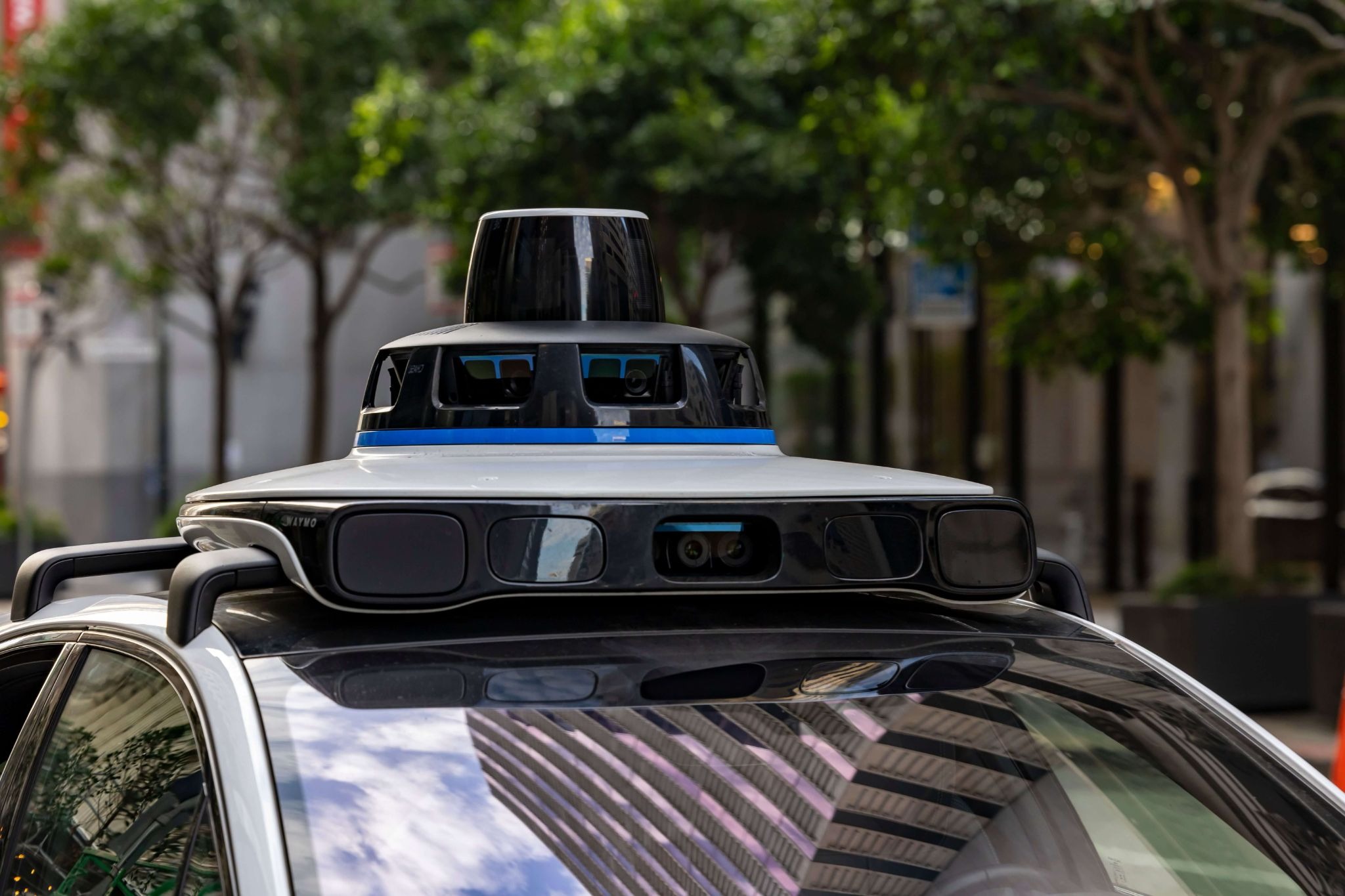
تقوم شركات سيارات الأجرة بالفعل بالعديد من المهام التي ستظل مطلوبة مع الأساطيل ذاتية القيادة. فهي تتولى صيانة السيارات، والتعامل مع التأمين والحوادث، وتوفير دعم العملاء، والتأكد من توفر عدد كافٍ من المركبات. كما تمتلك بعض الشركات بالفعل مستودعاتها الخاصة، أو بنية الشحن التحتية، أو شركاء الصيانة.
يمكن رؤية نموذج محتمل بالفعل في زغرب؛ حيث تمتلك شركة محلية الأسطول ذاتي القيادة وتديره، بينما تجلب منصة أكبر لطلب الرحلات العملاء. وفي المستقبل، يمكن لشركة سيارات أجرة قائمة أن تلعب دوراً مشابهاً. فبدلاً من إدارة السيارات والسائقين، يمكنها إدارة سيارات ذاتية القيادة تتلقى الحجوزات عبر منصة أكبر.
هذا لا يعني أن منصات مثل Uber ستعتمد دائماً على شركات أخرى لامتلاك السيارات. فالاتفاقية التي أبرمتها Uber مع Rivian في عام 2026 تتضمن استثمارات تصل إلى 1.25 مليار دولار مرتبطة بتحقيق أهداف معينة، وتنص على أن Uber أو شركاء أسطولها قد يشترون المركبات ذاتية القيادة. كما تعمل Uber على تطوير البنية التحتية للأساطيل ذاتية القيادة. وبالتالي، فإن نماذج الملكية المختلفة ممكنة.
قد تصبح المركبات ذاتية القيادة مثيرة للاهتمام أيضًا لشركات التأجير ومشاركة السيارات، على الرغم من أن هذا الأمر ربما لا يزال بعيد المنال في المستقبل. تدير هذه الشركات بالفعل المركبات، والصيانة، والتنظيف، والشحن، والحجوزات، وحسابات العملاء، والمدفوعات، لذا فإن الكثير من العمليات التشغيلية متشابهة.
قد تغير القيادة الذاتية أيضًا طريقة نقل سيارات التأجير والمشاركة. ففي الوقت الحالي، قد يحتاج الموظف إلى قيادة السيارة من موقع إلى آخر، أما في المستقبل، فقد تتمكن المركبة من القيام بذلك بنفسها داخل المناطق المسموح فيها بالقيادة الذاتية. بل قد يصبح من الممكن لسيارة التأجير أن تقود نفسها إلى نقطة استلام العميل.
في ظل غياب السائقين، يصبح من المهم للغاية فهم مقدار الوقت الذي تقضيه كل مركبة في العمل الفعلي. فكل ساعة تقضيها المركبة في الشحن، أو التنظيف، أو انتظار الصيانة، أو حتى مجرد التوقف دون استخدام، تعني وقتًا أقل في نقل الركاب الذين يدفعون مقابل الخدمة.
تتضمن بعض مؤشرات الأداء الرئيسية المفيدة: ساعات العمل المتاحة لكل مركبة، والرحلات المدفوعة لكل مركبة يوميًا، والإيرادات لكل مركبة متاحة يوميًا، والكيلومترات المقطوعة بدون ركاب، ووقت التوقف للشحن والصيانة، وتكلفة الرحلة الواحدة، والحوادث التي تتطلب تدخلًا بشريًا. هذه هي مؤشرات الأداء الرئيسية الأكثر شيوعًا في قطاع سيارات الأجرة ذاتية القيادة والتي يمكن للشركة قياسها أثناء مرحلة تجريبية.
على سبيل المثال، إذا كانت السيارات تقضي وقتًا طويلًا في انتظار الشحن، فقد تحتاج إعدادات الشحن إلى تغيير. كما أن كثرة الكيلومترات المقطوعة بدون ركاب قد تعني أن السيارات ليست في المواقع الصحيحة، بينما قد تؤدي زيادة وقت التوقف للصيانة إلى جعل تشغيل المركبة أكثر تكلفة.
في كلا النموذجين، تعتمد جدوى العمل على شروط الشراكة: من يمول المركبات، ومن يتحمل المخاطر عند انخفاض الطلب، وكيف يتم تقاسم الإيرادات وتكاليف التشغيل. يجب على المشغلين تقييم ما يتبقى بعد خصم تكاليف تمويل المركبات، والتأمين، والشحن، والصيانة، ورسوم الشركاء. إن امتلاك المستودعات، وفرق الخدمة المحلية، وضمان توافر الأسطول بشكل موثوق قد يجعل المشغل شريكًا ذا قيمة، ولكن لا يزال يتعين إثبات الربحية.
أحد الخيارات المتاحة لشركات سيارات الأجرة هو التعاون مع شركة متخصصة في القيادة الذاتية ومنصة أكبر لخدمات نقل الركاب. يمكن للشركة المحلية امتلاك أو إدارة السيارات والاعتناء بالأسطول، بينما يقوم العملاء بحجز رحلاتهم من خلال المنصة الأكبر.
قد يكون هناك خيار آخر متاح في المدن التي لا تتواجد فيها منصات كبيرة لنقل الركاب أو التي تغطيتها محدودة. حيث يمكن لشركة محلية العمل مع مزود معتمد للقيادة الذاتية مع استخدام تطبيقها الخاص، وأنظمة الحجز، والمدفوعات، ودعم العملاء، وإدارة الأسطول.
في كلتا الحالتين، لا يمكن للشركة ببساطة شراء سيارات ذاتية القيادة والبدء في تقديم الرحلات. إذ يجب اعتماد التكنولوجيا، كما يجب أن تسمح القواعد المحلية بهذه الخدمة. وتختلف هذه القواعد أيضًا في جميع أنحاء أوروبا. فعلى سبيل المثال، قدمت بريطانيا العظمى إطار عملها الخاص بخدمات الركاب المؤتمتة في عام 2026. وتتطلب الخدمات المشابهة لسيارات الأجرة أو مركبات النقل الخاص موافقة السلطة المحلية ذات الصلة، بينما يتم التعامل مع مسؤولية تكنولوجيا القيادة الذاتية وخدمة الركاب بشكل منفصل.
لا تحتاج الشركة إلى امتلاك سيارات ذاتية القيادة اليوم لتبدأ في الاستعداد. فخطوة أولى جيدة تتمثل في فهم الأسطول الحالي بالتفصيل؛ مثل تكلفة كل مركبة، وعدد ساعات توافرها، والوقت الذي تقضيه في الشحن أو الإصلاح، وأوقات ذروة استخدام السيارات.
كما يجدر النظر في عمليات الشحن والتنظيف والصيانة والمستودعات، لأن كل هذه الأمور ستظل ضرورية مع المركبات ذاتية القيادة. ويمكن للشركة المهتمة بتجربة القيادة الذاتية بعد ذلك اختيار الموقع وحالة الاستخدام، والاطلاع على عملية التصاريح المحلية، والبدء في التحدث مع مزودي تكنولوجيا القيادة الذاتية.
ستحتاج البرمجيات أيضًا إلى بعض التحضير. فما زال العملاء بحاجة إلى حجز الرحلات ودفع ثمنها، بينما تحتاج الشركة إلى معلومات الأسطول، ودعم العملاء، والتقارير، والربط بين أنظمتها الخاصة وتكنولوجيا القيادة الذاتية. إن البدء بمشروع تجريبي صغير يجعل من الممكن اختبار كل هذا قبل محاولة بناء خدمة أكبر.
توفر ATOM Mobility بالفعل العديد من الوظائف البرمجية التي تستخدمها شركات سيارات الأجرة، وخدمات نقل الركاب، والتأجير، والمشاركة، بما في ذلك تطبيقات العملاء، والحجوزات، والمدفوعات، وإدارة الأسطول، ومهام الصيانة، والتحليلات، وواجهات برمجة التطبيقات (APIs). إن برمجيات نقل الركاب تتضمن تطبيقات الركاب والسائقين، وإدارة الطلبات، والمدفوعات، وبيانات الأسطول، والتحليلات، وعمليات الربط. أما واجهة برمجة تطبيقات ATOM Mobility يمكنها أيضاً تبادل البيانات المتعلقة بالمركبات، والحجوزات، والرحلات، والمدفوعات، والقياس عن بُعد، ومهام الصيانة.
لا توفر ATOM Mobility تقنيات القيادة الذاتية. فهذا المجال يقع ضمن اختصاص شركات المركبات ذاتية القيادة المتخصصة، ولكل مشروع متطلباته التقنية وتصاريحه المحلية الخاصة. بالنسبة لمشاريع المركبات ذاتية القيادة التجريبية، يمكن لـ ATOM Mobility التعاون مع شركة الأسطول ومزود تقنية القيادة الذاتية لتحسين تجربة الركاب، وإدارة عمليات الربط التقني، وإدارة الأسطول، وتوفير البيانات اللازمة لتقييم أداء المشروع التجريبي.
إذا كنت تدير أسطولاً لسيارات الأجرة أو التأجير أو المشاركة وترغب في استكشاف مشروع تجريبي للمركبات ذاتية القيادة، ATOM Mobility يمكنها المساعدة في التخطيط لإعدادات الحجز وإدارة الأسطول، وعمليات الربط التقني، والمقاييس التي ستحتاجها لاختبار المشروع بالتعاون مع شريك تقني في مجال المركبات ذاتية القيادة.

🛵 هل تخطط لبدء خدمة مشاركة السكوتر أو الدراجة أو الدراجة؟ يعد اختيار المركبات المناسبة جزءًا كبيرًا من نجاحك. يشرح هذا الدليل مكان شراء المركبات المستعملة أو الجديدة، وما يمكن توقعه من كل خيار، والعلامات التجارية الأفضل لعمليات الأسطول.
إن بدء نشاط تجاري خاص بالتنقل الدقيق يعني اتخاذ قرارات ذكية في وقت مبكر. واحدة من أهمها اختيار المركبات المناسبة. سواء كنت تخطط لإطلاق أسطول من الدراجات البخارية الإلكترونية أو الدراجات أو الدراجات البخارية، فإن المركبات التي تختارها ستؤثر على مدى سرعة وصولك إلى السوق، والمبلغ الذي تنفقه مقدمًا، ومدى موثوقية خدمتك.
هناك طريقتان رئيسيتان للحصول على المركبات: شرائها مستعملة أو شرائها جديدة من الشركات المصنعة. لكل منهما إيجابيات وسلبيات، اعتمادًا على أهدافك وميزانيتك وجدولك الزمني.
يمكن أن يكون شراء الدراجات البخارية أو الدراجات أو الدراجات البخارية المستعملة طريقة رائعة لتقليل التكاليف عند البدء. هذا مفيد بشكل خاص إذا كنت لا تزال تختبر الأجواء أو ترغب في الإطلاق بسرعة دون استثمار الكثير.

إذا كنت تخطط للتوسع أو تريد التحكم الكامل من البداية، فقد يكون شراء سيارات جديدة مباشرة من الشركة المصنعة أو الموزع مناسبًا بشكل أفضل. تحصل على ضمان كامل وجودة أفضل وعمر أطول.
إذا كنت تقارن كلا الخيارين، فإليك الاختلافات الرئيسية التي يجب وضعها في الاعتبار:
عادة ما تكون السيارات المستعملة متاحة بشكل أسرع وبتكلفة أقل مقدمًا. لا يتعين عليك الالتزام بالطلبات الكبيرة ويمكنك البدء ببضع وحدات فقط. ولكنها قد تحتاج إلى مزيد من الصيانة، ولها عمر أقصر، ولا تشمل أي ضمان.
تتطلب المركبات الجديدة مزيدًا من الاستثمار، ولكنك تحصل على ضمان كامل وأحدث الموديلات ودعم أفضل. قد يكون لدى الشركات المصنعة حد أدنى من متطلبات الطلب وجداول زمنية أطول للتسليم، خاصة إذا كان الشحن من آسيا. ومع ذلك، فإن الجودة والموثوقية عادة ما تعوض عن ذلك على المدى الطويل.

إذا كنت تفكر في الطلب مباشرة من الشركات المصنعة، فإليك بعض العلامات التجارية الأكثر شهرة وثباتًا المستخدمة في التنقل المشترك:
تقدم كل من هذه الشركات المصنعة نماذج مصممة خصيصًا للمشاركة والأساطيل الكبيرة. تأتي ميزات مثل البطاريات القابلة للتبديل ولوحات معلومات الأسطول والتصميم القوي بشكل قياسي.
يعتمد اختيار المورد المناسب على أهدافك. إذا كانت السرعة والتكلفة المنخفضة هي الأكثر أهمية، فقد تساعدك المركبات المستعملة على البدء بشكل أسرع. إذا كنت تبني شيئًا طويل الأجل، فإن الاستثمار في السيارات الجديدة قد يؤتي ثماره من خلال موثوقية أفضل وعمر أطول.
في كلتا الحالتين، تأكد من أن المركبات التي تختارها متوافقة مع النظام الأساسي الخاص بك - وأن قطع الغيار والدعم ستكون متاحة. يعمل ATOM Mobility مع كل من الأساطيل المستعملة والجديدة ويمكنه مساعدتك في التوفيق بين خيارات السيارة المناسبة.

🛵 هل تفكر في إطلاق شركة للتنقل؟ يمكن لقرار رئيسي واحد أن يشكل مسار نموك بالكامل: اختر امتيازًا أو أنشئ علامتك التجارية الخاصة باستخدام حل العلامة البيضاء. 🔍 يشرح هذا الدليل إيجابيات وسلبيات كل نموذج - ويوضح كيف يمكنك حتى تنمية شبكة الشركاء الخاصة بك تحت علامتك التجارية باستخدام منصة العلامة البيضاء من ATOM Mobility.
يأتي بدء نشاط تجاري جديد في مجال التنقل مع العديد من القرارات، ولكن أحد أهمها هو اختيار النموذج المناسب للنمو. سواء كنت تفكر في إطلاق أسطول دراجات كهربائية، أو تطبيق لتأجير السيارات، أو مشاركة السيارة في مدينتك، فهناك مساران رئيسيان يجب مراعاتهما: الانضمام إلى امتياز تجاري أو بناء علامتك التجارية الخاصة باستخدام حل العلامة البيضاء.
يقدم كلا الطرازين مزايا واضحة - ولكل منهما جوانب سلبية. يعتمد أفضل ما يعمل على أهدافك وخبرتك ورؤيتك طويلة المدى.
الامتياز يعني الانضمام إلى علامة تجارية موجودة والعمل تحت اسمها وأنظمتها وتقنيتها. على سبيل المثال، قد يصبح أسطول سيارات الأجرة المحلي شريكًا لشركة Bolt في مجال خدمات النقل، حيث يمكنه الوصول إلى تكنولوجيا Bolt وقاعدة المستخدمين وسمعتها. وبالمثل، في مجال التنقل المصغر، تسمح بعض العلامات التجارية لرواد الأعمال المحليين بإطلاق خدمات السكوتر الكهربائي أو مشاركة الدراجات كأصحاب امتياز.
هذا النموذج شائع لأنه يمكن أن يقلل بشكل كبير من الوقت والجهد اللازمين للإطلاق. بدلاً من تطوير التكنولوجيا والعلامة التجارية واستراتيجية التسويق والأنظمة التشغيلية الخاصة بك، تحصل على حزمة، وهي شركة «جاهزة للاستخدام»، من علامة تجارية تعرف بالفعل أصول العمل.
الميزة الرئيسية للامتياز هي السرعة والبساطة. لا تحتاج إلى بناء كل شيء من الصفر. أنت تعمل تحت اسم معروف، مما يجعل التسويق أسهل. في كثير من الأحيان، تحصل أيضًا على دعم تشغيلي ودليل واضح للمتابعة.
ولكن هناك أيضًا جوانب سلبية. بصفتك صاحب امتياز، لا يمكنك التحكم بشكل كامل في العلامة التجارية والعملاء والتكنولوجيا. قد تكون لديك مرونة محدودة لتجربة الخدمة أو تكييفها مع احتياجاتك المحلية. يمكن أن تؤدي رسوم الامتياز أو نماذج مشاركة الأرباح أيضًا إلى تقليل هامش الربح. وإذا كانت العلامة التجارية تعاني من مشاكل تتعلق بالسمعة في مكان آخر، فقد يؤثر ذلك على نشاطك التجاري المحلي - حتى لو كنت تفعل كل شيء بشكل صحيح.
ليفي، شركة مشاركة السكوتر الكهربائي ومقرها الولايات المتحدة، توسعت بنجاح من خلال نموذج الامتياز من خلال الشراكة مع المشغلين المحليين في جميع أنحاء الولايات المتحدة الأمريكية. يمكن لرواد الأعمال إطلاق وتشغيل خدمات تحمل علامة Levy في مدنهم، مع الاستفادة من البرامج والأجهزة والمعرفة التشغيلية التي تم اختبارها من LEVY. ساعد هذا النموذج LEVY على التوسع بسرعة مع الحفاظ على علامة تجارية وجودة خدمة متسقة.
الدراجة التالية، ومقرها في ألمانيا، هي واحدة من الشركات العامة الرائدة في العالم في مجال مشاركة الدراجات. وهي تعمل مع المدن والشركاء الذين يشبهون الامتياز لتشغيل الخدمات المحلية تحت العلامة التجارية Nextbike. يتعامل هؤلاء الشركاء مع العمليات على الأرض، مثل الصيانة وخدمة العملاء، مع الاستفادة من منصة Nextbike الراسخة والعلامة التجارية والخبرة الدولية. من خلال التواجد في أكثر من 300 مدينة، يعد هذا مثالًا واضحًا على كيفية توسع أعمال التنقل الصغير من خلال الشراكات الموزعة.
يتيح لك حل العلامة البيضاء إطلاق منصة التنقل الخاصة بك - تحت علامتك التجارية الخاصة - باستخدام تقنية جاهزة لشخص آخر. هذا يعني أنه يمكنك إنشاء تطبيق مخصص لنقل الركاب أو خدمة مشاركة السيارات أو أسطول السكوتر يبدو وكأنه ملكك بنسبة 100٪، ولكن دون الحاجة إلى إنشاء البرنامج من البداية.
إذا لم تكن على دراية بكيفية عمل العلامة البيضاء، إليك شرح جيد.
باستخدام العلامة البيضاء، يمكنك الحصول على ملكية علامتك التجارية وعملياتك، مع الاستفادة من البرامج الموثوقة والمختبرة التي تم استخدامها في عشرات الأسواق. أنت لست مجرد مشغل محلي - أنت مالك العلامة التجارية.
أكبر فائدة لنهج العلامة البيضاء هي الاستقلال. يمكنك التحكم في العلامة التجارية والتسويق والتسعير والشراكات وكل شيء. يمكنك بناء عمل فريد يعكس رؤيتك واحتياجات السوق المحلية. لا توجد مشاركة في الإيرادات أو رسوم امتياز مستمرة.
ومع ذلك، فإن العلامة البيضاء تعني أيضًا المزيد من المسؤولية. يجب عليك إدارة التسويق ودعم العملاء والشراكات المحلية والعمليات بنفسك. أثناء توفير البرنامج، يكون النشاط التجاري ملكك لتشغيله. يتطلب المزيد من المشاركة ولكنه يجلب أيضًا المزيد من المكافآت المحتملة.

إذا كنت ترغب في طريقة سريعة ومنخفضة المخاطر لدخول السوق بدعم وأنظمة واضحة، فقد يكون الامتياز مناسبًا - خاصة إذا كنت جديدًا في مجال التنقل أو ترغب في اختبار الأجواء.
إذا كنت ترغب في بناء مشروع تجاري طويل الأجل تحت علامتك التجارية الخاصة، مع تحكم كامل وهوامش محتملة أعلى، فمن المحتمل أن تكون العلامة البيضاء هي الخيار الأفضل. يمنحك مساحة للنمو والتكيف دون التقيد بقواعد شخص آخر.
تبدأ العديد من الشركات الناجحة ببرنامج العلامة البيضاء لتسريع إطلاقها، ثم تركز على بناء علامة تجارية محلية قوية وقاعدة مستخدمين. مع مرور الوقت، يمكن أن يوفر هذا النهج المزيد من الحرية الاستراتيجية وعوائد أفضل.
تتمثل إحدى ميزات اختيار مزود العلامة البيضاء مثل ATOM Mobility في أنك لا تبني لنفسك فقط. باستخدام منصة ATOM، يمكنك أيضًا التوسع من خلال دعوة الشركاء للعمل تحت علامتك التجارية في مدن أو مناطق أخرى.
هذا يعني أنه يمكنك البدء كمشغل مستقل، وبمرور الوقت، إنشاء شبكة خاصة بك على غرار الامتياز. يتيح لك برنامج ATOM إضافة شركاء إلى النظام الأساسي الخاص بك، وتعيين مناطق محددة لهم، وتقييد الوصول إلى البيانات، وإدارة العمليات من نظام مركزي واحد. يعمل شركاؤك تحت علامتك التجارية - وستظل تتحكم في الصورة الأكبر.
هذه هي بالضبط الطريقة التي نما بها العديد من عملائنا. لقد بدأوا محليًا، وأثبتوا النموذج، ثم توسعوا من خلال الشراكة مع الآخرين - كل ذلك دون التخلي عن علامتهم التجارية أو استقلاليتهم.
يُعد كل من الامتياز والعلامة البيضاء طرقًا صالحة لإطلاق أعمال التنقل، وكلاهما يأتي بمزايا واضحة. ولكن إذا كان هدفك هو ملكية العلامة التجارية على المدى الطويل والمرونة والقدرة على التوسع وفقًا لشروطك الخاصة، فإن العلامة البيضاء غالبًا ما تكون المسار الأكثر ذكاءً.
مع أجهزة أتوم للتنقل المنصة، يمكنك إطلاقها بسرعة، والعمل بكفاءة، وحتى بناء شبكتك الخاصة من الشركاء تحت علامتك التجارية - إنشاء نموذج امتياز يناسبك.

🚕 هل تفكر في إطلاق خدمة النقل الخاصة بك؟ لا تحتاج إلى ميزانية عملاقة أو سنوات من التطوير. باستخدام الأدوات المناسبة والعقلية المحلية الأولى، يمكنك الانتقال من الصفر إلى الإطلاق في 90 يومًا فقط. من إعداد المنصة وإعداد السائق إلى الاختبار التجريبي وأول 1000 رحلة - يغطي هذا الدليل كل شيء.
قد يبدو بدء مشروع نقل الركاب أو مشروع التنقل المشترك أمرًا مربكًا، ولكن مع وجود خطة واضحة، يمكن إطلاقه في غضون 90 يومًا فقط. يحدد هذا الدليل عملية من ثلاث مراحل: وضع الأساس وبناء منتجك وفريقك والإطلاق - بالإضافة إلى نصائح للنمو بعد اليوم 90. من خلال اتباع خارطة الطريق هذه، ستقوم بالتحقق من صحة فكرتك، وضمان الامتثال القانوني، وإنشاء علامتك التجارية والتكنولوجيا، وتوظيف السائقين، والوصول إلى السوق جاهزًا.
اليوم 0-30: التأسيس
العثور على مكانة
ابدأ بالتحقق من صحة السوق والإعداد القانوني. ابحث في المنطقة المستهدفة لتحديد احتياجات النقل غير الملباة. ربما لا يخدم مقدمو الخدمات الكبار مناطق معينة، أو هناك طلب على الخدمات الصديقة للبيئة أو المتميزة أو المتخصصة مثل ركوب الخيل للسيدات فقط.
هل تتطلع إلى التميز في سوق ركوب الخيل التنافسي؟ تحقق من هاتين القراءتين الثاقبتين:
- العثور على مكانة في سوق ركوب الخيل التنافسي: https://www.atommobility.com/blog/how-to-find-your-niche-in-the-competitive-ride-hail-market-real-world-examples-of-businesses-that-resonate
- اكتشف كيف تدعم نقابة سيارات الأجرة المحلية في السويد منصة جديدة لإعادة تشكيل معايير الصناعة وبناء نظام بيئي أكثر عدلاً: https://www.atommobility.com/blog/driving-change-with-fair-how-a-small-platform-is-redefining-the-taxi-industry-in-sweden
من المفترض أن يساعدك هذا في تحديد مكانتك أو وضعك الفريد أو زاويتك، وفي النهاية عرض البيع الفريد الخاص بك للتميز عن اللاعبين الآخرين في السوق.
الامتثال القانوني
ستكون الخطوة التالية هي تشكيل عملك (على سبيل المثال، LLC) لحماية المسؤولية وجذب المستثمرين لاحقًا. تقدم بطلب للحصول على التصاريح اللازمة، مثل تراخيص الشركات عبر الوطنية، واستشر اللوائح المحلية. التأمين ضروري - ستحتاج إلى تغطية المسؤولية التجارية التي تشمل أيضًا السائقين. قم بإجراء فحوصات الخلفية لضمان السلامة والامتثال.
قائمة التحقق من الامتثال القانوني:
إعداد الميزانية لإطلاق MVP
حدد التكاليف الأساسية: البرامج والتراخيص والتأمين والتسويق وحوافز السائقين ودعم العملاء وخدمات المحاسبة وبعض الاحتياطيات. استخدم برنامجًا ذا علامة بيضاء مثل أتوم موبيليتي لتجنب الإنشاءات المخصصة المكلفة. توفر هذه المنصات تطبيقات الراكب/السائق وأنظمة الواجهة الخلفية مقابل جزء بسيط من تكاليف التطوير.
خطط لميزانية تسويق أولية (على سبيل المثال، 1000 يورو - 5000 يورو) وخصص مكافآت تسجيل السائق (100 يورو لـ 20 رحلة، على سبيل المثال). قم بتضمين النفقات الصغيرة مثل حسابات مطوري Apple أو مكان في العمل المشترك للعمل منه. حافظ على انخفاض التكاليف وقم بإعداد ميزانية مفصلة لأول 6-12 شهرًا.
التمويل: Bootstrapping مقابل المستثمرين
بمجرد إعداد ميزانية تتراوح من 6 إلى 12 شهرًا، يمكنك الاختيار بين التمويل الشخصي أو المستثمرين الملاك أو التمويل الجماعي. يوفر Bootstrapping (باستخدام رأس المال الشخصي الخاص بك) التحكم ولكنه يحد من الحجم. يمكن للمجموعة المحلية من المستثمرين الملاك المساهمة بمبلغ 50 ألف يورو - 500 ألف يورو في الإرشاد الإجمالي والإضافي. يساعد التمويل الجماعي في جمع الأموال أثناء بناء قاعدة داعمين محلية. على سبيل المثال، يمكنك إشراك السائقين للاستثمار من خلال التمويل الجماعي مقابل حصة صغيرة من الأسهم في شركتك والاستخدام المجاني للمنصة لفترة معينة.
إليك موردًا مفيدًا حول استخدام التمويل الجماعي لبدء مشروعك والحصول على الإلهام: https://www.atommobility.com/blog/crowdfunding-for-your-vehicle-sharing-business
إذا أظهر تحليل ميزانيتك أنك بحاجة إلى تمويل خارجي، فحاول على الأقل إطلاق نموذج أولي صغير الحجم يعمل بأموال شخصية أو جولة FFF (تمويل الأصدقاء والعائلة والحمقى) قبل الدخول في عملية الاستثمار. إن إظهار قوة جذب متواضعة يعزز بشكل كبير فرصك في الحصول على زيادة ناجحة.
يرجى ملاحظة أن تأمين الجولة الأولى من التمويل - سواء من التمويل الجماعي أو ملائكة الأعمال - يستغرق عادةً ستة أشهر أو أكثر. للحفاظ على الزخم، أطلق إصدارًا أوليًا من منتجك أو خدمتك، ثم ابدأ عملية جمع التبرعات.

اليوم 30-60: البناء والتكامل
برامج
يمكن أن يؤدي اختيار شريك البرنامج المناسب إلى نجاح مشروعك الجديد في مجال ركوب الخيل أو كسره. من كفاءة التكلفة وسرعة الوصول إلى السوق إلى الموثوقية والمعرفة المتخصصة في الصناعة، غالبًا ما تفوق فوائد حل العلامة البيضاء تعقيدات وتكلفة البناء من الصفر. تأكد من تقييم ميزات النظام الأساسي لكل مزود - تطبيقات الراكب والسائق ونظام الإرسال وأدوات الدفع - جنبًا إلى جنب مع سجلهم الحافل في التوسع والدخول إلى أسواق مختلفة. تأكد من قدرات التخصيص وشفافية التسعير والقدرة على التوسع في مناطق خدمة جديدة مع نمو عملك. في النهاية، اختر شريكًا يقدم كل من التكنولوجيا والدعم الاستراتيجي الذي تحتاجه. لمزيد من الأفكار حول عملية صنع القرار هذه، استكشف حلول العلامة البيضاء مقابل البناء من الصفر واكتشف لماذا أتوم للتعمق في اختيار الشريك التقني المناسب.
إنشاء هوية واضحة للعلامة التجارية
ابدأ باختيار اسم لا يُنسى يعكس مكانتك ومدينتك - يمكن للأدوات التي تعمل بالذكاء الاصطناعي مثل ChatGPT تسريع عملية العصف الذهني. بعد ذلك، صمم شعارًا بسيطًا واختر الألوان الأساسية باستخدام منصات سهلة الاستخدام مثل Canva أو لوكا. الاتساق هو المفتاح، لذا استخدم عناصر التصميم هذه عبر موقع الويب الخاص بك والقنوات الاجتماعية.
عندما يحين وقت إطلاق تواجدك عبر الإنترنت، اختر منصات خالية من التعليمات البرمجية مثل Squarespace أو Carrd لإنشاء صفحة مقصودة بسيطة في دقائق - دون الحاجة إلى مطورين. اعرض رسالتك الأساسية بوضوح (على سبيل المثال، «سيارات مرسيدس المميزة ذات اللون الأسود بالكامل في [المدينة].»)، وقم بتضمين روابط لتطبيقات الراكب/السائق الخاصة بك، وقدم نموذج تسجيل السائق. يساعد هذا النهج المباشر المستخدمين والسائقين المحتملين على فهم علامتك التجارية والثقة بها بسرعة.
تأهيل السائق (أول 50 سائقًا)
لا يمكن تشغيل خدمتك بدون سائقين، لذا اجعل تجربة تأهيلهم سلسة وجذابة قدر الإمكان. ابدأ بتحديد الفوائد الملموسة - مثل عمولات 0% للأشهر الثلاثة الأولى، أو الامتيازات المتخصصة، أو الشراكات المحلية - التي تميزك. تواصل عبر وسائل التواصل الاجتماعي والمجتمعات عبر الإنترنت والرسائل المباشرة لتوظيف قاعدة السائقين الأوليين المخلصين. استضف ندوات عبر الإنترنت أو جلسات معلومات للحفاظ على تفاعلهم ومعالجة أي مخاوف.
ضع في اعتبارك أن برامج التشغيل الأولى ضرورية لرضا المستخدم: فهي وجه خدمتك وتؤثر بشكل كبير على جودة كل رحلة. ضع في اعتبارك تقديم سلع تحمل علامة تجارية وإرشادات واضحة - مثل تقديم الحلوى المجانية أو المياه المعبأة في زجاجات أو فتح الأبواب أو أي لفتة أخرى تتماشى مع عرض البيع الفريد الخاص بك (USP).
لتبسيط عملية الإعداد، قم بإنشاء نموذج موقع ويب بسيط للاشتراكات، وضمان التحقق السريع من المستندات، وإجراء عمليات التحقق من الخلفية، وتقديم وحدات تدريبية موجزة. يمكن أن تساعدك الحوافز مثل مكافآت التسجيل أو فترة العمولة الصفرية في تجنيد مجموعتك الأولى من السائقين بسرعة. يمكنك أيضًا ضمان الأرباح الأولية (التي تغطي الرسوم الثابتة من ميزانيتك) لبناء ثقة السائق أثناء تنمية قاعدة المستخدمين.
الهدف: بحلول اليوم 60، احرص على أن يكون لديك ما لا يقل عن 50 سائقًا مسجلين وجاهزين لخدمة منطقة الإطلاق الخاصة بك، ووضع أساس متين لنجاح منصتك.
اليوم 60-90: الاختبار والإطلاق
اختبار بيتا مغلق
قبل الإطلاق الكامل، قم بدعوة مجموعة صغيرة من الأصدقاء أو العائلة أو الداعمين الأوائل لاختبار تطبيقك ومحاكاة سيناريوهات العالم الحقيقي. ركز على الأساسيات: طلبات الركوب ومعالجة الدفع ودقة GPS وتدفقات الإلغاء - بشكل مثالي في أوقات مختلفة من اليوم وعلى أجهزة مختلفة. قم ببعض الجولات الفعلية مع سائقين حقيقيين لترى كيف يتبعون الإجراءات المحددة ويتفاعلون مع الركاب. اجمع الملاحظات للكشف عن أي مشكلات تتعلق بقابلية الاستخدام أو سلوكيات السائق غير المتوقعة.
خلال هذه المرحلة، قم بتحسين عملياتك الداخلية أيضًا. حدد كيفية التعامل مع استفسارات العملاء - سواء عبر بريد إلكتروني مخصص للمساعدة أو دعم الدردشة أو كليهما - واستجب على الفور لبناء الثقة. إذا كان لديك فريق، فتأكد من أن الجميع على وفاق تام بشأن المسؤوليات وإرشادات الاتصال وكيفية معالجة مخاوف الراكب أو السائق. يساعدك هذا النهج المستهدف على حل المشكلات المحتملة وتحسين تجربة المستخدم وإنشاء بروتوكولات دعم قوية قبل طرحها للجمهور.
الإطلاق العام
قرر ما إذا كنت تريد طرحه بهدوء (أ) إطلاق ناعم) للتخلص من أي أخطاء في اللحظة الأخيرة أو صنع إعلان كبير مع بيان صحفي. إذا اخترت الخيار الأخير، فقم بعرض قصتك على وسائل الإعلام المحلية، مع التركيز على نهج المجتمع أولاً للتنقل. يُعد إطلاق العروض الترويجية - مثل خصم 50٪ على المشاوير الأولى أو رصيد الاشتراك بقيمة 5 يورو - طريقة رائعة لجذب المستخدمين الأوائل وإثارة ضجة.
تأكد من أن مجموعة السائقين جاهزة للتعامل مع الطلب من خلال تنسيق الجداول الزمنية والتوافر. ضع في اعتبارك التكتيكات غير المتصلة بالإنترنت أيضًا: يمكن أن يساعدك توزيع النشرات في المناطق ذات الازدحام الشديد أو إنشاء أكشاك في الحرم الجامعي أو رعاية الأحداث المجتمعية في اكتساب شهرة محلية. بعد بدء البث المباشر، راقب عن كثب تعليقات الركاب (على سبيل المثال، تقييمات المشاوير ومراجعات متجر التطبيقات) وعالج المشكلات بسرعة للحفاظ على تجربة مستخدم إيجابية.
التسويق والنمو إلى 1,000 رحلة
كن شريكًا مع المؤثرين المحليين للترويج لتطبيقك، وتقديم رحلات مجانية أو مدفوعات صغيرة مقابل منشورات حقيقية على وسائل التواصل الاجتماعي. ركز على المؤثرين الذين يثق بهم جمهورك المستهدف. نفّذ برامج إحالة التطبيقات - كافئ المستخدمين وأصدقائهم بأرصدة المشاوير لتحفيز نمو الكلام الشفهي.
حافظ على مستوى عالٍ من المشاركة من خلال مشاركة المعالم وقصص نجاح المستخدم عبر الإنترنت. يمكنك المشاركة في الأحداث المحلية وتقديم أكواد ترويجية حصرية لجذب الدراجين الجدد. ابدأ بالإعلانات الرقمية على نطاق صغير، وأعد الاستثمار أثناء تحقيق الإيرادات وتعرف على القنوات التي تعمل بشكل أفضل. يمكنك تتبع المقاييس الأساسية مثل عمليات الاشتراك وحجم المشاوير وأوقات الانتظار حتى تتمكن من اتخاذ قرارات تعتمد على البيانات وتحسين استراتيجيتك في الوقت الفعلي.
بعد 90 يومًا: التحجيم
دعم العملاء والعمليات
مع نمو النظام الأساسي الخاص بك، فكر في الاستعانة بمصادر خارجية أو التشغيل الآلي لجوانب دعم العملاء. أنشئ مركز مساعدة أو أسئلة وأجوبة لتوجيه المستخدمين إلى الحلول السريعة، واحتفظ بالعمليات اليومية تحت المراقبة عن كثب حتى تتمكن من حل أي مشكلات بسرعة. للحفاظ على الكفاءة، قم بتعيين مساعد بدوام جزئي (على سبيل المثال، المسوقين أو مديري الأساطيل) الذين يمكنهم التعامل مع المهام المتخصصة دون تضخيم النفقات العامة.
جمع التبرعات
مع وجود قوة دفع أولية، فأنت في وضع قوي لتأمين تمويل إضافي. قدم بيانات واضحة حول حجم الرحلات والاحتفاظ بالمستخدمين ونمو الإيرادات للمستثمرين الملاك المحتملين أو منصات التمويل الجماعي. قد تكون المنح الحكومية متاحة أيضًا لمبادرات النقل المستدام، لذا استكشف هذه الفرص. كن محددًا بشأن كيفية استخدام الأموال - على سبيل المثال، «نحتاج إلى 100 ألف يورو للتوسع في مدينتين جديدتين والوصول إلى 10000 رحلة شهريًا.»
الجدول الزمني لمدة 90 يومًا
على الرغم من أن إطلاق منصة ركوب الخيل في 90 يومًا يعد أمرًا طموحًا، إلا أن الإستراتيجية المركزة والأدوات المرنة يمكن أن تجعل ذلك ممكنًا. حافظ على رشاقتك وحافظ على جودة الخدمة في المقدمة وحدد معالم ملموسة لكل مرحلة. من خلال الرؤى المحلية القوية والتنفيذ المتسق، يمكنك تحقيق حضور دائم في مساحة التنقل.
النمو والتوسع
قبل الانتقال إلى مدن جديدة، عزز مركزك في السوق الأولي. استمر في توظيف السائقين والوصول إلى شرائح ركاب جديدة من خلال الشراكات المستهدفة وبرامج الولاء. إذا قررت التوسع أكثر، فاستخدم دليل التشغيل الخاص بك لمدة 90 يومًا مرة أخرى، وقم بتعديله ليتناسب مع التحديات والفرص الفريدة لكل منطقة جديدة. حظا سعيدا!

🚗 هل تريد الحفاظ على تقييمات مشاركة سيارتك عالية؟ يتوقع العملاء الموثوقية والشفافية والخدمة الرائعة - وتعكس مراجعاتهم ذلك. من التحقق من الصور المدعوم بالذكاء الاصطناعي إلى الاتصال السلس بإنترنت الأشياء، إليك 7 حلول لتغيير قواعد اللعبة لتحسين تقييماتك وبناء الثقة مع المستخدمين.
يمكن أن تكون مشاركة السيارة عملاً صعبًا. أسطولك في حالة حركة مستمرة، والعملاء لديهم توقعات عالية، ويمكن أن تؤثر كل مراجعة على سمعتك. غالبًا ما يرجع الفرق بين الأعمال الجيدة وتلك التي تعاني إلى رضا العملاء - وهذا يعني الحفاظ على تقييماتك عالية.
إذن، ما هي أفضل الطرق لتحسين التقييمات في مشاركة السيارات؟ فيما يلي بعض الحلول الذكية التي يمكن أن تحدث تأثيرًا حقيقيًا.
1. التحقق من الصور المدعوم بالذكاء الاصطناعي لمنع المفاجآت
لا أحد يحب التقاط سيارة والعثور عليها مخدوشة أو منبعجة أو متسخة. يساعد التحقق من الصور المدعوم بالذكاء الاصطناعي على منع هذه المشكلات قبل أن تؤثر على تقييماتك. يضمن النظام قيام المستخدمين بالتقاط الصور المناسبة قبل وبعد الركوب. إذا كانت السيارة متوقفة بشكل سيئ أو إذا كانت الصورة لا تظهر السيارة بشكل صحيح، فسيقوم النظام بوضع علامة عليها. هذا يقلل من النزاعات ويزيد المساءلة ويحسن جودة الخدمة بشكل عام.
يشعر المستخدمون أيضًا بمزيد من الأمان مع العلم أنهم لن يتحملوا المسؤولية عن الضرر الذي لم يتسببوا فيه. تعمل هذه الخطوة الصغيرة على تحسين الثقة في خدمتك بشكل كبير، مما يساعد بدوره في الحفاظ على تقييمات أعلى بمرور الوقت.
هل تريد دمج هذا؟ تسجيل الخروج كيف تدعم ATOM Mobility عمليات الدمج الذكية.
2. دعم العملاء الذي يساعد بالفعل
دعم العملاء السريع والفعال يغير قواعد اللعبة. يتوقع المستخدمون إجابات سريعة، خاصة عندما يتم منعهم من دخول السيارة أو مواجهة مشكلة فنية. أدوات دمج مثل زيندسك، إنتركوم، أو مافينويد يوفر الدردشة الحية والإجابات الآلية المدعومة بالذكاء الاصطناعي والأسئلة الشائعة وحتى الردود القائمة على الرموز التعبيرية لجعل التواصل أكثر سلاسة. العملاء السعداء يتركون تقييمات أفضل - الأمر بهذه البساطة.
يعني نظام الدعم الرائع أيضًا عددًا أقل من المراجعات السلبية، حيث يقل احتمال قيام المستخدمين المحبطين بالتنفيس عبر الإنترنت عندما يمكنهم الحصول بسرعة على المساعدة التي يحتاجون إليها. بالإضافة إلى ذلك، تساعد الأسئلة الشائعة الآلية المستخدمين على حل المشكلات البسيطة بأنفسهم دون انتظار الرد.
3. اتصال إنترنت الأشياء الرائع لتجربة أفضل
تعد التجربة السلسة وغير المنقطعة واحدة من أكبر العوامل في رضا المستخدم. تضمن حلول اتصال السيارة إمكانية الوصول إلى السيارات دائمًا عند الحاجة. تخيل مستخدمًا يحاول فتح سيارة، لكن إنترنت الأشياء يتأخر أو لا تستجيب السيارة. محبط، أليس كذلك؟ يؤدي دمج حلول إنترنت الأشياء الموثوقة إلى تقليل هذه المشكلات، مما يجعل خدمتك أكثر موثوقية. تدعم ATOM Mobility مجموعة واسعة من وحدات إنترنت الأشياء مثل تيلتونيكا، جيوتاب، معكوس والعديد من الآخرين. هذا يعني أن أسطولك يظل متصلاً ومستجيبًا وموثوقًا بغض النظر عن طرازات السيارات الموجودة في أسطولك.
كما يسمح الأسطول المتصل للمشغلين بالكشف السريع عن أعطال السيارة ومستويات البطارية واحتياجات الصيانة، مما يضمن بقاء السيارات في أفضل حالة قبل تصاعد المشكلات.
شاهد مدى السلاسة الاتصال يجعل مشاركة السيارة أفضل.
4. السماح للمستخدمين بتقييم مشوارهم
إن إعطاء العملاء صوتًا أمر ضروري. من خلال السماح لهم بتقييم مشوارهم، يمكنك الحصول على رؤى قيمة حول ما ينجح وما لا ينجح. هل أعجبتهم النظافة؟ هل كان من السهل الوصول إلى السيارة؟ هل كانت الرحلة سلسة؟ تساعدك هذه البيانات على التكيف والتحسين، مع الحفاظ على خدمتك من الدرجة الأولى. بالإضافة إلى ذلك، يقدر المستخدمون الاستماع إليهم، مما يشجعهم على ترك تعليقات أفضل.
تتيح لك التعليقات المشجعة أيضًا تحديد مجالات المشكلات قبل أن تتحول إلى شكاوى متكررة. النهج الاستباقي يحافظ على تفاعل العملاء ويعزز الولاء.
5. تسعير واضح وبسيط
الرسوم المفاجئة هي طريقة مؤكدة للحصول على تقييمات سيئة. يريد المستخدمون الشفافية عندما يتعلق الأمر بالتسعير. تأكد من أن تطبيقك يعرض بوضوح جميع التكاليف مقدمًا، بما في ذلك أي ودائع أو رسوم تأمين أو رسوم إضافية. التسعير البسيط والصادق يؤدي إلى الثقة، والثقة تؤدي إلى مراجعات أفضل.
كما أنه يساعد على تقديم تفسيرات واضحة لما يحدث في حالة الإرجاع المتأخر أو الأضرار أو رسوم الرسوم. عندما يعرف المستخدمون ما يمكن توقعه، تقل احتمالية انزعاجهم عند تطبيق رسوم إضافية.

6. حافظ على أسطولك في أفضل حالة من خلال الصيانة الوقائية
قد يبدو الأمر واضحًا، ولكن الحفاظ على مركباتك بشكل صحيح يعد عاملاً كبيرًا في رضا العملاء. لا أحد يريد التعامل مع سيارة تنبعث منها رائحة غريبة أو ذات إطار مسطح أو تصدر أصواتًا غريبة. تساعد عمليات التفتيش المنتظمة وتتبع الصيانة الآلية والإبلاغ عن الأضرار داخل التطبيق في الحفاظ على أسطولك في أفضل حالة. تنفيذ التشغيل الآلي للمهام يمكن أن تزيد من تحسين صيانة الأسطول، مما يضمن أن تكون المركبات دائمًا في حالة مثالية مع الحد الأدنى من التدخل اليدوي. سيارات جيدة الصيانة، عملاء سعداء، تقييمات أعلى.
يمكن أن تؤدي إضافة لمسات صغيرة مثل معطرات الهواء وكابلات الشحن والتنظيف الداخلي المنتظم إلى رفع تجربة المستخدم. حتى لو كان عمر السيارة بضع سنوات، فإن الصيانة الجيدة تحدث فرقًا كبيرًا في الإدراك.
7. لوحة تحكم شاملة لإدارة أكثر ذكاءً
لا يمكنك تحسين ما لا تقيسه. تتيح لك لوحة القيادة المتقدمة تتبع أداء السيارة ومراقبة ملاحظات العملاء وتحسين العمليات في مكان واحد. أجهزة أتوم للتنقل حل لوحة القيادة يوفر تحليلات مفصلة، مما يساعدك على البقاء على اطلاع بالمشكلات قبل أن تؤثر على تقييماتك.
من خلال الاستفادة من رؤى البيانات، يمكن للمشغلين تحديد أوقات ذروة الإيجار وتعديل نماذج التسعير والتخطيط لتوسعات الأسطول وفقًا لذلك. يعمل النظام المحسّن جيدًا على الحفاظ على كفاءة العمليات ورضا المستخدمين. بالإضافة إلى ذلك، إدارة أضرار المركبات يساعد العملاء على الإبلاغ عن الأضرار بسهولة، مما يسمح للمشغلين بمعالجة المشكلات بشكل أسرع وتحسين جودة الخدمة بشكل عام.
إن تحسين تقييمات مشاركة سيارتك ليس علمًا صارخًا، ولكنه يتطلب الأدوات المناسبة. من خلال دمج ميزة التحقق من الصور المدعومة بالذكاء الاصطناعي، وتعزيز دعم العملاء، وضمان الاتصال السلس، والحفاظ على صيانة أسطولك جيدًا، يمكنك تعزيز رضا المستخدم بشكل كبير. وعندما يكون العملاء سعداء، ستزدهر تقييماتك - وعملك -.

«أحدث التقنيات في تطبيقات الأجهزة المحمولة ولوحة التحكم، اتفاقية مستوى الخدمة جيدة جدًا!»
«سهل وجميل المظهر ويتم تحديثه وتطويره باستمرار كل شهر والأهم من ذلك كله موثوقة للغاية مع وقت تشغيل مرتفع للغاية«
«اعتدنا العمل مع مزود خدمة مختلف لا يناسب احتياجاتنا. كان التحول إلى ATOM بمثابة تحسن من جانبنا»
استخدم بيانات اعتماد الاختبار لتسجيل الدخول - رقم الهاتف: +1 123123123، الكود: 777777


بيانات اعتماد الإصدار التجريبي من تطبيق Driver - البريد الإلكتروني: test@atom.com، كلمة المرور: برنامج التشغيل