مدونة
رؤى وأخبار من فريق ATOM Mobility
لقد بدأنا مدونتنا لمشاركة معلومات قيمة مجانية حول صناعة التنقل: القصص الملهمة والتحليل المالي والأفكار التسويقية والنصائح العملية وإعلانات الميزات الجديدة والمزيد.

لقد بدأنا مدونتنا لمشاركة معلومات قيمة مجانية حول صناعة التنقل: القصص الملهمة والتحليل المالي والأفكار التسويقية والنصائح العملية وإعلانات الميزات الجديدة والمزيد.
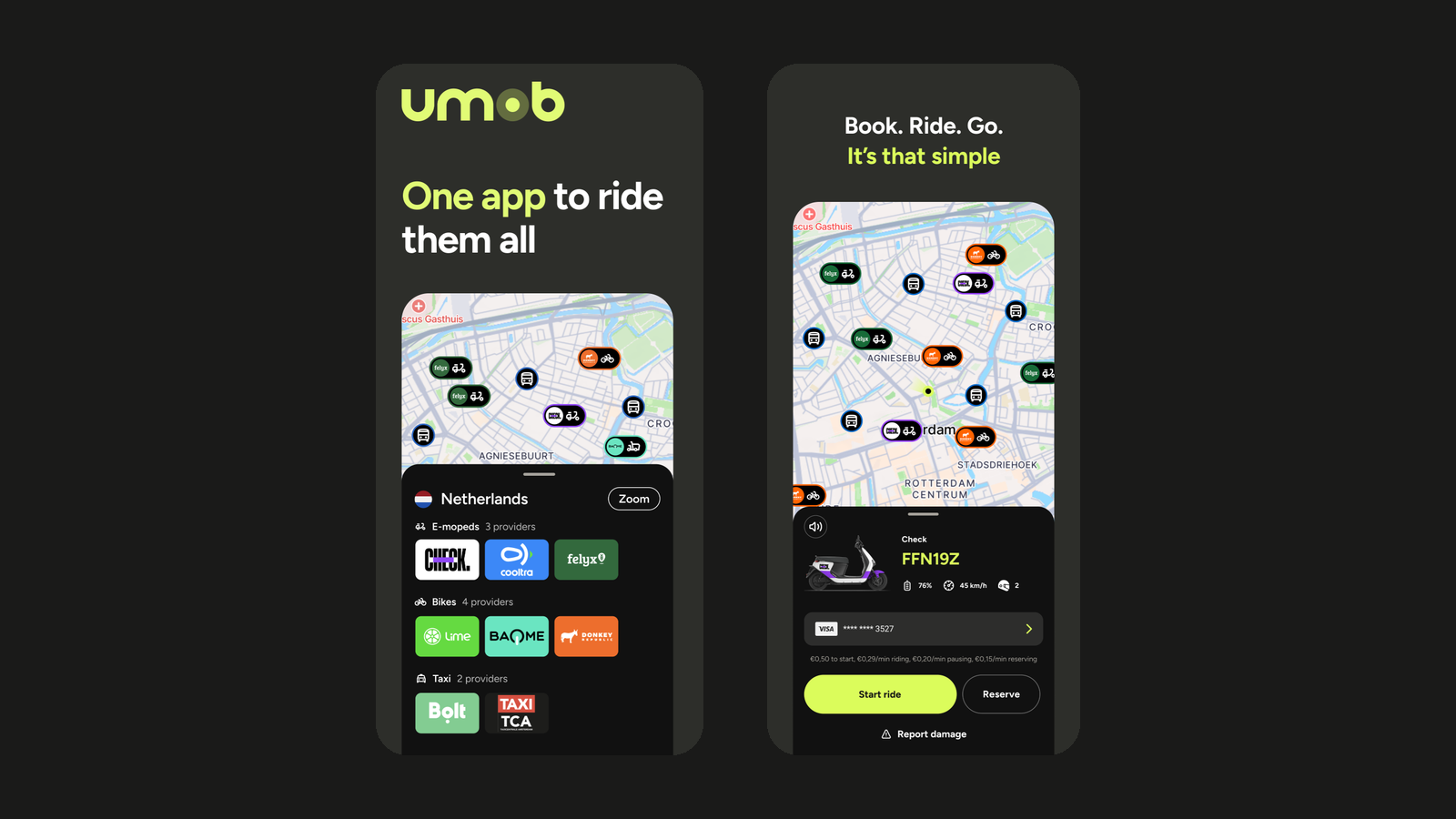
🌍 يمكنك الوصول إلى المزيد من الركاب مع ATOM Mobility وUmob. يمنح هذا التكامل مشغلي التنقل المشترك قناة توزيع إضافية، مما يساعد في جذب عملاء جدد، وزيادة الحجوزات، وتحسين معدلات استخدام الأسطول.
مستقبل التنقل لا يقتصر فقط على تشغيل المركبات، بل يتعلق بابتكار رحلات مريحة تجمع بين خيارات النقل المختلفة في تجربة مستخدم واحدة بسيطة.
ولهذا السبب يسعدنا تسليط الضوء على شراكتنا مع Umob، مما يساعد مشغلي التنقل على توسيع نطاق وصولهم وأن يصبحوا جزءاً من منظومة تنقل متعددة الوسائط متنامية.
سواء كنت تدير سيارات أو سكوترات أو دراجات هوائية أو دراجات نارية مشتركة عبر منصة ATOM Mobility، فإن التكامل مع Umob يجعل خدمتك متاحة لـ آلاف مستخدمي Umob الباحثين عن وسيلة تنقل مريحة.
يتوقع مستخدمو اليوم مرونة عالية؛ فهم لا يفكرون في مزودي خدمات التنقل بشكل منفصل، بل يريدون ببساطة أسرع وأسهل وأكثر الطرق ملاءمة للانتقال من النقطة (أ) إلى النقطة (ب).
تجمع Umob بين مختلف مزودي خدمات التنقل وخيارات النقل في تطبيق واحد. يمكن للمستخدمين العثور على خيارات التنقل المختلفة ومقارنتها وحجزها والدفع مقابلها دون الحاجة إلى تنزيل تطبيق منفصل أو إنشاء حساب جديد لكل مزود خدمة.
من خلال ربط أسطولك بـ Umob، يمكن للمشغلين:
بالنسبة لعملاء ATOM Mobility، صُمم هذا التكامل لتوفير طريقة مباشرة لفتح فرص توزيع جديدة مع الاستمرار في إدارة عملياتهم الأساسية من خلال منصة ATOM Mobility.
من خلال منصة ATOM Mobility، يمكن للمشغلين المشاركين ربط أساطيلهم بـ Umob، مما يتيح للمستخدمين اكتشاف المركبات المتاحة واستخدامها مباشرة عبر تطبيق Umob.
بمجرد الربط، ستظهر مركبات المشغلين المشاركين في Umob إلى جانب خيارات التنقل الأخرى المتاحة، مما يمنح المستخدمين نظرة عامة واضحة على الطرق المختلفة التي يمكنهم من خلالها الانتقال من النقطة (أ) إلى النقطة (ب).
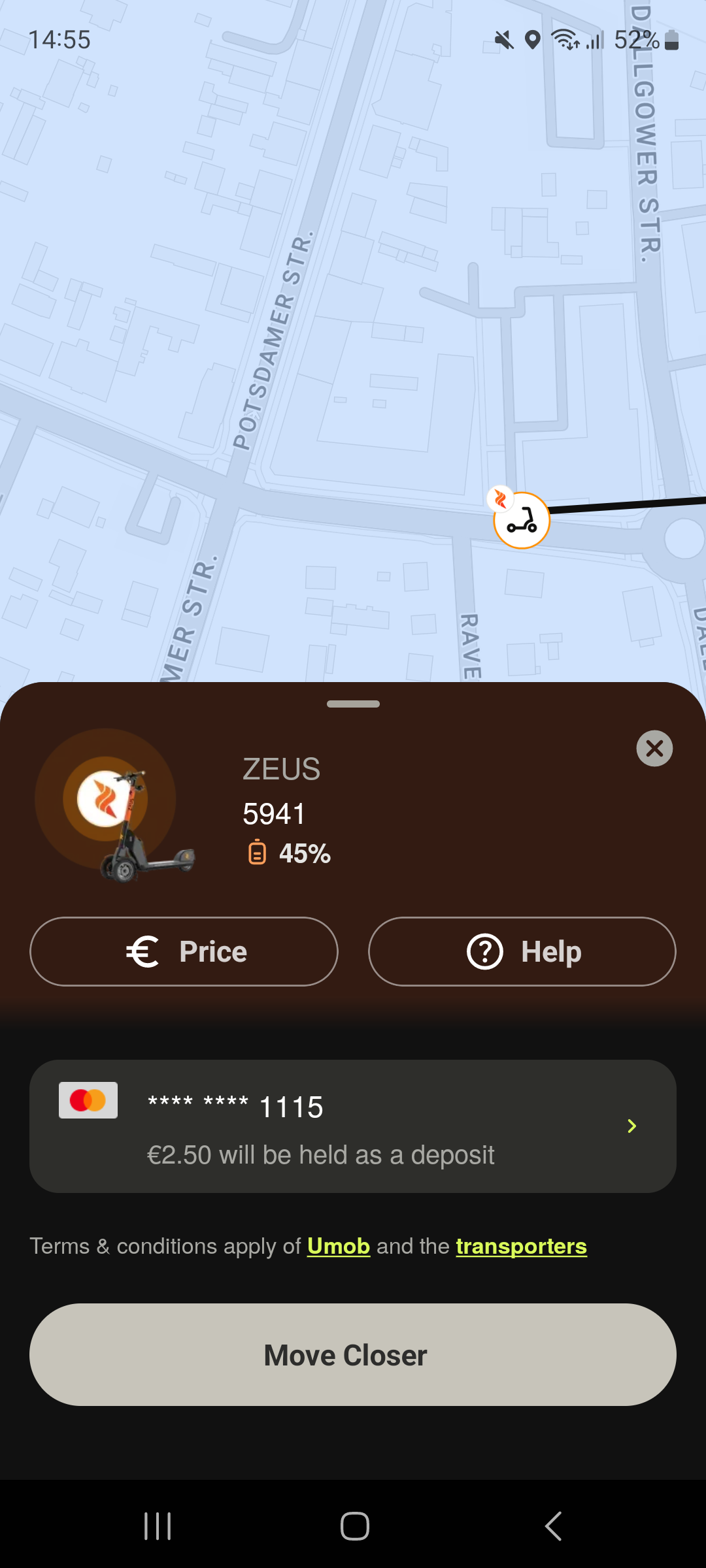
يمكن للمستخدمين العثور على مركبة متاحة، وحجزها وفتح قفلها، وبدء رحلتهم وإنهائها، والدفع مباشرة من خلال تطبيق Umob.
صُمم هذا التكامل لدعم:
يواصل المشغلون إدارة أساطيلهم، وتسعيرهم، ومناطق الخدمة، والعمليات اليومية من خلال منصة ATOM Mobility، بينما توفر Umob قناة إضافية يمكن للمستخدمين من خلالها العثور على المركبات والوصول إليها.
بالنسبة لمشغلي التنقل، يتيح الربط مع Umob قناة توزيع إضافية دون تغيير الطريقة التي يديرون بها عملياتهم اليومية عبر ATOM Mobility.
من خلال إتاحة المركبات لآلاف مستخدمي Umob، يمكن للمشغلين زيادة ظهورهم في اللحظة التي يبحث فيها الأشخاص بنشاط عن وسيلة تنقل. وهذا يخلق إمكانية لجذب مستخدمين جدد، وتحقيق المزيد من الحجوزات، وتحسين معدل استخدام الأسطول بمرور الوقت.
يختلف كل سوق عن الآخر، لكن العديد من المشغلين يرون في شراكات "التنقل كخدمة" (MaaS) جزءاً مهماً من استراتيجية نموهم طويلة الأمد.
أحد أوائل مشغلي ATOM Mobility الذين انطلقوا من خلال تكامل Umob هو ZEUS Mobility، وهو مزود أوروبي طموح لخدمات مشاركة السكوتر الكهربائي، يركز بقوة على الابتكار، ويتبنى نهجاً ديناميكياً، ويسعى لمنافسة اللاعبين الراسخين في السوق.
ومن المناسب أن الشراكة بحد ذاتها بدأت من خلال شبكة ATOM Mobility.
التقت ZEUS وUmob لأول مرة في فعالية ATOM Mobility في ريغا. وعلى الرغم من أن التعارف الأولي حدث أثناء الفعالية، إلا أن المحادثة الجدية بدأت فعلياً خلال جلسة غير رسمية في وقت لاحق من ذلك المساء.
كانت ZEUS قد صادفت علامة Umob التجارية على مركبات التنقل أثناء السفر، وقد أُعجبت بالنهج المهني الذي تتبعه الشركة. وسرعان ما تحول ذلك التعرف إلى محادثة حول كيفية تعزيز الشركتين لعروضهما من خلال العمل معاً.
ومن هناك، تقدمت عملية التكامل بسرعة. وتصف ZEUS عملية الإعداد والتكامل حتى الآن بأنها "نظيفة واحترافية وسلسة."
بالنسبة لشركة ZEUS، تمثل هذه الشراكة فرصة لتعزيز حضور علامتها التجارية، والوصول إلى عملاء جدد، ودعم طموحاتها التوسعية في أوروبا.
عقب استحواذها على Superpedestrian في مايو 2026، تتطلع ZEUS إلى تسريع وتيرة نموها خلال عامي 2026 و2027، وتعد شراكتها مع Umob جزءاً من هذا الطموح.
"نحن في ZEUS سعداء للغاية بالشراكة مع Umob في الأسواق الأوروبية. فبعد استحواذنا على Superpedestrian في مايو 2026، نسعى في ZEUS إلى تحقيق نمو سريع خلال عامي 2026 و2027. ستساعدنا هذه الشراكة في دفع عجلة هذا النمو والوصول إلى عملاء جدد في أسواق جديدة. نتطلع إلى شراكة مثمرة." - داميان يونغ، ZEUS Mobility
تطبيق واحد لكل تنقلاتك. Umob هي منصة تنقل شاملة تجمع بين مختلف مزودي خدمات التنقل وخيارات النقل في تطبيق واحد.
يمكن للمستخدمين العثور على الدراجات المشتركة، والدراجات الكهربائية، والسكوتر، والدراجات النارية، ووسائل النقل العام، وسيارات الأجرة، وغيرها من خيارات التنقل المتاحة، ومقارنتها وحجزها والدفع مقابلها من خلال حساب واحد وتجربة دفع موحدة. فبدلاً من تنزيل تطبيق منفصل والتسجيل فيه لكل مزود خدمة أو في كل مدينة جديدة، يمكن للمستخدمين فتح تطبيق Umob والاطلاع على خيارات التنقل المتاحة من حولهم.
تتوفر Umob اليوم في أكثر من 28 دولة و300 مدينة، مما يتيح لآلاف المستخدمين طريقة أسهل للوصول إلى مختلف وسائل التنقل سواء في مدنهم أو أثناء السفر.
حقائق رئيسية
إذا كنت تدير بالفعل خدمة التنقل المشترك الخاصة بك على منصة ATOM Mobility، فإن الربط مع Umob قد يكون الخطوة التالية نحو الوصول إلى المزيد من المستخدمين وأن تصبح جزءاً من منظومة تنقل مترابطة حقاً.
إذا كنت مهتماً بتفعيل هذا التكامل أو معرفة المزيد حول كيفية عمله، تواصل مع فريقنا. نحن نتطلع إلى مساعدة المزيد من المشغلين على التواصل والتعاون وجعل التنقل المستدام أسهل للجميع.
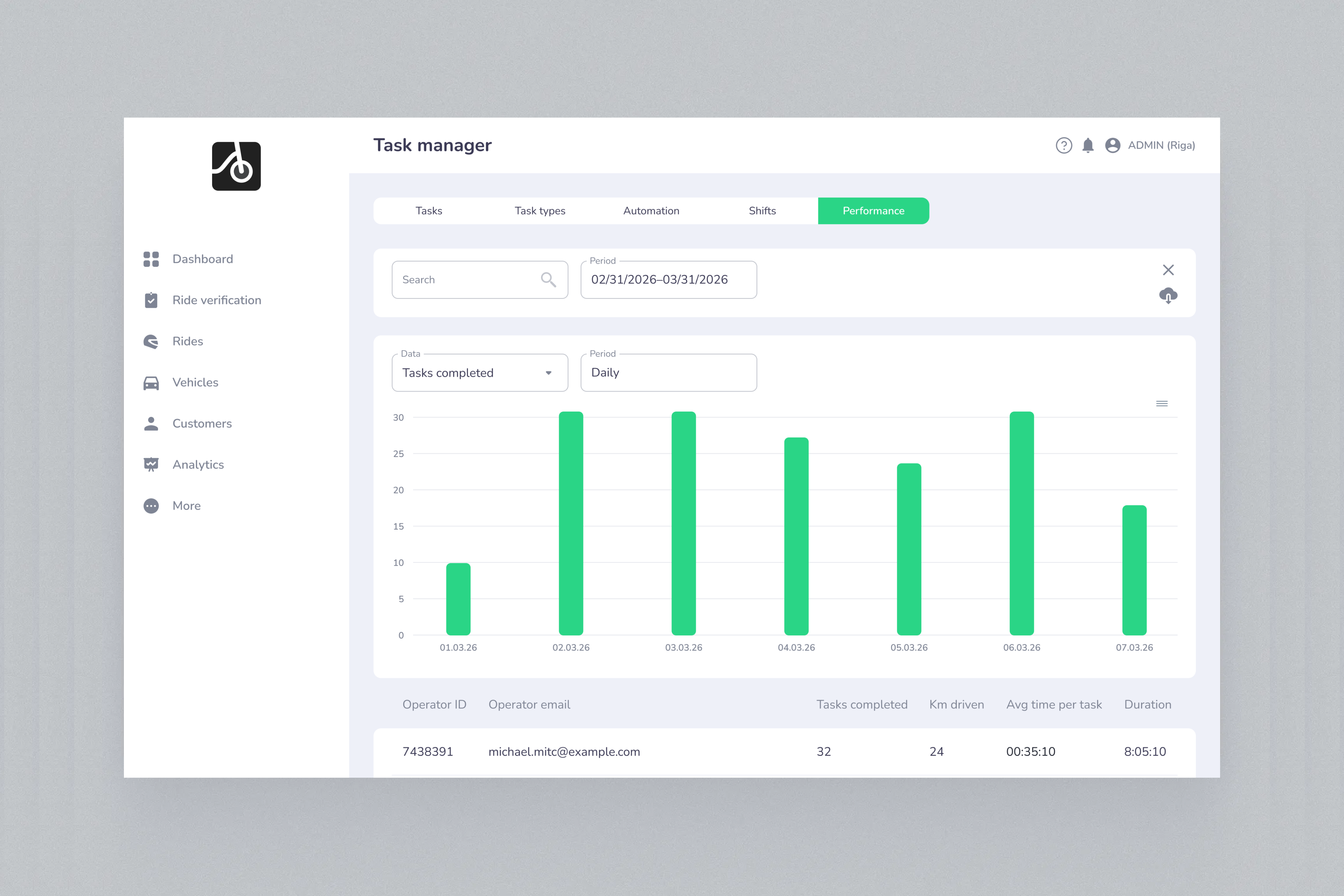
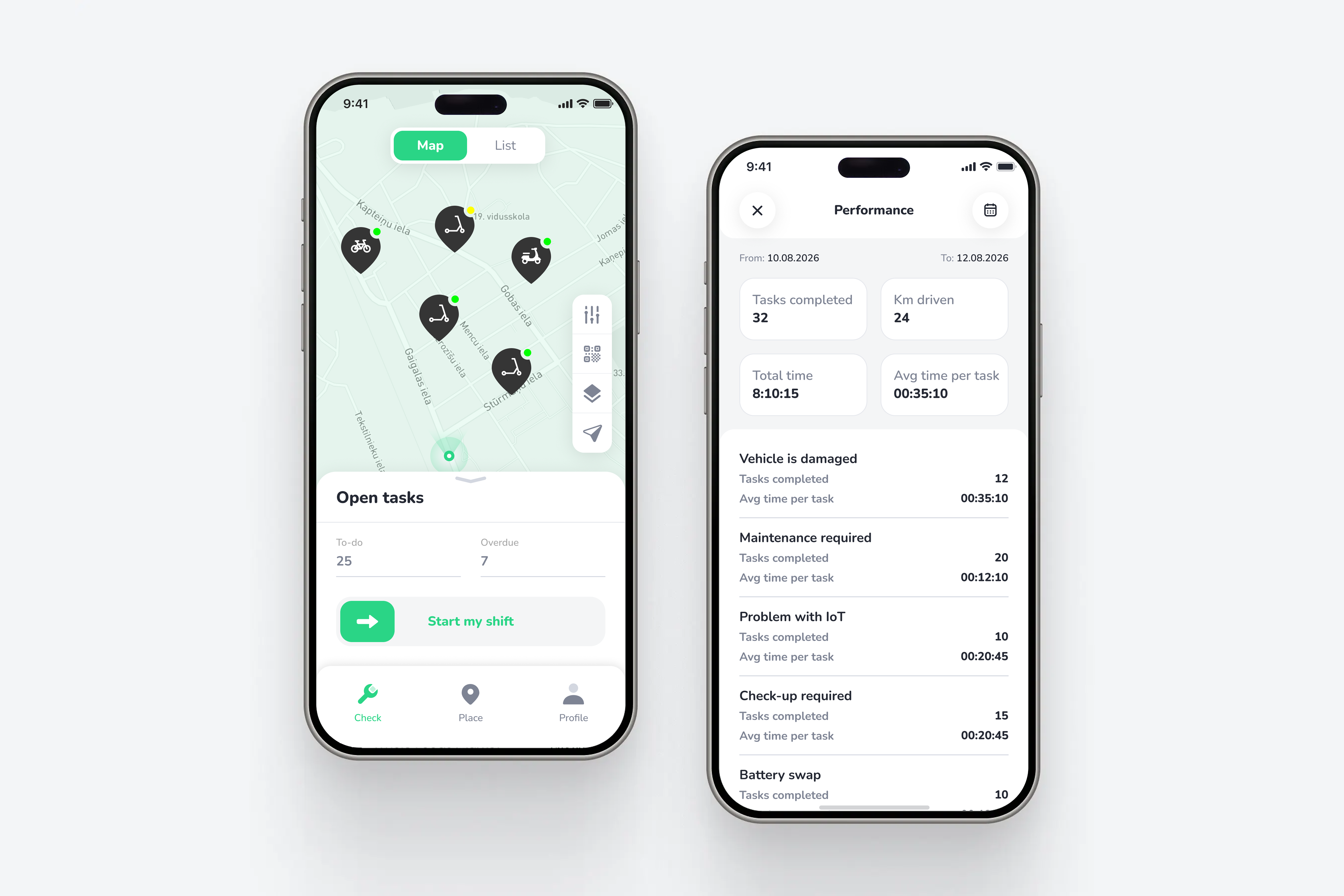
👷📊 يتجاوز مدير مهام ATOM الآن مجرد توزيع المهام بفضل وظائف الورديات وأداء المشغلين الجديدة. تتبع مسارات الورديات، والمسافة المقطوعة، والمهام المنجزة، والوقت المستغرق لكل مهمة، وأداء كل مشغل على حدة، مما يمنح مديري الأساطيل رؤية أوضح بكثير للعمليات الميدانية ومستوى الكفاءة.
لا تقتصر إدارة أسطول كبير للتنقل المشترك أو التأجير على معرفة المهام التي تم إنجازهافحسب، بل تتعلق أيضاً بفهم مدى كفاءة عمل الفرق الميدانية. لقد قمنا بتوسيع مدير مهام ATOM Mobility بشكل كبير بإضافة وظائف الورديات والأداء، مما يمنح مديري الأساطيل رؤية أفضل بكثير لنشاط المشغلين، وعبء العمل، والمسارات، ومستوى الأداء.
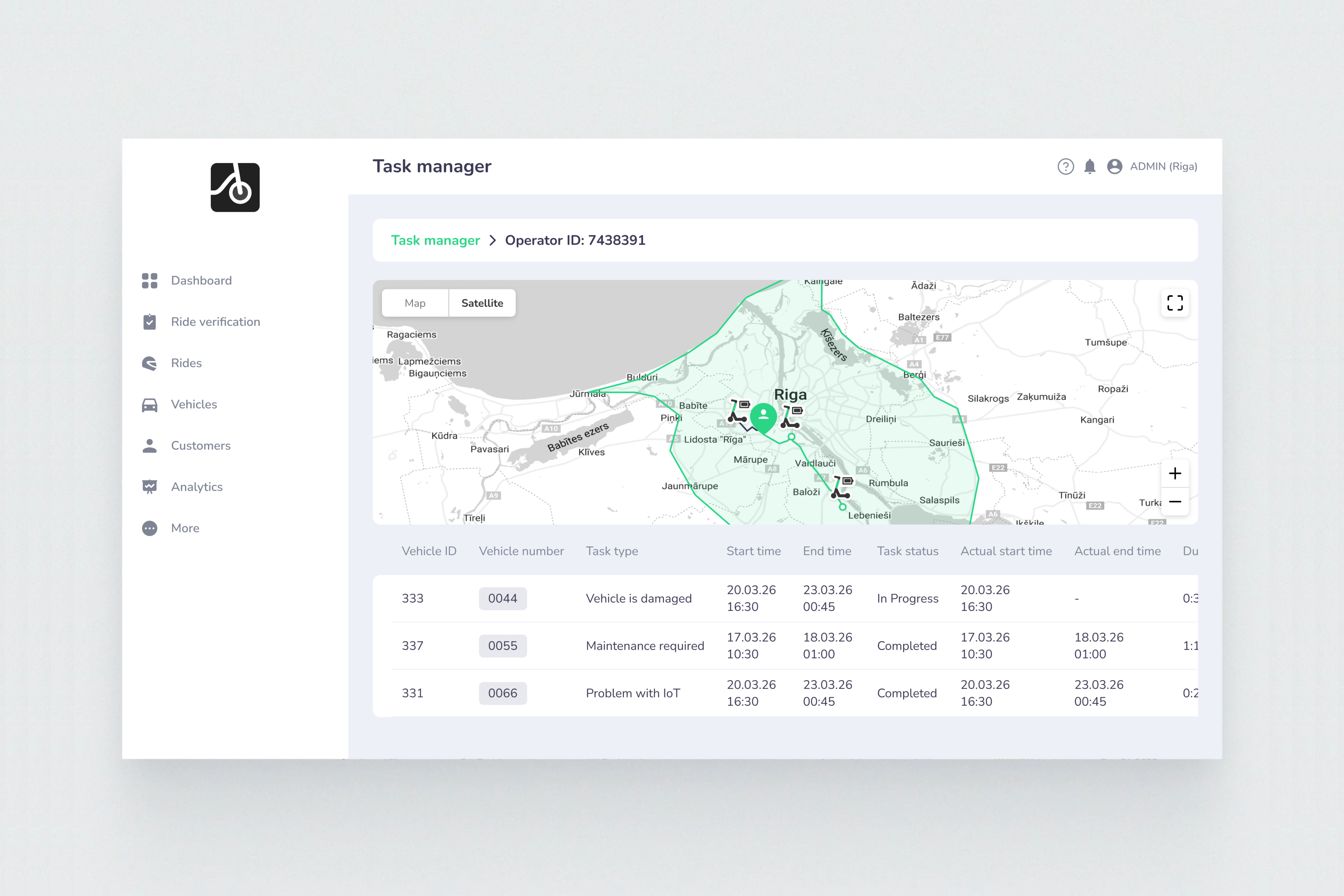
تمنحك علامة التبويب الورديات الجديدة للمديرين نظرة عامة مركزية على جميع ورديات المشغلين، بما في ذلك:
يمكن للمديرين فتح أي وردية فردية للاطلاع على الصورة التشغيلية الكاملة. فلكل مهمة، يمكنك رؤية المركبة، ونوع المهمة، ووقت البدء المخطط له والموعد النهائي، وأوقات البدء والانتهاء الفعلية، والحالة، والمدة الإجمالية للمهمة.
تتضمن كل وردية أيضاً خريطة توضح حركة المشغل الكاملة أثناء الوردية والمواقع التي تم تنفيذ المهام الفردية فيهابالنسبة للنوبات الجارية حالياً، يمكن للمديرين أيضاً الاطلاع على الموقع الحالي للمشغل.
وهذا يسهل كثيراً فهم المسار الفعلي، وحجم العمل، والقرارات المتخذة خلال كل نوبة، بالإضافة إلى تحديد فرص تحسين كيفية إدارة فرق العمل الميدانية لصيانة الأسطول وعملياته.
علامة التبويب الأداء الجديدة تجمع النتائج التشغيلية لكل مشغل خلال فترة زمنية محددة.
يمكن للمديرين تتبع:
بدلاً من مراجعة مئات المهام الفردية، يمكن للمديرين مقارنة المشغلين بسرعة، وتحديد أصحاب الأداء المتميز، ورصد المجالات التي قد تحتاج إلى تدريب إضافي أو تحسينات تشغيلية.
لجعل بيانات الأداء دقيقة ومفيدة، قدمنا أيضاً سير عمل جديد للنوبات والمهام في تطبيق ATOM للمشغلين. يبدأ المشغلون الآن نوبات عملهم وينهونها مباشرة من خلال التطبيق، بينما يتم تسجيل أوقات بدء المهام الفردية وإتمامها تلقائياً.
لقد أضفنا أيضاً:
معاً، تحول هذه التحديثات ATOM Task Manager من مجرد أداة لتوزيع المهام إلى نظام أكثر تكاملاً لأداء وتحسين العمليات الميدانية. يحصل المشغلون على سير عمل أوضح ورؤية أفضل لأدائهم الشخصي، بينما يحصل المديرون على البيانات التي يحتاجونها لفهم كيفية سير عملياتهم الميدانية فعلياً وتحديد مجالات تحسين الكفاءة.
الوظائف الجديدة متاحة لوحدات مشاركة المركبات و التأجير الرقمي في ATOM Mobility.
👉 اقرأ المزيد عن آخر تحديثات منصتنا:
https://www.atommobility.com/atomupdates
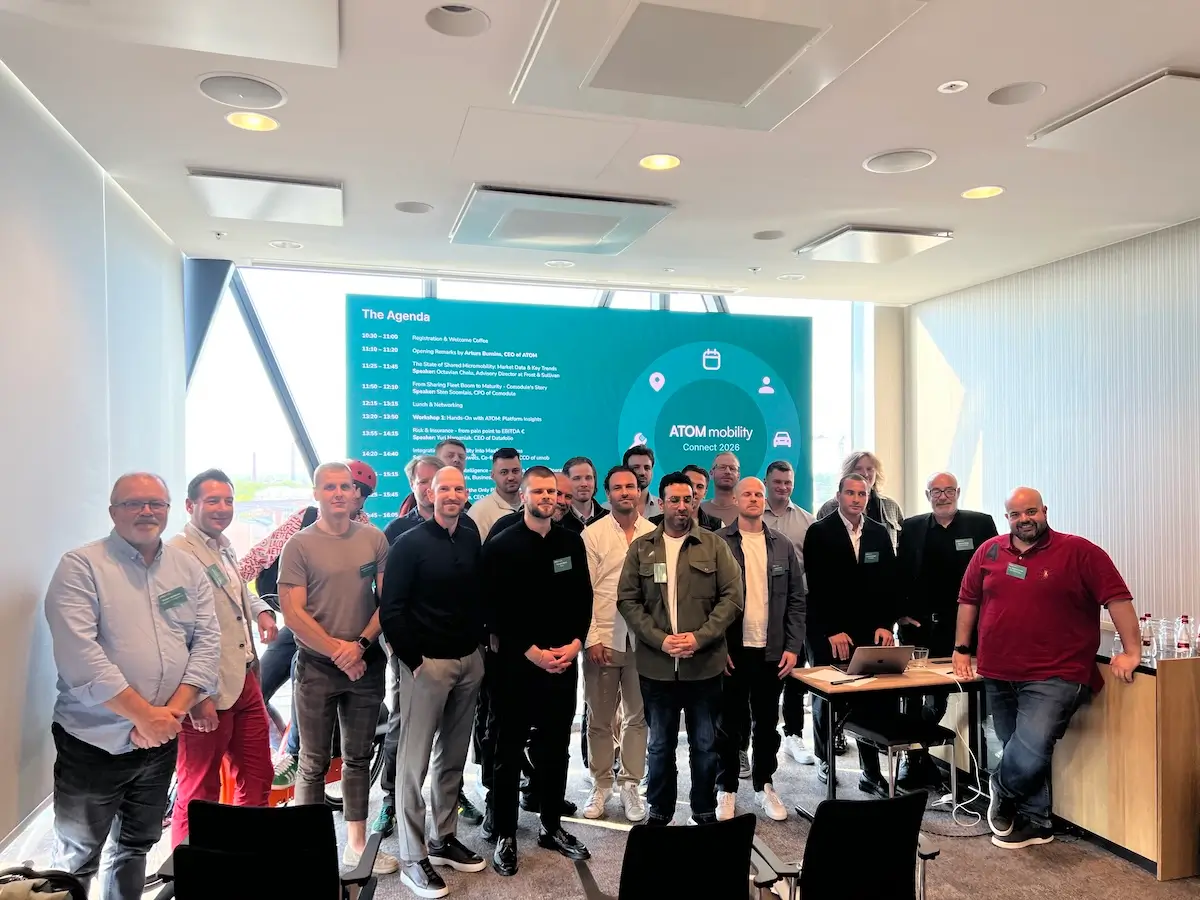
فعالية مغلقة ومختارة بعناية تركز على نقاشات عملية حول التأجير الرقمي، وتقنيات الدخول بدون مفتاح، والتحقق الآلي، وتكنولوجيا المعلومات، وإدارة الأساطيل، ومستقبل تأجير السيارات، بعيداً عن العروض الترويجية التقليدية أو حشو المؤتمرات. انضم إلى المشغلين ومزودي التكنولوجيا ونظرائك في القطاع لتبادل الخبرات الواقعية واستكشاف آفاق مستقبل تأجير السيارات.
إذا كنت قد حضرت فعاليتنا السابقة، فأنت تدرك طبيعة الأجواء: ATOM Connect ليس معرضاً تجارياً مزدحماً أو مؤتمراً مؤسسياً تقليدياً.
لا توجد عروض ترويجية عامة، أو كلمات رئيسية للحشو، أو جلسات نقاشية سطحية. بدلاً من ذلك، ATOM Connect يجمع مجتمعاً مغلقاً ومختاراً بعناية من المشغلين، ومديري الأساطيل، وشركاء التكنولوجيا، وقادة القطاع لإجراء حوارات صادقة حول اتجاهات السوق وكيفية التعامل معها معاً.
بعد ردود الفعل الإيجابية من قمتنا السابقة التي شهدت مشاركة قادة وممثلين عن Bolt وCityBee وZEUS Mobility وComodule وAnadue وDatafolio وتبادلهم لرؤى تشغيلية عملية، ننقل هذا التنسيق المركز ذاته إلى قطاع تأجير السيارات!
سجل التاريخ في تقويمك: في 8 أكتوبر 2026، تنطلق فعالية ATOM Connect Rental في ريغا، لاتفيا.
يمر قطاع تأجير السيارات بمرحلة مثيرة للاهتمام حالياً. فمشغلو التأجير التقليديون يختبرون أدوات رقمية جديدة، بينما تتكيف الأساطيل التي تعتمد على التطبيقات كأولوية مع التعقيدات التشغيلية الواقعية. وبدلاً من الانحياز لطرف دون الآخر، صُممت فعالية ATOM Connect Rental 2026 لتكون مساحة لاستكشاف كيفية تطور النظام البيئي بأكمله.
هل السوق مستعد لعمليات التسليم بدون مفتاح على نطاق واسع؟ كيف تتغير توقعات العملاء بشأن الإعداد الرقمي الفوري؟ وأين تلتقي عمليات مكاتب التأجير التقليدية مع التجارب القائمة على التطبيقات في الواقع العملي؟
على مدار اليوم، سنتعمق في كلمات رئيسية تقنية، وورش عمل تشغيلية، وجلسات نقاشية مفتوحة تغطي:
- واقع عمليات التسليم الحديثة: كيف تختبر الأساطيل سير العمل غير الورقي، والعقود الرقمية، والوصول عن بُعد للمركبات دون التضحية بالتحكم التشغيلي أو الأمان.
- تكنولوجيا المعلومات وتقنيات الدخول بدون مفتاح: نظرة عملية على تكاملات ناقل CAN، وأنظمة منع التشغيل، والتشخيص عن بُعد مع شركاء التكنولوجيا مثل Invers.
- الهوية الرقمية والتحقق الآلي: كيف تساعد أدوات الإعداد المدعومة بالذكاء الاصطناعي المشغلين على تبسيط إدارة المخاطر، ومنع الاحتيال، والتحقق من هوية السائقين.
- عوائد الأسطول الديناميكية ونماذج الاشتراك: استكشاف كيف تساعد شروط التأجير المرنة، والتسعير الديناميكي، والتوزيع متعدد القنوات في تحقيق أقصى استفادة من المركبات.
إن الميزة الحقيقية لـ ATOM Connect هي نوعية الحضور. كل مشارك هو مشغل نشط، أو مدير أسطول، أو ممثل امتياز إقليمي، أو مزود تكنولوجيا رئيسي. سواء كنت تدير أسطول تأجير إقليمي، أو تشرف على عمليات امتياز، أو تدير خدمة مركبات رقمية، أو تطور برمجيات/أجهزة لهذه الصناعة، فهذه فرصتك لتبادل القصص الواقعية واختبار الأفكار مع أقران يواجهون نفس القرارات اليومية.
التاريخ: 8 أكتوبر 2026 (القمة الرئيسية وحفل التواصل المسائي)
المكان: القاعة الزجاجية في الطابق العلوي، AC Hotel by Marriott Riga (شارع دزيرنافو 33، ريغا، لاتفيا)
الصيغة: كلمات رئيسية تقنية، ورشة عمل تفاعلية واحدة، حلقة نقاش كبرى، وحفل تواصل مسائي مع المشروبات والضيافة.
نظراً لمحدودية الأماكن لضمان أجواء مركزة وعالية الثقة، تخضع طلبات التسجيل للمراجعة اليدوية لضمان وجود جمهور ذي صلة لجميع المشاركين. انضم إلينا في ريغا للتواصل، واستكشاف اتجاهات القطاع، والمساهمة في تشكيل ملامح المستقبل.

🔒 نفخر بالإعلان عن حصول ATOM Mobility رسمياً على شهادتي ISO/IEC 27001 و ISO/IEC 27701، مما يعزز التزامنا بأعلى معايير أمن المعلومات والخصوصية. تعرف على معنى هذه الشهادات المعترف بها دولياً، وأهميتها لمشغلي خدمات التنقل، وكيف تساهم في حماية أعمالك وبيانات عملائك.
لطالما كانت الثقة إحدى ركائز منصتنا في ATOM Mobility. ففي كل يوم، يعتمد علينا مشغلو خدمات التنقل حول العالم، من الشركات الصغيرة إلى المؤسسات الكبرى، لإدارة أساطيلهم وبيانات عملائهم وعملياتهم اليومية. ولهذا السبب، نفخر بالإعلان عن حصول ATOM Mobility رسمياً على كل من ISO 27001 و ISO 27701 .
تُبرهن هذه المعايير المعترف بها دولياً على التزامنا بحماية المعلومات، وإدارة مخاطر الأمن السيبراني، وضمان دمج الخصوصية في كل جانب من جوانب منصتنا.
ISO 27001 هو المعيار الدولي الرائد لإدارة أمن المعلومات. ويؤكد حصولنا عليه أن ATOM Mobility قد طبقت نظاماً شاملاً لإدارة أمن المعلومات (ISMS) يتضمن عمليات مصممة لتحديد وتقييم وتخفيف المخاطر الأمنية في جميع أنحاء المؤسسة.
ISO 27701 يوسع نطاق هذا الإطار من خلال التركيز بشكل خاص على إدارة معلومات الخصوصية. ويؤكد أننا وضعنا عمليات قوية للتعامل مع البيانات الشخصية بمسؤولية وشفافية، ووفقاً لممارسات الخصوصية المعترف بها دولياً.
توفر هذه الشهادات مجتمعةً تحققاً مستقلاً بأن الأمن والخصوصية متأصلان في كيفية بنائنا لبرمجياتنا وتشغيلها وتحسينها باستمرار.
تعالج منصات التنقل معلومات تشغيلية ومعلومات عملاء حساسة يومياً، بدءاً من حسابات المستخدمين وبيانات الدفع وصولاً إلى عمليات الأسطول وتحليلات الأعمال. إن حماية هذه المعلومات ليست مجرد متطلب تقني، بل هي مسؤولية. يغطي نطاق الشهادة منصة ATOM Mobility كخدمة (SaaS) والعمليات الداخلية المستخدمة لتطويرها وتشغيلها ودعمها.
بالنسبة لعملائنا، يوفر هذا ثقة إضافية بأن:
سواء كنت تطلق خدمة تنقل تشاركي جديدة أو تدير آلاف المركبات في مدن متعددة، يمكنك الاعتماد على ATOM Mobility لدعم أعمالك من خلال منصة مصممة خصيصاً لتوفير الأمان والخصوصية والموثوقية.
لم يكن الحصول على شهادتي ISO 27001 و ISO 27701 مجرد اجتياز لعملية تدقيق.
لقد تطلب الأمر شهوراً من مراجعة العمليات الداخلية، وتعزيز ضوابط الأمان، وتوثيق الإجراءات، وتدريب فريقنا، وضمان دمج معايير الأمن والخصوصية في جميع أنحاء المؤسسة. وفي حين تمثل هذه الشهادات إنجازاً مهماً، فإنها تعكس أيضاً التزاماً مستمراً.
إن الحفاظ على هذه المعايير يعني التقييم المستمر للمخاطر، وتحسين العمليات، والتكيف مع مشهد الأمن السيبراني المتطور. بالنسبة لنا، هذه ليست خط النهاية، بل هي خطوة أخرى نحو بناء منصة يمكن لعملائنا الوثوق بها لسنوات قادمة.
لم يكن هذا الإنجاز ليتحقق لولا خبرة وتوجيهات TestDevLab، التي دعمتنا طوال عملية الإعداد والاعتماد.
بدءاً من مساعدتنا في تقييم عملياتنا الحالية وصولاً إلى تقديم توصيات عملية وإرشادنا خلال رحلة التدقيق، لعب فريقهم دوراً محورياً في مساعدتنا على الوصول إلى هذا الإنجاز.
"لقد تعاملت ATOM Mobility مع عملية الاعتماد بالطريقة الصحيحة؛ ليس كمجرد إجراء للامتثال، بل كفرصة لترسيخ وتعزيز كيفية تعاملهم مع بيانات العملاء. هذه العقلية هي ما جعل العملية فعالة، وهي ما سيجعل الشهادة ذات قيمة طويلة الأمد بعد انتهاء التدقيق."
"بالنسبة لأي منصة برمجيات كخدمة (SaaS) تتعامل مع البيانات التشغيلية والشخصية على نطاق واسع، لا يمكن أن يكون الأمن والخصوصية فكرة ثانوية تُضاف قبل مراجعة المشتريات. تمنح شهادتا ISO 27001 و ISO 27701 الشركات لغة مشتركة لإثبات أن حماية البيانات جزء لا يتجزأ من كيفية إدارة الأعمال، من حيث العمليات والضوابط والمساءلة. وبشكل متزايد، لم يعد هذا ميزة تنافسية، بل أصبح الحد الأدنى الذي يتوقعه العملاء والجهات التنظيمية."
نحن ممتنون لمهنيتهم ومعرفتهم وشراكتهم طوال هذا المشروع.
مع استمرار نمو قطاع التنقل التشاركي، تتزايد التوقعات المتعلقة بالأمن السيبراني والخصوصية والامتثال. يتوقع المشغلون والمدن وعملاء المؤسسات والسلطات العامة من مزودي التكنولوجيا تلبية أعلى المعايير عندما يتعلق الأمر بحماية المعلومات الحساسة.
يعزز الحصول على شهادتي ISO 27001 و ISO 27701 التزامنا بتقديم منصة آمنة وموثوقة وتركز على الخصوصية لمشغلي التنقل في جميع أنحاء العالم.
نود أن نشكر عملاءنا وشركاءنا وأعضاء فريقنا على ثقتهم المستمرة. سنواصل الاستثمار في الأمن والخصوصية والتميز التشغيلي حتى تتمكنوا من التركيز على تنمية أعمالكم في مجال التنقل بكل ثقة.
سواء كنت تطلق عملية تنقل تشاركي جديدة أو توسع أسطولاً حالياً، يجب ألا يكون الأمن والخصوصية فكرة ثانوية. في ATOM Mobility، نحن ملتزمون بتوفير منصة تجمع بين الأمان بمستوى المؤسسات والمرونة التي يحتاجها المشغلون للنمو.
إذا كنت ترغب في معرفة المزيد عن منصتنا أو الاطلاع على كيفية دعم ATOM Mobility لأعمالك، احجز عرضاً توضيحياً مع فريقنا. سنوضح لك كيف يساعد برنامجنا المشغلين حول العالم على إطلاق خدمات التنقل الناجحة وإدارتها وتوسيع نطاقها، مدعومة بمعايير أمن وخصوصية معترف بها دولياً.
.jpeg)
🛴 يتطلب إطلاق مشروع لمشاركة السكوتر أكثر بكثير من مجرد شراء السكوترات وإطلاق تطبيق. فاختيار المدينة المناسبة، وانتقاء أجهزة موثوقة، وتخطيط العمليات، والاستثمار في برمجيات قابلة للتوسع، كلها عوامل تلعب دوراً محورياً في بناء مشروع ناجح في مجال التنقل. يرشدك هذا الدليل عبر كل مرحلة من مراحل العملية، بدءاً من أبحاث السوق واختيار نموذج العمل، وصولاً إلى إدارة الأسطول، واكتساب العملاء، وكيفية تمكن المشغلين من الانطلاق في غضون 20 يوماً فقط.
لم يعد إطلاق مشروع لمشاركة السكوتر يتطلب ملايين الدولارات من التمويل أو فريقاً من مهندسي البرمجيات. فما كان يستغرق شركات التنقل الكبرى سنوات لبنائه، يمكن الآن إطلاقه في غضون أسابيع. لقد تحول التحدي من التكنولوجيا إلى التنفيذ. يتنافس المشغلون اليوم على الموثوقية، والكفاءة التشغيلية، والقدرة على العمل مع المدن بدلاً من العمل بمعزل عنها.
ومع ذلك، لا تزال الفرصة قوية. وفقاً لـ مؤشر التنقل المشترك الأوروبي لعام 2025، سجلت أوروبا أكثر من 640 مليون رحلة تنقل مشترك في عام 2024، حيث لا تزال السكوترات واحدة من أكبر قطاعات التنقل. بالنسبة لرواد الأعمال الذين يتطلعون لدخول السوق، تكمن الميزة الكبرى في أنهم لم يعودوا مضطرين لبناء كل شيء من الصفر. فقد جعلت نماذج العمل المثبتة، والأجهزة الناضجة، ومنصات البرمجيات الراسخة إطلاق خدمة مشاركة السكوتر أكثر سهولة بكثير مما كان عليه قبل بضع سنوات فقط.
إليك ما يجب مراعاته قبل إطلاق أسطولك الأول.
غالباً ما يعتمد نجاح مشروع مشاركة السكوتر على المدينة أكثر من اعتماده على السكوترات نفسها. قبل الاستثمار في المركبات، خذ وقتاً لفهم السوق المحلي. هل تصدر المدينة تصاريح لمشغلي مشاركة السكوتر؟ هل هناك منافسون راسخون بالفعل؟ هل الكثافة السكانية كافية لدعم الرحلات القصيرة المتكررة؟ يمكن للبنية التحتية المتطورة لركوب الدراجات وشبكات النقل العام القوية أن تصب في مصلحتك من خلال خلق فرص لرحلات الميل الأول والأخير. المنافسة ليست بالضرورة علامة سيئة؛ فإذا كان هناك العديد من المشغلين النشطين، فهذا يعني عادةً وجود طلب مؤكد. التحدي يكمن في فهم ما إذا كان هناك مجال لخدمة أخرى وكيف يمكن لمشروعك أن يميز نفسه.
أحد القرارات الأولى هو اختيار كيفية استخدام الركاب لخدمتك. يختار بعض المشغلين نموذج "التجوال الحر" (free-floating)، حيث يمكن التقاط السكوترات وركنها في أي مكان ضمن منطقة خدمة محددة. ويفضل آخرون الأنظمة القائمة على المحطات التي تتطلب بدء الرحلات وإنهاؤها في مواقع ثابتة. توفر أساطيل التجوال الحر مرونة أكبر للمستخدمين، بينما توفر الأنظمة القائمة على المحطات عادةً عمليات أكثر قابلية للتنبؤ، ولوجستيات شحن أبسط، ومشكلات ركن أقل.
تستحق التسعير نفس القدر من الاهتمام. يجمع العديد من المشغلين بين رسوم فتح القفل والتسعير بالدقيقة، بينما يقدم آخرون اشتراكات، أو باقات رحلات، أو تصاريح يومية للمستخدمين المتكررين. من الجدير أيضاً تحديد معدل الاستخدام المستهدف قبل شراء المركبات. فأسطول مكون من 200 سكوتر بمتوسط خمس رحلات يومياً يعتبر عموماً مشروعاً أكثر صحة من أسطول مكون من 500 سكوتر بمتوسط رحلة أو رحلتين فقط.
شراء السكوترات هو جزء واحد فقط من الاستثمار. يجب على المشغلين النظر إلى ما هو أبعد من سعر الشراء وتقييم المتانة، وسعة البطارية، ومقاومة العوامل الجوية، ومتطلبات الصيانة، وتوافر قطع الغيار، والتكلفة الإجمالية للملكية على مدى عدة سنوات.
الأجهزة الموجودة داخل كل سكوتر لا تقل أهمية. فتعقب نظام تحديد المواقع (GPS)، والقفل عن بُعد، ومراقبة البطارية، وتشخيص المركبة، والحماية من السرقة، كلها تعتمد على اتصال موثوق بإنترنت الأشياء (IoT). يختار العديد من المشغلين الجدد أيضاً أنظمة البطاريات القابلة للتبديل لأنها تقلل من وقت التوقف وتسمح باستبدال البطاريات في الشارع بدلاً من نقل السكوترات إلى المستودع للشحن.
إن اختيار أجهزة تتكامل بسلاسة مع منصة برمجياتك سيجعل التوسع أسهل بكثير لاحقاً.
عادةً ما يرى العميل تطبيق الهاتف المحمول فقط، لكن البرمجيات تدير كل جزء تقريباً من مشروع مشاركة السكوتر. فبعيداً عن الحجز والمدفوعات، يحتاج المشغلون إلى أدوات لإدارة الأسطول، والتسعير، والاشتراكات، وجدولة الصيانة، ودعم العملاء، والتحليلات، والتقارير، والإدارة اليومية. مع نمو الأساطيل، تصبح إدارة هذه العمليات يدوياً أمراً غير واقعي بسرعة. عند مقارنة مزودي البرمجيات، انظر إلى ما هو أبعد من قائمة الميزات. فكر في مدى تكامل المنصة مع أجهزتك، وما إذا كان يمكن إضافة أنواع جديدة من المركبات لاحقاً، ومقدار العمليات اليومية التي يمكن أتمتتها، وما الذي يقوم به المشغلون الآخرون آراء حول البرنامج.
منصات مثل برنامج مشاركة المركبات من ATOM Mobility تجمع بين تطبيقات الركاب، وإدارة الأسطول، والمدفوعات، وسير عمل الصيانة، والتحليلات في نظام واحد، مما يتيح للمشغلين إدارة أعمالهم دون الحاجة إلى الاعتماد على أدوات متعددة وغير مترابطة.
عادةً ما يقضي المشغلون الناجحون أسابيع في التحضير لـ حملاتهم التسويقية الأولى قبل إطلاق الأسطول. يمكن لبرامج الإحالة تشجيع المستخدمين الحاليين على دعوة أصدقائهم، بينما تساعد الشراكات مع الجامعات والفنادق والمكاتب والمجمعات السكنية والشركات المحلية في تعريف الركاب المحتملين بالخدمة. غالبًا ما تكون الخصومات التمهيدية فعالة عند الإطلاق، لكن النجاح على المدى الطويل يعتمد على منح الناس سببًا للعودة مجددًا بعد انتهاء فترة العروض.
لا تواجه العديد من شركات التنقل صعوبات بسبب ضعف الطلب، بل لأن العمليات تصبح صعبة الإدارة مع نمو الأسطول. قبل الإطلاق، يجب أن يكون لدى المشغلين إجراءات واضحة تغطي:
من المفيد أيضًا تحديد متى يجب اتخاذ إجراء تشغيلي. على سبيل المثال، عند أي مستوى شحن يجب جمع السكوتر؟ وكم عدد ساعات الخمول التي يجب أن تمر قبل إعادة نقل المركبة؟ ومتى يجب إخراج السكوترات التالفة من الخدمة تلقائيًا؟ تساعد الإجابة على هذه الأسئلة مبكرًا في بناء عمليات متسقة مع نمو الأعمال.
يمكن أن يستغرق بناء برنامج تنقل مخصص من الصفر بسهولة من 6 إلى 12 شهرًا أو أكثر، خاصة عندما يتطلب الأمر تطوير تطبيقات الهاتف، والمدفوعات، وتكامل إنترنت الأشياء (IoT)، وأنظمة إدارة الأسطول من الصفر. كما أن تكلفة برامج التنقل المخصصة تزيد بعشرة أضعاف وقد لا يتم تسليمها في الوقت المحدد.
يؤدي استخدام منصة ذات علامة تجارية بيضاء إلى تقصير هذه العملية بشكل كبير. فمع منصة مشاركة المركبات من ATOM Mobility، يمكن للمشغلين غالباً البدء في غضون 20 يوماً فقط، وذلك حسب متطلبات العلامة التجارية، وتكامل الأجهزة، وإعدادات الدفع، والجاهزية التشغيلية. وهذا يتيح للمؤسسين قضاء وقت أقل في تطوير البرمجيات ووقت أكثر في التحضير للعمل التجاري نفسه.
لم يكن إطلاق مشروع لمشاركة السكوتر أسهل من أي وقت مضى من الناحية التقنية، لكن النجاح على المدى الطويل لا يزال يعتمد على التنفيذ. إن اختيار المدينة المناسبة، والاستثمار في أجهزة موثوقة، واختيار برمجيات قابلة للتوسع مع نمو العمل، وتأسيس عمليات تشغيلية قوية، كلها عوامل لها تأثير أكبر بكثير من مجرد نشر المزيد من السكوترات. وعادة ما يكون المشغلون الذين يبنون هذه الأسس في وقت مبكر هم الأكثر قدرة على التوسع في السنوات التالية.
لرواد الأعمال الذين يرغبون في التعمق أكثر، أكاديمية ATOM (https://www.atommobility.com/academy) هي منصة تعليمية مجانية عبر الإنترنت أنشأها خبراء في قطاع التنقل. تتضمن دورات فيديو عملية تغطي موضوعات مثل:
سواء كنت تستعد لإطلاق أسطولك الأول أو تتطلع إلى تحسين عملياتك الحالية، توفر الأكاديمية توجيهاً عملياً يستند إلى خبرات واقعية من مئات مشاريع التنقل حول العالم.

«أحدث التقنيات في تطبيقات الأجهزة المحمولة ولوحة التحكم، اتفاقية مستوى الخدمة جيدة جدًا!»
«سهل وجميل المظهر ويتم تحديثه وتطويره باستمرار كل شهر والأهم من ذلك كله موثوقة للغاية مع وقت تشغيل مرتفع للغاية«
«اعتدنا العمل مع مزود خدمة مختلف لا يناسب احتياجاتنا. كان التحول إلى ATOM بمثابة تحسن من جانبنا»
استخدم بيانات اعتماد الاختبار لتسجيل الدخول - رقم الهاتف: +1 123123123، الكود: 777777


بيانات اعتماد الإصدار التجريبي من تطبيق Driver - البريد الإلكتروني: test@atom.com، كلمة المرور: برنامج التشغيل