Blog
Insights and news from the ATOM Mobility team
We started our blog to share free valuable information about the mobility industry: inspirational stories, financial analysis, marketing ideas, practical tips, new feature announcements and more.

We started our blog to share free valuable information about the mobility industry: inspirational stories, financial analysis, marketing ideas, practical tips, new feature announcements and more.
%20(1).jpg)
🚗 Choosing car sharing software? Look beyond the rider app. Our checklist covers what to test in a demo, from keyless access and fleet operations to costs and support for both car sharing and digital rental.
Choosing car sharing software is more than choosing an app where customers can find and unlock a car. The same system has to verify drivers, take payments, communicate with vehicles, handle problems during a trip, and give your team the tools to keep cars available. The difference between two platforms often becomes clear only when something goes wrong: a customer cannot unlock a car, a payment fails, a vehicle needs to be taken out of service, or an operator wants to introduce advance bookings alongside short trips.
If you are comparing providers, ask them to show how these situations work in the actual product. Here is what to check.
“Car sharing” can mean several different things. A free-floating service lets customers find a nearby car and end a trip within an allowed area. A station-based service may require them to return the car to a specific location. Corporate fleets, peer-to-peer services, and self-service rentals have different booking, access, and approval rules.
Write down how your service will work before requesting demos:
Ask the provider to configure these rules in a demo. A platform that supports “car sharing” in general may still require development to support your exact model.
The app needs to do more than display vehicles on a map. Follow one booking from the first app open to the final receipt. Check registration, ID and driver's licence verification, vehicle discovery, booking, payment authorisation, keyless access, trip extension, damage reporting, and trip completion.
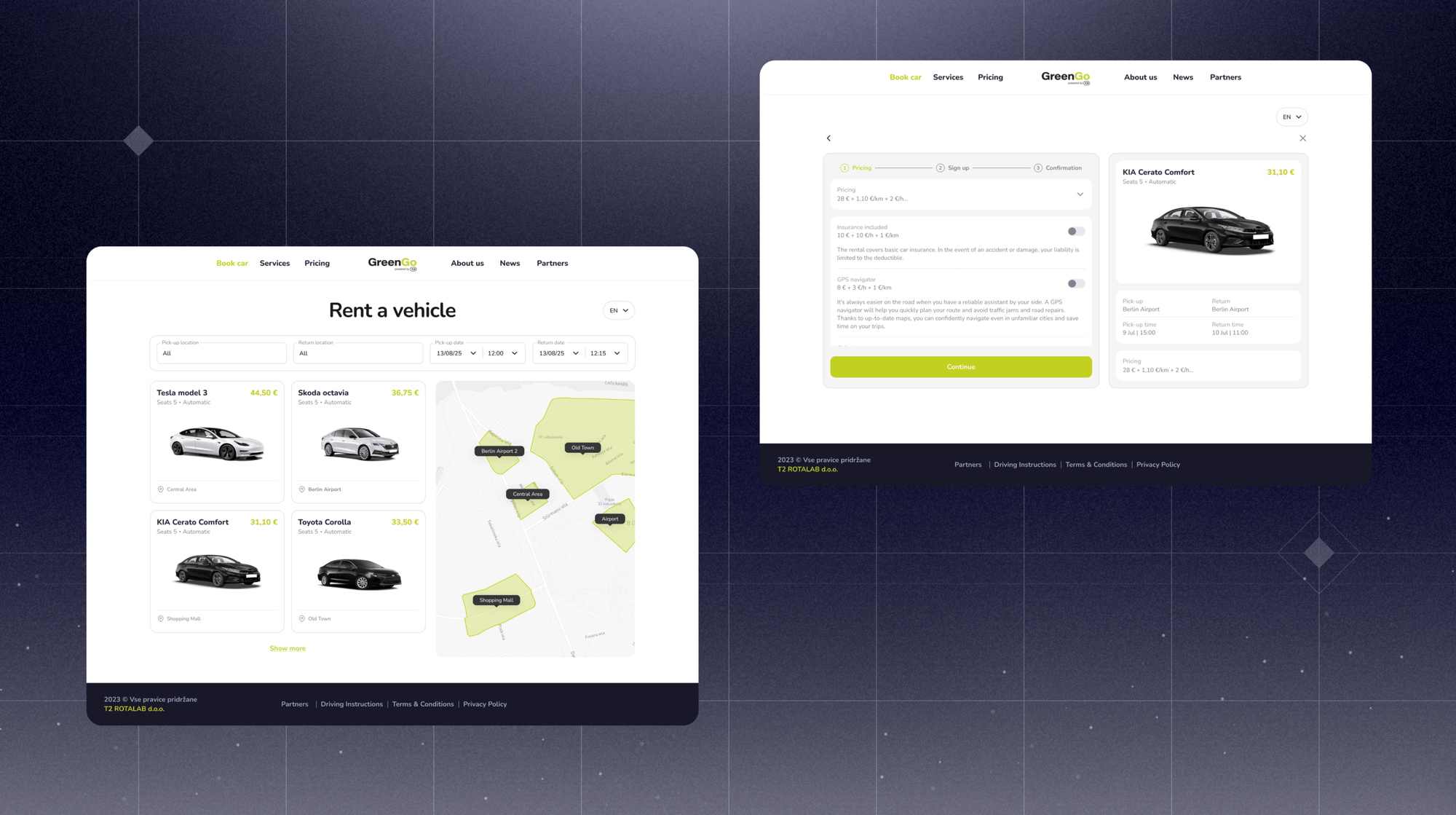
For advance rentals, check whether customers can book from your website as well as the app. Ask to see the complete web-to-app journey: selecting a vehicle and dates, confirming the reservation, and continuing to payment, licence verification, and vehicle access. Find out whether the website can complete the entire rental or whether customers must install the app after booking. ATOM Mobility's web-booker, for example, lets customers reserve on the web and then complete payment, and ID verification in the app.
Then test the exceptions. What does the customer see if verification fails, the car does not unlock, the vehicle is no longer available, or the payment cannot be collected? Can your support team see what happened and resolve it without contacting a developer?
This matters because customers judge the entire journey, including how quickly they can recover when a step fails.
Car sharing depends on reliable communication between the platform and the vehicle. Depending on the vehicle and hardware, this may include location, lock and unlock commands, mileage, fuel or battery level, and other status data. Ask for a list of supported telematics providers, rather than accepting a general statement that the platform is “hardware agnostic.” For your proposed fleet, establish:
Hardware flexibility is valuable when you expand or change suppliers, but the integration for the vehicles you plan to buy now is the first thing to verify.
The customer app gets the attention, but your team will spend much of its time in the management dashboard and operator tools. Ask a provider to show how staff:
Try these tasks with the roles your own team would use. The question is not only whether a feature exists, but how many manual steps it takes to run your fleet every day.
Car sharing and digital rental increasingly overlap. An operator might offer cars for short city trips and also accept bookings for a weekend. A rental business may begin with advance reservations and later add app-based, keyless access for shorter trips.
The technology shares many components, but the booking rules can differ. A rental may require advance pickup and return times, vehicle or category allocation, availability calendars, deposits, extensions, and different customer handover processes.
If you may operate both models, ask for a demonstration of both: an immediate hourly trip and an advance weekend booking. Check how the system prevents overlapping reservations, applies the correct pricing and deposit rules, and gives your team a clear view of availability. Also establish whether both models can use the same customer account and management setup, or whether additional products and fees are required.
ATOM Mobility supports vehicle sharing and digital rental on its platform. The useful question for any provider, including us, is how your exact combination of models would be configured and operated.
A low monthly licence fee can be attractive, but it may be only one part of the cost. Request a proposal that separates:
Launch, Setup, branding, app publication, migration, and training
Monthly minimums, fees per vehicle or booking, and included modules
Payment processing, refunds, deposits, and any additional transaction fees
Telematics hardware, installation, data plans, and new integrations
Ongoing work such as support level, custom development, and third-party services
Compare the likely cost at your launch fleet size and at a realistic larger fleet. Ask what happens if the fleet is seasonal or grows more slowly than planned.
Building in-house can make sense when a company has the engineering capacity and needs a customer experience or operating model that available platforms cannot support. It also means taking responsibility for project management, app updates, payments, vehicle integrations, security, monitoring, and support long after launch.
A white-label platform can shorten the route to market and spread that technical work across an established product. In return, you depend on the provider's supported features, integrations, development priorities, and service levels.
Slovenian car-sharing operator GreenGo initially spent two years developing its own app before switching to ATOM Mobility. Its experience shows why it is worth comparing the time and resources required to build with what an existing platform can already deliver. Read GreenGo's story: https://www.atommobility.com/blog/greengo-chooses-atom-mobility-to-power-its-electric-car-sharing-business
There is also a middle option: use a platform for core bookings, fleet management, and vehicle connectivity while building selected experiences or integrations yourself through APIs. If this is your plan, review the API documentation and confirm what your team can actually read, change, and automate.
Before signing, ask each shortlisted provider to demonstrate the same scenarios:
Use your intended vehicle models, payment markets, and operating rules in the discussion. For anything that cannot be shown, ask whether it is already available, needs configuration, requires paid development, or is only planned.
The best car sharing software is the one that supports your model reliably, gives your team control over daily operations, and leaves room for the business you intend to build next. A practical demo and a complete cost proposal will tell you more than a long feature list.
If you are evaluating car sharing alongside self-service rental, talk to ATOM Mobility about your fleet and operating model. We can show you how both models work on the platform and help you plan migration and scaling.
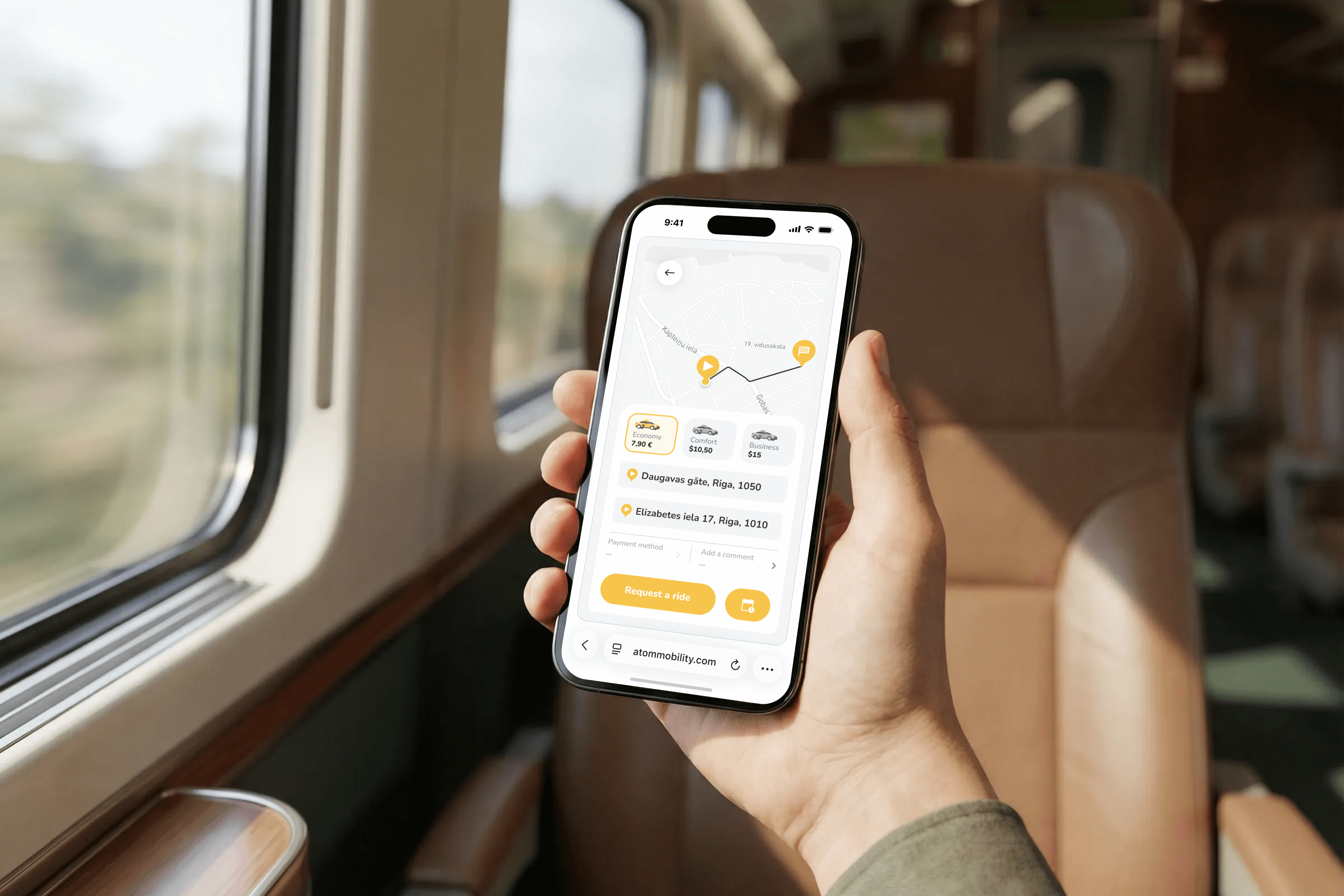
🚕 Getting drivers on the road is not the only thing you need to launch your taxi business. Many new platforms struggle with the same problem – drivers with no demand and riders with no available drivers. Building both at the same time is where most launches fail. This article introduces the key steps to launch a taxi business and avoid the most common mistakes.
Launching a taxi business today takes more than having drivers. It requires a system that can attract riders, onboard drivers, manage bookings, process payments, and keep daily operations running smoothly as demand grows.
The ride-hailing market is growing fast, while customer acquisition is getting more expensive and more competitive. Technavio estimates the global ride-hailing market will grow by more than $102 billion between 2024 and 2029, which creates room for new operators, but also raises the cost of visibility, paid acquisition, and brand differentiation in crowded markets, according to this ride-hailing services market forecast.
Many operators now launch faster by using ready-made tools instead of building every part from scratch. ATOM Mobility has already helped operators launch mobility businesses in as little as 90 days through a phased rollout covering market validation, legal setup, branding, driver onboarding, and launch execution.
But how to actually launch your business, if you’re not willing to do everything from scratch?
Most taxi businesses do not fail because the app is missing a feature but because there is no clear reason for customers to switch. Before choosing software or recruiting drivers, define where your opportunity is. That could mean:
This matters more than most expect. Your pricing, branding, driver experience, and customer acquisition all depend on the niche you choose. That is why defining a clear angle early matters, especially in crowded markets.
A taxi business is still a regulated business. Before launch, you need to set up the basics properly:
Skipping this part slows everything down later.
This is also the stage where many founders underestimate operating costs. Beyond software, you will need to plan for driver incentives, support, payment processing, and customer acquisition. That is one reason many operators now launch with white-label software instead of funding a custom build from day one.
Building a taxi app from scratch is expensive (in many cases we see it costs more than 30 000 -50 000 EUR), slow (takes many monhts), and usually unnecessary. To launch a working taxi business, you need:
Most early-stage operators do not need to build these systems themselves but a working infrastructure they can brand and launch quickly. That is why many operators start with ATOM Mobility, where the full system already includes rider and driver apps, dispatch tools, payments, analytics, integrations and backend operations in one platform. This is the same logic behind building a branded taxi service with white-label software instead of spending months on custom development.
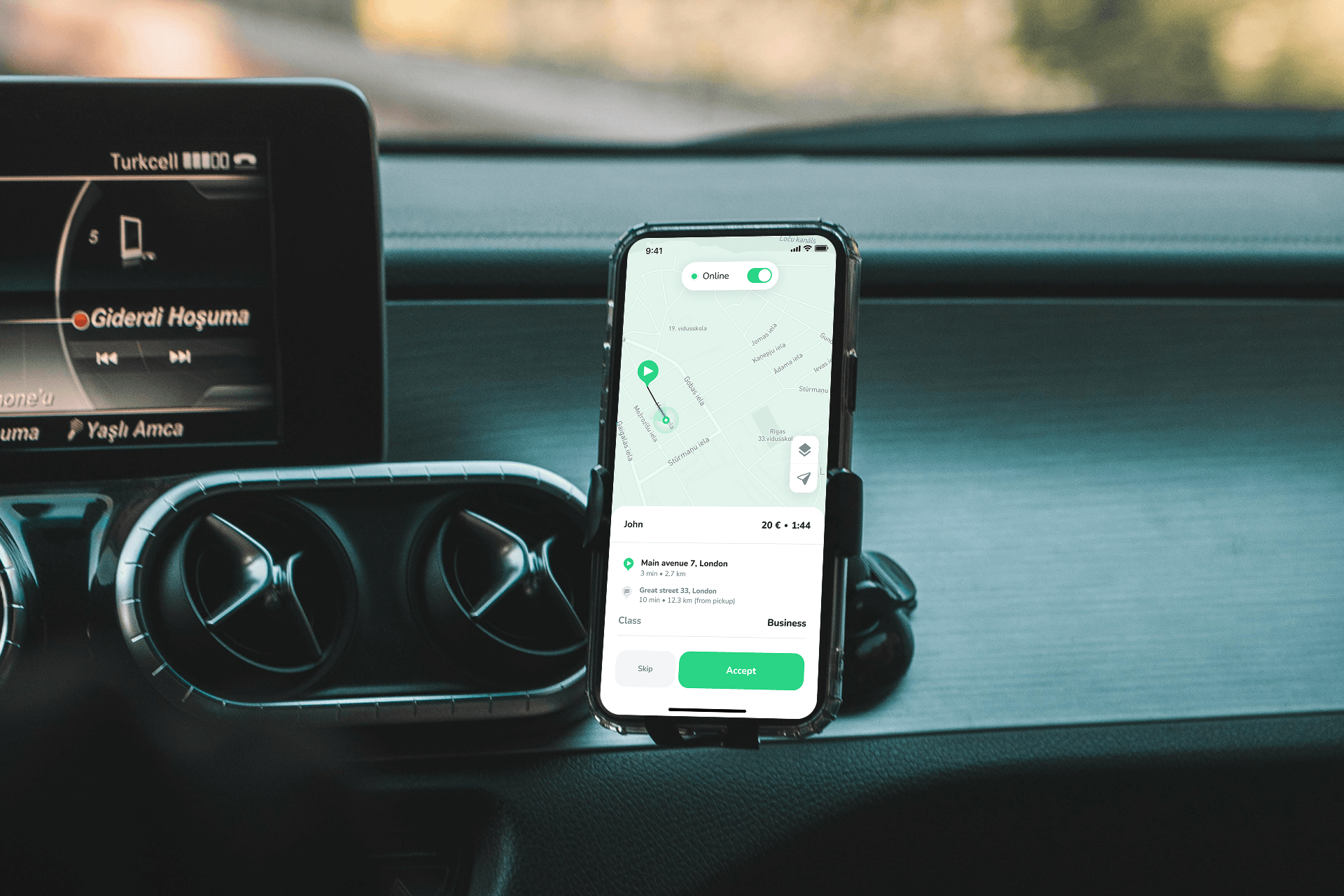
Driver onboarding needs to be fast and easy enough that drivers can register, upload documents, get approved, and start working without delays. But if onboarding takes too long, drivers drop off before they complete their first ride.
A strong launch setup should include:
This is also where the ATOM Mobility driver app becomes important, since it gives drivers one place to accept rides, navigate, manage earnings, and stay active without switching between tools.
Many taxi businesses still focus only on app installs but that is a mistake. Not every rider wants to download an app before booking a ride. This is especially true for airport pickups and tourists in general, hotel guests, older riders, and occasional users. That is why booking flexibility is important. Alongside mobile apps, many operators now add browser-based booking so riders can order without installing anything.
This is what ATOM introduced with its Web Booker for ride-hail, which gives operators a simple way to capture web traffic, direct bookings, and one-time users without forcing an app download.

You need both, drivers and riders, to be interested in your service from day one – drivers will not stick around without rides and riders won’t pick you if there are no available drivers.
That means:
This is one reason local launches tend to perform better than city-wide launches. Smaller launch zones create stronger supply-demand density and better first user experience.
Most taxi businesses fail because not enough people know they exist, not because they lack great technology. Founders often spend months building operations, then treat marketing as something to figure out later, which can become an aspect in which the expenses start rising fast.
You need:
ATOM now offers a dedicated marketing agency for mobility businesses, built specifically for operators who need help acquiring riders, running paid campaigns, and building predictable demand. Without consistent rider acquisition, even a strong product struggles.
Many operators launch with taxis first, then expand into extra services once demand is stable.
That could mean:
This is one of the strongest advantages of launching on flexible mobility software. You are not building a single-use taxi app but a mobility platform that can grow. That is also why ATOM’s ride-hailing platform was built to integrate with broader shared mobility services instead of staying limited to one transport model.
If you’re launching a taxi business, building the right system usually is more important than building a software from scratch. The strongest operators start with a clear market gap, launch with ready-made tools, onboard drivers quickly, give riders flexible booking options, and invest in demand early.
🚲 The biggest costs in shared mobility are often the ones riders never see. Behind every trip is a constant cycle of fleet balancing, maintenance, charging, customer support, and compliance. As fleets grow, these operational costs can have a bigger impact on profitability than the vehicles themselves. This article explores the hidden costs that shape every shared mobility business.
Shared mobility often looks simple from the outside. A user opens an app, unlocks a vehicle, completes a trip, and moves on with their day. But not everybody knows that the system behind every ride is a bit more complex and can be quite expensive. For many operators, the biggest expenses are not always the most obvious ones.
As shared mobility continues to grow across Europe, operators face increasing pressure to improve efficiency while maintaining service quality. According to the latest European Shared Mobility Index, shared mobility services generated more than 700 million trips across Europe in 2025, reflecting continued demand for alternative transportation options. At the same time, profitability remains one of the industry's biggest challenges.
Across more than 300 shared mobility projects worldwide, one pattern appears consistently: operators often underestimate operational costs during launch planning while focusing primarily on fleet acquisition, permits, and launch activities. The largest challenges often emerge later through day-to-day operations, where downtime, fleet balancing, maintenance, customer support, and compliance costs gradually impact profitability.
Every shared vehicle is an asset that only generates revenue when it is available to users. A scooter waiting for repairs, a bike with a flat tire, or a car that has not been inspected after damage generates no revenue at all. For example, a scooter generating an average of two rides per day at €3 per ride produces roughly €2,200 in annual revenue. If recurring maintenance issues keep that vehicle unavailable for two weeks each quarter, the shared mobility operator could lose more than €250 in annual revenue from that vehicle alone. Across hundreds or thousands of vehicles, downtime quickly becomes a significant operational cost.
Yet the costs continue to build up – insurance, depreciation, financing, storage, and operational overhead do not stop simply because a vehicle is unavailable.
This becomes particularly noticeable as fleets grow. A single inactive vehicle may not seem significant but hundreds of inactive vehicles spread across multiple cities quickly become a major financial problem.
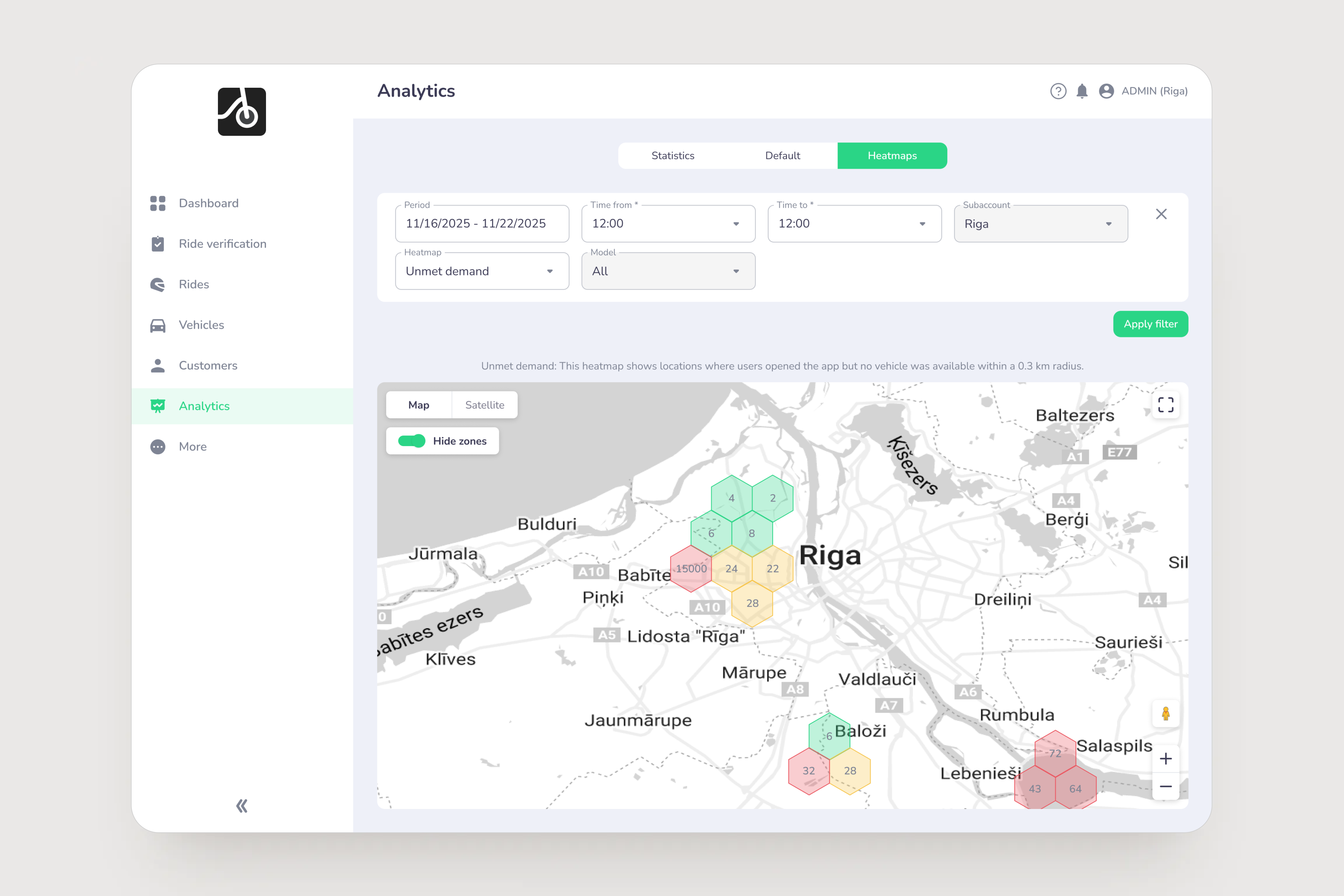
That is why many operators invest heavily in fleet visibility and operational tools. Platforms such as ATOM Mobility's vehicle sharing software help operators monitor vehicle status in real time and identify issues before they affect large parts of the fleet.
One of the least visible costs in shared mobility is fleet redistribution. Users naturally travel between different parts of a city. Over time, vehicles begin clustering in some areas while disappearing from others. The result is familiar to most operators – too many vehicles where demand is low and not enough where demand is highest. Solving this problem requires people, vehicles, planning, and technology. Large operators often maintain dedicated teams responsible for things like fleet redistribution, battery swapping, charging operations, station monitoring and demand forecasting.
Academic studies of bike-sharing systems consistently identify balancing and redistribution as some of the biggest operational challenges because they directly affect both utilisation and customer satisfaction. When users cannot find a vehicle nearby, they often choose another transport option instead. It’s even more difficult during big events, tourist seasons, weather changes, and rush hours when demand patterns shift rapidly.
For operators managing electric scooters, bikes, and mopeds, battery charging creates another layer of operational complexity. Vehicles must be collected, charged, swapped, and returned to high-demand locations. Labour, logistics, warehouse space, charging infrastructure, and electricity costs all contribute to the overall cost of fleet operations.
As fleets grow, charging efficiency becomes increasingly important. Poor battery management can increase downtime, reduce vehicle availability, and create unnecessary operational costs. For operators managing thousands of electric vehicles, charging and battery-swapping operations can require dedicated teams, warehouses, charging infrastructure, and specialised software to coordinate daily tasks efficiently.
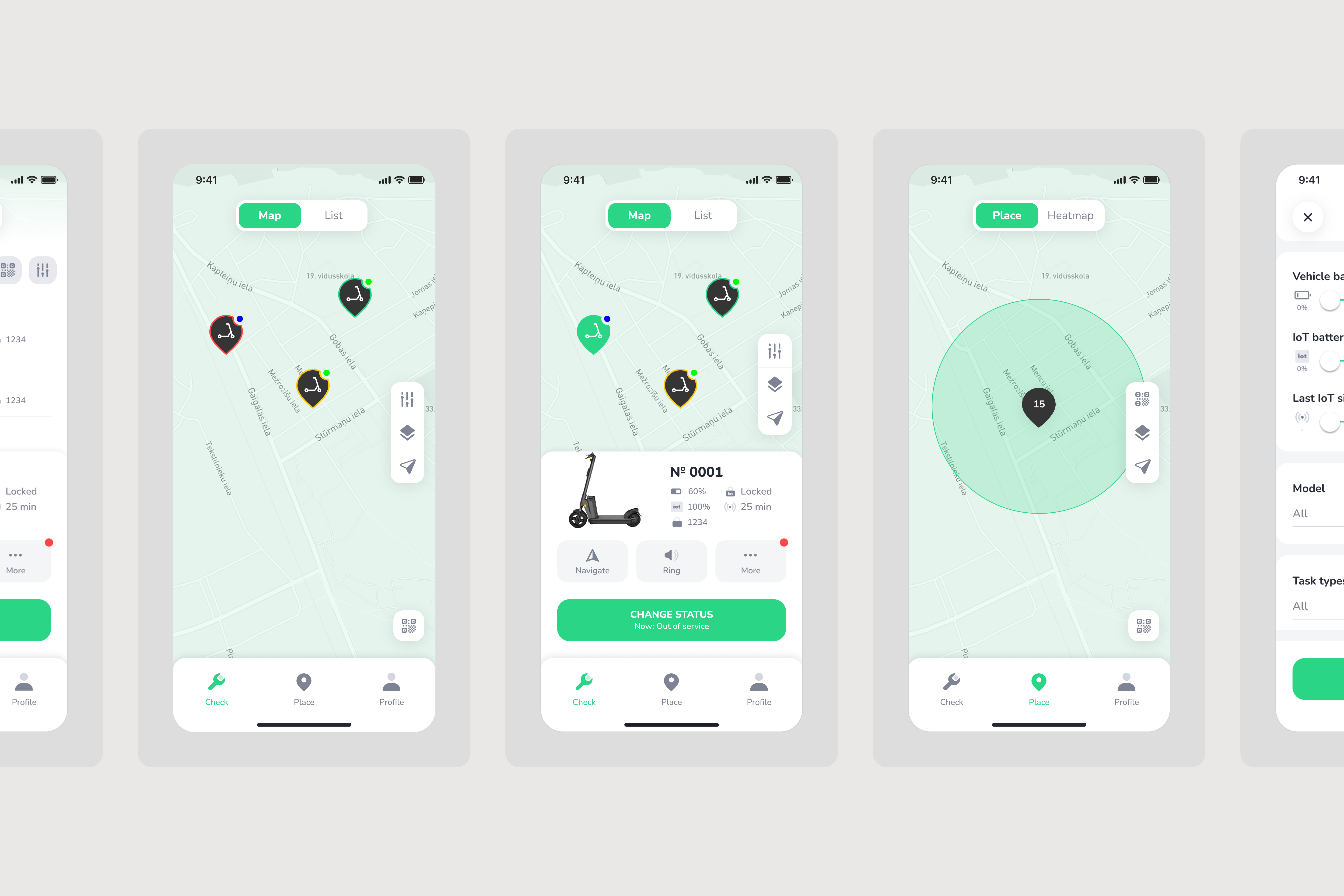
Most vehicle problems start as minor issues but then become a bigger problem. A slightly damaged brake, a worn tire, a loose component, or a battery performing below normal levels may not immediately remove a vehicle from service. Left unresolved, however, these issues often become larger repairs that require more time, more money, and more operational effort.
For this reason, maintenance is no longer viewed as a reactive task by many successful operators. Instead, it is becoming an ongoing operational process supported by automation, diagnostics, and task management systems. So it’s important to identify problems before users do.
Many operators are moving toward more structured maintenance workflows, similar to the approaches discussed in ATOM Mobility's fleet management automation insights.
Customer support is often not thought enough about during launch planning. Founders typically focus on vehicles, apps, and pricing. Few spend enough time calculating the operational cost of helping users when things go wrong.
Support requests usually involve payment issues, failed unlock attempts, damaged vehicles, parking questions, account verification, trip disputes and other day to day problems. A fleet generating 100,000 monthly rides may receive hundreds or even thousands of support requests related to payments, parking violations, damaged vehicles, or account verification.
The cost of poor support is often higher than the cost of support itself because unresolved issues directly affect retention and reviews.
The shared mobility industry has grown significantly. A decade ago, many cities welcomed operators with relatively few requirements. Today, most cities expect detailed reporting, parking compliance, safety measures, accessibility standards, and operational transparency.
Operators increasingly need to invest in:
These requirements create additional costs, but they are quickly becoming part of doing business in the sector. At the same time, cities are becoming more selective about which operators receive permits and long-term partnerships, making operational quality an increasingly important competitive advantage.
Hidden costs rarely appear in business plans or launch announcements. They emerge gradually through downtime, maintenance, balancing, customer support, charging operations, and compliance requirements. Individually, each cost may seem manageable. Together, they often determine whether a mobility business becomes profitable.
Shared mobility businesses often talk about fleet size, market expansion, and trip volume. The operators that build sustainable businesses tend to focus on a different set of metrics, including vehicle utilisation, downtime, maintenance efficiency, and operational automation. Growth still matters, but it becomes expensive quickly when operational control is lacking.
Across the shared mobility industry, operational excellence is increasingly becoming a stronger competitive advantage than fleet size alone.
Many of the hidden costs discussed in this article can be reduced through better operational visibility and automation. Modern mobility management platforms help operators monitor fleet health, detect issues before they lead to downtime, automate maintenance workflows, prioritise field operations, optimise redistribution using real-time demand data, coordinate charging and battery-swapping activities, automate refunds for unsuccessful rides, and generate compliance reports with no manual effort.
At ATOM Mobility, we've seen these challenges across more than 300 shared mobility projects worldwide. While every market is different, operators that invest in operational efficiency early are often better positioned to achieve sustainable growth and profitability.

🚲 While dockless scooters and e-bikes often seems to be the popular choice, many of Europe's most popular shared mobility programs are station-based bike-sharing networks. Systems like Vélib' in Paris, Bicing in Barcelona, and BikeMi in Milan continue to grow by combining predictable parking, strong integration with public transport, and increasingly popular e-bike fleets. What these programs have in common, how they operate at scale, and why many cities continue investing in station-based bike sharing?
During 2019-2025, most of the attention in shared mobility went to dockless scooters. They were quick to deploy, highly visible, and seemed like the future of urban transport. But while many scooter operators expanded, consolidated, or exited markets, station-based bike-sharing systems quietly continued growing.
According to the 2025 European Shared Mobility Index, public bike-sharing schemes generated around 238 million trips in Europe, while private bike-sharing operators recorded another 124 million trips. Together, bike-sharing services accounted for more than 360 million annual rides out of more than 700 million rides (the other half was generated by free-floating scooters). While the industry spent years experimenting with different models, station-based bike sharing remained remarkably resilient. In many cities, it has become part of everyday transport infrastructure rather than simply another mobility service.
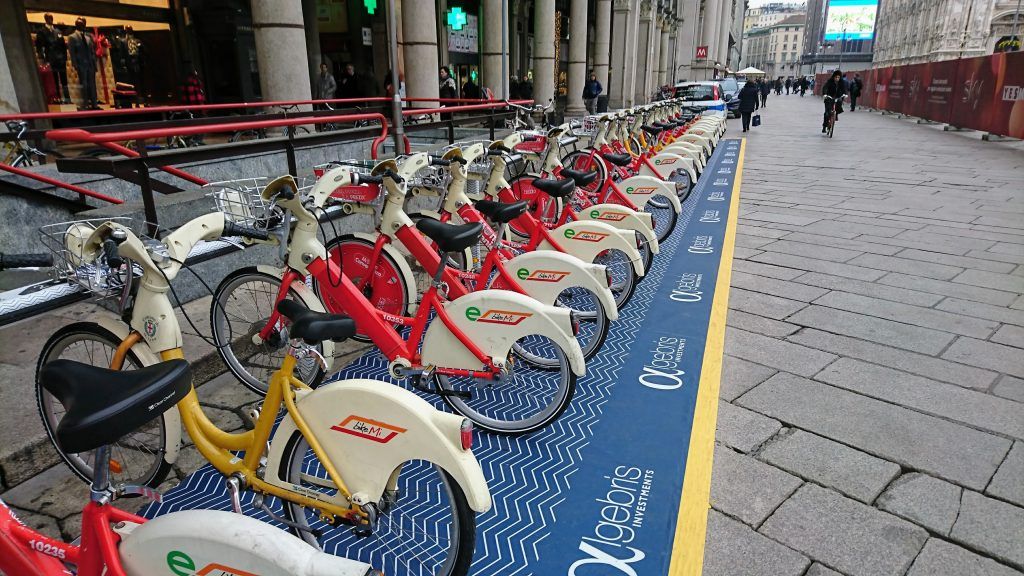
One of the clearest themes from the latest index is that the market is becoming more disciplined. Operators are no longer chasing every possible market. Instead, they are focusing on locations where shared mobility can operate sustainably over the long term. Cities are becoming more selective too, favouring systems that fit into wider transport networks rather than uncontrolled fleet expansion.
This shift has created favourable conditions for station-based bike-sharing systems. Unlike dockless fleets, station-based programs offer more predictable parking, easier fleet management, and stronger integration with public transport. These advantages become increasingly important as cities focus more on accessibility, compliance, and long-term mobility planning.
The strongest argument for station-based bike sharing is the performance of some of the world's largest programs.
Paris' Vélib' remains one of the most successful bike-sharing systems in Europe. The network combines thousands of regular bicycles and e-bikes across an extensive station network that covers much of the city. Vélib' generated approximately 48.5 million trips in 2025, making it the highest-ridership public bike-sharing system in Europe.

What makes Vélib' particularly interesting is that, for many Parisians, it has become part of their daily commute alongside buses, metros, and trains. That level of adoption only happens when riders know they can reliably find and return bikes where they need them.
Barcelona's Bicing demonstrates how station-based systems can scale with city support and careful planning. The system combines regular bicycles and e-bikes and has become deeply integrated into the city's transport ecosystem. Bicing recently surpassed 100 million total rides, making it one of the most successful public bike-sharing programs globally. Barcelona is becoming a fascinating mobility case study: shared scooters were banned, private dockless bike-sharing is being phased out, while the city continues expanding the public Bicing network. A clear signal that some cities are prioritizing station-based and publicly managed micromobility over free-floating models.
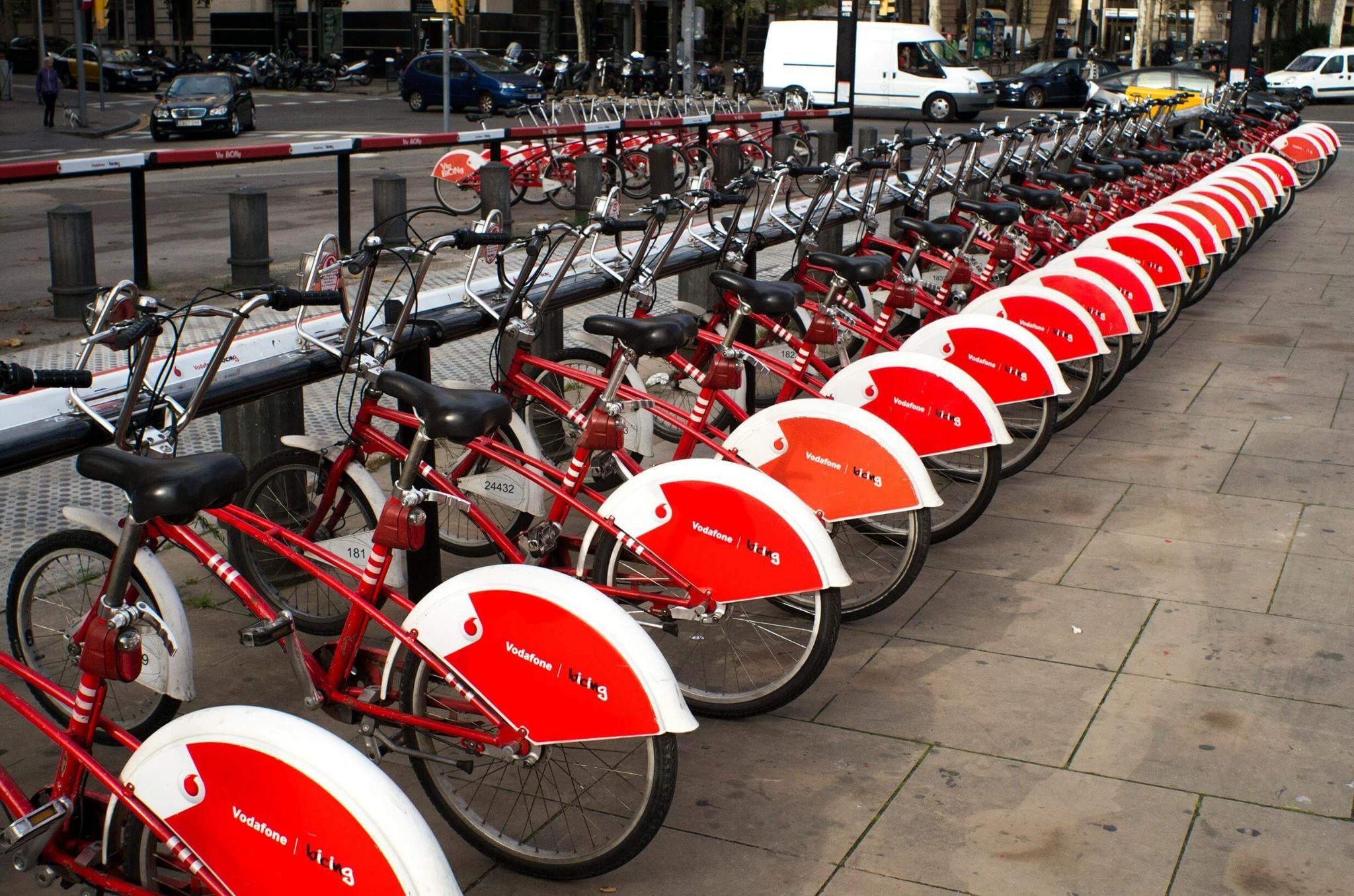
The success of Bicing also reflects a broader trend in Spain, where public bike-sharing systems continue receiving strong institutional support.
BikeMi in Milan offers a slightly different model. Rather than focusing on rapid expansion, the system grew steadily through dense station placement, strong commuter adoption, and integration with public transport. Now BikeMi combines traditional bicycles and e-bikes, providing a reliable transport option for both residents and visitors. Its success highlights an important lesson for operators: long-term utilisation often matters more than rapid fleet growth.

Although Vélib', Bicing, and BikeMi differ in scale and geography, they share several common characteristics. All three prioritise station density, integration with city transport networks, and predictable rider experiences.
One of the biggest developments in station-based bike sharing over the past few years has been the rapid growth of electric fleets. Public bike-sharing fleets are now approximately 48% electrified. More importantly for operators, electric bikes consistently generate more trips than traditional bicycles. Public systems average around 2.7 trips per vehicle per day, while some electric bike fleets achieve up to 4.6 trips per vehicle per day.
Higher utilisation means more revenue per vehicle, a faster return on investment, lower idle fleet costs, and stronger demand throughout the day. Electric bikes also make bike sharing accessible to a broader audience. Longer distances become practical, hills become less of a barrier, and riders who would not normally choose a bicycle are often willing to use an e-bike instead. This is one reason many newer station-based systems are launching with mixed fleets or even fully electric fleets from day one.
Across Europe, municipalities are placing greater emphasis on organised mobility systems that can be integrated into existing transport networks. The European Shared Mobility Index highlights several examples, including public support programs for bike-sharing subscriptions in Spain, continued investment in Barcelona's Bicing network, and London's decision to renew its Santander Cycles contract through a long-term investment programme.
For cities, the appeal is relatively clear. Station-based systems provide predictable parking, reduce street clutter, simplify accessibility planning, and make it easier to integrate bike sharing with buses, trains, and metro systems. As regulations become stricter and public space becomes more valuable, these advantages are becoming increasingly important.
As fleets grow, operators need visibility into station occupancy, vehicle availability, charging status, maintenance workflows, payments, rider activity, and customer support. Managing these processes manually quickly becomes difficult, especially when systems expand across multiple districts or cities.
Many operators use platforms such as ATOM Mobility's bike-sharing software to manage stations, vehicles, rider applications, payments, maintenance, and operational workflows through a single system rather than relying on multiple disconnected tools. The largest station-based programs did not become successful simply because they deployed more bikes. They built operational processes capable of supporting growth over many years.
The growth of systems like Vélib', Bicing, and BikeMi suggests that station-based bike sharing has found its place in modern cities long-term. The focus now is less on expansion alone and more on operating reliable, efficient networks that riders can depend on every da
Check out the full 2025 European Shared Mobility Index here: https://fluctuo.com/reports
.jpg)
🛴 🚲 At ATOM Connect 2026 in Riga, operators, technology providers, and industry experts came together to discuss where the market is heading and what will define successful operators in the coming years. The discussions covered everything from fleet economics and regulation to AI, insurance, MaaS, and operator growth stories.
Shared mobility continues to evolve quickly. At ATOM Connect 2026 in Riga, operators, technology providers, and industry experts came together to discuss where the market is heading and what will define successful operators in the coming years. The discussions covered everything from fleet economics and regulation to AI, insurance, MaaS, and operator growth stories.
One thing became increasingly clear throughout the event: The industry is entering a different phase. Growth is still happening, but the rules for winning are changing.
For years, shared e-scooters dominated headlines and rapid expansion stories. Now the conversation is gradually shifting.
Research presented by Frost & Sullivan suggests that e-bikes are increasingly becoming the preferred shared micromobility mode in many markets because of stronger unit economics, lighter regulatory friction, and changing rider behavior.
Some numbers presented:
Despite higher vehicle costs, e-bikes generate stronger long-term economics. We also saw examples from operators:
The interesting part is that e-bikes are gradually shifting from “fun transportation” toward everyday commuting infrastructure.
One surprising trend discussed during the event was that the European shared micromobility market continues growing despite relatively stable fleet sizes.
Normally, growth comes from deploying more vehicles. Now something different appears to be happening:
This is an important shift because it suggests the market is becoming more efficient. Instead of flooding cities with additional vehicles, operators are increasingly focused on generating more value from existing fleets.
Historically, shared mobility relied heavily on per-ride revenue. That model is also changing.
Frost & Sullivan highlighted subscriptions as one of the strongest trends for 2026, with subscription-heavy models showing positive profitability dynamics. This aligns with what many operators shared during discussions. Subscriptions bring several advantages:
The industry may gradually move toward a model that looks more like SaaS and memberships rather than only pay-per-use transportation.
.jpg)
AI was one of the strongest themes throughout the event. Only a few years ago, AI in mobility often meant pilots and interesting demos. Now operators increasingly use it for daily operations. Examples discussed included:
Frost & Sullivan identified AI-powered demand anticipation as one of the highest-impact trends for operators in 2026.
Yuri Narozniak from datafolio also shared examples where AI predicts high-risk insurance zones and dynamically adjusts risk models based on ride behavior. Datafolio additionally introduced integrated rider insurance options, with approximately 25% long-term rider adoption.
Regulation has become one of the biggest variables affecting operator success. Different cities continue taking very different approaches. Examples discussed included:
Positive developments:
Restrictions:
− Prague banning shared scooters
− Italy tightening compliance requirements
Cities want fewer operators, stronger compliance, and more accountability.
Winning a market increasingly depends on safety records, operational quality, data transparency, compliance history rather than simply deploying larger fleets.
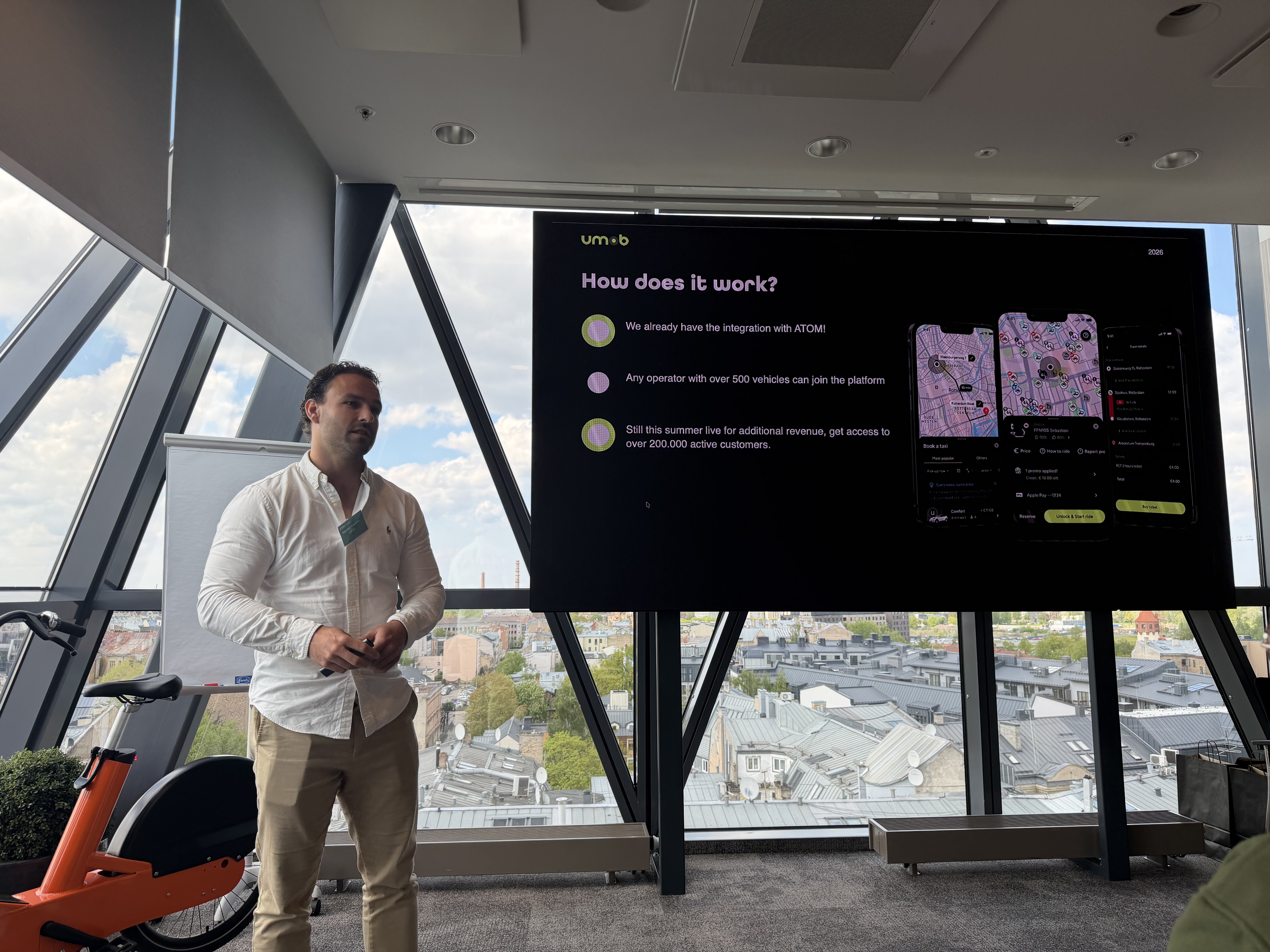
Raymon Pouwels shared the growth story behind umob and the continued expansion of Mobility-as-a-Service. The long-term vision remains simple: One interface, multiple transportation services.
Users increasingly expect transportation to behave similarly to digital services: Open one app -> See all options -> Choose what works best.
The market continues moving toward stronger integration between operators and MaaS platforms.
One slide from Frost & Sullivan summarized it particularly well:
"The operators still standing in 2026 didn't win on product - they won on discipline, selectivity, and city relationships."
Looking across both research and operator stories, common patterns repeatedly appeared:
✔ Lean and efficient operations
✔ Strategic market selection
✔ Diversified revenue streams
✔ Strong partnerships
✔ Data-driven decisions
✔ Safety and compliance focus
Thank you again to all speakers, partners, and participants who joined us at ATOM Connect 2026 and contributed to the discussions. We are excited to continue building the future of mobility together.
Want to continue the conversation? 🚀
Our team will be attending Micromobility Europe (June 2-3, Berlin) and we'll have a booth there. If you're attending too, come say hello, grab a coffee, and let's talk mobility ☕

"State of art technology in mobile apps and dashboard, very good SLA!"
"Easy, nice looking, continuously updated and developed every month and most of all very reliable with a extreme high uptime"
"We used to work with a different service provider which wasn't fitting our needs. Switching to ATOM was an improvement on our side"
Use test credentials to log in - Phone number: +1 123123123, Code: 777777


Driver App demo credentials - Email: test@atom.com, Password: driver