ATOM Mobility führt ein Treuemodul auf seiner Shared Mobility-Plattform ein
June 7, 2023
min. Lesedauer


Trommelwirbel, bitte!
ATOM Mobility hat das Nutzerengagement mit einem neuen Treuemodul auf die nächste Stufe gehoben.
Benutzer können jetzt an aufregenden Herausforderungen teilnehmen und nach Abschluss Belohnungen erhalten. Die Integration von Gamification in die Plattform von ATOM Mobility zielt darauf ab, das allgemeine Nutzererlebnis zu verbessern — und bietet Betreibern eine einzigartige Gelegenheit, sich von der Konkurrenz abzuheben.
Schauen wir uns die Möglichkeiten und Vorteile dieses neuen Treuemoduls genauer an.
Gamification ist eine Möglichkeit, Apps unterhaltsamer und ansprechender zu gestalten, indem spielähnliche Elemente hinzugefügt werden. Die Idee ist, den Benutzern ein Erfolgserlebnis zu vermitteln, wenn sie Fortschritte machen und Aufgaben erledigen.
Zu den beliebten Beispielen für Gamification in Apps gehören:
Diese Apps sind ein solider Beweis dafür, dass Gamification bei den Nutzern Anklang findet. Und jetzt hat ATOM Mobility die Führung übernommen und Gamification zum ersten Mal in der White-Label-Shared-Mobility-Branche eingeführt. Warum ist das eine große Sache?
Hier sind nur einige Vorteile, die Gamification Ihrem Shared-Mobility-Unternehmen bietet:
Um das Modul zu aktivieren, können sich Betreiber an ihren Account Manager bei ATOM Mobility wenden.
Sobald das Treuemodul aktiviert ist, erhalten die Betreiber Zugriff auf ein Dashboard, in dem sie eine Vielzahl von Herausforderungen erstellen und konfigurieren können. Jede Herausforderung kann mit einem Titel, einem bestimmten punktebasierten Ziel, einer Dauer und einer verlockenden Belohnung nach Abschluss personalisiert werden — beispielsweise einem Rabatt für die nächsten Fahrten.
Betreiber können die gemeinsame Mobilitätsplattform aufpeppen, indem sie mehrstufige Herausforderungen mit Schrittnummern erstellen. Diese Schritte legen die Reihenfolge fest, in der die Herausforderungen erscheinen, was bedeutet, dass die Benutzer einen Schritt abschließen müssen, bevor sie die nächste Herausforderung freischalten. Auf diese Weise können die Betreiber das gemeinsame Mobilitätserlebnis unterhaltsam gestalten — und die Nutzer auf Trab halten.
Betreiber können das Treuemodul an ihre Präferenzen anpassen, zum Beispiel:
Wenn ein Benutzer eine Herausforderung abschließt, benachrichtigt ihn das System über seinen Erfolg und der Benutzer erhält automatisch die Belohnung. Wenn eine Herausforderung abläuft, ohne dass der Benutzer die erforderlichen Punkte gesammelt hat, setzt das System die Herausforderung zurück und der Benutzer kann es erneut versuchen.
In der Zwischenzeit stehen den Betreibern folgende Daten zur Verfügung:
Das Treuemodul bietet Betreibern von Shared Mobility die Möglichkeit, sich von Branchenriesen abzuheben, indem sie die „Robustheit“ ihrer Lösung erhöhen. Durch die Integration des Treuemoduls in ihre Plattform können Betreiber ihren Nutzern Anreize bieten, in Verbindung zu bleiben — was das Gefühl von Loyalität und langfristigem Engagement fördert.
Kunden von Atom Mobility profitieren bereits von den Vorteilen des neuen Moduls. Laut Milad, dem Gründer von Schnell, „Der Einrichtungsprozess für das Treuemodell ist einfach und mühelos, was zu einer erhöhten Kundenbindung und mehr Fahrten führt. Es ist ein hervorragendes Mittel, um die Nutzer in die Marke einzubeziehen.“
Das Treuemodul erweitert das hochgradig anpassbare White-Label um eine weitere Dimension ATOM Mobility-Plattform — mit einem zusätzlichen Hauch von Spaß.
Klicken Sie unten, um mehr zu erfahren oder eine Demo anzufordern.

The micromobility industry doesn’t need another generic mobility conference. 🚫🎤 It needs real conversations between operators who are actually in the field. ⚙️ That’s exactly what ATOM Connect 2026 is built for. 🎯🤝
The shared mobility industry is evolving rapidly. Operators are navigating scaling challenges, regulatory complexity, hardware decisions, fleet optimization, and new integration models, all while aiming for sustainable growth.
That’s exactly why ATOM Mobility is organizing ATOM Connect 2026.
Our previous edition of ATOM Connect brought together professionals from the car sharing and rental industry for focused, high-quality discussions and networking. This year, we are narrowing the focus and dedicating the entire event to one fast-moving segment of the industry: shared micromobility.
ATOM Connect 2026 is designed specifically for operators, partners, and decision-makers working in shared micromobility. It is not a broad mobility conference or a public exhibition. It is a curated space for industry professionals to exchange practical experience, insights, and lessons learned.
On May 14th, 2026 in Riga, we will once again bring the community together, this time with a clear focus on micromobility.
This year’s agenda will address the real operational and strategic questions shaping shared micromobility today:
As usual, we aim to host both local and international operators from smaller, fast-growing fleets to established large-scale players alongside hardware providers and ecosystem partners.
On stage, you’ll hear from leading shared mobility companies - including Segway on hardware partnerships, Umob on MaaS integration, Anadue on data-driven fleet intelligence, Elerent on multi-vehicle operational realities and more insightful discussions.
The goal is simple: meaningful discussions with people who understand the operational realities of the industry.
ATOM Connect is free to attend, but participation is industry-focused (each submission is manually reviewed and verified). We are intentionally keeping the audience relevant and aligned to ensure high-quality conversations and valuable networking.
If you work in shared micromobility and would like to join the event, you can find the full agenda and register here:
👉 https://www.atommobility.com/atom-connect-2026
In the coming weeks, we will be revealing more speakers and additional agenda updates. We look forward to bringing the industry together again.
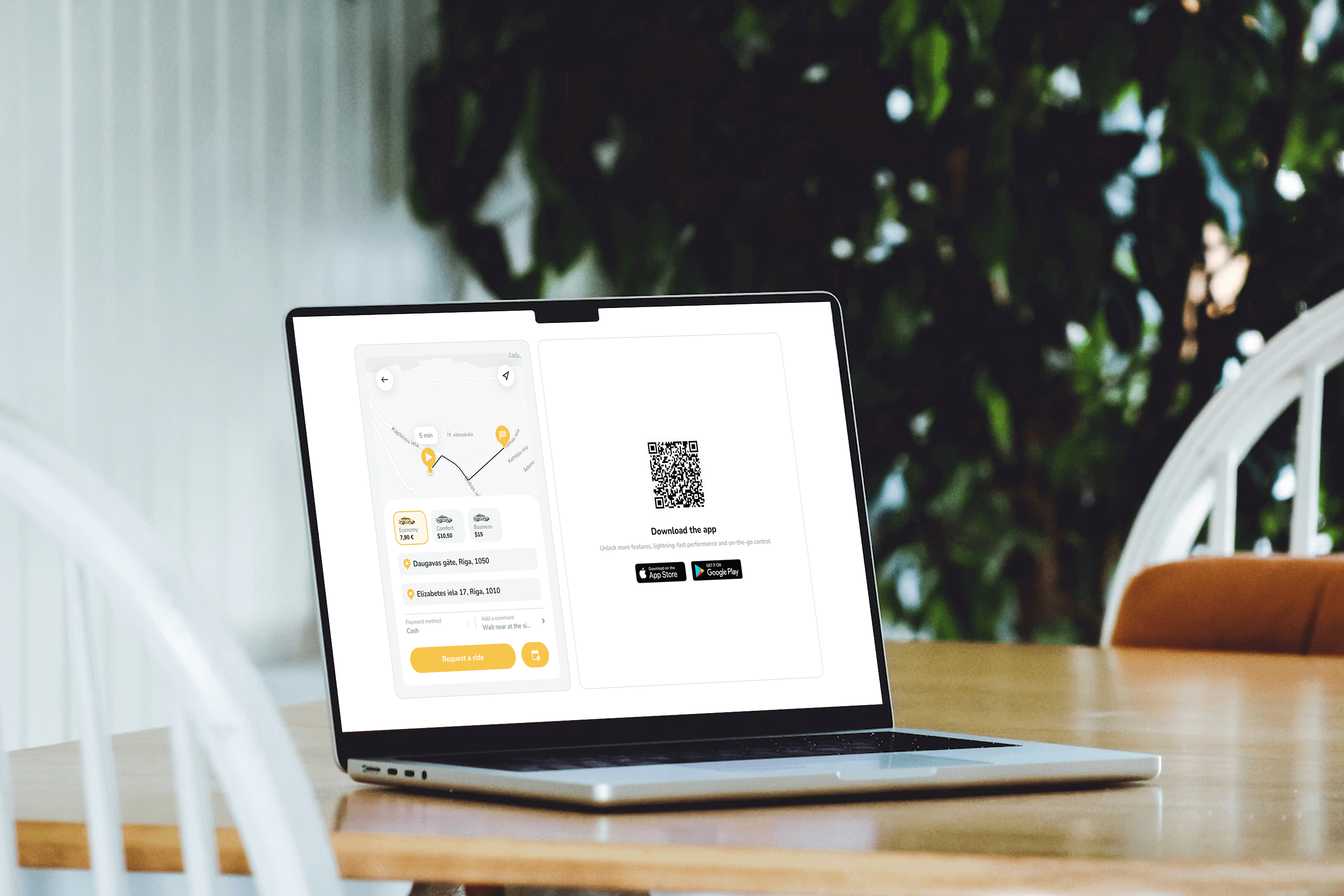
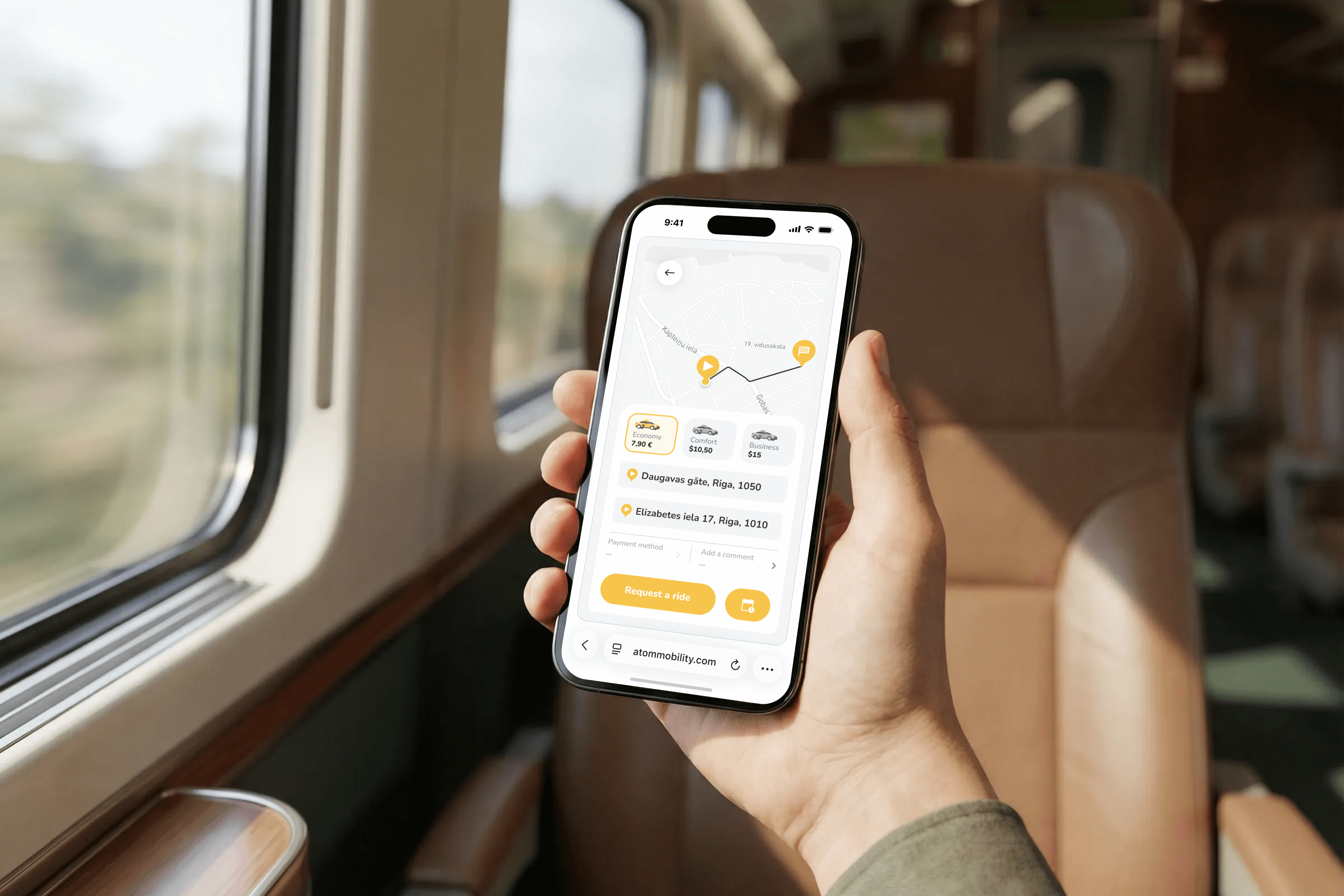
🚕 Web-booker is a lightweight ride-hail widget that lets users book rides directly from a website or mobile browser - no app install required. It reduces booking friction, supports hotel and partner demand, and keeps every ride fully synced with the taxi operator’s app and dashboard.
What if ordering a taxi was as easy as booking a room or clicking “Reserve table” on a website?
Meet Web-booker - a lightweight ride-hail booking widget that lets users request a cab directly from a website, without installing or opening the mobile app.
Perfect for hotels, business centers, event venues, airports, and corporate partners.
👉 Live demo: https://app.atommobility.com/taxi-widget
Web-booker is a browser-based ride-hail widget that operators can embed or link to from any website.
The booking happens on the web, but the ride is fully synchronized with the mobile app and operator dashboard.
No redirects. No app-store friction. No lost users.
This keeps fraud low while preserving conversion.
Web-booker addresses one of the most common friction points in ride-hailing: users who need a ride now but are not willing to download an app first. By allowing bookings directly from a website, operators can capture high-intent demand at the exact moment it occurs - whether that is on a hotel website, an event page, or a partner landing page.
At the same time, Web-booker makes partnerships with hotels and venues significantly easier. Instead of complex integrations or manual ordering flows, partners can simply place a button or link and immediately enable ride ordering for their guests. Importantly, this approach does not block long-term app growth. The booking flow still promotes the mobile app through QR codes and store links, allowing operators to convert web users into app users over time - without forcing the install upfront.
Web-booker is not designed to replace the mobile app. It extends the acquisition funnel by adding a low-friction entry point, while keeping all bookings fully synchronized with the operator’s app and dashboard.
👉 Try the demo
https://app.atommobility.com/taxi-widget
Want to explore a ride-hail or taxi solution for your business - or migrate to a more flexible platform? Visit: https://www.atommobility.com/products/ride-hailing
Anmeldedaten für die Driver App-Demo - E-Mail: test@atom.com, Passwort: Treiber

