Wer macht Carsharing besser — OEMs oder Start-ups?
February 7, 2025
min. Lesedauer


Die Carsharing-Branche steht an einem Scheideweg. Einst als die Zukunft der urbanen Mobilität gepriesen, hat sie eine Mischung aus Erfolg und Misserfolg erlebt, wobei einige Akteure erfolgreich waren und andere den Laden geschlossen haben. Deshalb fragen wir: Warum scheitern einige Carsharing-Unternehmen, während andere weiter wachsen? Und was noch wichtiger ist: Was braucht es, um in der heutigen Wettbewerbslandschaft ein nachhaltiges und profitables Carsharing-Geschäft zu führen?
Die jüngsten Entwicklungen waren aufschlussreich. Zwei von OEMs unterstützte Carsharing-Unternehmen wurden vor Kurzem geschlossen, während unabhängige Betreiber weiter expandieren und ein neuer Anbieter — Kia — gerade seinen eigenen Service eingeführt hat. In diesem Artikel erfahren Sie mehr über die Herausforderungen, die wichtigsten Erfolgsfaktoren und die sich entwickelnde Rolle der Technologie in der Branche.
Bevor wir uns mit bestimmten Fällen befassen, ist es wichtig zu klären, was OEMs (Original Equipment Manufacturers) sind und wie sie sich von Startups unterscheiden. OEMs sind traditionelle Autohersteller — Unternehmen wie Kia, Volvo oder Ford —, die hauptsächlich Fahrzeuge unter ihren Markennamen produzieren und verkaufen. Einige OEMs haben ihr Angebot an Mobilitätsdienstleistungen, einschließlich Carsharing, ausgeweitet, haben aber oft Probleme, weil ihr Hauptaugenmerk weiterhin auf dem Autoverkauf liegt.
Im Gegensatz dazu haben Startups und unabhängige Betreiber wie Umweltfreundliche Mobilität sind von Grund auf als Mobilitätsdienstleister aufgebaut. Sie stellen keine Autos her, sondern konzentrieren sich ausschließlich auf das Carsharing-Erlebnis und optimieren Abläufe, Technologie und Kundenservice. Dieser Unterschied im Kernfokus entscheidet häufig über Erfolg oder Misserfolg in der Carsharing-Branche.
Autohersteller haben das Potenzial von Carsharing als Möglichkeit zur Diversifizierung der Einnahmequellen, zur Steigerung der Markentreue und zur Erkundung neuer Mobilitätsgeschäftsmodelle seit langem erkannt. Die Geschichte hat jedoch gezeigt, dass es nicht ausreicht, Autos einfach auf die Straße zu stellen und eine App zu entwickeln, damit Carsharing funktioniert.
Mehrere von OEMs unterstützte Carsharing-Dienste hatten Schwierigkeiten, ihre Rentabilität aufrechtzuerhalten. Volvos Volvo auf Abruf kündigte kürzlich die Schließung im Rahmen einer umfassenderen Strategie zur Kostenoptimierung an. In ähnlicher Weise stellte SEAT Ende 2024 den Betrieb aufgrund der sinkenden Nachfrage und steigender Betriebskosten ein (31 Millionen € Gesamtverluste, davon 11 Millionen € allein 2023 verloren, verglichen mit einem Umsatz von 16 Millionen €).
Die Herausforderungen, vor denen OEMs beim Carsharing stehen, sind auf mehrere Faktoren zurückzuführen:
Diese Schließungen bedeuten jedoch nicht unbedingt, dass Carsharing selbst ein nicht nachhaltiges Modell ist. Stattdessen unterstreichen sie die Notwendigkeit eines anderen Ansatzes — einen, den unabhängige Akteure effektiver umsetzen.

Während OEM-Carsharing-Unternehmen Probleme haben, verzeichnen unabhängige Betreiber wie GreenMobility ein Wachstum. Im Gegensatz zu traditionellen Autoherstellern sind diese Unternehmen von Grund auf als Mobilitätsdienstleister konzipiert, sodass sie effizienter arbeiten können.
Das Wachstum von GreenMobility ist zurückzuführen auf:
Durch die Nutzung eines digitalen First-Ansatzes sind diese Unternehmen in der Lage, die Fahrzeugnutzung zu optimieren, die Betriebskosten zu senken und ein nahtloses Benutzererlebnis zu bieten — etwas, das OEMs oft nur schwer erreichen können.
Bringt der Einstieg von KIA ins Carsharing neue Hoffnungen?
Inmitten der sich verändernden Landschaft ist Kia mit seinem neuen Service in den Carsharing-Markt eingetreten. Her & Dela. Im Gegensatz zu früheren OEM-Carsharing-Versuchen konzentriert sich das Modell von Kia eher auf Unternehmen als auf einzelne Verbraucher. Dieser Service ermöglicht es Unternehmen, Fahrzeuge auf monatlicher Basis zu mieten und sie über eine digitale Plattform an Mitarbeiter, Partner oder Kunden weiterzugeben.
Warum ist dieser Ansatz sinnvoll?
Bei guter Umsetzung könnte sich das unternehmensorientierte Carsharing-Modell von Kia als nachhaltiger Geschäftsansatz erweisen und viele der Fallstricke vermeiden, mit denen frühere Carsharing-Versuche von OEMs zu kämpfen hatten.

Was können aktuelle und zukünftige Carsharing-Unternehmen also aus diesen Erfahrungen lernen?
Starre Geschäftsmodelle und mangelnde Flexibilität sind große Hindernisse für den Erfolg. Carsharing-Dienste müssen in hohem Maße anpassungsfähig sein und Daten nutzen, um Preise, Flottenstandorte und Serviceangebote dynamisch anzupassen.
Carsharing ist ein kapitalintensives Geschäft. Betreiber müssen die Flotteneffizienz optimieren, Ausfallzeiten reduzieren und die Wartungs- und Versicherungskosten kontrollieren. Hier übertreffen unabhängige Betreiber häufig die OEMs, da sie ihre Ausgaben flexibler verwalten können.
Eine Carsharing-Plattform ist nur so gut wie ihre Technologie. Unternehmen, die mit Anbietern von Mobilitätstechnologien zusammenarbeiten wie ATOM-Mobilität kann von fortschrittlichen Buchungssystemen, automatisiertem Flottenmanagement und datengestützter Entscheidungsfindung profitieren — Schlüsselelemente für einen reibungslosen und kostengünstigen Service.
Die Wahl der richtigen Stadt oder Region für Carsharing ist entscheidend. Faktoren wie die Integration des öffentlichen Verkehrs, Parkvorschriften und die städtische Bevölkerungsdichte können über Erfolg oder Misserfolg eines Carsharing-Geschäfts entscheiden.
Beim Carsharing geht es nicht nur darum, den Zugang zu Fahrzeugen zu ermöglichen — es geht um exzellenten Service, Komfort und Nutzererlebnis. Damit OEMs erfolgreich sein können, müssen sie ihren Ansatz überdenken und eine kundenorientiertere Denkweise annehmen.
Die Zukunft des Carsharings
Die Carsharing-Branche befindet sich an einem Wendepunkt. Während einige von OEMs unterstützte Dienste mit Hürden konfrontiert waren, zeigen unabhängige Betreiber wie GreenMobility und strategische Initiativen wie Hyr & Dela von Kia, dass Erfolg mit dem richtigen Ansatz immer noch möglich ist. Der Schlüssel liegt in Anpassungsfähigkeit, Kostenkontrolle, Technologieintegration und Marktfokus.
Da sich die Branche ständig weiterentwickelt, ist der Einstieg von Kia in das Carsharing von Unternehmen eine spannende Entwicklung. Mit einer intelligenten Strategie und einer starken Umsetzung haben sie das Potenzial, sich eine erfolgreiche Nische auf dem Markt zu erschließen.
Wir werden die Fortschritte von Kia im Auge behalten und wünschen ihnen in der Zwischenzeit viel Glück bei ihrem neuen Unternehmen. Hoffen wir, dass sie hier bleiben!
Klicken Sie unten, um mehr zu erfahren oder eine Demo anzufordern.

The micromobility industry doesn’t need another generic mobility conference. 🚫🎤 It needs real conversations between operators who are actually in the field. ⚙️ That’s exactly what ATOM Connect 2026 is built for. 🎯🤝
The shared mobility industry is evolving rapidly. Operators are navigating scaling challenges, regulatory complexity, hardware decisions, fleet optimization, and new integration models, all while aiming for sustainable growth.
That’s exactly why ATOM Mobility is organizing ATOM Connect 2026.
Our previous edition of ATOM Connect brought together professionals from the car sharing and rental industry for focused, high-quality discussions and networking. This year, we are narrowing the focus and dedicating the entire event to one fast-moving segment of the industry: shared micromobility.
ATOM Connect 2026 is designed specifically for operators, partners, and decision-makers working in shared micromobility. It is not a broad mobility conference or a public exhibition. It is a curated space for industry professionals to exchange practical experience, insights, and lessons learned.
On May 14th, 2026 in Riga, we will once again bring the community together, this time with a clear focus on micromobility.
This year’s agenda will address the real operational and strategic questions shaping shared micromobility today:
As usual, we aim to host both local and international operators from smaller, fast-growing fleets to established large-scale players alongside hardware providers and ecosystem partners.
On stage, you’ll hear from leading shared mobility companies - including Segway on hardware partnerships, Umob on MaaS integration, Anadue on data-driven fleet intelligence, Elerent on multi-vehicle operational realities and more insightful discussions.
The goal is simple: meaningful discussions with people who understand the operational realities of the industry.
ATOM Connect is free to attend, but participation is industry-focused (each submission is manually reviewed and verified). We are intentionally keeping the audience relevant and aligned to ensure high-quality conversations and valuable networking.
If you work in shared micromobility and would like to join the event, you can find the full agenda and register here:
👉 https://www.atommobility.com/atom-connect-2026
In the coming weeks, we will be revealing more speakers and additional agenda updates. We look forward to bringing the industry together again.
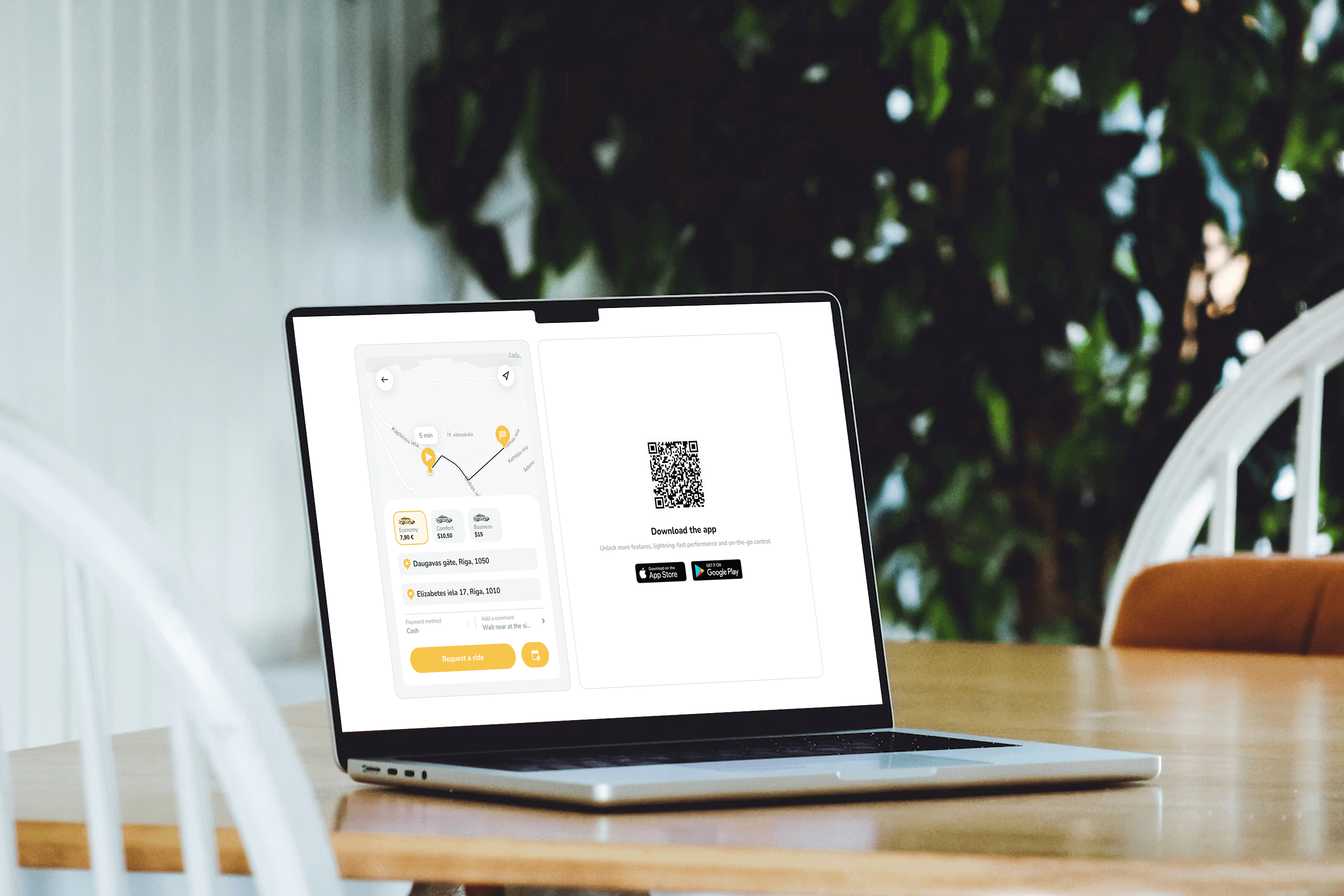
🚕 Web-booker is a lightweight ride-hail widget that lets users book rides directly from a website or mobile browser - no app install required. It reduces booking friction, supports hotel and partner demand, and keeps every ride fully synced with the taxi operator’s app and dashboard.
What if ordering a taxi was as easy as booking a room or clicking “Reserve table” on a website?
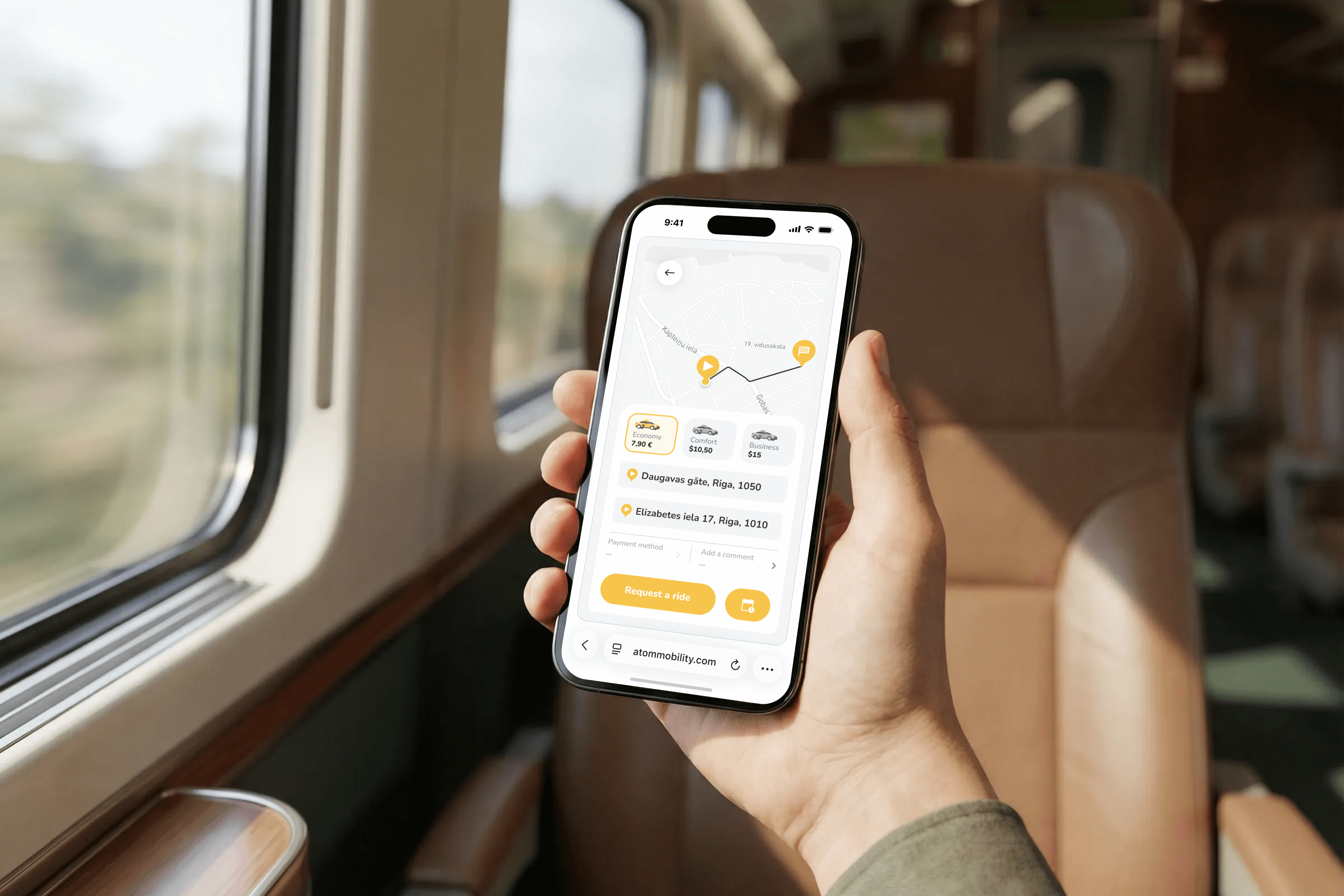
Meet Web-booker - a lightweight ride-hail booking widget that lets users request a cab directly from a website, without installing or opening the mobile app.
Perfect for hotels, business centers, event venues, airports, and corporate partners.
👉 Live demo: https://app.atommobility.com/taxi-widget
Web-booker is a browser-based ride-hail widget that operators can embed or link to from any website.
The booking happens on the web, but the ride is fully synchronized with the mobile app and operator dashboard.
No redirects. No app-store friction. No lost users.
This keeps fraud low while preserving conversion.
Web-booker addresses one of the most common friction points in ride-hailing: users who need a ride now but are not willing to download an app first. By allowing bookings directly from a website, operators can capture high-intent demand at the exact moment it occurs - whether that is on a hotel website, an event page, or a partner landing page.
At the same time, Web-booker makes partnerships with hotels and venues significantly easier. Instead of complex integrations or manual ordering flows, partners can simply place a button or link and immediately enable ride ordering for their guests. Importantly, this approach does not block long-term app growth. The booking flow still promotes the mobile app through QR codes and store links, allowing operators to convert web users into app users over time - without forcing the install upfront.
Web-booker is not designed to replace the mobile app. It extends the acquisition funnel by adding a low-friction entry point, while keeping all bookings fully synchronized with the operator’s app and dashboard.
👉 Try the demo
https://app.atommobility.com/taxi-widget
Want to explore a ride-hail or taxi solution for your business - or migrate to a more flexible platform? Visit: https://www.atommobility.com/products/ride-hailing
Anmeldedaten für die Driver App-Demo - E-Mail: test@atom.com, Passwort: Treiber

