Chi fa meglio il car sharing: OEM o start-up?
February 7, 2025
lettura minima


Il settore del car sharing è a un bivio. Un tempo considerato il futuro della mobilità urbana, ha visto un mix di successi e fallimenti, con alcuni attori che hanno prosperato e altri che hanno chiuso i battenti. Quindi ci chiediamo: perché alcune iniziative di car sharing falliscono mentre altre continuano a crescere? E, cosa ancora più importante, cosa serve per gestire un'attività di car sharing sostenibile e redditizia nel panorama competitivo odierno?
I recenti sviluppi sono stati indicativi. Due società di car sharing sostenute da OEM sono state recentemente chiuse, mentre gli operatori indipendenti continuano ad espandersi e un nuovo operatore, Kia, ha appena lanciato il proprio servizio. Questo articolo illustra le sfide, i principali fattori di successo e il ruolo in evoluzione della tecnologia nel settore.
Prima di addentrarci in casi specifici, è importante chiarire cosa sono gli OEM (Original Equipment Manufacturers) e in che modo si differenziano dalle startup. Gli OEM sono case automobilistiche tradizionali, aziende come Kia, Volvo o Ford, che producono e vendono principalmente veicoli con i loro marchi. Alcuni OEM si sono estesi ai servizi di mobilità, incluso il car sharing, ma spesso hanno difficoltà perché il loro obiettivo principale rimane la vendita di auto.
Al contrario, startup e operatori indipendenti come Mobilità verde sono costruiti da zero come fornitori di servizi di mobilità. Non producono automobili, ma si concentrano invece interamente sull'esperienza di car sharing, ottimizzando le operazioni, la tecnologia e il servizio clienti. Questa differenza nell'obiettivo principale spesso determina il successo o il fallimento nel settore del car sharing.
Le case automobilistiche riconoscono da tempo il potenziale del car sharing come un modo per diversificare i flussi di entrate, aumentare la fedeltà al marchio ed esplorare nuovi modelli di business della mobilità. Tuttavia, la storia ha dimostrato che il semplice fatto di mettere le auto in strada e creare un'app non è sufficiente per far funzionare il car sharing.
Diversi servizi di car sharing sostenuti dagli OEM hanno faticato a mantenere la redditività. Di Volvo Volvo su richiesta ne ha recentemente annunciato la chiusura nell'ambito di una più ampia strategia di ottimizzazione dei costi. Analogamente, SEAT ha cessato l'attività alla fine del 2024 a causa del calo della domanda e dell'aumento dei costi operativi (31 milioni di euro di perdite totali, di cui 11 milioni di euro persi nel solo 2023, contro un fatturato di 16 milioni di euro).
Le sfide che gli OEM devono affrontare nel car sharing derivano da diversi fattori:
Tuttavia, queste chiusure non significano necessariamente che il car sharing stesso sia un modello insostenibile. Sottolineano invece la necessità di un approccio diverso, che gli attori indipendenti stiano attuando in modo più efficace.

Mentre le iniziative di car sharing OEM sono in difficoltà, operatori indipendenti come GreenMobility stanno registrando una crescita. A differenza delle case automobilistiche tradizionali, queste aziende sono state create da zero come fornitori di servizi di mobilità, consentendo loro di operare in modo più efficiente.
La crescita di GreenMobility può essere attribuita a:
Sfruttando un approccio incentrato sul digitale, queste aziende sono in grado di ottimizzare l'utilizzo dei veicoli, ridurre i costi operativi e offrire un'esperienza utente senza interruzioni, cosa che gli OEM spesso faticano a ottenere.
L'ingresso di KIA nel car sharing porta nuove speranze?
In un panorama in continua evoluzione, Kia è entrata nel mercato del car sharing con il suo nuovo servizio, Noleggio e offerte. A differenza dei precedenti tentativi di car sharing OEM, il modello di Kia si concentra sulle aziende piuttosto che sui singoli consumatori. Questo servizio consente alle aziende di noleggiare veicoli su base mensile e condividerli tra dipendenti, partner o clienti tramite una piattaforma digitale.
Perché questo approccio ha senso?
Se eseguito bene, il modello di car sharing incentrato sulle aziende di Kia potrebbe rivelarsi un approccio aziendale sostenibile, evitando molte delle insidie che hanno afflitto i precedenti tentativi di car sharing OEM.

Quindi, cosa possono imparare da queste esperienze le iniziative di car sharing attuali e future?
I modelli di business rigidi e la mancanza di flessibilità sono i principali ostacoli al successo. I servizi di car sharing devono essere altamente adattabili, sfruttando i dati per modificare in modo dinamico i prezzi, l'ubicazione della flotta e l'offerta di servizi.
Il car sharing è un'attività ad alta intensità di capitale. Gli operatori devono ottimizzare l'efficienza della flotta, ridurre i tempi di fermo e controllare i costi di manutenzione e assicurazione. È qui che gli operatori indipendenti spesso superano gli OEM, poiché sono più agili nella gestione delle spese.
Una piattaforma di car sharing è valida solo quanto la sua tecnologia. Aziende che collaborano con fornitori di tecnologie per la mobilità come Mobilità ATOM possono beneficiare di sistemi di prenotazione avanzati, gestione automatizzata della flotta e processi decisionali basati sui dati, elementi chiave per un servizio continuo ed economico.
Scegliere la città o la regione giusta per il car sharing è fondamentale. Fattori come l'integrazione dei trasporti pubblici, le normative sui parcheggi e la densità della popolazione urbana possono creare o distruggere un'attività di car sharing.
Il car sharing non consiste solo nel fornire l'accesso ai veicoli, ma anche nell'eccellenza del servizio, nella comodità e nell'esperienza utente. Affinché gli OEM abbiano successo, devono ripensare il loro approccio e adottare una mentalità più incentrata sul cliente.
Il futuro del car sharing
Il settore del car sharing è a un punto di svolta. Sebbene alcuni servizi sostenuti dagli OEM abbiano incontrato ostacoli, operatori indipendenti come GreenMobility e iniziative strategiche come Hyr & Dela di Kia dimostrano che il successo è ancora possibile con l'approccio giusto. La chiave sta nell'adattabilità, nel controllo dei costi, nell'integrazione tecnologica e nell'attenzione al mercato.
Mentre il settore continua a evolversi, l'ingresso di Kia nel car sharing aziendale è uno sviluppo entusiasmante. Con una strategia intelligente e un'esecuzione efficace, hanno il potenziale per ritagliarsi una nicchia di successo nel mercato.
Terremo d'occhio i progressi di Kia e, nel frattempo, auguriamo loro buona fortuna per la loro nuova avventura. Speriamo che siano qui per restare!
Fai clic qui sotto per saperne di più o richiedere una demo.

The micromobility industry doesn’t need another generic mobility conference. 🚫🎤 It needs real conversations between operators who are actually in the field. ⚙️ That’s exactly what ATOM Connect 2026 is built for. 🎯🤝
The shared mobility industry is evolving rapidly. Operators are navigating scaling challenges, regulatory complexity, hardware decisions, fleet optimization, and new integration models, all while aiming for sustainable growth.
That’s exactly why ATOM Mobility is organizing ATOM Connect 2026.
Our previous edition of ATOM Connect brought together professionals from the car sharing and rental industry for focused, high-quality discussions and networking. This year, we are narrowing the focus and dedicating the entire event to one fast-moving segment of the industry: shared micromobility.
ATOM Connect 2026 is designed specifically for operators, partners, and decision-makers working in shared micromobility. It is not a broad mobility conference or a public exhibition. It is a curated space for industry professionals to exchange practical experience, insights, and lessons learned.
On May 14th, 2026 in Riga, we will once again bring the community together, this time with a clear focus on micromobility.
This year’s agenda will address the real operational and strategic questions shaping shared micromobility today:
As usual, we aim to host both local and international operators from smaller, fast-growing fleets to established large-scale players alongside hardware providers and ecosystem partners.
On stage, you’ll hear from leading shared mobility companies - including Segway on hardware partnerships, Umob on MaaS integration, Anadue on data-driven fleet intelligence, Elerent on multi-vehicle operational realities and more insightful discussions.
The goal is simple: meaningful discussions with people who understand the operational realities of the industry.
ATOM Connect is free to attend, but participation is industry-focused (each submission is manually reviewed and verified). We are intentionally keeping the audience relevant and aligned to ensure high-quality conversations and valuable networking.
If you work in shared micromobility and would like to join the event, you can find the full agenda and register here:
👉 https://www.atommobility.com/atom-connect-2026
In the coming weeks, we will be revealing more speakers and additional agenda updates. We look forward to bringing the industry together again.
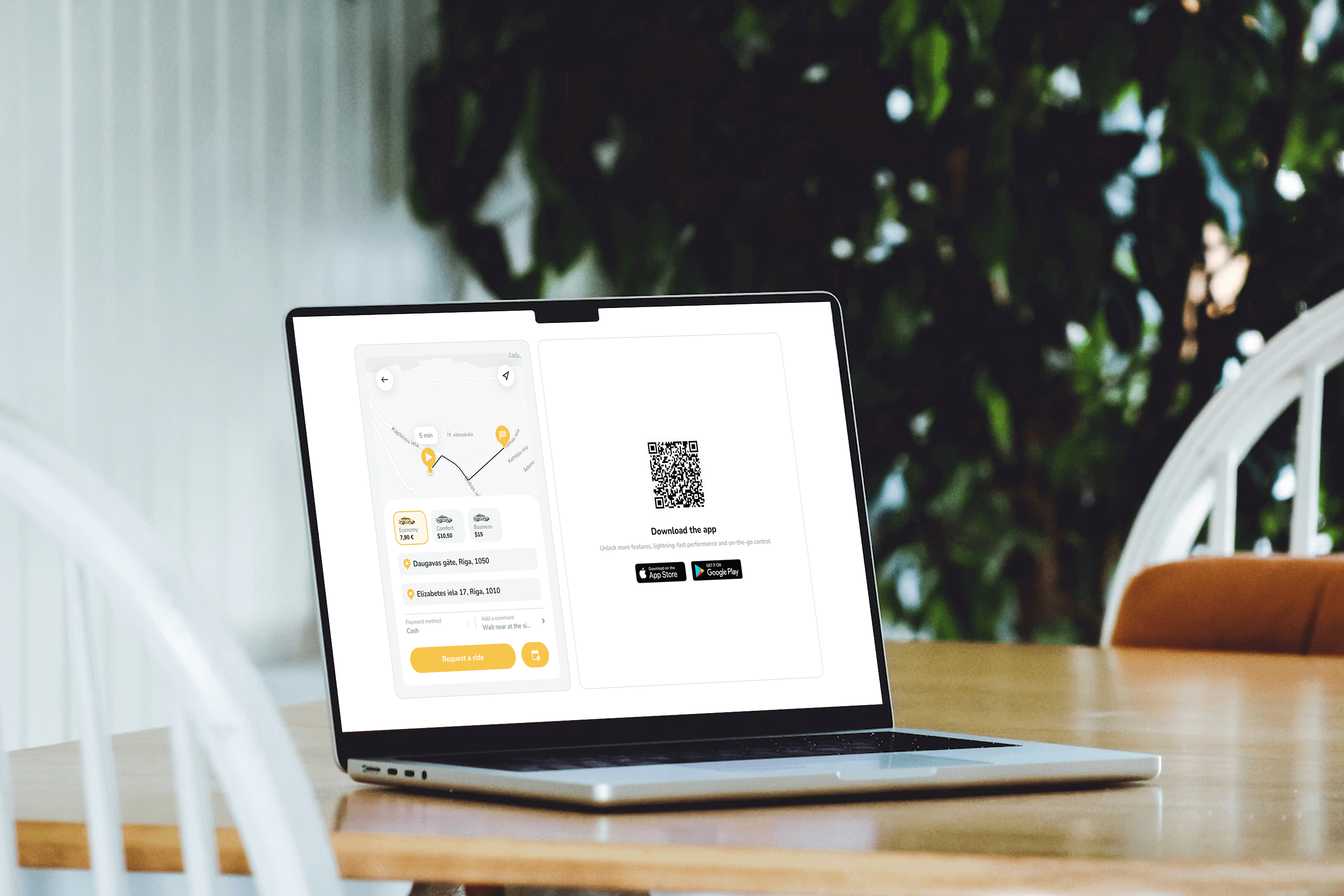
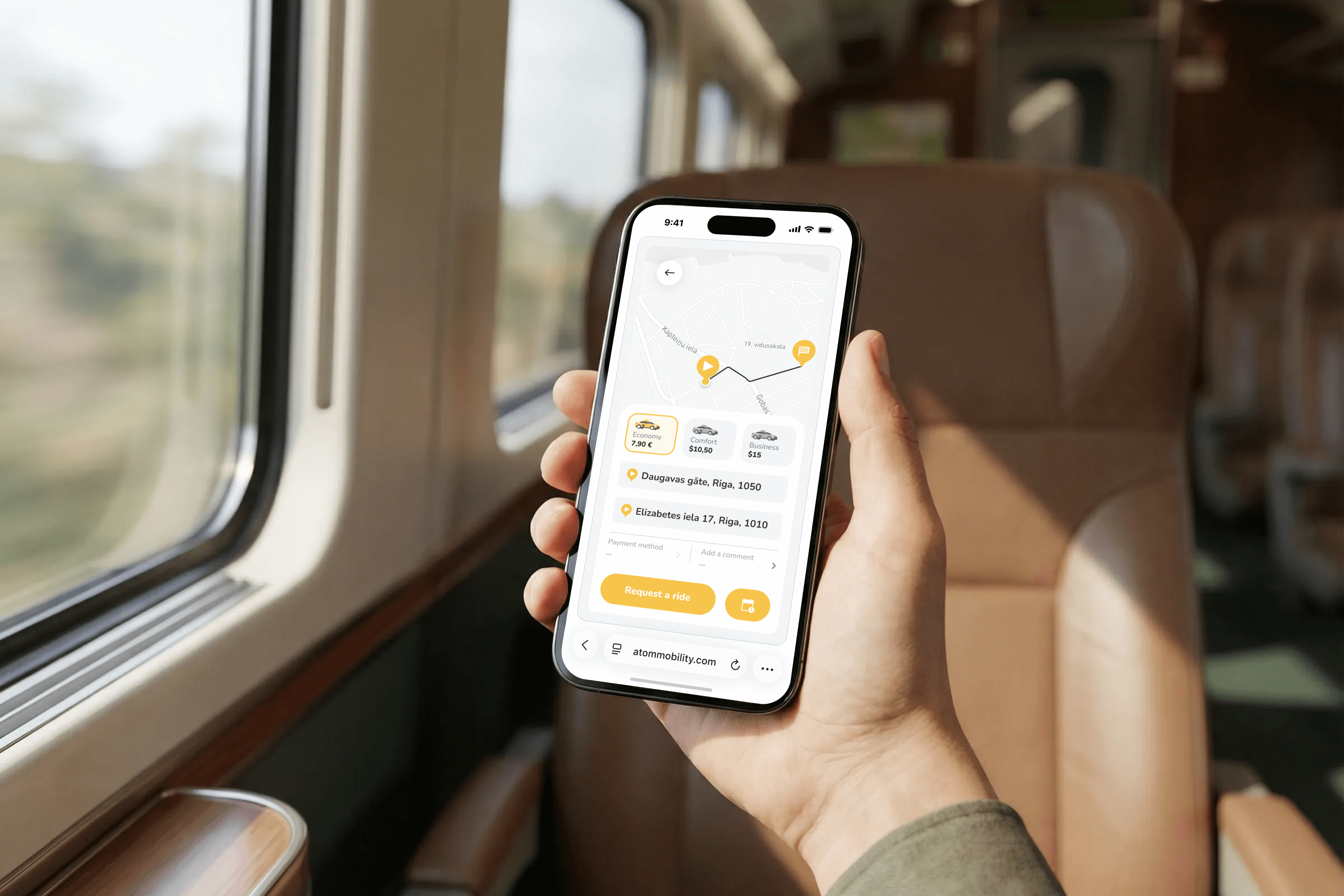
🚕 Web-booker is a lightweight ride-hail widget that lets users book rides directly from a website or mobile browser - no app install required. It reduces booking friction, supports hotel and partner demand, and keeps every ride fully synced with the taxi operator’s app and dashboard.
What if ordering a taxi was as easy as booking a room or clicking “Reserve table” on a website?
Meet Web-booker - a lightweight ride-hail booking widget that lets users request a cab directly from a website, without installing or opening the mobile app.
Perfect for hotels, business centers, event venues, airports, and corporate partners.
👉 Live demo: https://app.atommobility.com/taxi-widget
Web-booker is a browser-based ride-hail widget that operators can embed or link to from any website.
The booking happens on the web, but the ride is fully synchronized with the mobile app and operator dashboard.
No redirects. No app-store friction. No lost users.
This keeps fraud low while preserving conversion.
Web-booker addresses one of the most common friction points in ride-hailing: users who need a ride now but are not willing to download an app first. By allowing bookings directly from a website, operators can capture high-intent demand at the exact moment it occurs - whether that is on a hotel website, an event page, or a partner landing page.
At the same time, Web-booker makes partnerships with hotels and venues significantly easier. Instead of complex integrations or manual ordering flows, partners can simply place a button or link and immediately enable ride ordering for their guests. Importantly, this approach does not block long-term app growth. The booking flow still promotes the mobile app through QR codes and store links, allowing operators to convert web users into app users over time - without forcing the install upfront.
Web-booker is not designed to replace the mobile app. It extends the acquisition funnel by adding a low-friction entry point, while keeping all bookings fully synchronized with the operator’s app and dashboard.
👉 Try the demo
https://app.atommobility.com/taxi-widget
Want to explore a ride-hail or taxi solution for your business - or migrate to a more flexible platform? Visit: https://www.atommobility.com/products/ride-hailing
Credenziali demo dell'app Driver - Email: test@atom.com, Password: autista

