¿Cómo puede ayudar el uso compartido del automóvil a salvar el planeta? (bonificación: reseña de las aplicaciones para compartir vehículos más populares)
September 27, 2021
lectura mínima


Los cambios climáticos de este verano nos han advertido como nunca antes. Emisiones de gases de efecto invernadero (GEI) de El transporte representa alrededor del 29 por ciento de las emisiones totales de gases de efecto invernadero de EE. UU., lo que lo convierte en el mayor contribuyente a las emisiones de GEI de EE. UU. No es fácil rechazar la comodidad que brinda tener un automóvil. Sin embargo, hoy en día tienes la opción de compartir coches y usarlos solo cuando sea necesario.
A primera vista, tener un automóvil parece conveniente y, de hecho, lo es en términos de conducción. Pero también significa costos constantes y la pérdida de valor de su propiedad, su vehículo. Los expertos dicen que un automóvil pierde entre 15% y 20% de su valor cada año.
¿Qué más pagan los propietarios de automóviles? Hay que hacer inversiones constantes en reparaciones y mantenimiento, por ejemplo, al lavar el coche o al cambiar el aceite y llenarlo de gasolina, o al cargarlo en el caso de un vehículo eléctrico. Además, los ajustes a las condiciones climáticas son obligatorios, por ejemplo, cambiar los neumáticos antes de las temporadas de invierno y verano. El coche debe estar asegurado mientras circule y tú también debes cubrir los gastos de aparcamiento, sin mencionar el hecho de que tienes que tener lugares para aparcar tu coche a los que puedas llegar fácilmente desde casa, así como desde la oficina.
Puede evitar todos esos problemas al elegir una opción de viaje compartido: su automóvil siempre estará lleno de gasolina o cargado, limpio y con el equipo que se ajuste a la temporada. Sin costes adicionales: simplemente paga tu viaje y deja el coche donde más te convenga. Además, si necesitas un coche más grande para viajar con toda la familia, ¡puedes tenerlo! Simplemente elige un SUV más cercano a ti con la opción de uso compartido. Y paga menos por un auto pequeño si viajas solo.
Compartir el automóvil también es más conveniente que alquilar un automóvil. Alquilar invariablemente significa planificar, programar y llegar al estacionamiento para los autos alquilados. El alquiler a veces también implica costos ocultos. Compartir el coche es más fácil: si el coche no está disponible en este momento en el lugar más cercano a tu ubicación, busca en la aplicación y seguro que encontrarás un lugar donde haya un coche disponible cerca de ti.
Casi el 90% de los estadounidenses tienen automóviles. Desafortunadamente, esto significa no solo una comodidad para los propietarios de automóviles, sino también atascos y contaminación. Y según The Guardian, esta cantidad de automóviles le cuesta a la economía 124 mil millones de dólares. Por lo tanto, el uso compartido del automóvil se ha considerado un verdadero punto de inflexión. Según un estudio de Berkeley, un automóvil para compartir puede reemplazar de 7 a 11 vehículos de propiedad privada. Por lo tanto, las ciudades pueden volverse más ecológicas no solo en el contexto de la reducción de los niveles de contaminación del aire, sino también de una reducción significativa de los estacionamientos. Además, esto se traduce en un menor desgaste de las carreteras, ya que hay menos coches circulando por las calles.
Vale, pero ¿cuál es la verdadera ventaja cuando todavía hay muchos coches en la calle? ¿Cómo ayuda esto realmente a salvar el planeta? Pues bien, con el uso compartido del coche seguirá habiendo menos coches en las calles y en el tráfico. Los proveedores de vehículos compartidos están pensando en sus negocios para elegir siempre los coches más eficientes en cuanto al consumo de combustible. Siempre que sea posible, los coches eléctricos se incluirán en su flota. Los coches eléctricos tienen cero emisiones. Además, habrá más coches pequeños disponibles, ya que las personas que conducen solas no necesitan coches grandes o que consuman mucho combustible. Esto significa menos contaminación del aire. Y el aire también está menos contaminado durante el proceso de fabricación porque Una quinta parte de las emisiones emitidas durante la vida útil de un automóvil provienen de su producción. Esta cantidad es aún menor en el caso de los coches eléctricos, ya que ellos mismos son más pequeños, por lo que provocan menos emisiones de gases de efecto invernadero en la producción.
Por supuesto, también hay algunas desventajas de cambiar al coche compartido. Por ejemplo, los fabricantes no pueden conformarse con una menor demanda. Muchos trabajadores de fábricas y sus familias dependen de la demanda y los ingresos de la producción de automóviles. Además, un menor número de usuarios del transporte público significa menos ingresos para las empresas de transporte público.
Todavía hay muchas luchas por negocio de vehículos compartidos propietarios. Por ejemplo, los expertos enfatizan que compartir el automóvil es beneficioso solo en áreas con la densidad de población adecuada. En otras palabras, debe haber una demanda del servicio. El mayor desafío del negocio de vehículos compartidos es sobrevivir en pequeñas aldeas donde la gente suele viajar grandes distancias para ir a trabajar y donde les resulta más cómodo, y probablemente incluso más barato, tener sus propios coches.
El otro tema que vale la pena mencionar, que es un desafío al que se enfrentan las grandes ciudades, son los estacionamientos. Debería haber suficientes espacios libres en la ciudad para aparcar coches. Especialmente en áreas de alta densidad. Si esta posibilidad no está disponible y los usuarios tienen que recorrer largas distancias desde el estacionamiento hasta la oficina o la casa, los usuarios pronto perderán interés en el servicio.
¿Qué otros obstáculos deben considerar los propietarios de negocios de vehículos compartidos? La demanda de vehículos compartidos no es constante. Hay horas punta que son difíciles de gestionar debido a la cantidad limitada de vehículos, mientras que los usuarios se molestan fácilmente si un automóvil no está disponible cuando lo necesitan. Además, la gente quiere usar el coche compartido en una zona geográfica lo más amplia posible. Esto crea desafíos para los propietarios de empresas de vehículos compartidos, ya que debería haber suficientes usuarios en todas partes que estén dispuestos a utilizar el servicio.
Calificación de la App Store: 4.8/5
Calificación de Google Play: 4.4/5
No hay cuota mensual ni de membresía: los usuarios pagan mientras usan el servicio. Las tarifas dependen del vehículo y de la ubicación, y la gasolina está incluida en el precio, por lo que no es necesario repostar. Hay un límite de 24 horas en el tiempo de alquiler o la opción de seleccionar el paquete de viaje mientras se indica la duración del viaje. No se requieren reservas: recoja y deje el vehículo en cualquier lugar del área de operación.
Calificación de la App Store: 4.5/5
Calificación de Google Play: 3.8/5
Zipcar cobra 7 dólares al mes o una cuota de membresía de 70 dólares al año. También hay una cuota de solicitud única de 25 dólares. El servicio de coche compartido cuesta 10 dólares por hora o 82 dólares por día. Es posible alquilar un coche por horas o días, pero hay algunos planes disponibles. Los precios varían según la ubicación. La gasolina, el seguro y las 180 millas están incluidos en el precio.
Calificación de la App Store: 4.7/5
Calificación de Google Play: 3.7/5
Esta aplicación tiene una tarifa de hardware de 99$. Después de tres meses, se aplica una cuota de suscripción de 20 dólares al mes. Las tarifas de alquiler diarias pueden oscilar entre 20 y 80 dólares, según la calidad del vehículo, y el seguro está incluido en el precio. Hay una variedad de automóviles, furgonetas y camiones de propiedad privada disponibles. Es posible alquilarlos por día o por horas. Los conductores pagan la gasolina y reemplazan la que han usado.
Calificación de la App Store: 4.8/5
Calificación de Google Play: 4.9/5
Los coches están disponibles en la aplicación entre 20 y 100 dólares, según la calidad del vehículo, y solo es posible alquilarlos por días. Cuenta con vehículos clásicos y especiales. Los conductores pagan la gasolina y deben reemplazar la que han usado. Los automóviles también se pueden entregar en un lugar si es necesario.
Puedes participar en el negocio de vehículos compartidos como usuario y como propietario de un negocio de vehículos compartidos. Si quieres crear tu propia plataforma, esto es lo que tienes que considerar y tener en cuenta.
Haga clic a continuación para obtener más información o solicitar una demostración.

The micromobility industry doesn’t need another generic mobility conference. 🚫🎤 It needs real conversations between operators who are actually in the field. ⚙️ That’s exactly what ATOM Connect 2026 is built for. 🎯🤝
The shared mobility industry is evolving rapidly. Operators are navigating scaling challenges, regulatory complexity, hardware decisions, fleet optimization, and new integration models, all while aiming for sustainable growth.
That’s exactly why ATOM Mobility is organizing ATOM Connect 2026.
Our previous edition of ATOM Connect brought together professionals from the car sharing and rental industry for focused, high-quality discussions and networking. This year, we are narrowing the focus and dedicating the entire event to one fast-moving segment of the industry: shared micromobility.
ATOM Connect 2026 is designed specifically for operators, partners, and decision-makers working in shared micromobility. It is not a broad mobility conference or a public exhibition. It is a curated space for industry professionals to exchange practical experience, insights, and lessons learned.
On May 14th, 2026 in Riga, we will once again bring the community together, this time with a clear focus on micromobility.
This year’s agenda will address the real operational and strategic questions shaping shared micromobility today:
As usual, we aim to host both local and international operators from smaller, fast-growing fleets to established large-scale players alongside hardware providers and ecosystem partners.
On stage, you’ll hear from leading shared mobility companies - including Segway on hardware partnerships, Umob on MaaS integration, Anadue on data-driven fleet intelligence, Elerent on multi-vehicle operational realities and more insightful discussions.
The goal is simple: meaningful discussions with people who understand the operational realities of the industry.
ATOM Connect is free to attend, but participation is industry-focused (each submission is manually reviewed and verified). We are intentionally keeping the audience relevant and aligned to ensure high-quality conversations and valuable networking.
If you work in shared micromobility and would like to join the event, you can find the full agenda and register here:
👉 https://www.atommobility.com/atom-connect-2026
In the coming weeks, we will be revealing more speakers and additional agenda updates. We look forward to bringing the industry together again.
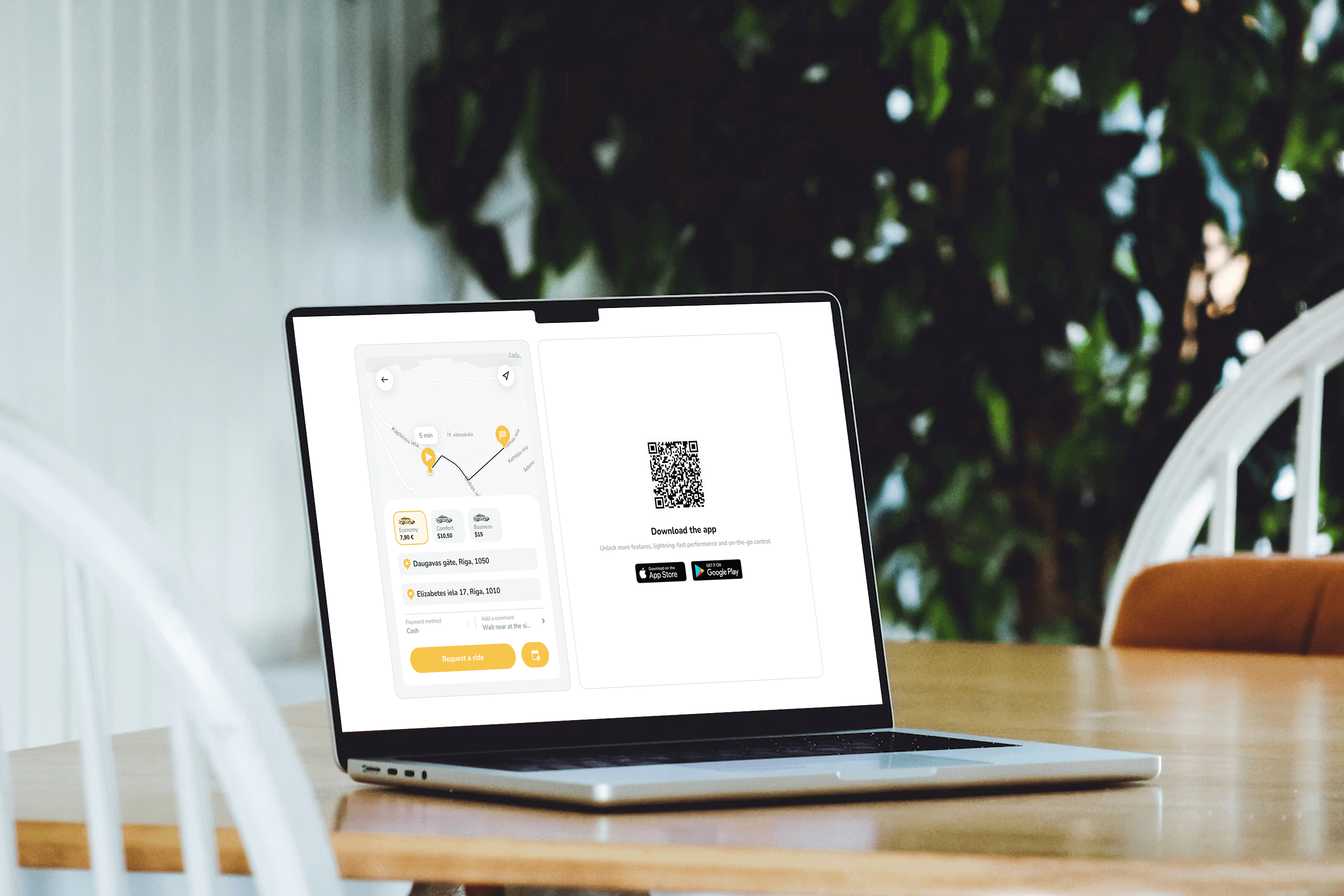
🚕 Web-booker is a lightweight ride-hail widget that lets users book rides directly from a website or mobile browser - no app install required. It reduces booking friction, supports hotel and partner demand, and keeps every ride fully synced with the taxi operator’s app and dashboard.
What if ordering a taxi was as easy as booking a room or clicking “Reserve table” on a website?
Meet Web-booker - a lightweight ride-hail booking widget that lets users request a cab directly from a website, without installing or opening the mobile app.
Perfect for hotels, business centers, event venues, airports, and corporate partners.
👉 Live demo: https://app.atommobility.com/taxi-widget
Web-booker is a browser-based ride-hail widget that operators can embed or link to from any website.
The booking happens on the web, but the ride is fully synchronized with the mobile app and operator dashboard.
No redirects. No app-store friction. No lost users.
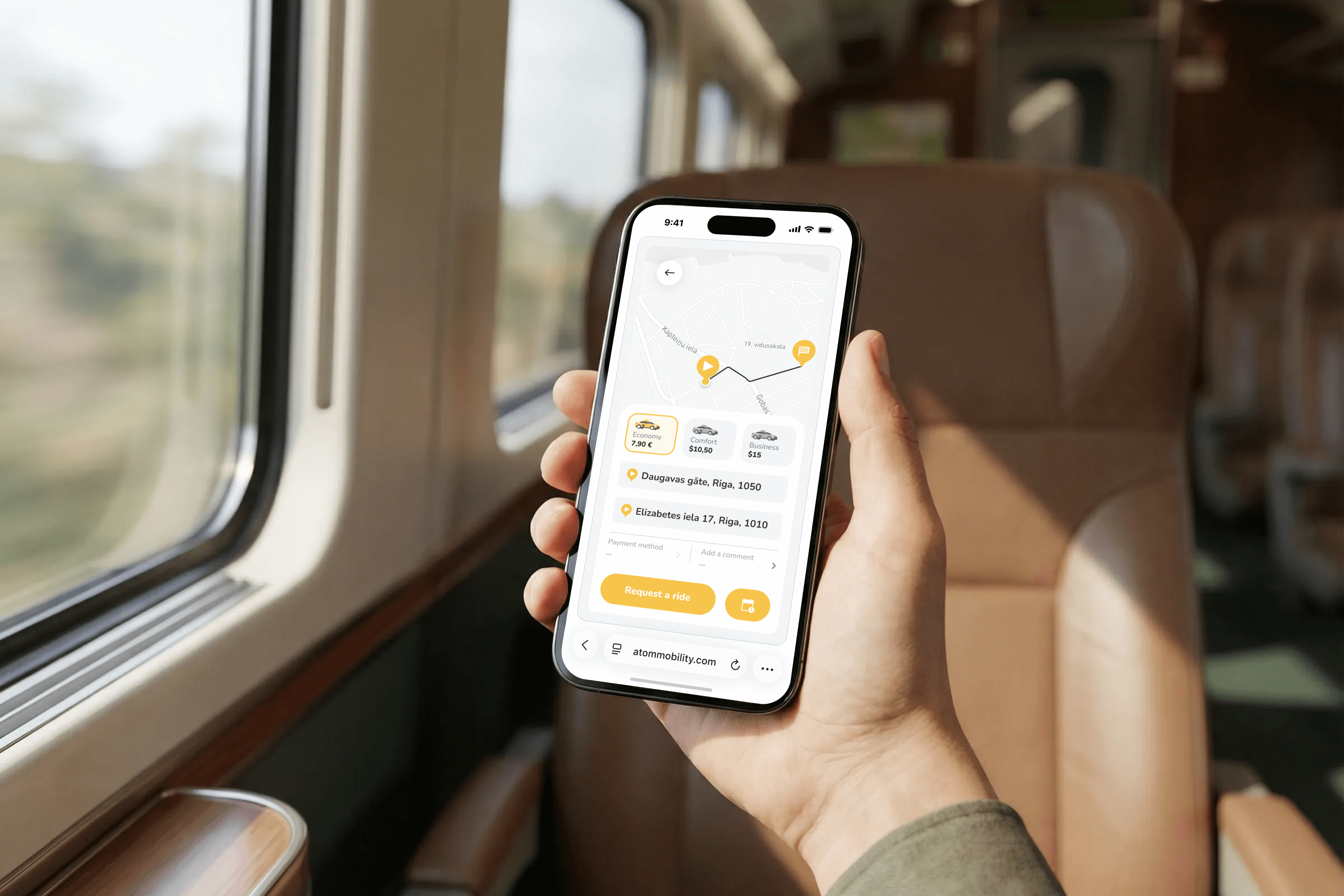
This keeps fraud low while preserving conversion.
Web-booker addresses one of the most common friction points in ride-hailing: users who need a ride now but are not willing to download an app first. By allowing bookings directly from a website, operators can capture high-intent demand at the exact moment it occurs - whether that is on a hotel website, an event page, or a partner landing page.
At the same time, Web-booker makes partnerships with hotels and venues significantly easier. Instead of complex integrations or manual ordering flows, partners can simply place a button or link and immediately enable ride ordering for their guests. Importantly, this approach does not block long-term app growth. The booking flow still promotes the mobile app through QR codes and store links, allowing operators to convert web users into app users over time - without forcing the install upfront.
Web-booker is not designed to replace the mobile app. It extends the acquisition funnel by adding a low-friction entry point, while keeping all bookings fully synchronized with the operator’s app and dashboard.
👉 Try the demo
https://app.atommobility.com/taxi-widget
Want to explore a ride-hail or taxi solution for your business - or migrate to a more flexible platform? Visit: https://www.atommobility.com/products/ride-hailing
Credenciales de demostración de Driver App - Correo electrónico: test@atom.com, contraseña: conductor

