In che modo il car sharing può aiutare a salvare il pianeta? (bonus: recensione delle app di car sharing più popolari)
September 27, 2021
lettura minima


I cambiamenti climatici di quest'estate ci hanno messo in guardia come mai prima d'ora. Emissioni di gas a effetto serra (GHG) da i trasporti rappresentano da soli circa il 29% delle emissioni totali di gas serra degli Stati Uniti, rendendolo il maggior contributore delle emissioni di gas serra negli Stati Uniti. Non è facile rifiutare il comfort che offre la proprietà di un'auto. Tuttavia, al giorno d'oggi hai la possibilità di condividere le auto e utilizzarle solo quando necessario.
A prima vista, possedere un'auto sembra conveniente, e in effetti lo è in termini di guida. Ma significa anche costi costanti e perdita di valore della tua proprietà, il tuo veicolo. Gli esperti dicono che un'auto perde tra 15% e 20% del suo valore ogni anno.
Cos'altro pagano i proprietari di auto? È necessario investire costantemente in riparazioni e manutenzione, ad esempio per il lavaggio dell'auto o il cambio dell'olio e il rifornimento di gas o la ricarica nel caso di un veicolo elettrico. Inoltre, sono obbligatori gli adeguamenti alle condizioni meteorologiche, ad esempio il cambio degli pneumatici prima delle stagioni invernali ed estive. L'auto dovrebbe essere assicurata durante il traffico e dovresti coprire anche i costi di parcheggio, senza contare che devi disporre di posti dove parcheggiare l'auto che possano essere facilmente raggiunti da casa e dall'ufficio.
Puoi evitare tutti questi problemi scegliendo un'opzione di ride-sharing: la tua auto sarà sempre piena di benzina o carica, pulita e con l'equipaggiamento adeguato alla stagione. Nessun costo aggiuntivo: basta pagare la corsa e lasciare l'auto dove è più comodo per te. Inoltre, se hai bisogno di un'auto più grande per viaggiare con tutta la famiglia, puoi averla! Basta scegliere un SUV più vicino a te con l'opzione di car sharing. E paghi meno per un'auto piccola se viaggi da solo.
Il car sharing è anche più conveniente rispetto al noleggio di un'auto. Noleggiare significa invariabilmente pianificare, programmare e raggiungere il parcheggio per le auto a noleggio. Il noleggio a volte comporta anche costi nascosti. Il car sharing è più semplice: se l'auto non è disponibile al momento nel punto più vicino a te, guardati intorno nell'app e troverai sicuramente un posto dove trovare un'auto disponibile vicino a te.
Quasi il 90% degli americani possiede auto. Sfortunatamente, ciò significa non solo una comodità per i proprietari di auto, ma anche ingorghi e inquinamento. E secondo The Guardian, questa quantità di auto costa all'economia 124 miliardi di dollari. Quindi il car sharing è stato visto come un vero punto di svolta. Secondo uno studio di Berkeley, un'auto da condividere può sostituire da 7 a 11 veicoli di proprietà privata. In questo modo le città possono diventare più verdi non solo nel contesto di livelli ridotti di inquinamento atmosferico, ma anche di una riduzione significativa dei parcheggi. Inoltre, ciò si traduce in una minore usura sulle strade, in quanto sulle strade circolano meno automobili.
Bene, ma qual è il vero vantaggio, quando ci sono ancora molte macchine per strada? In che modo questo aiuta effettivamente a salvare il pianeta? Bene, con il car sharing ci saranno ancora meno auto sulle strade e nel traffico. I fornitori di servizi di car sharing stanno pensando alla loro attività, quindi sceglieranno sempre le auto più efficienti in termini di consumo di carburante. Ove possibile, le auto elettriche saranno incluse nella loro flotta. Le auto elettriche hanno zero emissioni. Inoltre, saranno disponibili più auto piccole poiché le persone che guidano da sole non hanno bisogno di auto grandi o che consumano molto carburante. Ciò significa meno inquinamento atmosferico. E l'aria è anche meno inquinata durante il processo di produzione perché 1/5 delle emissioni rilasciate nel corso della vita di un'auto proviene dalla sua produzione. Questa quantità è ancora più piccola con le auto elettriche in quanto sono esse stesse più piccole, quindi causano meno emissioni di gas serra durante la produzione.
Naturalmente, ci sono anche alcuni aspetti negativi nel passare al car sharing. Ad esempio, i produttori non possono accontentarsi di una domanda inferiore. Molti operai e le loro famiglie dipendono dalla domanda e dal reddito derivanti dalla produzione di automobili. Inoltre, un minor numero di utenti del trasporto pubblico significa minori entrate per le aziende di trasporto pubblico.
Ci sono ancora molte lotte per attività di car sharing proprietari. Ad esempio, gli esperti sottolineano che il car sharing è utile solo nelle aree con un'adeguata densità di popolazione. In altre parole, dovrebbe esserci una richiesta per il servizio. La sfida più grande del settore del car sharing è sopravvivere nei piccoli villaggi dove le persone di solito percorrono grandi distanze per andare al lavoro ed è più comodo e probabilmente anche più economico per loro avere la propria auto.
L'altra questione che vale la pena menzionare, che è una sfida affrontata dalle grandi città, sono i parcheggi. In città dovrebbero esserci abbastanza spazi liberi per parcheggiare le auto. Soprattutto nelle aree ad alta densità. Se questa possibilità non è disponibile e gli utenti devono percorrere lunghe distanze dal parcheggio all'ufficio o alla casa, gli utenti perderanno presto interesse per il servizio.
Quali altri ostacoli dovrebbero prendere in considerazione i titolari di attività di car sharing? La domanda di auto tramite condivisione non è costante. Ci sono ore di punta difficili da gestire a causa del numero limitato di veicoli, mentre gli utenti si arrabbiano facilmente se un'auto non è disponibile quando ne hanno bisogno. Inoltre, le persone vogliono utilizzare il car sharing in un'area geografica più ampia possibile. Ciò crea delle sfide per i titolari di attività di car sharing, in quanto dovrebbe esserci un numero sufficiente di utenti in tutto il mondo disposti a utilizzare il servizio.
Valutazione App Store: 4.8/5
Valutazione Google Play: 4.4/5
Non è prevista alcuna quota mensile o associativa: gli utenti pagano durante l'utilizzo del servizio. Le tariffe dipendono dal veicolo e dalla posizione e il gas è incluso nel prezzo, quindi non è necessario fare rifornimento. C'è un limite di 24 ore per la durata del noleggio o la possibilità di selezionare il pacchetto di viaggio indicando la durata del viaggio. Non è richiesta la prenotazione: ritiro e riconsegna del veicolo ovunque all'interno dell'area operativa.
Valutazione App Store: 4.5/5
Valutazione Google Play: 3.8/5
Zipcar addebita $7 al mese o una quota associativa di $70 all'anno. È inoltre prevista una quota di iscrizione una tantum di 25 dollari. Il servizio di car sharing costa $10 all'ora o $82 al giorno. È possibile noleggiare un'auto per ore o giorni, tuttavia sono disponibili alcuni piani. I prezzi variano a seconda della località. Benzina, assicurazione e 180 miglia sono inclusi nel prezzo.
Valutazione App Store: 4.7/5
Valutazione Google Play: 3.7/5
Questa app ha un costo hardware di $99. Dopo tre mesi, entra in vigore un canone di abbonamento di 20 dollari al mese. Le tariffe di noleggio giornaliere possono variare da $20 a $80 a seconda della qualità del veicolo e l'assicurazione è inclusa nel prezzo. Sono disponibili una varietà di auto, furgoni e camion di proprietà privata. È possibile noleggiarli per giorno o per ore. Gli autisti pagano la benzina e sostituiscono ciò che hanno usato.
Valutazione App Store: 4.8/5
Valutazione Google Play: 4.9/5
Le auto sono disponibili sull'app da $20 a $100 a seconda della qualità del veicolo e sono possibili solo noleggi giornalieri. Dispone di veicoli classici e speciali. I conducenti pagano la benzina e devono sostituire ciò che hanno usato. Le auto possono anche essere consegnate in un luogo, se necessario.
Puoi partecipare all'attività di car sharing sia come utente che come titolare di un'attività di car sharing. Se vuoi creare la tua piattaforma, questo è ciò che devi considerare e tenere a mente.
Fai clic qui sotto per saperne di più o richiedere una demo.

The micromobility industry doesn’t need another generic mobility conference. 🚫🎤 It needs real conversations between operators who are actually in the field. ⚙️ That’s exactly what ATOM Connect 2026 is built for. 🎯🤝
The shared mobility industry is evolving rapidly. Operators are navigating scaling challenges, regulatory complexity, hardware decisions, fleet optimization, and new integration models, all while aiming for sustainable growth.
That’s exactly why ATOM Mobility is organizing ATOM Connect 2026.
Our previous edition of ATOM Connect brought together professionals from the car sharing and rental industry for focused, high-quality discussions and networking. This year, we are narrowing the focus and dedicating the entire event to one fast-moving segment of the industry: shared micromobility.
ATOM Connect 2026 is designed specifically for operators, partners, and decision-makers working in shared micromobility. It is not a broad mobility conference or a public exhibition. It is a curated space for industry professionals to exchange practical experience, insights, and lessons learned.
On May 14th, 2026 in Riga, we will once again bring the community together, this time with a clear focus on micromobility.
This year’s agenda will address the real operational and strategic questions shaping shared micromobility today:
As usual, we aim to host both local and international operators from smaller, fast-growing fleets to established large-scale players alongside hardware providers and ecosystem partners.
On stage, you’ll hear from leading shared mobility companies - including Segway on hardware partnerships, Umob on MaaS integration, Anadue on data-driven fleet intelligence, Elerent on multi-vehicle operational realities and more insightful discussions.
The goal is simple: meaningful discussions with people who understand the operational realities of the industry.
ATOM Connect is free to attend, but participation is industry-focused (each submission is manually reviewed and verified). We are intentionally keeping the audience relevant and aligned to ensure high-quality conversations and valuable networking.
If you work in shared micromobility and would like to join the event, you can find the full agenda and register here:
👉 https://www.atommobility.com/atom-connect-2026
In the coming weeks, we will be revealing more speakers and additional agenda updates. We look forward to bringing the industry together again.
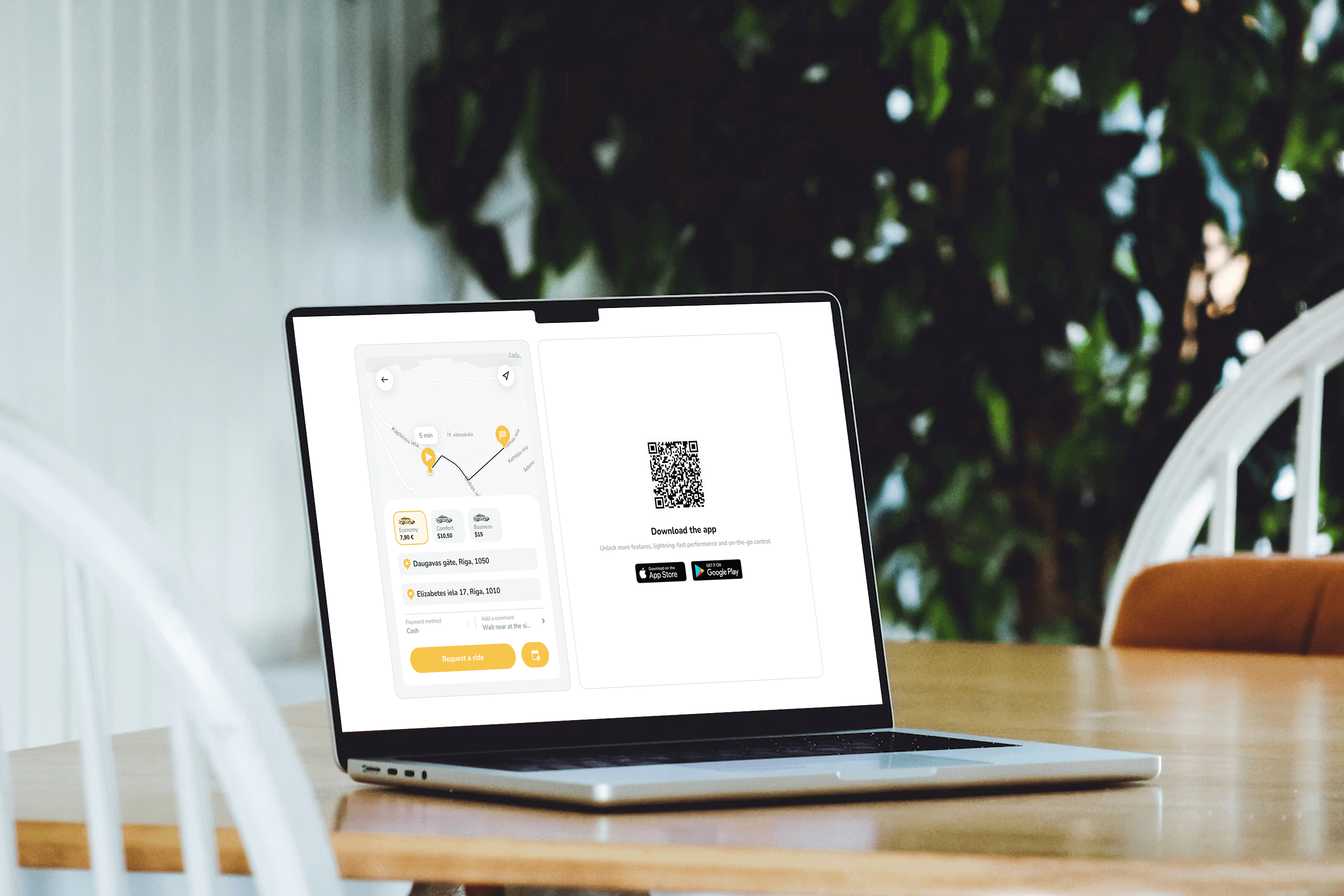
🚕 Web-booker is a lightweight ride-hail widget that lets users book rides directly from a website or mobile browser - no app install required. It reduces booking friction, supports hotel and partner demand, and keeps every ride fully synced with the taxi operator’s app and dashboard.
What if ordering a taxi was as easy as booking a room or clicking “Reserve table” on a website?
Meet Web-booker - a lightweight ride-hail booking widget that lets users request a cab directly from a website, without installing or opening the mobile app.
Perfect for hotels, business centers, event venues, airports, and corporate partners.
👉 Live demo: https://app.atommobility.com/taxi-widget
Web-booker is a browser-based ride-hail widget that operators can embed or link to from any website.
The booking happens on the web, but the ride is fully synchronized with the mobile app and operator dashboard.
No redirects. No app-store friction. No lost users.
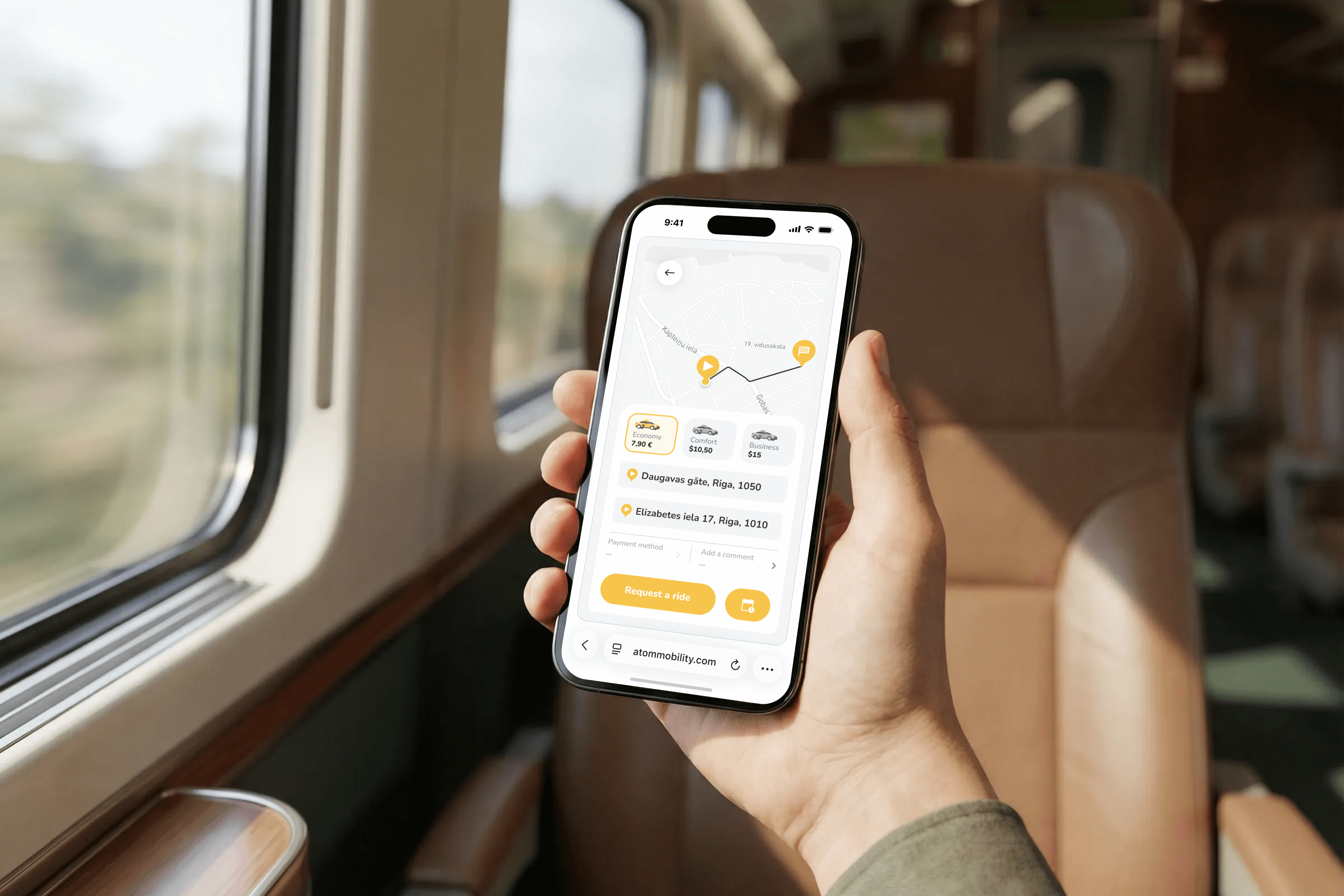
This keeps fraud low while preserving conversion.
Web-booker addresses one of the most common friction points in ride-hailing: users who need a ride now but are not willing to download an app first. By allowing bookings directly from a website, operators can capture high-intent demand at the exact moment it occurs - whether that is on a hotel website, an event page, or a partner landing page.
At the same time, Web-booker makes partnerships with hotels and venues significantly easier. Instead of complex integrations or manual ordering flows, partners can simply place a button or link and immediately enable ride ordering for their guests. Importantly, this approach does not block long-term app growth. The booking flow still promotes the mobile app through QR codes and store links, allowing operators to convert web users into app users over time - without forcing the install upfront.
Web-booker is not designed to replace the mobile app. It extends the acquisition funnel by adding a low-friction entry point, while keeping all bookings fully synchronized with the operator’s app and dashboard.
👉 Try the demo
https://app.atommobility.com/taxi-widget
Want to explore a ride-hail or taxi solution for your business - or migrate to a more flexible platform? Visit: https://www.atommobility.com/products/ride-hailing
Credenziali demo dell'app Driver - Email: test@atom.com, Password: autista

