La facturación en el negocio de la micromovilidad ahora es sencilla
December 20, 2021
lectura mínima


Hacer negocios de micromovilidad significa hacer negocios con cientos de miles de clientes. Por otro lado, expandirse a nuevos mercados significa que su empresa debe cumplir con una gran cantidad de normativas diferentes. Y esto no solo en términos de micromovilidad, sino también, por ejemplo, de contabilidad. Sin embargo, es posible que esto no sea tan complicado como parece, siempre que elija al socio adecuado. ¿Y Facturas espaciales podría ser el socio a elegir al considerar la facturación centralizada.
»Nuestro negocio no es atractivo en sí mismo y entendemos que la facturación nunca será interesante. Sin embargo, estamos interesados en idear soluciones que sean útiles para nuestros clientes. Cuanto menos le importe la facturación, mejor haremos nuestro trabajo», afirma el director ejecutivo de Space Invoices, Boštjan Pišler. Con su solución de API, la empresa ayuda a los desarrolladores a centrarse en crear software en lugar de ocuparse de los cálculos financieros y la legislación de facturación.
Space Invoices tiene dos enfoques para su modelo de negocio. Cuando el cliente es una empresa con varios inquilinos, la empresa cobra por cada cliente. Sin embargo, si el cliente tiene un gran volumen de facturas que se emiten mensualmente, se agrega una pequeña tarifa por cada factura creada. Boštjan afirma que, aunque la empresa trabaja con un número reducido de clientes, su servicio es utilizado actualmente por unas 8.000 empresas de toda Europa y Australia. También planea lanzarlo en Brasil y México en un futuro próximo, así como agregar soporte para los países de América del Norte. Actualmente, los documentos se pueden enviar en 14 idiomas diferentes. »Como proveedor de software, debemos asegurarnos, al hacer negocios en todos esos países diferentes, de que también enviamos facturas al gobierno si es necesario. Y es importante que las empresas que operan en estos países cuenten con un proveedor de servicios que cumpla con todos los requisitos gubernamentales.» Según Boštjan, «lo hacemos».
Crea una API que se convierte en un negocio exitoso
Bostjan desarrolló y utilizó para ejecutar un software clásico de facturación en línea en el mercado local. De aquí proviene la idea de Space Invoices. Aparentemente, se necesitaba una API de facturación fácil de integrar. La agencia de desarrollo de Bostjan usó muchas API diferentes para diferentes partes del software que estaba creando para los clientes».Hemos conseguido crear una API de facturación realmente buena para los desarrolladores. Se me ocurrió la idea de crear Space Invoices, que podría ser una solución, donde ya hubiera una API y los desarrolladores pudieran implementarla en el software para crear facturas fácilmente con un par de líneas de código. Ahora tenemos un enfoque de la API basado en varios usuarios. Si comparamos esto con las soluciones tradicionales, que en su mayoría se limitan a añadir API a la funcionalidad de facturación, reconstruimos todo el sistema para que sea compatible con un enfoque multiusuario, pensando en los desarrolladores y dando prioridad a las API.»
Así es como ATOM también usa el sistema. Es sencillo para los usuarios de los servicios de micromovilidad porque solo necesitan proporcionar datos primarios. Posteriormente, ATOM puede crear cuentas automáticamente y vincularlas a empresas. Las facturas también se crean automáticamente. A continuación, corresponde al proveedor del servicio decidir cómo y en qué fase procesará las facturas.
Panel de control y funciones adicionales
¿Qué ve el usuario final en el panel de control del sistema? Depende de la cantidad de datos que la empresa quiera poner a disposición. »Tenemos clientes que no muestran nada a través de los paneles. Pero en el caso de ATOM, tenemos una implementación más complicada. El usuario final ve principalmente las facturas emitidas. Cada factura también está disponible de forma individual, por lo que es fácil averiguar cuál era el precio, cuál era el servicio, etc. Además, es posible descargar otra copia de cada archivo pdf,» revela Boštjan antes de añadir que hay muchas más opciones diferentes disponibles. En este caso, el sistema de ATOM activa la funcionalidad y, a continuación, la API de Space Invoices procesa los datos restantes.
En este caso, la implementación de la pasarela de pago está cubierta por ATOM. Los pagos se procesan antes que la factura en la aplicación. En el caso de un reembolso, ATOM también decide si es necesario emitir una factura con nota de crédito. Por lo tanto, esto también se desencadena. Space Invoices está trabajando actualmente en una solución que permita aceptar pagos a través de la factura: si el cliente opta por no pagar la factura directamente, más adelante recibirá un formulario que le permitirá pagar en línea a través de la factura.
ATOM utiliza el sistema Space Invoices para enviar documentos a sus clientes. »El remitente es nuestra dirección, pero la dirección de correo electrónico para las respuestas es la indicada por ATOM. Tenemos varias plantillas o archivos PDF entre los que elegir. Se pueden editar por color, logotipo, etc. Toda la experiencia de diseño se puede personalizar por completo», dice Boštjan. Space Invoices usa Sendgrid para enviar correos electrónicos. Boštjan explica que tienen una puntuación del 99% de remitentes. Además, el envío de facturas no perjudica su servicio. La mayoría de las veces, el contenido es simple y definitivamente no es promocional, ya que solo contiene un pdf. Space Invoices no tiene ningún informe de spam, ya que los clientes nunca denuncian la factura como correo no deseado.
Soluciones específicas para cada país
La mayoría de los países exigen facturas, aunque la situación puede variar de un país a otro. En Canadá y EE. UU., por ejemplo, los requisitos de facturación son un poco menos estrictos y la factura no es un documento tan importante como lo es en Sudamérica y Europa. Por lo tanto, a veces tienen que aparecer declaraciones específicas en la factura para que el destinatario pueda hacer que este documento sea válido. Siempre que se aplique el IVA, es importante que la empresa receptora pueda deducir correctamente el IVA. Space Invoices también personaliza la presentación de informes a los gobiernos. »Todavía estamos trabajando en ellos y siempre agregamos opciones adicionales. Y, en general, no tenemos muchos clientes, por lo que es posible colaborar estrechamente y adoptar un enfoque individual para resolver diferentes desafíos,» explica Boštjan.
Hable con el equipo de ATOM Mobility para activar la facturación en línea para sus operaciones: support@atommobility.com
Haga clic a continuación para obtener más información o solicitar una demostración.

The micromobility industry doesn’t need another generic mobility conference. 🚫🎤 It needs real conversations between operators who are actually in the field. ⚙️ That’s exactly what ATOM Connect 2026 is built for. 🎯🤝
The shared mobility industry is evolving rapidly. Operators are navigating scaling challenges, regulatory complexity, hardware decisions, fleet optimization, and new integration models, all while aiming for sustainable growth.
That’s exactly why ATOM Mobility is organizing ATOM Connect 2026.
Our previous edition of ATOM Connect brought together professionals from the car sharing and rental industry for focused, high-quality discussions and networking. This year, we are narrowing the focus and dedicating the entire event to one fast-moving segment of the industry: shared micromobility.
ATOM Connect 2026 is designed specifically for operators, partners, and decision-makers working in shared micromobility. It is not a broad mobility conference or a public exhibition. It is a curated space for industry professionals to exchange practical experience, insights, and lessons learned.
On May 14th, 2026 in Riga, we will once again bring the community together, this time with a clear focus on micromobility.
This year’s agenda will address the real operational and strategic questions shaping shared micromobility today:
As usual, we aim to host both local and international operators from smaller, fast-growing fleets to established large-scale players alongside hardware providers and ecosystem partners.
On stage, you’ll hear from leading shared mobility companies - including Segway on hardware partnerships, Umob on MaaS integration, Anadue on data-driven fleet intelligence, Elerent on multi-vehicle operational realities and more insightful discussions.
The goal is simple: meaningful discussions with people who understand the operational realities of the industry.
ATOM Connect is free to attend, but participation is industry-focused (each submission is manually reviewed and verified). We are intentionally keeping the audience relevant and aligned to ensure high-quality conversations and valuable networking.
If you work in shared micromobility and would like to join the event, you can find the full agenda and register here:
👉 https://www.atommobility.com/atom-connect-2026
In the coming weeks, we will be revealing more speakers and additional agenda updates. We look forward to bringing the industry together again.
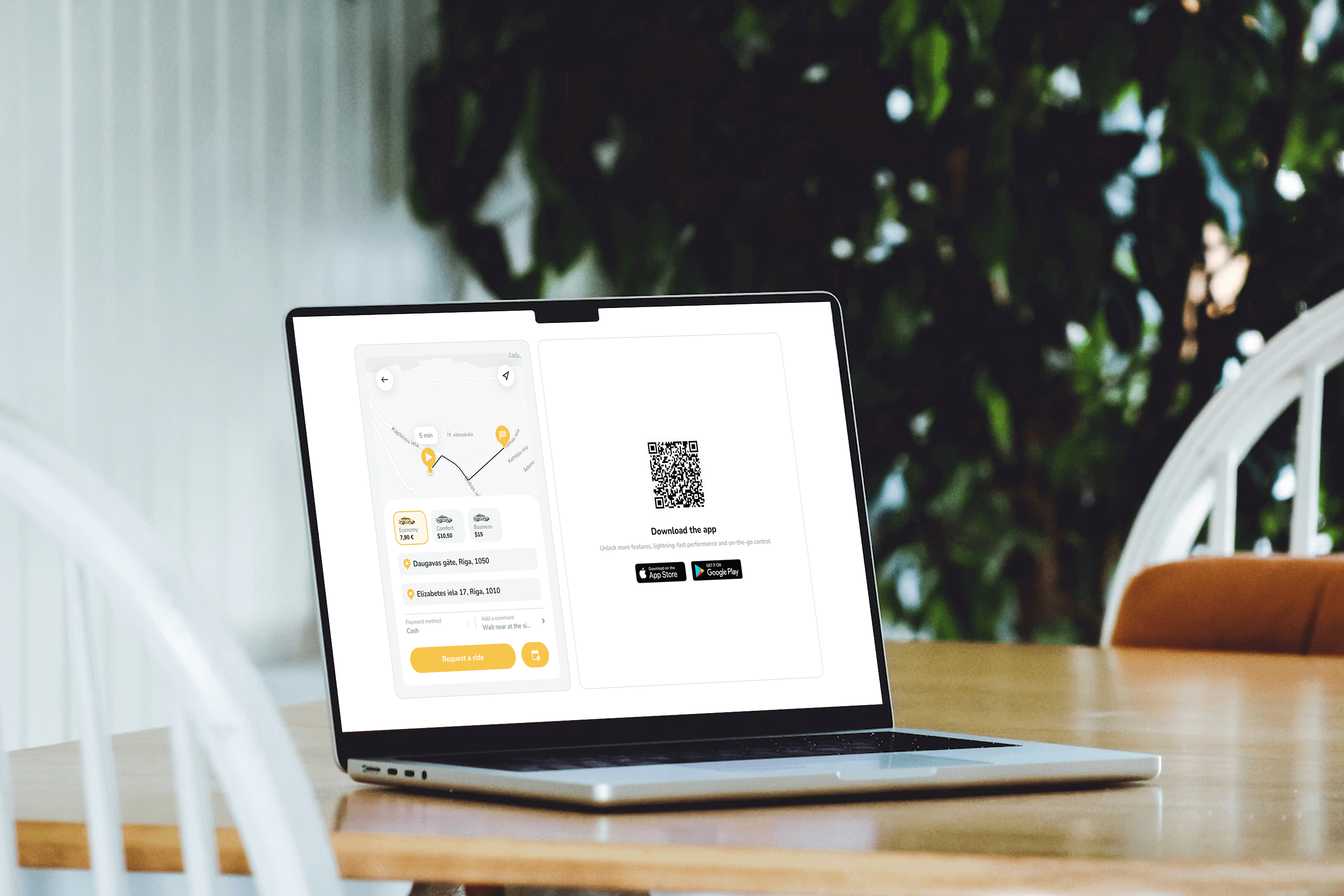
🚕 Web-booker is a lightweight ride-hail widget that lets users book rides directly from a website or mobile browser - no app install required. It reduces booking friction, supports hotel and partner demand, and keeps every ride fully synced with the taxi operator’s app and dashboard.
What if ordering a taxi was as easy as booking a room or clicking “Reserve table” on a website?
Meet Web-booker - a lightweight ride-hail booking widget that lets users request a cab directly from a website, without installing or opening the mobile app.
Perfect for hotels, business centers, event venues, airports, and corporate partners.
👉 Live demo: https://app.atommobility.com/taxi-widget
Web-booker is a browser-based ride-hail widget that operators can embed or link to from any website.
The booking happens on the web, but the ride is fully synchronized with the mobile app and operator dashboard.
No redirects. No app-store friction. No lost users.
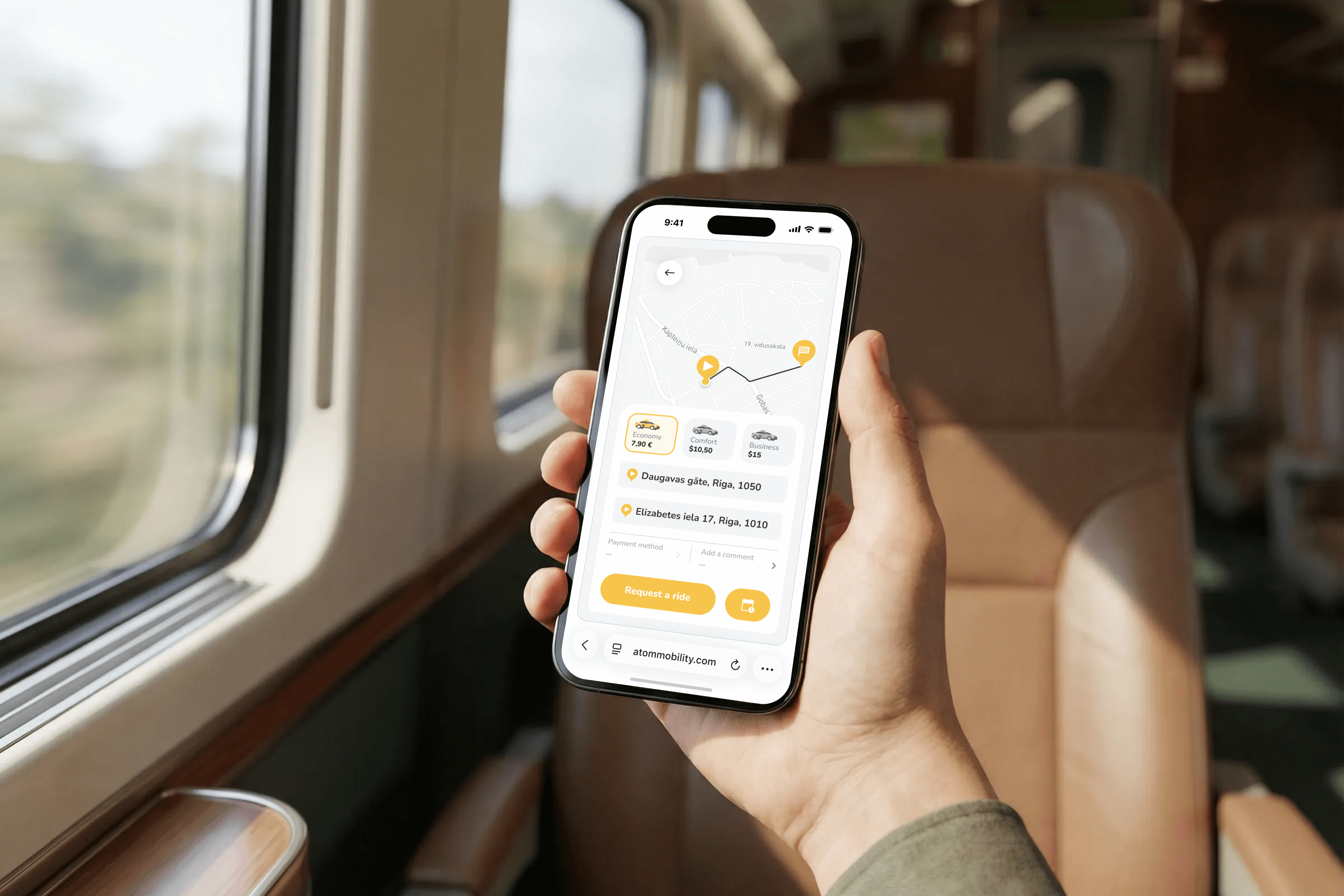
This keeps fraud low while preserving conversion.
Web-booker addresses one of the most common friction points in ride-hailing: users who need a ride now but are not willing to download an app first. By allowing bookings directly from a website, operators can capture high-intent demand at the exact moment it occurs - whether that is on a hotel website, an event page, or a partner landing page.
At the same time, Web-booker makes partnerships with hotels and venues significantly easier. Instead of complex integrations or manual ordering flows, partners can simply place a button or link and immediately enable ride ordering for their guests. Importantly, this approach does not block long-term app growth. The booking flow still promotes the mobile app through QR codes and store links, allowing operators to convert web users into app users over time - without forcing the install upfront.
Web-booker is not designed to replace the mobile app. It extends the acquisition funnel by adding a low-friction entry point, while keeping all bookings fully synchronized with the operator’s app and dashboard.
👉 Try the demo
https://app.atommobility.com/taxi-widget
Want to explore a ride-hail or taxi solution for your business - or migrate to a more flexible platform? Visit: https://www.atommobility.com/products/ride-hailing
Credenciales de demostración de Driver App - Correo electrónico: test@atom.com, contraseña: conductor

