O faturamento em negócios de micromobilidade agora é simples
December 20, 2021
leitura mínima


Fazer negócios de micromobilidade significa fazer negócios com centenas de milhares de clientes. Por outro lado, a expansão para novos mercados significa que sua empresa precisa cumprir várias regulamentações diferentes. E isso não é apenas em termos de micromobilidade, mas também, por exemplo, de contabilidade. No entanto, isso pode não ser tão complicado quanto parece, desde que você escolha o parceiro certo. E Faturas espaciais pode ser o parceiro a escolher ao considerar o faturamento centralizado.
”Nosso negócio não é sexy por si só e entendemos que o faturamento nunca será interessante. No entanto, estamos interessados em criar soluções que sejam úteis para nossos clientes. Quanto menos você se preocupa com o faturamento, melhor estamos fazendo nosso trabalho,” diz Boštjan Pišler, CEO da Space Invoices. Com sua solução de API, a empresa está ajudando os desenvolvedores a se concentrarem na criação de software em vez de lidar com cálculos financeiros e legislação de faturamento.
A Space Invoices tem duas abordagens para seu modelo de negócios. Quando o cliente é uma empresa com vários locatários, a empresa cobra por cada cliente. No entanto, se o cliente tiver um grande volume de faturas emitidas mensalmente, uma pequena taxa será adicionada para cada fatura criada. Boštjan diz que, embora a empresa trabalhe com um pequeno número de clientes, seu serviço é realmente usado por cerca de 8.000 empresas na Europa e na Austrália. Também planeja ser lançado no Brasil e no México em um futuro próximo, além de adicionar suporte para países da América do Norte. Atualmente, os documentos podem ser enviados em 14 idiomas diferentes. ”Como fornecedor de software, precisamos garantir que, ao fazer negócios em todos esses países diferentes, também enviemos faturas ao governo, se necessário. E é importante que as empresas que operam nesses países tenham um provedor de serviços que atenda a todos os requisitos governamentais.” De acordo com Boštjan, “Sim”.
Cria uma API que se torna um negócio de sucesso
Bostjan desenvolveu e usou para executar um software clássico de faturamento on-line no mercado local. É daí que vem a ideia do Space Invoices. Aparentemente, havia a necessidade de uma API de faturamento fácil de integrar. A agência de desenvolvimento de Bostjan usou várias APIs diferentes para diferentes partes do software que estava criando para os clientes”Conseguimos criar uma API de faturamento muito boa para desenvolvedores. Tive a ideia de criar faturas espaciais que poderiam ser uma solução, onde já existe uma API e os desenvolvedores podem implementá-la no software para criar facilmente faturas com algumas linhas de código. Agora temos um tipo de abordagem multilocatário para a API. Se você comparar isso às soluções tradicionais, que na maioria das vezes apenas adicionam API à funcionalidade de faturamento, reconstruímos todo o sistema para oferecer suporte a uma abordagem multilocatária com uma abordagem que prioriza a API e os desenvolvedores.”
É assim que o ATOM também usa o sistema. É simples para usuários de serviços de micromobilidade porque eles só precisam fornecer dados primários. Depois disso, o ATOM pode criar contas automaticamente e vinculá-las às empresas. As faturas também são criadas automaticamente. E então cabe ao prestador de serviços decidir como e em que estágio eles processarão as faturas.
Painel e recursos adicionais
O que o usuário final vê no painel dentro do sistema? Depende da quantidade de dados que a empresa gostaria de disponibilizar. ”Temos clientes que não mostram nada por meio de painéis. Mas no caso do ATOM, temos uma implementação mais complicada. O usuário final visualiza principalmente as faturas emitidas. Cada fatura também está disponível individualmente, então é fácil descobrir qual era o preço, qual era o serviço, etc. E é possível baixar outra cópia de cada arquivo pdf,” revela Boštjan antes de acrescentar que há muito mais opções diferentes disponíveis. Nesse caso, o sistema ATOM aciona a funcionalidade e, em seguida, a API da Space Invoices processa os dados restantes.
Nesse caso, a implementação do gateway de pagamento é coberta pelo ATOM. Os pagamentos são processados antes da fatura no aplicativo. No caso de reembolso, também cabe à ATOM decidir se há necessidade de emitir uma fatura de nota de crédito. Então, isso também é acionado. Atualmente, a Space Invoices está trabalhando em uma solução para possibilitar a aceitação de pagamentos por meio da fatura. Se o cliente optar por não pagar a fatura diretamente, ele receberá posteriormente um formulário que permite pagar on-line por meio da fatura.
O ATOM usa o sistema Space Invoices para enviar documentos aos seus clientes. ”O remetente é nosso endereço, mas o endereço de e-mail para respostas é o indicado pelo ATOM. Temos vários modelos ou PDFs para você escolher. Eles podem ser editados por cor, logotipo, etc. Toda a experiência de design pode ser totalmente personalizada”, diz Boštjan. As faturas espaciais usam o Sendgrid para e-mails. Boštjan explica que eles têm uma pontuação de remetente de 99%. Além disso, o envio de faturas não prejudica seu serviço. Na maioria das vezes, o conteúdo é simples e definitivamente não promocional, pois contém apenas um pdf. O Space Invoices não tem nenhum relatório de spam, porque os clientes nunca denunciam a fatura como spam.
Soluções específicas para cada país
A maioria dos países exige faturas, embora a situação possa diferir de país para país. No Canadá e nos EUA, por exemplo, os requisitos de faturamento são um pouco menos rígidos e uma fatura não é um documento tão importante quanto na América do Sul e na Europa. Portanto, às vezes, declarações específicas precisam aparecer na fatura para que o destinatário torne esse documento válido. Sempre que o IVA é aplicado, é importante que a empresa beneficiária possa deduzir corretamente o IVA. A Space Invoices também faz a personalização dos relatórios aos governos. ”Ainda estamos trabalhando neles e sempre adicionando opções adicionais. E, em geral, não temos muitos clientes, então é possível uma colaboração próxima, juntamente com uma abordagem individual para resolver diferentes desafios,” explica Boštjan.
Fale com a equipe da ATOM Mobility para ativar o faturamento on-line para suas operações: support@atommobility.com
Clique abaixo para saber mais ou solicitar uma demonstração.

The micromobility industry doesn’t need another generic mobility conference. 🚫🎤 It needs real conversations between operators who are actually in the field. ⚙️ That’s exactly what ATOM Connect 2026 is built for. 🎯🤝
The shared mobility industry is evolving rapidly. Operators are navigating scaling challenges, regulatory complexity, hardware decisions, fleet optimization, and new integration models, all while aiming for sustainable growth.
That’s exactly why ATOM Mobility is organizing ATOM Connect 2026.
Our previous edition of ATOM Connect brought together professionals from the car sharing and rental industry for focused, high-quality discussions and networking. This year, we are narrowing the focus and dedicating the entire event to one fast-moving segment of the industry: shared micromobility.
ATOM Connect 2026 is designed specifically for operators, partners, and decision-makers working in shared micromobility. It is not a broad mobility conference or a public exhibition. It is a curated space for industry professionals to exchange practical experience, insights, and lessons learned.
On May 14th, 2026 in Riga, we will once again bring the community together, this time with a clear focus on micromobility.
This year’s agenda will address the real operational and strategic questions shaping shared micromobility today:
As usual, we aim to host both local and international operators from smaller, fast-growing fleets to established large-scale players alongside hardware providers and ecosystem partners.
On stage, you’ll hear from leading shared mobility companies - including Segway on hardware partnerships, Umob on MaaS integration, Anadue on data-driven fleet intelligence, Elerent on multi-vehicle operational realities and more insightful discussions.
The goal is simple: meaningful discussions with people who understand the operational realities of the industry.
ATOM Connect is free to attend, but participation is industry-focused (each submission is manually reviewed and verified). We are intentionally keeping the audience relevant and aligned to ensure high-quality conversations and valuable networking.
If you work in shared micromobility and would like to join the event, you can find the full agenda and register here:
👉 https://www.atommobility.com/atom-connect-2026
In the coming weeks, we will be revealing more speakers and additional agenda updates. We look forward to bringing the industry together again.
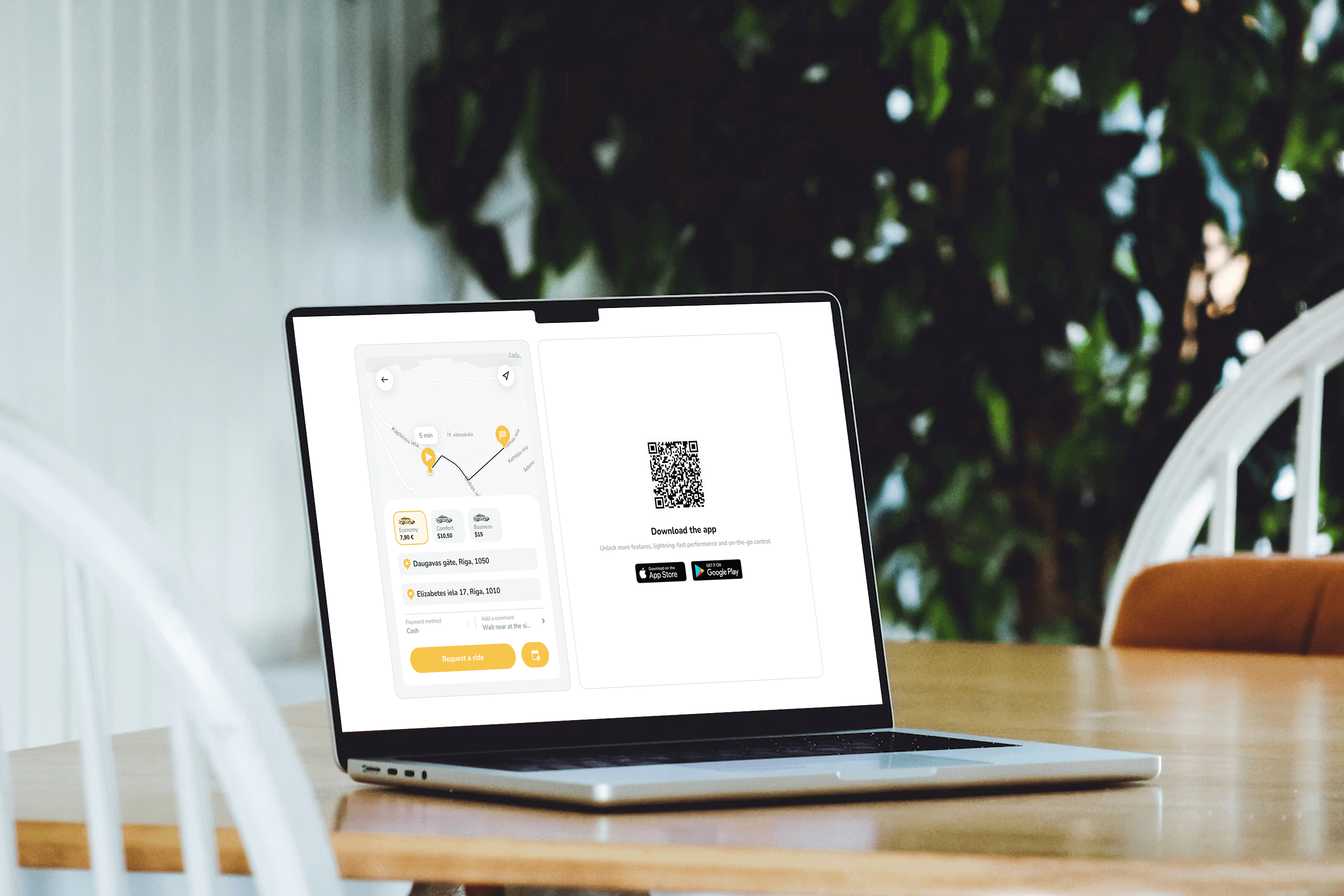
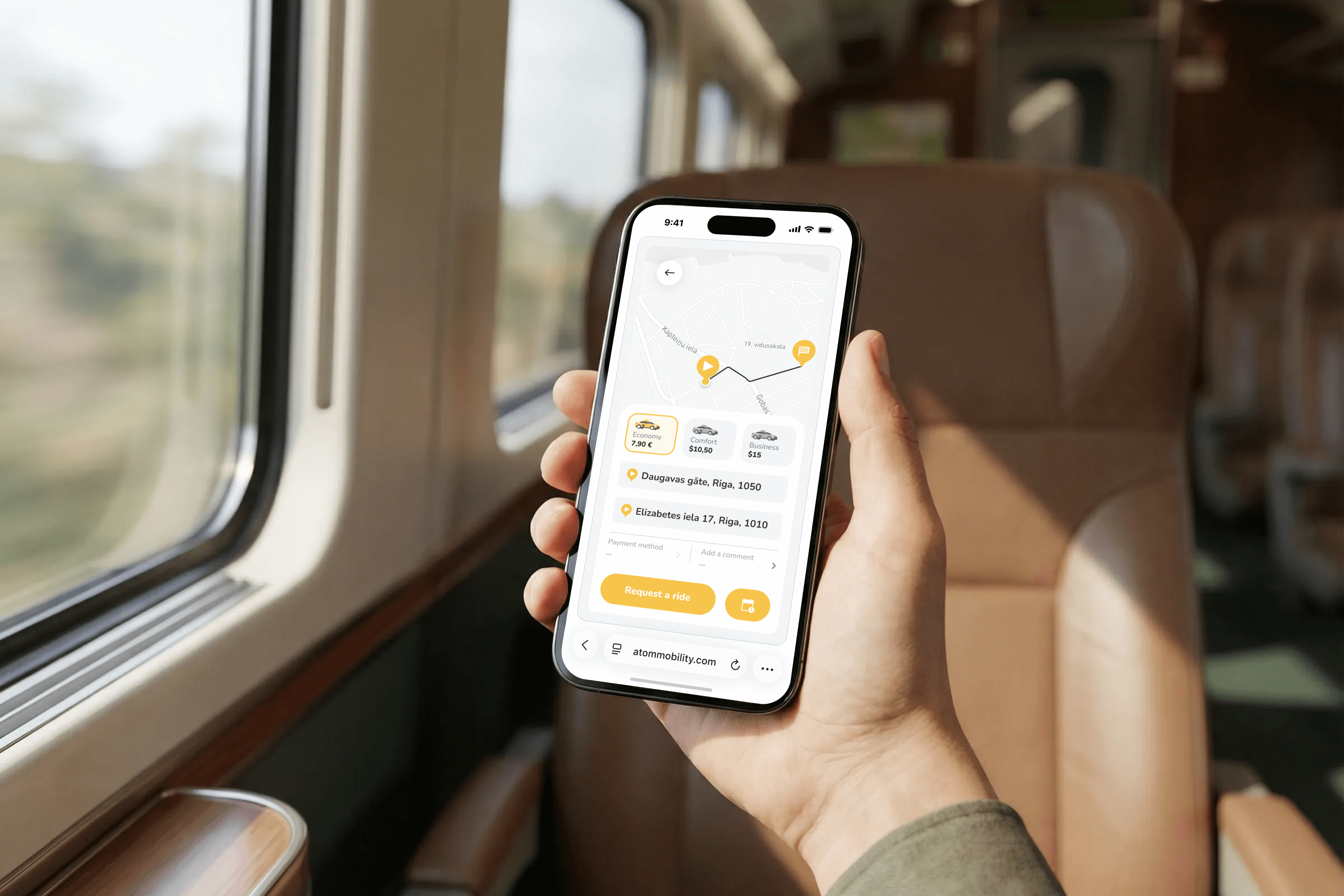
🚕 Web-booker is a lightweight ride-hail widget that lets users book rides directly from a website or mobile browser - no app install required. It reduces booking friction, supports hotel and partner demand, and keeps every ride fully synced with the taxi operator’s app and dashboard.
What if ordering a taxi was as easy as booking a room or clicking “Reserve table” on a website?
Meet Web-booker - a lightweight ride-hail booking widget that lets users request a cab directly from a website, without installing or opening the mobile app.
Perfect for hotels, business centers, event venues, airports, and corporate partners.
👉 Live demo: https://app.atommobility.com/taxi-widget
Web-booker is a browser-based ride-hail widget that operators can embed or link to from any website.
The booking happens on the web, but the ride is fully synchronized with the mobile app and operator dashboard.
No redirects. No app-store friction. No lost users.
This keeps fraud low while preserving conversion.
Web-booker addresses one of the most common friction points in ride-hailing: users who need a ride now but are not willing to download an app first. By allowing bookings directly from a website, operators can capture high-intent demand at the exact moment it occurs - whether that is on a hotel website, an event page, or a partner landing page.
At the same time, Web-booker makes partnerships with hotels and venues significantly easier. Instead of complex integrations or manual ordering flows, partners can simply place a button or link and immediately enable ride ordering for their guests. Importantly, this approach does not block long-term app growth. The booking flow still promotes the mobile app through QR codes and store links, allowing operators to convert web users into app users over time - without forcing the install upfront.
Web-booker is not designed to replace the mobile app. It extends the acquisition funnel by adding a low-friction entry point, while keeping all bookings fully synchronized with the operator’s app and dashboard.
👉 Try the demo
https://app.atommobility.com/taxi-widget
Want to explore a ride-hail or taxi solution for your business - or migrate to a more flexible platform? Visit: https://www.atommobility.com/products/ride-hailing
Credenciais de demonstração do Driver App - E-mail: test@atom.com, Senha: motorista

