La fatturazione nel settore della micromobilità è ora semplice
December 20, 2021
lettura minima


Fare business nel campo della micromobilità significa fare affari con centinaia di migliaia di clienti. D'altra parte, espandersi in nuovi mercati significa che la tua azienda deve rispettare molte normative diverse. E questo non solo in termini di micromobilità, ma anche, ad esempio, di contabilità. Tuttavia, questo potrebbe non essere così complicato come sembra, purché si scelga il partner giusto. E Fatture spaziali potrebbe essere il partner da scegliere quando si considera la fatturazione centralizzata.
»La nostra attività non è sexy di per sé e comprendiamo che la fatturazione non sarà mai interessante. Tuttavia, siamo interessati a ideare soluzioni utili per i nostri clienti. Meno ti interessa la fatturazione, meglio facciamo il nostro lavoro,» afferma Boštjan Pišler, CEO di Space Invoices. Con la sua soluzione API, l'azienda aiuta gli sviluppatori a concentrarsi sulla creazione di software invece di occuparsi dei calcoli finanziari e della legislazione sulla fatturazione.
Space Invoices ha due approcci al suo modello di business. Quando il cliente è un'azienda con più tenant, la società addebita addebiti per ogni cliente. Tuttavia, se il cliente ha un volume elevato di fatture emesse mensilmente, viene aggiunta una piccola commissione per ogni fattura creata. Boštjan afferma che, sebbene l'azienda lavori con un numero limitato di clienti, il suo servizio è effettivamente utilizzato da circa 8.000 aziende in Europa e Australia. Prevede inoltre il lancio in Brasile e Messico nel prossimo futuro, oltre ad aggiungere il supporto per i paesi del Nord America. Attualmente i documenti possono essere inviati in 14 lingue diverse. »In qualità di fornitore di software, dobbiamo assicurarci, mentre operiamo in tutti quei diversi paesi, di inviare anche fatture al governo, se necessario. Ed è importante per le aziende che operano in questi paesi disporre di un fornitore di servizi che soddisfi tutti i requisiti governativi.» Secondo Boštjan, «Lo facciamo».
Crea un'API che diventa un'azienda di successo
Bostjan ha sviluppato e utilizzato per eseguire un classico software di fatturazione online sul mercato locale. È da qui che viene l'idea di Space Invoices. Apparentemente era necessaria un'API di fatturazione facile da integrare. L'agenzia di sviluppo di Bostjan ha utilizzato molte API diverse per diverse parti del software che stava sviluppando per i clienti»,Siamo riusciti a creare un'API di fatturazione davvero valida per gli sviluppatori. Mi è venuta l'idea di creare Space Invoices che potesse essere una soluzione, in cui esiste un'API esistente e gli sviluppatori possono implementarla nel software per creare facilmente fatture con un paio di righe di codice. Ora abbiamo un approccio multi-tenant all'API. Se lo confrontiamo con le soluzioni tradizionali, che per lo più si limitano ad aggiungere l'API alla funzionalità di fatturazione, ricostruiamo l'intero sistema per supportare un approccio multi-tenant con un approccio basato sull'API e pensando agli sviluppatori.»
Questo è il modo in cui anche ATOM utilizza il sistema. È semplice per gli utenti dei servizi di micromobilità perché devono fornire solo i dati primari. Successivamente, ATOM può creare automaticamente account e collegarli alle aziende. Anche le fatture vengono create automaticamente. E poi spetta al fornitore di servizi decidere come e in quale fase elaborare le fatture.
Dashboard e funzionalità aggiuntive
Cosa vede l'utente finale nella dashboard all'interno del sistema? Dipende dalla quantità di dati che l'azienda vorrebbe rendere disponibili. »Abbiamo clienti che non mostrano nulla tramite i dashboard. Ma nel caso di ATOM, abbiamo un'implementazione più complicata. L'utente finale visualizza principalmente le fatture emesse. Ogni fattura è inoltre disponibile singolarmente, quindi è facile scoprire qual era il prezzo, qual era il servizio, ecc. Ed è possibile scaricare un'altra copia di ogni file pdf,» rivela Boštjan prima di aggiungere che sono disponibili molte più opzioni diverse. In questo caso, il sistema di ATOM attiva la funzionalità, quindi l'API di Space Invoices elabora i dati rimanenti.
In questo caso l'implementazione del gateway di pagamento è coperta da ATOM. I pagamenti vengono elaborati prima della fattura nell'app. In caso di rimborso, spetta anche ad ATOM decidere se è necessario emettere una fattura con nota di credito. Quindi viene attivato anche questo. Space Invoices sta attualmente lavorando a una soluzione che consenta di accettare pagamenti tramite fattura: se il cliente sceglie di non pagare direttamente la fattura, riceve in seguito un modulo che gli consente di pagare online tramite fattura.
ATOM utilizza il sistema Space Invoices per inviare documenti ai propri clienti. »Il mittente è il nostro indirizzo, ma l'indirizzo e-mail per le risposte è quello indicato da ATOM. Abbiamo diversi modelli o PDF tra cui scegliere. Possono essere modificati per colore, logo, ecc. L'intera esperienza di progettazione può essere completamente personalizzata», afferma Boštjan. Space Invoices utilizza Sendgrid per le e-mail. Boštjan spiega che hanno un punteggio mittente del 99%. Inoltre, l'invio di fatture non danneggia il loro servizio. Il più delle volte, il contenuto è semplice e decisamente non promozionale, in quanto contiene solo un pdf. Space Invoices non contiene segnalazioni di spam, perché i clienti non segnalano mai la fattura come spam.
Soluzioni specifiche per paese
La maggior parte dei paesi richiede fatture, anche se la situazione può variare da paese a paese. In Canada e negli Stati Uniti, ad esempio, i requisiti di fatturazione sono leggermente meno rigidi e una fattura non è un documento così importante come lo è in Sud America ed Europa. Quindi a volte sulla fattura devono apparire dichiarazioni specifiche affinché il destinatario possa rendere valido questo documento. Ogni volta che viene applicata l'IVA, è importante che l'azienda destinataria possa dedurla correttamente. Space Invoices esegue anche la personalizzazione della rendicontazione ai governi. »Ci stiamo ancora lavorando e aggiungiamo sempre opzioni aggiuntive. E, in generale, non abbiamo molti clienti, quindi è possibile una stretta collaborazione insieme a un approccio individuale per risolvere diverse sfide,» spiega Boštjan.
Parla con il team di ATOM Mobility per attivare la fatturazione online per le tue operazioni: support@atommobility.com
Fai clic qui sotto per saperne di più o richiedere una demo.

The micromobility industry doesn’t need another generic mobility conference. 🚫🎤 It needs real conversations between operators who are actually in the field. ⚙️ That’s exactly what ATOM Connect 2026 is built for. 🎯🤝
The shared mobility industry is evolving rapidly. Operators are navigating scaling challenges, regulatory complexity, hardware decisions, fleet optimization, and new integration models, all while aiming for sustainable growth.
That’s exactly why ATOM Mobility is organizing ATOM Connect 2026.
Our previous edition of ATOM Connect brought together professionals from the car sharing and rental industry for focused, high-quality discussions and networking. This year, we are narrowing the focus and dedicating the entire event to one fast-moving segment of the industry: shared micromobility.
ATOM Connect 2026 is designed specifically for operators, partners, and decision-makers working in shared micromobility. It is not a broad mobility conference or a public exhibition. It is a curated space for industry professionals to exchange practical experience, insights, and lessons learned.
On May 14th, 2026 in Riga, we will once again bring the community together, this time with a clear focus on micromobility.
This year’s agenda will address the real operational and strategic questions shaping shared micromobility today:
As usual, we aim to host both local and international operators from smaller, fast-growing fleets to established large-scale players alongside hardware providers and ecosystem partners.
On stage, you’ll hear from leading shared mobility companies - including Segway on hardware partnerships, Umob on MaaS integration, Anadue on data-driven fleet intelligence, Elerent on multi-vehicle operational realities and more insightful discussions.
The goal is simple: meaningful discussions with people who understand the operational realities of the industry.
ATOM Connect is free to attend, but participation is industry-focused (each submission is manually reviewed and verified). We are intentionally keeping the audience relevant and aligned to ensure high-quality conversations and valuable networking.
If you work in shared micromobility and would like to join the event, you can find the full agenda and register here:
👉 https://www.atommobility.com/atom-connect-2026
In the coming weeks, we will be revealing more speakers and additional agenda updates. We look forward to bringing the industry together again.
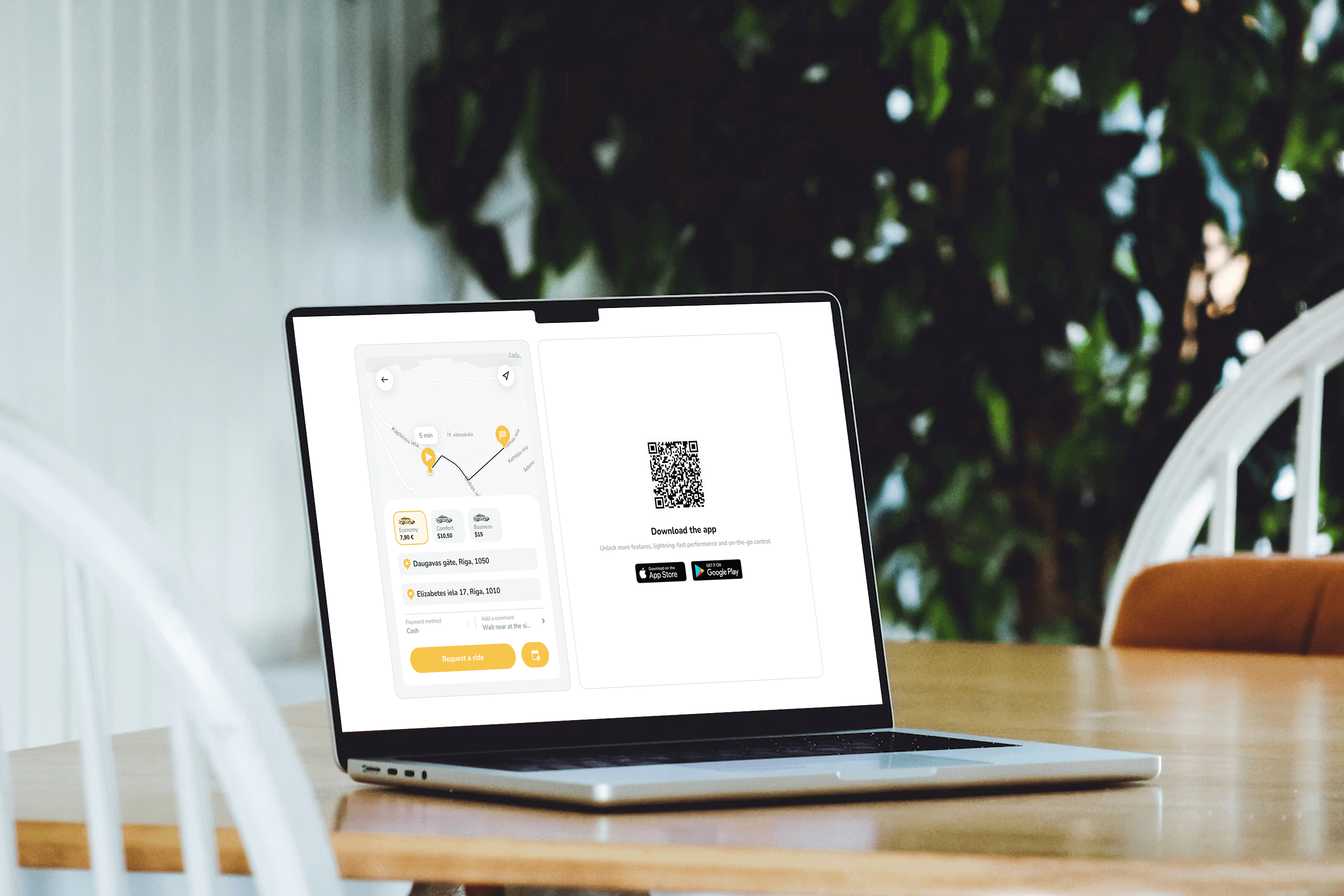
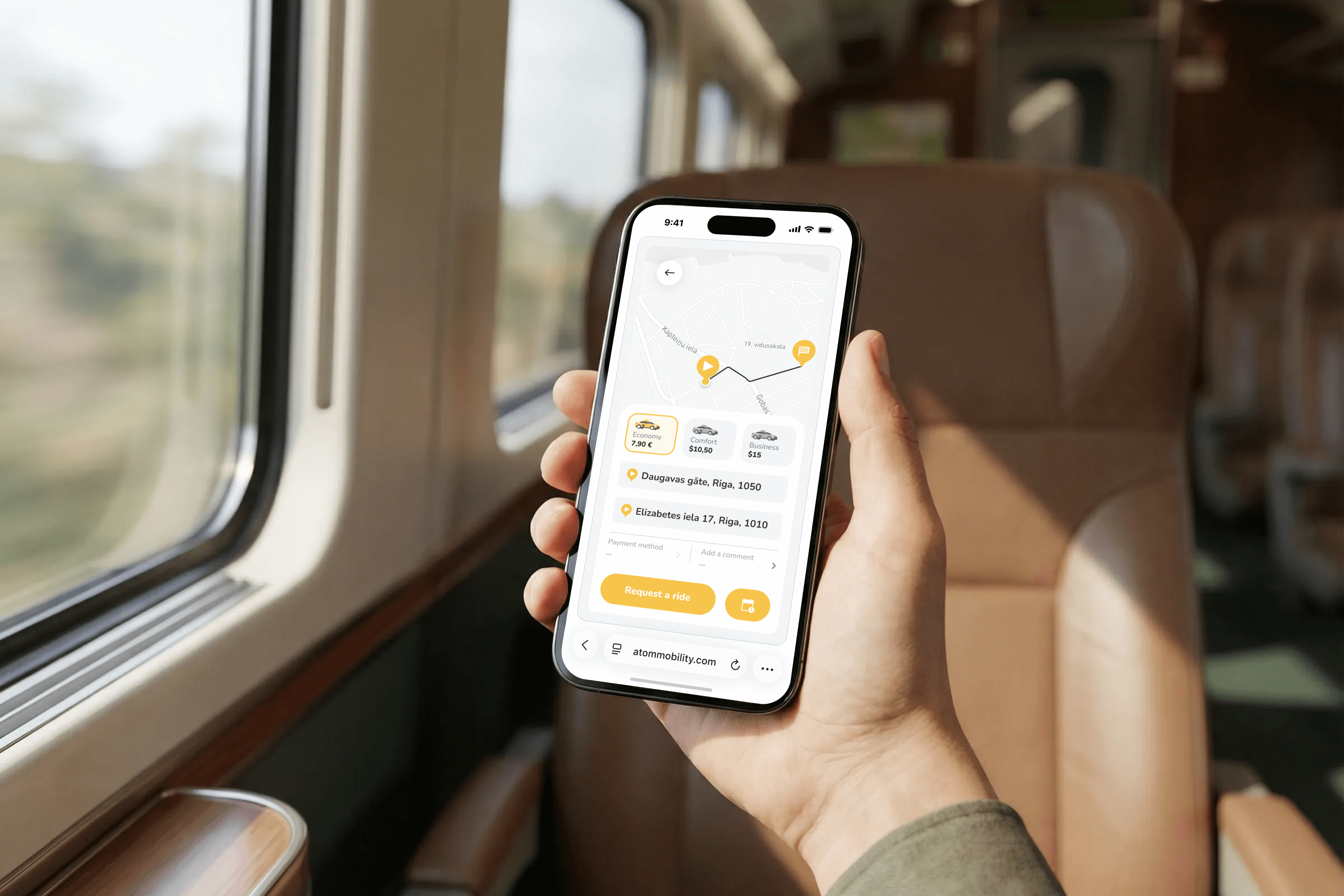
🚕 Web-booker is a lightweight ride-hail widget that lets users book rides directly from a website or mobile browser - no app install required. It reduces booking friction, supports hotel and partner demand, and keeps every ride fully synced with the taxi operator’s app and dashboard.
What if ordering a taxi was as easy as booking a room or clicking “Reserve table” on a website?
Meet Web-booker - a lightweight ride-hail booking widget that lets users request a cab directly from a website, without installing or opening the mobile app.
Perfect for hotels, business centers, event venues, airports, and corporate partners.
👉 Live demo: https://app.atommobility.com/taxi-widget
Web-booker is a browser-based ride-hail widget that operators can embed or link to from any website.
The booking happens on the web, but the ride is fully synchronized with the mobile app and operator dashboard.
No redirects. No app-store friction. No lost users.
This keeps fraud low while preserving conversion.
Web-booker addresses one of the most common friction points in ride-hailing: users who need a ride now but are not willing to download an app first. By allowing bookings directly from a website, operators can capture high-intent demand at the exact moment it occurs - whether that is on a hotel website, an event page, or a partner landing page.
At the same time, Web-booker makes partnerships with hotels and venues significantly easier. Instead of complex integrations or manual ordering flows, partners can simply place a button or link and immediately enable ride ordering for their guests. Importantly, this approach does not block long-term app growth. The booking flow still promotes the mobile app through QR codes and store links, allowing operators to convert web users into app users over time - without forcing the install upfront.
Web-booker is not designed to replace the mobile app. It extends the acquisition funnel by adding a low-friction entry point, while keeping all bookings fully synchronized with the operator’s app and dashboard.
👉 Try the demo
https://app.atommobility.com/taxi-widget
Want to explore a ride-hail or taxi solution for your business - or migrate to a more flexible platform? Visit: https://www.atommobility.com/products/ride-hailing
Credenziali demo dell'app Driver - Email: test@atom.com, Password: autista

