Die Rechnungsstellung im Mikromobilitätsgeschäft ist jetzt einfach
December 20, 2021
min. Lesedauer


Mikromobilitätsgeschäfte zu tätigen bedeutet, mit Hunderttausenden von Kunden Geschäfte zu machen. Andererseits bedeutet die Expansion in neue Märkte, dass Ihr Unternehmen viele verschiedene Vorschriften einhalten muss. Und das nicht nur in Bezug auf Mikromobilität, sondern beispielsweise auch in Bezug auf die Buchhaltung. Dies ist jedoch möglicherweise nicht so kompliziert, wie es sich anhört, vorausgesetzt, Sie wählen den richtigen Partner. Und Weltraumrechnungen könnte der Partner sein, den Sie wählen sollten, wenn Sie eine zentrale Rechnungsstellung in Betracht ziehen.
“Unser Geschäft ist nicht per se sexy und wir verstehen, dass die Rechnungsstellung niemals interessant sein wird. Wir sind jedoch daran interessiert, Lösungen zu entwickeln, die für unsere Kunden nützlich sind. Je weniger Sie sich um die Rechnungsstellung kümmern, desto besser machen wir unsere Arbeit,„, sagt Boštjan Pišler, CEO von Space Invoices. Mit seiner API-Lösung hilft das Unternehmen Entwicklern, sich auf die Entwicklung von Software zu konzentrieren, anstatt sich mit Finanzberechnungen und Rechnungslegungsgesetzen zu befassen.
Space Invoices verfolgt zwei Ansätze für sein Geschäftsmodell. Wenn es sich bei dem Kunden um ein Unternehmen mit mehreren Mandanten handelt, berechnet das Unternehmen für jeden Kunden eine Gebühr. Wenn der Kunde jedoch eine große Anzahl von Rechnungen hat, die monatlich ausgestellt werden, wird für jede erstellte Rechnung eine geringe Gebühr hinzugefügt. Laut Boštjan arbeitet das Unternehmen zwar mit einer kleinen Anzahl von Kunden zusammen, sein Service wird jedoch tatsächlich von etwa 8.000 Unternehmen in ganz Europa und Australien genutzt. Es ist auch geplant, in naher Zukunft in Brasilien und Mexiko auf den Markt zu kommen und die Unterstützung nordamerikanischer Länder hinzuzufügen. Dokumente können derzeit in 14 verschiedenen Sprachen versendet werden. “Als Softwareanbieter müssen wir bei unserer Geschäftstätigkeit in all diesen verschiedenen Ländern sicherstellen, dass wir bei Bedarf auch Rechnungen an die Regierung senden. Und für Unternehmen, die in diesen Ländern tätig sind, ist es wichtig, dass sie einen Dienstleister haben, der alle staatlichen Anforderungen erfüllt.„Laut Boštjan: „Das tun wir.“
Erstellt eine API, die zu einem erfolgreichen Unternehmen wird
Bostjan entwickelte und betrieb eine klassische Online-Rechnungssoftware auf dem lokalen Markt. Hier kommt die Idee für Space Invoices her. Offenbar bestand ein Bedarf an einer einfach zu integrierenden API für die Rechnungsstellung. Die Entwicklungsagentur von Bostjan verwendete viele verschiedene APIs für verschiedene Teile der Software, die sie für Kunden entwickelten,“Wir haben es geschafft, eine wirklich gute Fakturierungs-API für Entwickler zu erstellen. Ich hatte die Idee, Space Invoices zu erstellen, das eine Lösung sein könnte, bei der es eine bestehende API gibt und Entwickler sie in die Software implementieren können, um Rechnungen einfach mit ein paar Codezeilen zu erstellen. Wir haben jetzt einen mehrinstanzenfähigen Ansatz für die API. Wenn Sie dies mit herkömmlichen Lösungen vergleichen, bei denen die Fakturierungsfunktionen meistens nur um eine API erweitert werden, bauen wir das gesamte System neu auf, um einen mehrmandantenfähigen Ansatz zu unterstützen, bei dem die API an erster Stelle steht und die Entwickler im Hinterkopf behalten.“
So nutzt ATOM das System auch. Für Nutzer von Mikromobilitätsdiensten ist es einfach, da sie nur Primärdaten angeben müssen. Danach kann ATOM automatisch Konten erstellen und sie mit Unternehmen verknüpfen. Rechnungen werden ebenfalls automatisch erstellt. Und dann ist es Sache des Dienstanbieters, zu entscheiden, wie und in welcher Phase er Rechnungen bearbeitet.
Dashboard und zusätzliche Funktionen
Was sieht der Endbenutzer auf dem Armaturenbrett im System? Dies hängt von der Datenmenge ab, die das Unternehmen zur Verfügung stellen möchte. “Wir haben Kunden, die nichts über Dashboards anzeigen. Aber im Fall von ATOM haben wir eine kompliziertere Implementierung. Der Endbenutzer sieht sich in erster Linie ausgestellte Rechnungen an. Jede Rechnung ist auch einzeln erhältlich, sodass Sie leicht herausfinden können, was der Preis war, was der Service war usw. Und es ist möglich, eine weitere Kopie jeder PDF-Datei herunterzuladen.„verrät Boštjan, bevor er hinzufügt, dass noch viel mehr verschiedene Optionen verfügbar sind. In diesem Fall löst das System von ATOM die Funktionalität aus, und dann verarbeitet die API von Space Invoices die verbleibenden Daten.
In diesem Fall wird die Implementierung des Zahlungsgateways von ATOM übernommen. Zahlungen werden vor der Rechnung in der App bearbeitet. Im Falle einer Rückerstattung liegt es auch bei ATOM, zu entscheiden, ob eine Gutschriftsrechnung ausgestellt werden muss. Das wird also auch ausgelöst. Space Invoices arbeitet derzeit an einer Lösung, die es ermöglicht, Zahlungen über die Rechnung zu akzeptieren. Entscheidet sich der Kunde dafür, die Rechnung nicht direkt zu bezahlen, erhält er später ein Formular, mit dem er online über die Rechnung bezahlen kann.
ATOM verwendet das Space Invoices-System, um Dokumente an seine Kunden zu senden. “Der Absender ist unsere Adresse, aber die E-Mail-Adresse für Antworten ist die von ATOM angegebene. Wir haben mehrere Vorlagen oder PDFs zur Auswahl. Sie können nach Farbe, Logo usw. bearbeitet werden. Das gesamte Designerlebnis kann vollständig angepasst werden„, sagt Boštjan. Space Invoices verwendet Sendgrid für E-Mails. Boštjan erklärt, dass sie einen Absenderwert von 99% haben. Darüber hinaus schadet das Senden von Rechnungen ihrem Service nicht. In den meisten Fällen ist der Inhalt einfach und definitiv nicht werblich, da er nur ein PDF enthält. Space Invoices hat keine Spam-Berichte, da Kunden die Rechnung niemals als Spam melden.
Länderspezifische Lösungen
In den meisten Ländern sind Rechnungen erforderlich, obwohl die Situation von Land zu Land unterschiedlich sein kann. In Kanada und den USA beispielsweise sind die Anforderungen an die Rechnungsstellung etwas weniger streng und eine Rechnung ist kein so wichtiges Dokument wie in Südamerika und Europa. Daher müssen manchmal bestimmte Angaben auf der Rechnung erscheinen, damit der Empfänger dieses Dokument gültig macht. Wann immer Mehrwertsteuer erhoben wird, ist es wichtig, dass das Empfängerunternehmen die Mehrwertsteuer korrekt abziehen kann. Space Invoices nimmt auch Anpassungen in Bezug auf die Berichterstattung an Regierungen vor. “Wir arbeiten immer noch daran und fügen ständig zusätzliche Optionen hinzu. Und im Allgemeinen haben wir nicht viele Kunden, sodass eine enge Zusammenarbeit sowie ein individueller Ansatz zur Lösung verschiedener Herausforderungen möglich sind.„erklärt Boštjan.
Sprechen Sie mit dem ATOM Mobility-Team, um die Online-Rechnungsstellung für Ihren Betrieb zu aktivieren: support@atommobility.com
Klicken Sie unten, um mehr zu erfahren oder eine Demo anzufordern.

The micromobility industry doesn’t need another generic mobility conference. 🚫🎤 It needs real conversations between operators who are actually in the field. ⚙️ That’s exactly what ATOM Connect 2026 is built for. 🎯🤝
The shared mobility industry is evolving rapidly. Operators are navigating scaling challenges, regulatory complexity, hardware decisions, fleet optimization, and new integration models, all while aiming for sustainable growth.
That’s exactly why ATOM Mobility is organizing ATOM Connect 2026.
Our previous edition of ATOM Connect brought together professionals from the car sharing and rental industry for focused, high-quality discussions and networking. This year, we are narrowing the focus and dedicating the entire event to one fast-moving segment of the industry: shared micromobility.
ATOM Connect 2026 is designed specifically for operators, partners, and decision-makers working in shared micromobility. It is not a broad mobility conference or a public exhibition. It is a curated space for industry professionals to exchange practical experience, insights, and lessons learned.
On May 14th, 2026 in Riga, we will once again bring the community together, this time with a clear focus on micromobility.
This year’s agenda will address the real operational and strategic questions shaping shared micromobility today:
As usual, we aim to host both local and international operators from smaller, fast-growing fleets to established large-scale players alongside hardware providers and ecosystem partners.
On stage, you’ll hear from leading shared mobility companies - including Segway on hardware partnerships, Umob on MaaS integration, Anadue on data-driven fleet intelligence, Elerent on multi-vehicle operational realities and more insightful discussions.
The goal is simple: meaningful discussions with people who understand the operational realities of the industry.
ATOM Connect is free to attend, but participation is industry-focused (each submission is manually reviewed and verified). We are intentionally keeping the audience relevant and aligned to ensure high-quality conversations and valuable networking.
If you work in shared micromobility and would like to join the event, you can find the full agenda and register here:
👉 https://www.atommobility.com/atom-connect-2026
In the coming weeks, we will be revealing more speakers and additional agenda updates. We look forward to bringing the industry together again.
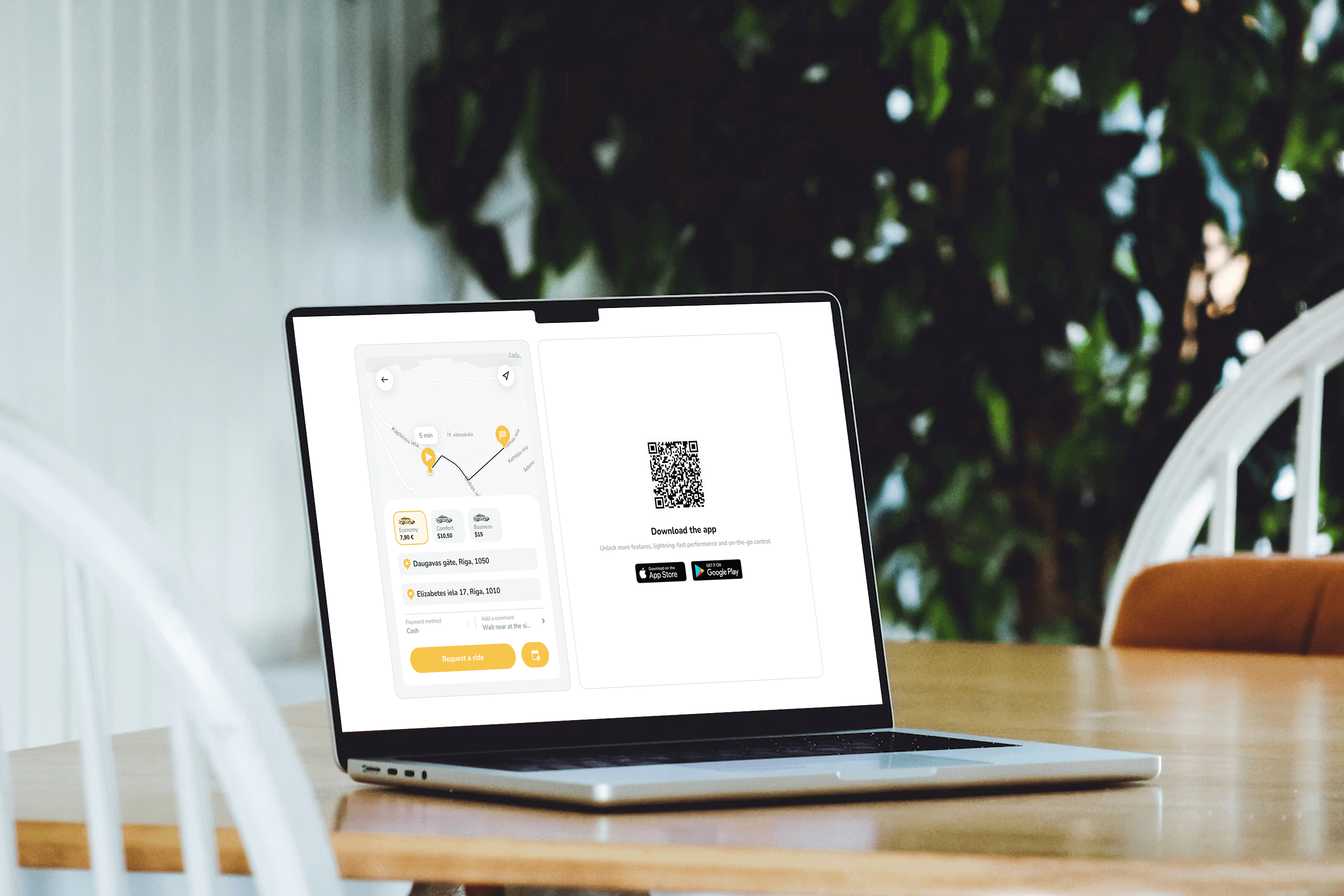
🚕 Web-booker is a lightweight ride-hail widget that lets users book rides directly from a website or mobile browser - no app install required. It reduces booking friction, supports hotel and partner demand, and keeps every ride fully synced with the taxi operator’s app and dashboard.
What if ordering a taxi was as easy as booking a room or clicking “Reserve table” on a website?
Meet Web-booker - a lightweight ride-hail booking widget that lets users request a cab directly from a website, without installing or opening the mobile app.
Perfect for hotels, business centers, event venues, airports, and corporate partners.
👉 Live demo: https://app.atommobility.com/taxi-widget
Web-booker is a browser-based ride-hail widget that operators can embed or link to from any website.
The booking happens on the web, but the ride is fully synchronized with the mobile app and operator dashboard.
No redirects. No app-store friction. No lost users.
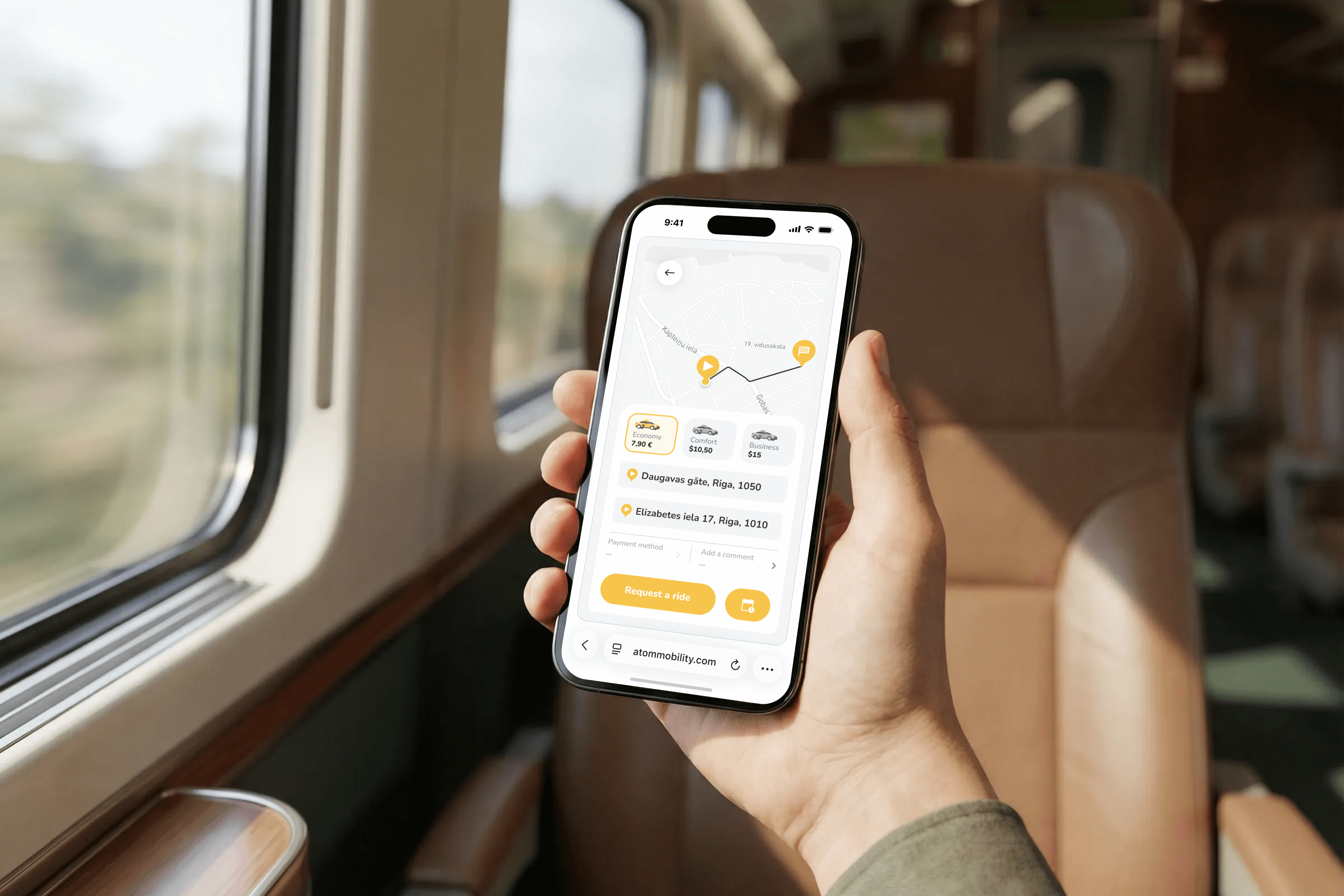
This keeps fraud low while preserving conversion.
Web-booker addresses one of the most common friction points in ride-hailing: users who need a ride now but are not willing to download an app first. By allowing bookings directly from a website, operators can capture high-intent demand at the exact moment it occurs - whether that is on a hotel website, an event page, or a partner landing page.
At the same time, Web-booker makes partnerships with hotels and venues significantly easier. Instead of complex integrations or manual ordering flows, partners can simply place a button or link and immediately enable ride ordering for their guests. Importantly, this approach does not block long-term app growth. The booking flow still promotes the mobile app through QR codes and store links, allowing operators to convert web users into app users over time - without forcing the install upfront.
Web-booker is not designed to replace the mobile app. It extends the acquisition funnel by adding a low-friction entry point, while keeping all bookings fully synchronized with the operator’s app and dashboard.
👉 Try the demo
https://app.atommobility.com/taxi-widget
Want to explore a ride-hail or taxi solution for your business - or migrate to a more flexible platform? Visit: https://www.atommobility.com/products/ride-hailing
Anmeldedaten für die Driver App-Demo - E-Mail: test@atom.com, Passwort: Treiber

