Aperçu du matériel pour la micro-mobilité partagée (1/3) : scooters, vélos électriques et cyclomoteurs
April 12, 2020
min. de lecture



Chez ATOM Mobility, nous savons qu'il y a de nombreux éléments à prendre en compte lors de la création d'une entreprise de mobilité. Pour faciliter le processus, nous avons rassemblé une liste des constructeurs et des modèles de véhicules les plus fréquemment recommandés sur le marché qui sont actuellement intégrés à ATOM Mobility. Contactez-nous si vous avez besoin de conseils ou de plus amples informations.
Quels sont les véhicules les plus fiables actuellement disponibles sur le marché ?
Trotinettes
Acton se spécialise dans les scooters électroniques spécialement conçus pour les opérations de flotte. L'entreprise propose actuellement deux modèles de scooters électriques différents, ainsi qu'un modèle de vélo électrique.

L'Acton M Pro la conception robuste comprend des indices de résistance de pointe, des soudures robustes et des extrusions d'aluminium exclusives.
Vitesse maximale : 18,6 MI/H/30,9 KM/H
Gamme : 30 milles/48 km
Charge : 6 heures
Prix : Contactez-nous ou ACTON directement

L'Acton Topswap est une trottinette électrique conçue pour inclure un système breveté d'échange de batterie (sur la même base que le modèle Acton M Pro)
Vitesse maximale : 18,6 MI/H/30,9 KM/H
Gamme : 30 milles/48 km
Charge : 6 heures
Prix : Contactez-nous ou ACTON directement
Situé à Hangzhou, en Chine. Fitrider est une entreprise de haute technologie innovante proposant une variété de produits : scooters électriques, vélos électriques, solutions de batteries remplaçables, IoT/GPS, serrures intelligentes et stations d'accueil/de recharge.

Fit Rider Trottinette T2S avec batterie remplaçable, roues de 10 pouces, pneus solides et freins à tambour/disque.
Vitesse maximale : 15,5 MI/H/25 KM/H
Gamme : 20 milles/35 km
Charge : 4-5 heures
Prix : Nous contacter
Freego est le plus grand fabricant et le premier exportateur de scooters à équilibrage automatique du sud de la Chine.
Vitesse maximale : 15,5 MI/H/25 KM/H
Gamme : 30 milles/48 km
Charge : 3-5 heures
Prix : 600 DOLLARS AMÉRICAINS, SOIT 556 EUROS
Zhejiang Okai Vehicle Co., Ltd. produit des scooters professionnels de haute qualité, électriques et à essence. Les scooters de cette société sont largement utilisés par les plus grandes sociétés de partage de scooters en Europe.

Le modèle ES400 est spécialement conçu pour les plateformes de partage hautement efficaces. Batterie remplaçable, câbles très durables et entièrement cachés.
Vitesse maximale : 18,6 MI/H/29,9 KM/H
Gamme : 16 Ah = environ 32 miles/51,5 km, 9,6 Ah = environ 24 miles/39 km
Charge : 3 à 4 heures
Prix : ES400 - 700 USD/650 EUR, ES200 (batterie non remplaçable) - 595 USD/550 EUR
Segway Inc. est le leader mondial du transport électrique personnel. Presque toutes les grandes sociétés de partage utilisent ou ont utilisé des scooters fabriqués par Segway.

Le modèle Segway Ninebot ES4 a été le premier modèle largement utilisé pour le partage. Il est doté d'une double batterie et d'un design robuste. Cependant, la durabilité de ce modèle est faible par rapport aux autres véhicules de cette revue.
Vitesse maximale : 18,6 MI/H/29,9 KM/H
Gamme : 28 milles/45 km
Charge : 6 à 7 heures
Prix : 300 À 400 DOLLARS AMÉRICAINS/250 À 350 EUROS

Les pneus de 10 pouces du Kickscooter MAX peuvent gravir des pentes dont l'inclinaison est de 20 %. Protection spéciale des câbles. Modèle durable avec option de mise à niveau vers PRO avec fonction de batterie remplaçable.
Vitesse maximale : 18,6 MI/H/29,9 KM/H
Gamme : Environ 23 miles/37 km
Charge : 6 à 7 heures
Prix : 480 À 580 DOLLARS AMÉRICAINS/440 À 540 EUROS
Superpedestrian propose la première plateforme de micromobilité basée sur des véhicules électriques intelligents et des outils cloud.

Le modèle Superdestrian de la société de mobilité américaine du même nom offre une durée de vie du véhicule de plus de 12 mois, des contrôles de sécurité en temps réel, des systèmes de protection actifs et une offre de conception robuste.
Vitesse maximale : 15,5 MI/H/25 KM/H
Gamme : 56 milles/90 km
Charge : 7 heures
Prix : -
Vélos électriques/cyclomoteurs

Conçu spécifiquement pour les services de flotte partagés, ce modèle de vélo électronique sera lancé au printemps 2020 avec un IoT entièrement intégré.
Vitesse maximale : 21,75 MI/H/35 KM/H
Gamme : 35 milles/56 km
Charge : 6 heures
Prix : Contactez-nous ou ACTON directement
NIU propose des véhicules électriques de la catégorie des deux roues alimentés par un moteur électrique Bosch et une batterie au lithium Panasonic.

Conçu spécifiquement pour les services de flotte partagés, ce modèle de vélo électronique sera lancé au printemps 2020 avec un IoT entièrement intégré.
Vitesse maximale : 28 MI/H/45 KM/H
Gamme : 35 à 45 milles/50 à 70 km
Charge : 6 heures
Prix : 2593 DOLLARS AMÉRICAINS/2400 EUROS

Le modèle Gonbike Pab est un vélo électrique entièrement intégré, doté d'une intégration IoT native et d'une capacité de batterie élevée jusqu'à 49,7 m/80 km.
Vitesse maximale : 15,5 MI/H/25 KM/H
Gamme : 50 milles/80 km
Charge : 6 heures
Prix : 995 DOLLARS AMÉRICAINS/930 EUROS
FitRider M2 vélo électrique

Conception de batterie remplaçable, roues de 14 ou 16 pouces, cadre robuste, frein à tambour et IoT/GPS intégré.
Vitesse maximale : 15,5 MI/H/25 KM/H
Gamme : 45 milles/70 km
Charge : 3 à 5 heures
Prix : Nous contacter
Il s'agit de la première partie de la présentation du matériel. Dans le prochain article de blog, nous aborderons les appareils IoT/GPS, puis les serrures intelligentes. Contactez ATOM Mobility pour toute question ou demande supplémentaire concernant les produits et fournisseurs disponibles.
ATOM Mobility - Nous donnons aux entrepreneurs les moyens de lancer des plateformes de partage de véhicules.
Cliquez ci-dessous pour en savoir plus ou demander une démonstration.

The micromobility industry doesn’t need another generic mobility conference. 🚫🎤 It needs real conversations between operators who are actually in the field. ⚙️ That’s exactly what ATOM Connect 2026 is built for. 🎯🤝
The shared mobility industry is evolving rapidly. Operators are navigating scaling challenges, regulatory complexity, hardware decisions, fleet optimization, and new integration models, all while aiming for sustainable growth.
That’s exactly why ATOM Mobility is organizing ATOM Connect 2026.
Our previous edition of ATOM Connect brought together professionals from the car sharing and rental industry for focused, high-quality discussions and networking. This year, we are narrowing the focus and dedicating the entire event to one fast-moving segment of the industry: shared micromobility.
ATOM Connect 2026 is designed specifically for operators, partners, and decision-makers working in shared micromobility. It is not a broad mobility conference or a public exhibition. It is a curated space for industry professionals to exchange practical experience, insights, and lessons learned.
On May 14th, 2026 in Riga, we will once again bring the community together, this time with a clear focus on micromobility.
This year’s agenda will address the real operational and strategic questions shaping shared micromobility today:
As usual, we aim to host both local and international operators from smaller, fast-growing fleets to established large-scale players alongside hardware providers and ecosystem partners.
On stage, you’ll hear from leading shared mobility companies - including Segway on hardware partnerships, Umob on MaaS integration, Anadue on data-driven fleet intelligence, Elerent on multi-vehicle operational realities and more insightful discussions.
The goal is simple: meaningful discussions with people who understand the operational realities of the industry.
ATOM Connect is free to attend, but participation is industry-focused (each submission is manually reviewed and verified). We are intentionally keeping the audience relevant and aligned to ensure high-quality conversations and valuable networking.
If you work in shared micromobility and would like to join the event, you can find the full agenda and register here:
👉 https://www.atommobility.com/atom-connect-2026
In the coming weeks, we will be revealing more speakers and additional agenda updates. We look forward to bringing the industry together again.
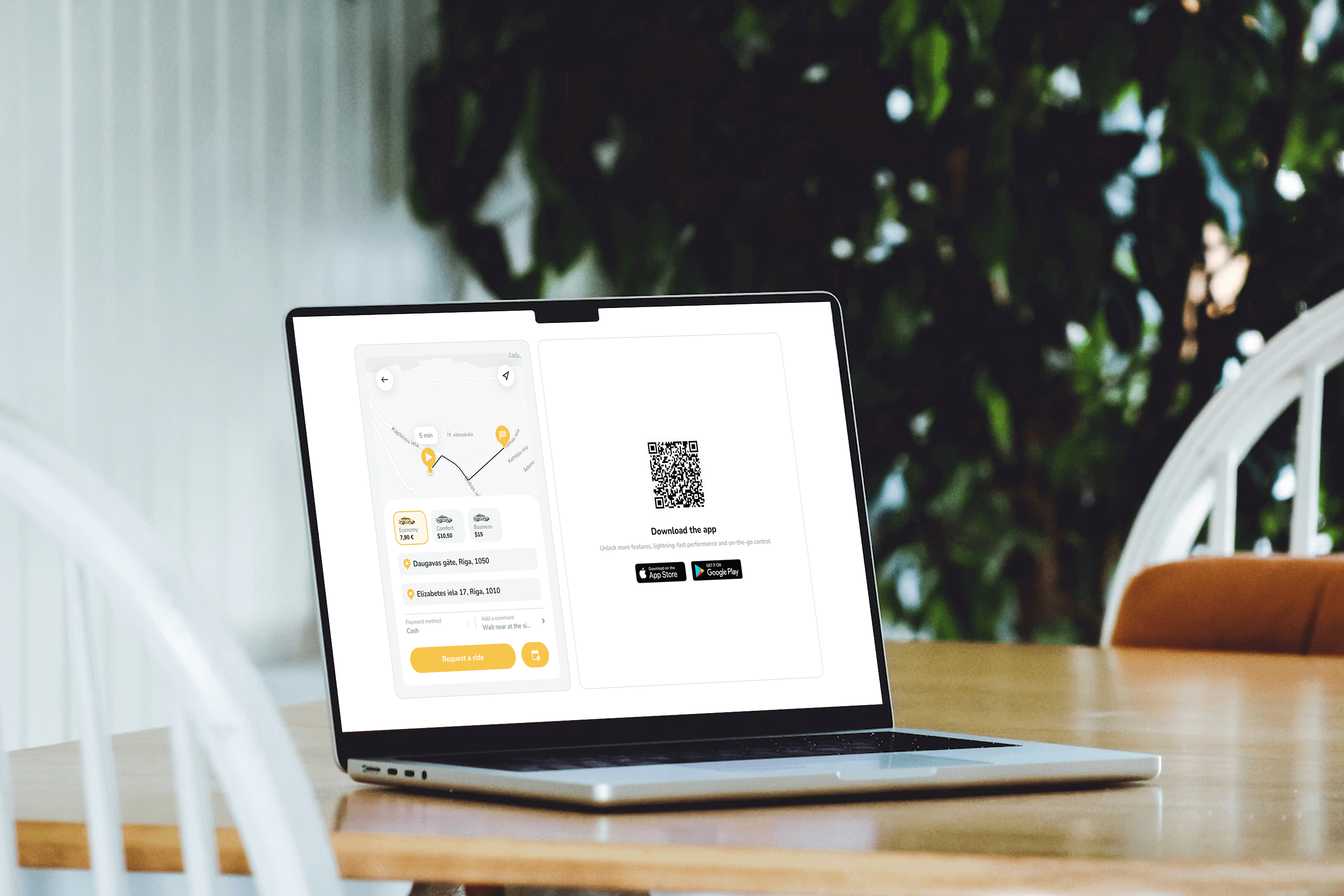
🚕 Web-booker is a lightweight ride-hail widget that lets users book rides directly from a website or mobile browser - no app install required. It reduces booking friction, supports hotel and partner demand, and keeps every ride fully synced with the taxi operator’s app and dashboard.
What if ordering a taxi was as easy as booking a room or clicking “Reserve table” on a website?
Meet Web-booker - a lightweight ride-hail booking widget that lets users request a cab directly from a website, without installing or opening the mobile app.
Perfect for hotels, business centers, event venues, airports, and corporate partners.
👉 Live demo: https://app.atommobility.com/taxi-widget
Web-booker is a browser-based ride-hail widget that operators can embed or link to from any website.
The booking happens on the web, but the ride is fully synchronized with the mobile app and operator dashboard.
No redirects. No app-store friction. No lost users.
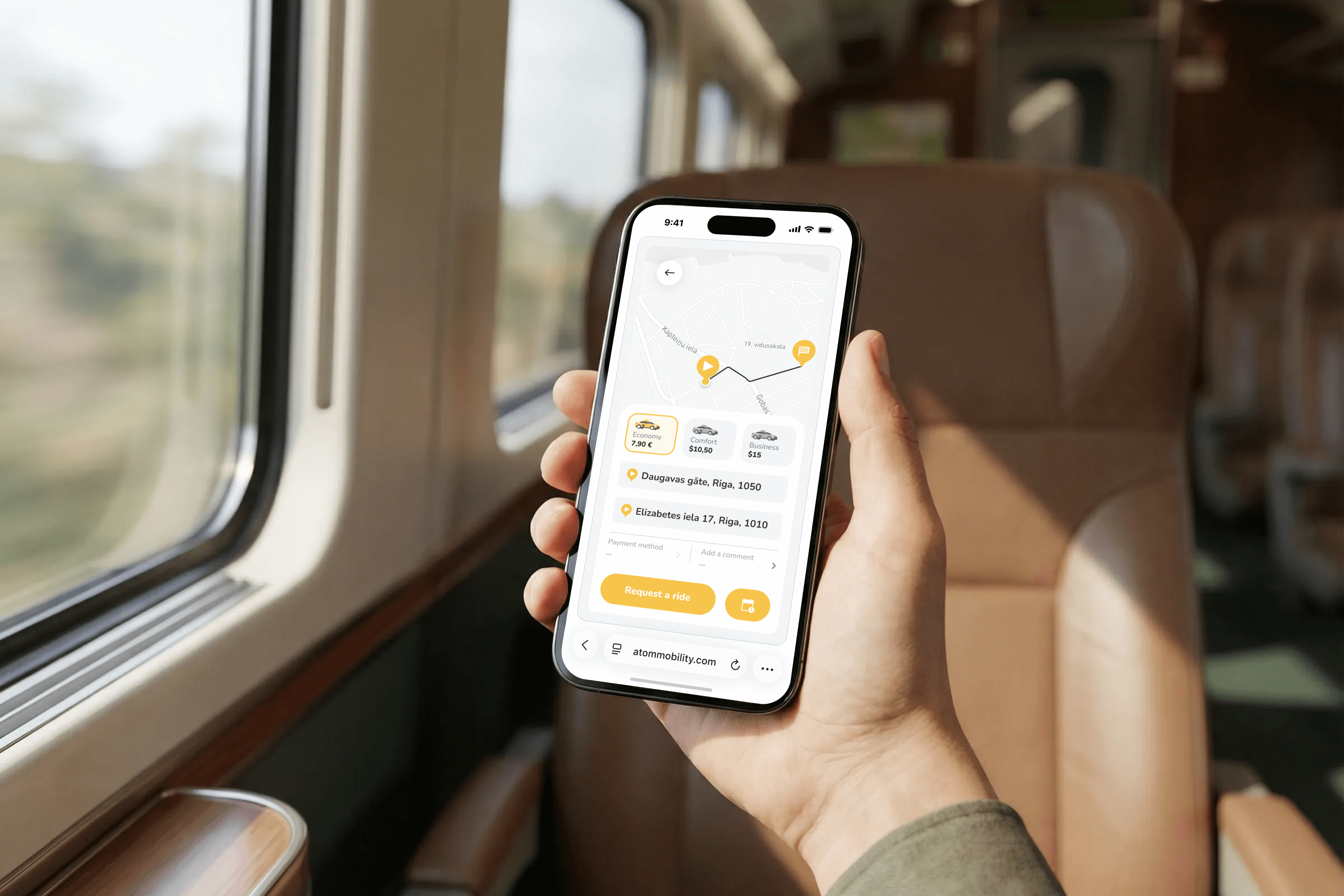
This keeps fraud low while preserving conversion.
Web-booker addresses one of the most common friction points in ride-hailing: users who need a ride now but are not willing to download an app first. By allowing bookings directly from a website, operators can capture high-intent demand at the exact moment it occurs - whether that is on a hotel website, an event page, or a partner landing page.
At the same time, Web-booker makes partnerships with hotels and venues significantly easier. Instead of complex integrations or manual ordering flows, partners can simply place a button or link and immediately enable ride ordering for their guests. Importantly, this approach does not block long-term app growth. The booking flow still promotes the mobile app through QR codes and store links, allowing operators to convert web users into app users over time - without forcing the install upfront.
Web-booker is not designed to replace the mobile app. It extends the acquisition funnel by adding a low-friction entry point, while keeping all bookings fully synchronized with the operator’s app and dashboard.
👉 Try the demo
https://app.atommobility.com/taxi-widget
Want to explore a ride-hail or taxi solution for your business - or migrate to a more flexible platform? Visit: https://www.atommobility.com/products/ride-hailing
Informations d'identification pour la démonstration de Driver App - E-mail : test@atom.com, mot de passe : chauffeur

