Visão geral do hardware para micromobilidade compartilhada (1/3): scooters, bicicletas elétricas e ciclomotores
April 12, 2020
leitura mínima



Na ATOM Mobility, sabemos que há muito a considerar ao iniciar uma empresa de mobilidade. Para ajudar a facilitar o processo, reunimos alguns dos fabricantes e modelos de veículos mais frequentemente recomendados no mercado que estão atualmente integrados ao ATOM Mobility. Entre em contato conosco caso precise de orientação ou mais informações.
Quais são os veículos mais confiáveis que estão disponíveis atualmente no mercado?
patinetes
A Acton é especializada em scooters eletrônicos projetados especificamente para operações de frotas. Atualmente, a empresa oferece dois modelos diferentes de e-scooter, bem como um modelo de e-bike.

O Acton M Pro o design robusto inclui classificações de resistência líderes do setor, soldas pesadas e extrusões de alumínio proprietárias.
Velocidade máxima: 18,6 MPH/30,9 KM/H
Alcance: 30 milhas/48 km
Cobrança: 6 horas
Preço: Entre em contato conosco ou diretamente com a ACTON

O Acton Topswap é uma e-scooter projetada para incluir um sistema patenteado de troca de bateria (na mesma base do modelo Acton M Pro)
Velocidade máxima: 18,6 MPH/30,9 KM/H
Alcance: 30 milhas/48 km
Cobrança: 6 horas
Preço: Entre em contato conosco ou diretamente com a ACTON
Localizado em Hangzhou, na China. A Fitrider é uma empresa inovadora de alta tecnologia com uma variedade de produtos: scooters, bicicletas elétricas, soluções de baterias substituíveis, IoT/GPS, fechaduras inteligentes e estações de acoplamento/carregamento.

Fritadeira Scooter T2S com design de bateria substituível, rodas de 10 polegadas, pneus sólidos e freios a tambor/disco.
Velocidade máxima: 15,5 MPH/25 KM/H
Alcance: 20 milhas/35 km
Cobrança: 4-5 horas
Preço: Entre em contato conosco
A Freego é a maior fabricante e a primeira exportadora de scooters com equilíbrio automático do sul da China.
Velocidade máxima: 15,5 MPH/25 KM/H
Alcance: 30 milhas/48 km
Carga: 3-5 horas
Preço: 600 USD/556 EUROS
A Zhejiang Okai Vehicle Co., Ltd. produz scooters profissionais de alta qualidade, tanto elétricos quanto a gasolina. As scooters desta empresa são amplamente utilizadas pelas maiores empresas de compartilhamento de scooters da Europa.

O modelo ES400 foi projetado especificamente para plataformas de compartilhamento altamente eficientes. Bateria substituível, cabos muito duráveis e totalmente ocultos.
Velocidade máxima: 18,6 MPH/29,9 KM/H
Alcance: 16Ah = aprox. 32 milhas/51,5 km, 9,6Ah = aprox. 24 milhas/39 km
Cobrança: 3-4 horas
Preço: ES400 - 700 USD/650 EUR, ES200 (bateria não substituível) - 595 USD/550 EUR
A Segway Inc. é líder mundial em transporte elétrico pessoal. Quase todas as grandes empresas de compartilhamento usam ou usaram scooters fabricados pela Segway.

O modelo Segway Ninebot ES4 foi o primeiro modelo amplamente usado para compartilhamento. Ele vem com uma oferta de bateria dupla e um design sólido. No entanto, a durabilidade desse modelo é baixa em comparação com outros veículos nesta revisão.
Velocidade máxima: 18,6 MPH/29,9 KM/H
Alcance: 28 milhas/45 km
Cobrança: 6-7 horas
Preço: 300-400 USD/250-350 EUROS

Os pneus pneumáticos de 10 polegadas do Kickscooter MAX podem subir declives com 20% de inclinação. Proteção especial do cabo. Modelo durável com opção de atualização para PRO com função de bateria substituível.
Velocidade máxima: 18,6 MPH/29,9 KM/H
Alcance: Aprox. 23 milhas/37 km
Cobrança: 6-7 horas
Preço: 480 - 580 DÓLARES/440 - 540 EUROS
A Superpedestrian oferece a primeira plataforma de micromobilidade baseada em veículos elétricos inteligentes e ferramentas em nuvem.

O modelo Superdestrian da empresa de mobilidade com sede nos EUA com o mesmo nome oferece uma vida útil do veículo de mais de 12 meses, verificações de segurança em tempo real, sistemas de proteção ativa e uma oferta de design robusta.
Velocidade máxima: 15,5 MPH/25 KM/H
Alcance: 56 milhas/90 km
Cobrança: 7 horas
Preço: -
Bicicletas elétricas/ciclomotores
Bicicleta elétrica Acton Nexus

Projetado especificamente para serviços de frota compartilhada, este modelo de bicicleta eletrônica será lançado na primavera de 2020 com IoT totalmente integrada.
Velocidade máxima: 21,75 MPH/35 KM/H
Alcance: 35 milhas/56 km
Cobrança: 6 horas
Preço: Entre em contato conosco ou diretamente com a ACTON
A NIU fornece veículos elétricos na classe de duas rodas alimentados por um motor elétrico Bosch e bateria de lítio Panasonic.

Projetado especificamente para serviços de frota compartilhada, este modelo de bicicleta eletrônica será lançado na primavera de 2020 com IoT totalmente integrada.
Velocidade máxima: 28 MPH/45 KM/H
Alcance: 35-45 milhas/50-70 km
Cobrança: 6 horas
Preço: 2593 USD/2400 EUROS

O modelo Gonbike Pab é uma bicicleta elétrica totalmente integrada, com integração nativa de IoT e alta capacidade de bateria de até 49,7 m/80 km.
Velocidade máxima: 15,5 MPH/25 KM/H
Alcance: 50 milhas/80 km
Cobrança: 6 horas
Preço: 995 USD/930 EUROS
Fitridificador M2 bicicleta elétrica

Design de bateria substituível, rodas de 14 ou 16 polegadas, estrutura robusta, freio a tambor e IoT/GPS embutidos.
Velocidade máxima: 15,5 MPH/25 KM/H
Alcance: 45 milhas/70 km
Cobrança: 3-5 horas
Preço: Entre em contato conosco
Essa é a primeira parte da visão geral do hardware. Na próxima postagem do blog, abordaremos dispositivos IoT/GPS e, em seguida, bloqueios inteligentes. Entre em contato com a ATOM Mobility para quaisquer perguntas ou dúvidas adicionais que você possa ter sobre os produtos e fornecedores disponíveis.
ATOM Mobility - Capacitamos empreendedores a lançar plataformas de compartilhamento de veículos.
Clique abaixo para saber mais ou solicitar uma demonstração.

The micromobility industry doesn’t need another generic mobility conference. 🚫🎤 It needs real conversations between operators who are actually in the field. ⚙️ That’s exactly what ATOM Connect 2026 is built for. 🎯🤝
The shared mobility industry is evolving rapidly. Operators are navigating scaling challenges, regulatory complexity, hardware decisions, fleet optimization, and new integration models, all while aiming for sustainable growth.
That’s exactly why ATOM Mobility is organizing ATOM Connect 2026.
Our previous edition of ATOM Connect brought together professionals from the car sharing and rental industry for focused, high-quality discussions and networking. This year, we are narrowing the focus and dedicating the entire event to one fast-moving segment of the industry: shared micromobility.
ATOM Connect 2026 is designed specifically for operators, partners, and decision-makers working in shared micromobility. It is not a broad mobility conference or a public exhibition. It is a curated space for industry professionals to exchange practical experience, insights, and lessons learned.
On May 14th, 2026 in Riga, we will once again bring the community together, this time with a clear focus on micromobility.
This year’s agenda will address the real operational and strategic questions shaping shared micromobility today:
As usual, we aim to host both local and international operators from smaller, fast-growing fleets to established large-scale players alongside hardware providers and ecosystem partners.
On stage, you’ll hear from leading shared mobility companies - including Segway on hardware partnerships, Umob on MaaS integration, Anadue on data-driven fleet intelligence, Elerent on multi-vehicle operational realities and more insightful discussions.
The goal is simple: meaningful discussions with people who understand the operational realities of the industry.
ATOM Connect is free to attend, but participation is industry-focused (each submission is manually reviewed and verified). We are intentionally keeping the audience relevant and aligned to ensure high-quality conversations and valuable networking.
If you work in shared micromobility and would like to join the event, you can find the full agenda and register here:
👉 https://www.atommobility.com/atom-connect-2026
In the coming weeks, we will be revealing more speakers and additional agenda updates. We look forward to bringing the industry together again.
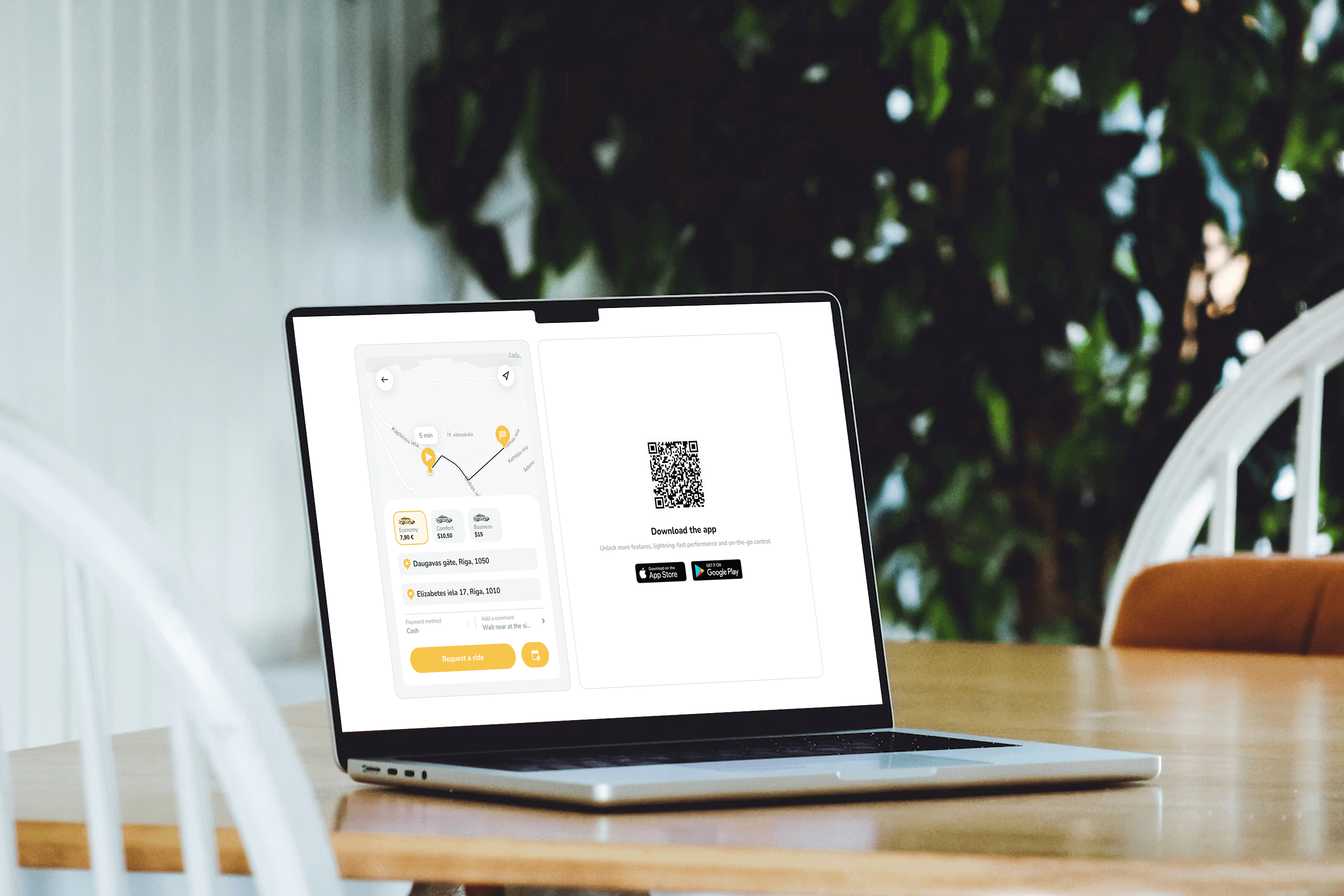
🚕 Web-booker is a lightweight ride-hail widget that lets users book rides directly from a website or mobile browser - no app install required. It reduces booking friction, supports hotel and partner demand, and keeps every ride fully synced with the taxi operator’s app and dashboard.
What if ordering a taxi was as easy as booking a room or clicking “Reserve table” on a website?
Meet Web-booker - a lightweight ride-hail booking widget that lets users request a cab directly from a website, without installing or opening the mobile app.
Perfect for hotels, business centers, event venues, airports, and corporate partners.
👉 Live demo: https://app.atommobility.com/taxi-widget
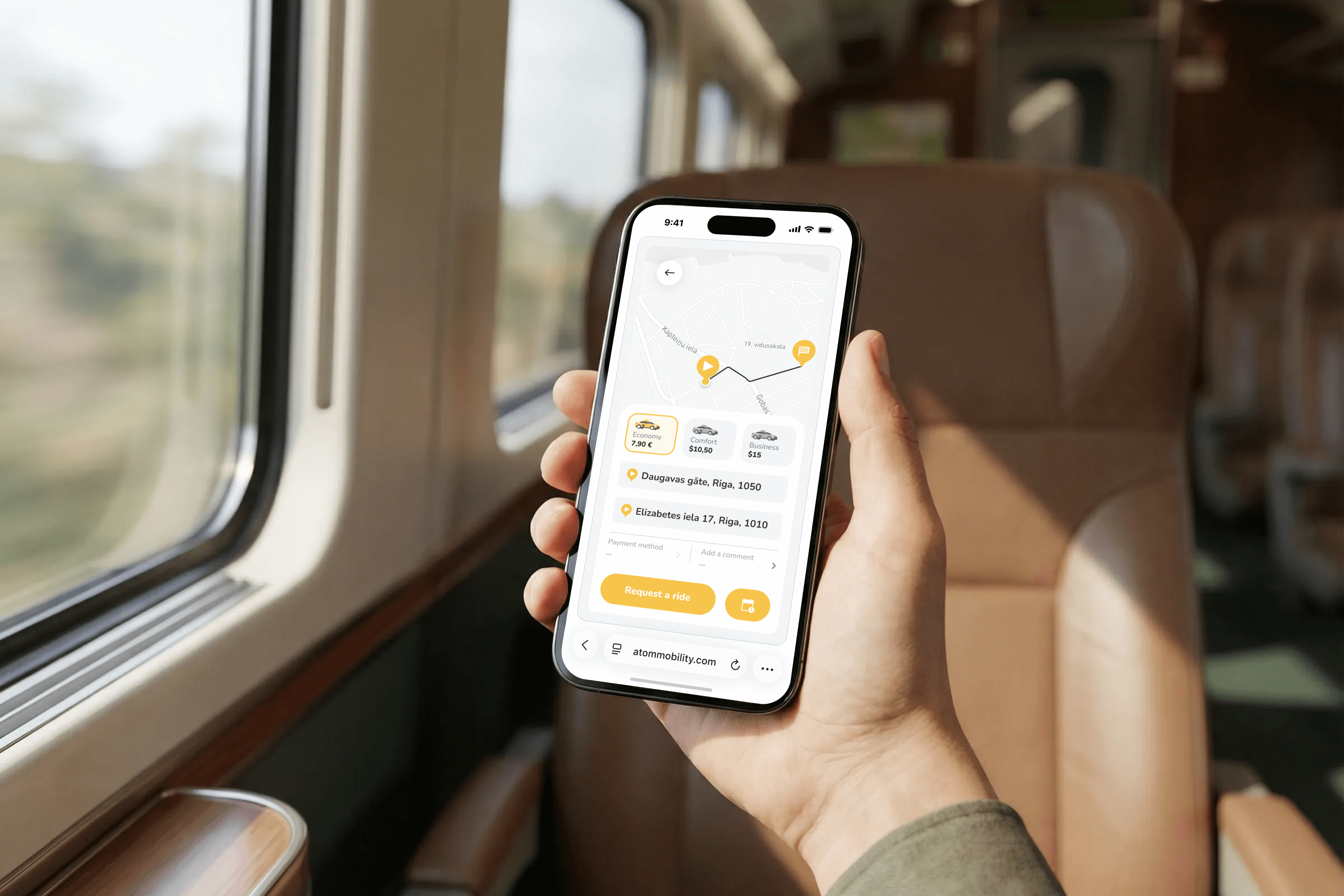
Web-booker is a browser-based ride-hail widget that operators can embed or link to from any website.
The booking happens on the web, but the ride is fully synchronized with the mobile app and operator dashboard.
No redirects. No app-store friction. No lost users.
This keeps fraud low while preserving conversion.
Web-booker addresses one of the most common friction points in ride-hailing: users who need a ride now but are not willing to download an app first. By allowing bookings directly from a website, operators can capture high-intent demand at the exact moment it occurs - whether that is on a hotel website, an event page, or a partner landing page.
At the same time, Web-booker makes partnerships with hotels and venues significantly easier. Instead of complex integrations or manual ordering flows, partners can simply place a button or link and immediately enable ride ordering for their guests. Importantly, this approach does not block long-term app growth. The booking flow still promotes the mobile app through QR codes and store links, allowing operators to convert web users into app users over time - without forcing the install upfront.
Web-booker is not designed to replace the mobile app. It extends the acquisition funnel by adding a low-friction entry point, while keeping all bookings fully synchronized with the operator’s app and dashboard.
👉 Try the demo
https://app.atommobility.com/taxi-widget
Want to explore a ride-hail or taxi solution for your business - or migrate to a more flexible platform? Visit: https://www.atommobility.com/products/ride-hailing
Credenciais de demonstração do Driver App - E-mail: test@atom.com, Senha: motorista

