Panoramica dell'hardware per la micromobilità condivisa (1/3): scooter, e-bike e ciclomotori
April 12, 2020
lettura minima



In ATOM Mobility, sappiamo che c'è molto da considerare quando si avvia un'azienda di mobilità. Per semplificare il processo, abbiamo stilato un elenco di alcuni produttori e modelli di veicoli consigliati più frequentemente sul mercato e attualmente integrati con ATOM Mobility. Contattaci se hai bisogno di una guida o di ulteriori informazioni.
Quali sono i veicoli più affidabili attualmente disponibili sul mercato?
scooter
Acton è specializzata in scooter elettronici progettati specificamente per le operazioni di flotta. L'azienda offre attualmente due diversi modelli di e-scooter e un modello di e-bike.

L'Acton M Pro il design robusto include livelli di resistenza leader del settore, saldature per impieghi gravosi ed estrusioni di alluminio proprietarie.
Velocità massima: 18,6 MPH/30,9 MIGLIA ALL'ORA
Intervallo: 30 miglia/48 km
Carica: 6 ore
Prezzo: Contattaci o direttamente ACTON

L'Acton Topswap è uno scooter elettrico progettato per includere un sistema di sostituzione della batteria brevettato (sulla base del modello Acton M Pro)
Velocità massima: 18,6 MPH/30,9 MIGLIA ALL'ORA
Intervallo: 30 miglia/48 km
Carica: 6 ore
Prezzo: Contattaci o direttamente ACTON
Situato a Hangzhou in Cina. Fitrider è un'azienda high-tech innovativa con una varietà di prodotti: scooter elettrici, e-bike, soluzioni con batterie sostituibili, IoT/GPS, serrature intelligenti e docking/stazioni di ricarica.

FitRider Scooter T2S con design a batteria sostituibile, ruote da 10 pollici, pneumatici solidi e freni a tamburo/disco.
Velocità massima: 15,5 MPH/25 KM/H
Intervallo: 20 miglia/35 km
Carica: 4-5 ore
Prezzo: Contattaci
Freego è il più grande produttore e il primo esportatore di scooter autobilanciati dal sud della Cina.
Velocità massima: 15,5 MPH/25 KM/H
Intervallo: 30 miglia/48 km
Carica: 3-5 ore
Prezzo: 600 EURO/556 EURO
Zhejiang Okai Vehicle Co., Ltd. produce scooter professionali di alta qualità, sia elettrici che a benzina. Gli scooter di questa azienda sono ampiamente utilizzati dalle più grandi società di scooter sharing in Europa.

Il modello ES400 è progettato specificamente per piattaforme di condivisione altamente efficienti. Batteria sostituibile, cavi molto resistenti e completamente nascosti.
Velocità massima: 18,6 MPH/29,9 KM/H
Intervallo: 16 Ah = circa 32 miglia/51,5 km, 9,6 Ah = circa 24 miglia/39 km
Carica: 3-4 ore
Prezzo: ES400 - 700 USD/650 EUR, ES200 (batteria non sostituibile) - 595 USD/550 EUR
Segway Inc. è il leader mondiale nel trasporto elettrico personale. Quasi tutte le principali società di condivisione utilizzano o usano scooter prodotti da Segway.

Il modello Segway Ninebot ES4 è stato il primo modello ampiamente utilizzato per la condivisione. Viene fornito con un'offerta a doppia batteria e un design solido. Tuttavia, la durata di questo modello è bassa rispetto agli altri veicoli in questa recensione.
Velocità massima: 18,6 MPH/29,9 KM/H
Intervallo: 28 miglia/45 km
Carica: 6-7 ore
Prezzo: 300-400 USD/250-350 EURO

I pneumatici da 10 pollici del Kickscooter MAX possono salire su pendii con una pendenza del 20%. Protezione speciale per i cavi. Modello resistente con possibilità di aggiornamento a PRO con funzione di batteria sostituibile.
Velocità massima: 18,6 MPH/29,9 KM/H
Intervallo: Circa 23 miglia/37 km
Carica: 6-7 ore
Prezzo: 480-580 EURO/440-540 EURO
Superpedestrian offre la prima piattaforma di micromobilità costruita su veicoli elettrici intelligenti e strumenti cloud.

Il modello Superdestrian dell'omonima società di mobilità con sede negli Stati Uniti offre una durata del veicolo di oltre 12 mesi, controlli di sicurezza in tempo reale, sistemi di protezione attiva e una solida offerta di design.
Velocità massima: 15,5 MPH/25 KM/H
Intervallo: 56 miglia/90 km
Carica: 7 ore
Prezzo: -
Biciclette elettriche/ciclomotori
Bicicletta elettrica Acton Nexus

Progettato specificamente per i servizi di flotta condivisa, questo modello di bicicletta elettronica verrà lanciato nella primavera del 2020 con IoT completamente integrato.
Velocità massima: 21,75 MPH/35 KM/H
Intervallo: 35 miglia/56 km
Carica: 6 ore
Prezzo: Contattaci o direttamente ACTON
NIU fornisce veicoli elettrici nella classe a due ruote alimentati da un motore elettrico Bosch e una batteria al litio Panasonic.

Progettato specificamente per i servizi di flotta condivisa, questo modello di bicicletta elettronica verrà lanciato nella primavera del 2020 con IoT completamente integrato.
Velocità massima: 28 MPH/45 KM/H
Intervallo: 35-45 miglia/50-70 km
Carica: 6 ore
Prezzo: 2593 EURO/2400 EURO

Il modello Gonbike Pab è una e-bike completamente integrata, con integrazione IoT nativa e elevata capacità della batteria fino a 49,7 m/80 km.
Velocità massima: 15,5 MPH/25 KM/H
Intervallo: 50 miglia/80 km
Carica: 6 ore
Prezzo: 995 EURO/930 EURO
FitRider M2 bici elettrica

Design della batteria sostituibile, ruote da 14 o 16 pollici, telaio robusto, freno a tamburo e IoT/GPS integrato.
Velocità massima: 15,5 MPH/25 KM/H
Intervallo: 45 miglia/70 km
Carica: 3-5 ore
Prezzo: Contattaci
Questa è la prima parte della panoramica dell'hardware. Nel prossimo post del blog tratteremo i dispositivi IoT/GPS e poi le serrature intelligenti. Contattate ATOM Mobility per ulteriori domande o richieste sui prodotti e sui fornitori disponibili.
ATOM Mobility - Consentiamo agli imprenditori di lanciare piattaforme di condivisione di veicoli.
Fai clic qui sotto per saperne di più o richiedere una demo.

The micromobility industry doesn’t need another generic mobility conference. 🚫🎤 It needs real conversations between operators who are actually in the field. ⚙️ That’s exactly what ATOM Connect 2026 is built for. 🎯🤝
The shared mobility industry is evolving rapidly. Operators are navigating scaling challenges, regulatory complexity, hardware decisions, fleet optimization, and new integration models, all while aiming for sustainable growth.
That’s exactly why ATOM Mobility is organizing ATOM Connect 2026.
Our previous edition of ATOM Connect brought together professionals from the car sharing and rental industry for focused, high-quality discussions and networking. This year, we are narrowing the focus and dedicating the entire event to one fast-moving segment of the industry: shared micromobility.
ATOM Connect 2026 is designed specifically for operators, partners, and decision-makers working in shared micromobility. It is not a broad mobility conference or a public exhibition. It is a curated space for industry professionals to exchange practical experience, insights, and lessons learned.
On May 14th, 2026 in Riga, we will once again bring the community together, this time with a clear focus on micromobility.
This year’s agenda will address the real operational and strategic questions shaping shared micromobility today:
As usual, we aim to host both local and international operators from smaller, fast-growing fleets to established large-scale players alongside hardware providers and ecosystem partners.
On stage, you’ll hear from leading shared mobility companies - including Segway on hardware partnerships, Umob on MaaS integration, Anadue on data-driven fleet intelligence, Elerent on multi-vehicle operational realities and more insightful discussions.
The goal is simple: meaningful discussions with people who understand the operational realities of the industry.
ATOM Connect is free to attend, but participation is industry-focused (each submission is manually reviewed and verified). We are intentionally keeping the audience relevant and aligned to ensure high-quality conversations and valuable networking.
If you work in shared micromobility and would like to join the event, you can find the full agenda and register here:
👉 https://www.atommobility.com/atom-connect-2026
In the coming weeks, we will be revealing more speakers and additional agenda updates. We look forward to bringing the industry together again.
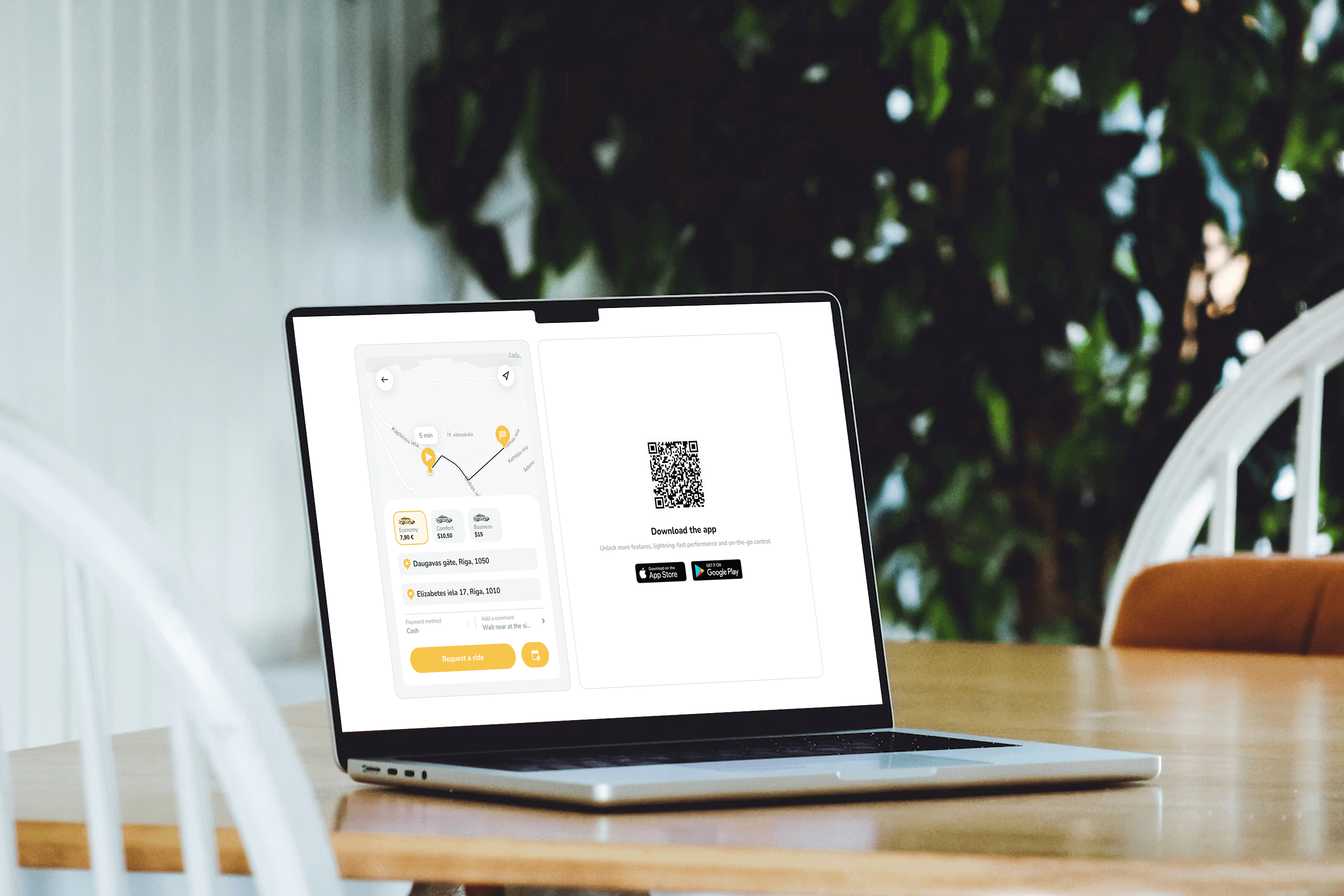
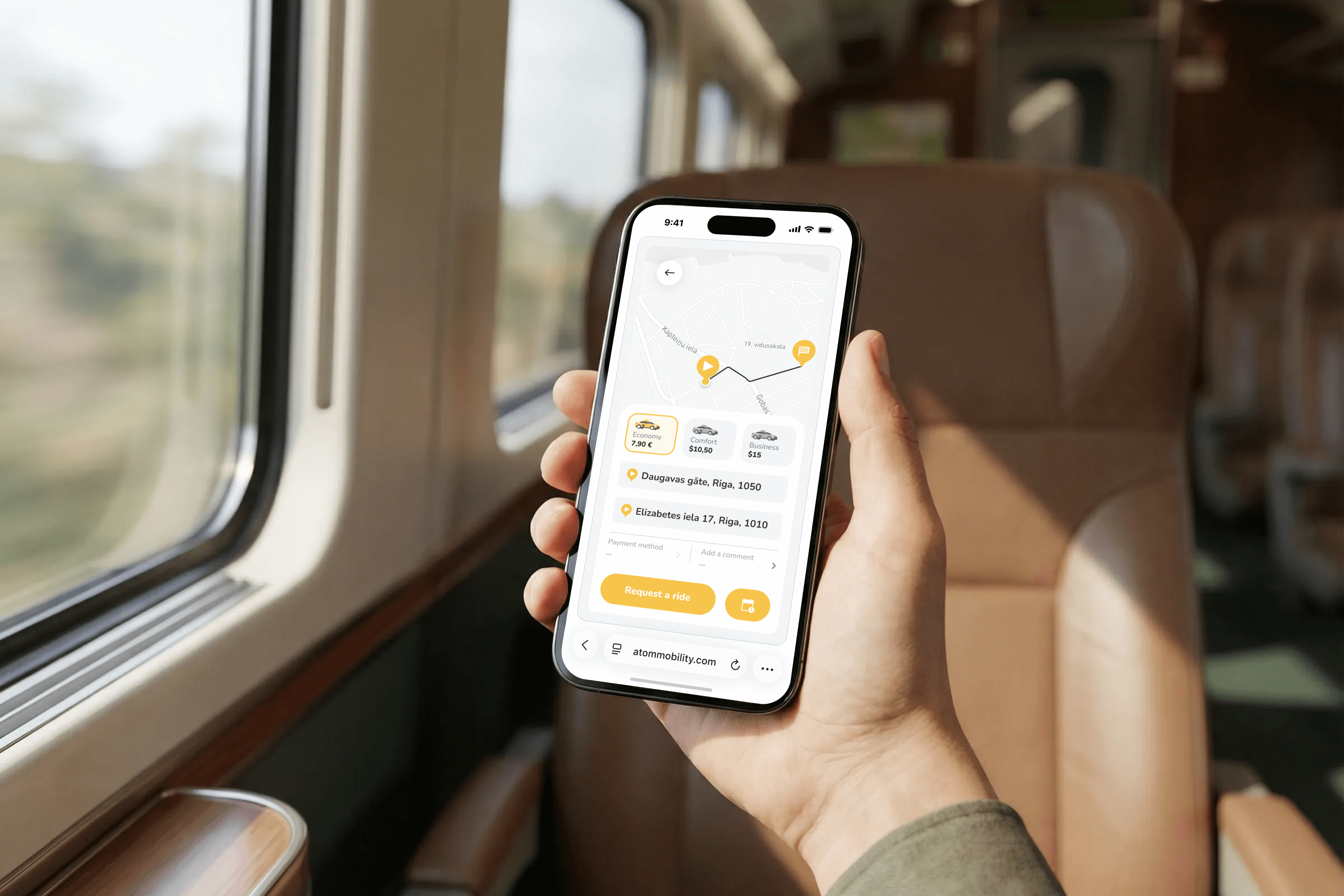
🚕 Web-booker is a lightweight ride-hail widget that lets users book rides directly from a website or mobile browser - no app install required. It reduces booking friction, supports hotel and partner demand, and keeps every ride fully synced with the taxi operator’s app and dashboard.
What if ordering a taxi was as easy as booking a room or clicking “Reserve table” on a website?
Meet Web-booker - a lightweight ride-hail booking widget that lets users request a cab directly from a website, without installing or opening the mobile app.
Perfect for hotels, business centers, event venues, airports, and corporate partners.
👉 Live demo: https://app.atommobility.com/taxi-widget
Web-booker is a browser-based ride-hail widget that operators can embed or link to from any website.
The booking happens on the web, but the ride is fully synchronized with the mobile app and operator dashboard.
No redirects. No app-store friction. No lost users.
This keeps fraud low while preserving conversion.
Web-booker addresses one of the most common friction points in ride-hailing: users who need a ride now but are not willing to download an app first. By allowing bookings directly from a website, operators can capture high-intent demand at the exact moment it occurs - whether that is on a hotel website, an event page, or a partner landing page.
At the same time, Web-booker makes partnerships with hotels and venues significantly easier. Instead of complex integrations or manual ordering flows, partners can simply place a button or link and immediately enable ride ordering for their guests. Importantly, this approach does not block long-term app growth. The booking flow still promotes the mobile app through QR codes and store links, allowing operators to convert web users into app users over time - without forcing the install upfront.
Web-booker is not designed to replace the mobile app. It extends the acquisition funnel by adding a low-friction entry point, while keeping all bookings fully synchronized with the operator’s app and dashboard.
👉 Try the demo
https://app.atommobility.com/taxi-widget
Want to explore a ride-hail or taxi solution for your business - or migrate to a more flexible platform? Visit: https://www.atommobility.com/products/ride-hailing
Credenziali demo dell'app Driver - Email: test@atom.com, Password: autista

