Gestire un'attività di mobilità condivisa di successo è molto più che fornire spostamenti da un luogo all'altro. Si tratta di mettere i clienti al centro della tua attività, facendoli sentire apprezzati, apprezzati e al centro di tutti i tuoi sforzi. In altre parole, implica un approccio incentrato sul cliente.
Diamo un'occhiata più da vicino a cosa significa una strategia incentrata sul cliente, perché è importante e come adottarla in un attività di mobilità condivisa.
Cosa significa essere incentrati sul cliente e perché è importante
La centralità del cliente significa dare forma alla tua attività per offrire un'esperienza cliente eccellente in ogni fase. È una strategia per rafforzare la fedeltà e la soddisfazione del marchio, portando a relazioni con i clienti più profonde e durature.
Si tratta di modellare i tuoi messaggi e servizi in modo che corrispondano a ciò che i tuoi clienti desiderano e apprezzano. Essere incentrati sul cliente significa riconoscere il ruolo fondamentale che i clienti svolgono nel successo di qualsiasi azienda.
Ecco i motivi principali per cui è una strategia utile da prendere in considerazione:
- Soddisfazione e fedeltà del cliente: Quando metti i tuoi clienti al primo posto, hai maggiori probabilità di fornire loro ciò che vogliono veramente e i clienti soddisfatti hanno maggiori probabilità di rimanere fedeli al tuo marchio.
- Reputazione positiva: I clienti soddisfatti diventano i sostenitori del tuo marchio. Condividono le loro esperienze positive, migliorando la reputazione del tuo marchio e attirando nuovi clienti.
- È più facile rimanere all'avanguardia: Parlare con i clienti e ottenere il loro feedback può contribuire a rendere i tuoi servizi più innovativi e proattivi. Ti aiuta a rimanere all'avanguardia e a soddisfare le mutevoli richieste dei clienti.
Aspetti chiave di un'attività di mobilità condivisa incentrata sul cliente
Ora, diamo un'occhiata alle aree chiave in cui le aziende di mobilità condivisa possono migliorare la facilità d'uso dei loro servizi per i clienti.
Software intuitivo e coinvolgente
Per migliorare l'esperienza utente e semplificare le operazioni, investendo in software di car sharing è essenziale per le aziende che mirano a soddisfare le aspettative dei clienti in un panorama di mobilità in rapida evoluzione. Il software è spesso il primo punto di contatto per i clienti quando iniziano a utilizzare un servizio di mobilità condivisa ed è importante garantire che questa prima impressione sia positiva.
In questo caso, un approccio incentrato sull'utente consiste nell'assicurarsi che il software non sia di intralcio, ma migliori piuttosto l'esperienza dell'utente. Per i clienti, prenotare una corsa o noleggiare un veicolo dovrebbe essere semplice.

Considera questi fattori quando intendi fornire un'esperienza software incentrata sul cliente:
- Mantienilo semplice: Assicurati che il software sia semplice e facile da usare, soprattutto per le persone che potrebbero non essere esperte di tecnologia. È una buona idea avere un layout chiaro: mantieni l'interfaccia organizzata con pulsanti facilmente visibili per attività chiave come prenotare le corse, controllare i dettagli delle corse e fornire feedback.
- Consenti ai clienti di pagare come preferiscono: Offri agli utenti diversi modi per pagare (carte, ApplePay, GooglePay, PayPal e altro) e, se possibile, mostra loro una stima del costo del servizio prima che lo confermino. Questo aiuta gli utenti a sapere cosa aspettarsi e rende il processo più trasparente e intuitivo.
- Funzionalità per promuovere il coinvolgimento: Prendi in considerazione funzionalità aggiuntive che possono aumentare il coinvolgimento degli utenti e rendere l'esperienza complessiva più piacevole. Un'opzione interessante da esplorare è gamification, che prevede l'infusione nelle app di elementi simili a giochi. L'idea è di offrire agli utenti una sensazione di realizzazione man mano che avanzano e completano varie attività all'interno dell'app. Implementazione efficace software per la condivisione di scooter può migliorare significativamente il coinvolgimento dei clienti fornendo un'esperienza di noleggio piacevole e senza interruzioni, su misura per i pendolari urbani.
Se stai cercando una soluzione white label, Mobilità atomica offre un'app mobile intuitiva ad alta conversione per iOS e Android, che può essere personalizzata in base al tuo marchio. L'app viene aggiornata regolarmente e supporta vari tipi di veicoli, lingue e posizioni geografiche.
Ottima assistenza clienti
Quando un'azienda si occupa solo di rendere felici i clienti e metterli al primo posto, uno degli aspetti chiave è avere un'ottima assistenza clienti. È fondamentale per migliorare la soddisfazione, la fidelizzazione e il passaparola positivo dei clienti.

Ecco i principi chiave che definiscono un'ottima assistenza clienti:
- Velocità: Ai clienti non piace aspettare molto tempo per ricevere risposte alle loro domande: vogliono soluzioni rapide alle loro domande. È una buona idea offrire ai clienti varie opzioni per ottenere assistenza, ad esempio telefono, e-mail, chat e social media. Puoi anche offrire strumenti di autoaiuto come domande frequenti, chatbot e guide online. Ad alcuni clienti piace trovare le risposte da soli, il che può ridurre il numero di domande che richiedono assistenza umana.
- Conoscenza: Sebbene essere veloci sia importante, dovrebbe derivare dalla conoscenza dei tuoi dati e dalla fornitura di informazioni accurate ai clienti. I rappresentanti dell'assistenza devono avere una conoscenza approfondita dei servizi, delle politiche e delle risorse disponibili della tua azienda. I clienti devono avere fiducia nelle informazioni fornite dal team di assistenza clienti: nessuno vuole chiamare ripetutamente lo stesso problema.
- Trattare i clienti con cura: Un buon servizio clienti significa trattare i clienti con rispetto, cortesia e professionalità in ogni interazione. A volte i clienti possono sentirsi ansiosi o frustrati ed è fondamentale entrare in empatia con le loro esigenze: immaginatevi nella loro situazione e fate sapere loro che siete completamente impegnati a risolvere il loro problema.
Sicurezza, feedback e soluzioni proattive
Esploriamo altri fattori importanti come la sicurezza, il feedback e le soluzioni proattive che possono consolidare il ruolo di un'azienda incentrata sul cliente.
- Impegno per la sicurezza e l'affidabilità: Secondo un sondaggio di McKinsey, la sicurezza è la massima priorità per gli utenti di mobilità condivisa in tutto il mondo. In altre parole, le aziende dovrebbero rendere i clienti sicuri della loro capacità di fornire servizi sicuri e affidabili. Prendiamo ad esempio i veicoli di una flotta di micromobilità condivisa: dovrebbero essere ben mantenuti sia nell'aspetto che nelle condizioni tecniche. Ciò garantisce che i clienti si sentano sicuri e protetti quando li utilizzano. Le aziende che si occupano di ride-hailing dovrebbero trovare il modo di promuovere una guida sicura e agire con fermezza contro i conducenti che non rispettano le regole.
- Ascolta e agisci in base al feedback: Dovresti coinvolgere attivamente i tuoi clienti attraverso un ciclo di feedback continuo. Raccogli e analizza il feedback dei tuoi clienti, tramite sondaggi in-app, e-mail o canali di social media. In questo modo, puoi identificare le aree di miglioramento e apportare le modifiche necessarie per migliorare l'esperienza del cliente. Utilizzando un sistema completo software per il bike sharing, le aziende possono promuovere un approccio più incentrato sul cliente, garantendo agli utenti un comodo accesso a opzioni di trasporto ecologiche. Quando i clienti pensano che il loro feedback sia importante, di solito si sentono più legati a un'azienda.
- Rimani un passo avanti rispetto alla curva: Ultimo ma sicuramente non meno importante: cerca di essere proattivo. Quando vedi un'opportunità per migliorare le cose, non c'è bisogno di aspettare che un cliente te lo indichi: vai avanti e fallo. Rimanendo all'avanguardia, puoi sorprendere piacevolmente i tuoi clienti e persino superare le loro aspettative.
Conclusione: mettere il cliente al primo posto
Una grande azienda di mobilità condivisa non si limita a passare dal punto A al punto B: è un'esperienza che i clienti apprezzano e vogliono ripetere. Con gli strumenti e la mentalità giusti, puoi offrire questo tipo di esperienza ai tuoi clienti e porre le basi per il successo a lungo termine della tua azienda. Un approccio incentrato sul cliente riconosce semplicemente che i tuoi clienti siamo la tua azienda, poiché la loro soddisfazione è ciò che alimenta il tuo successo.
Fai clic qui sotto per saperne di più o richiedere una demo.

🚕 Web-booker is a lightweight ride-hail widget that lets users book rides directly from a website or mobile browser - no app install required. It reduces booking friction, supports hotel and partner demand, and keeps every ride fully synced with the taxi operator’s app and dashboard.
What if ordering a taxi was as easy as booking a room or clicking “Reserve table” on a website?
Meet Web-booker - a lightweight ride-hail booking widget that lets users request a cab directly from a website, without installing or opening the mobile app.
Perfect for hotels, business centers, event venues, airports, and corporate partners.
👉 Live demo: https://app.atommobility.com/taxi-widget
What is Web-booker?
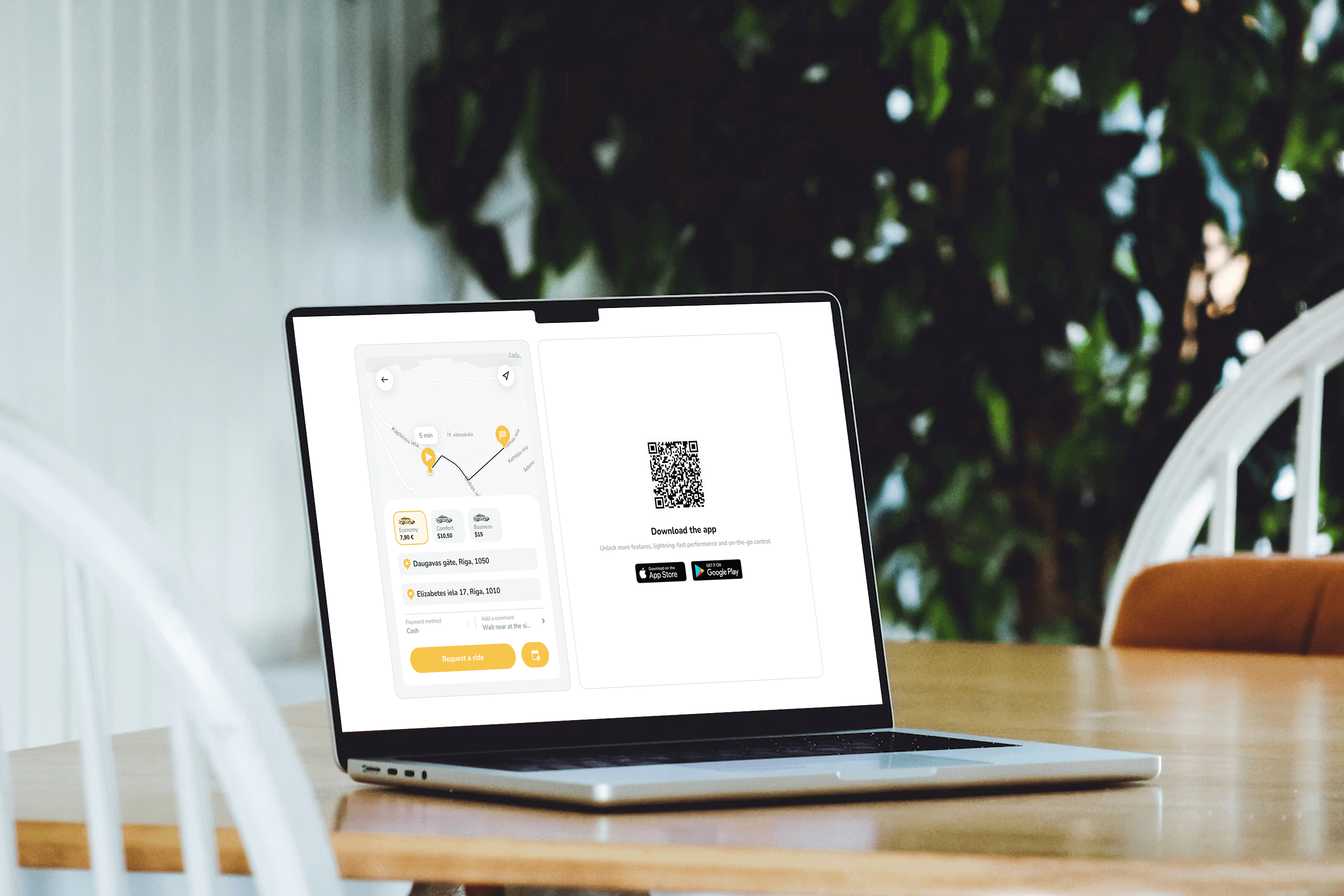
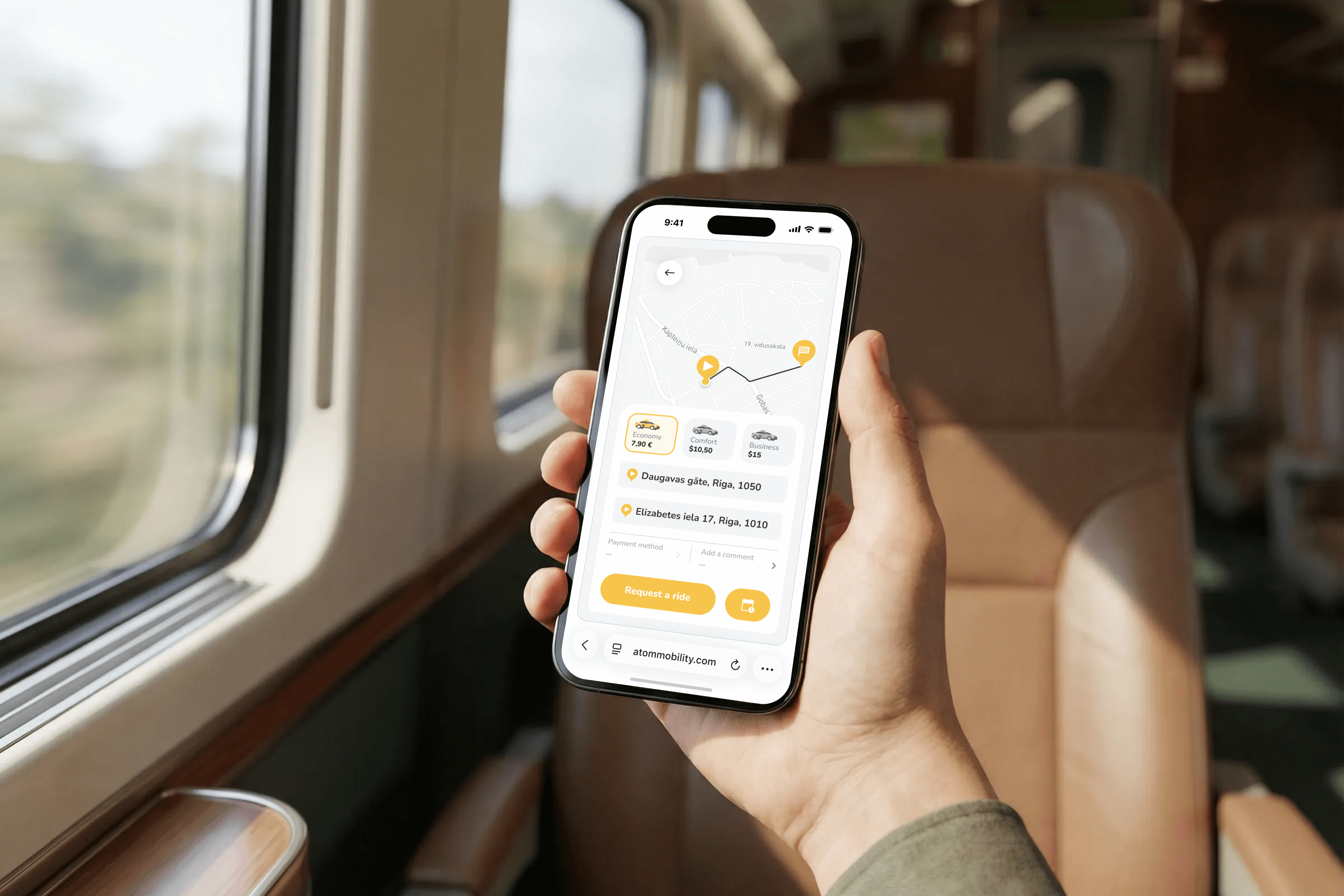
Web-booker is a browser-based ride-hail widget that operators can embed or link to from any website.
The booking happens on the web, but the ride is fully synchronized with the mobile app and operator dashboard.
How it works (simple by design)
- Client places a button or link on their website
- Clicking it opens a new window with the ride-hail widget
- The widget is branded, localized, and connected directly to the operator’s system
- Booking instantly appears in the dashboard and mobile app
No redirects. No app-store friction. No lost users.
Key capabilities operators care about

🎨 Branded & consistent
- Widget color automatically matches the client’s app branding
- Feels like a natural extension of the operator’s ecosystem
- Fully responsive and optimized for mobile browsers, so users can book a ride directly from their phone without installing the app
📱 App growth built in
- QR code and App Store / Google Play links shown directly in the widget
- Smooth upgrade path from web → app
🔄 Fully synced ecosystem
- Country code auto-selected based on user location
- Book via web → see the ride in the app (same user credentials)
- Dashboard receives booking data instantly
- Every booking is tagged with Source:
- App
- Web (dashboard bookings)
- Booker (website widget)
- API
🔐 Clean & secure session handling
- User is logged out automatically when leaving the page
- No persistent browser sessions
💵 Payments logic
- New users: cash only
- Existing users: can choose saved payment methods
- If cash is not enabled → clear message prompts booking via the app
This keeps fraud low while preserving conversion.
✅ Default rollout
- Enabled by default for all ride-hail merchants
- No extra setup required
- Operators decide where and how to use it (hotel partners, landing pages, QR posters, etc.)
Why this matters in practice
Web-booker addresses one of the most common friction points in ride-hailing: users who need a ride now but are not willing to download an app first. By allowing bookings directly from a website, operators can capture high-intent demand at the exact moment it occurs - whether that is on a hotel website, an event page, or a partner landing page.
At the same time, Web-booker makes partnerships with hotels and venues significantly easier. Instead of complex integrations or manual ordering flows, partners can simply place a button or link and immediately enable ride ordering for their guests. Importantly, this approach does not block long-term app growth. The booking flow still promotes the mobile app through QR codes and store links, allowing operators to convert web users into app users over time - without forcing the install upfront.
Web-booker is not designed to replace the mobile app. It extends the acquisition funnel by adding a low-friction entry point, while keeping all bookings fully synchronized with the operator’s app and dashboard.
👉 Try the demo
https://app.atommobility.com/taxi-widget

🚲 Cleaner air, less traffic, and better city living - bike-sharing apps are making it happen. With seamless apps, smart integration, and the right infrastructure, shared bikes are becoming a real alternative to cars in cities across Europe.💡 See how bike-sharing supports sustainable mobility and what cities and operators can do to get it right.
Bike-sharing apps are reshaping urban mobility. What began as a practical way to get around without owning a bike is now part of a bigger shift toward sustainable transport.
These services are doing more than replacing short car trips. They help cities cut emissions, reduce congestion, improve health, and connect better with public transport.
As more cities rethink how people move, bike sharing continues to grow as one of the fastest and most affordable tools to support this change.
Why bike sharing is important
Bike-sharing services now operate in over 150 European cities, with more than 438,000 bikes in circulation. These systems help prevent around 46,000 tonnes of CO₂ emissions annually and reduce reliance on private cars in dense urban areas. They also improve air quality, lower noise levels, and make cities more pleasant to live in.
A recent study by EIT Urban Mobility and Cycling Industries Europe, carried out by EY, found that bike-sharing services generate around €305 million in annual benefits across Europe. This includes reduced emissions, lower healthcare costs, time saved from less congestion, and broader access to jobs and services.
For cities, the numbers speak for themselves: every euro invested yields a 10% annual return, generating €1.10 in positive externalities. By 2030, these benefits could triple to €1 billion if bike-sharing is prioritized.
Connecting with public transport
Bike sharing works best when it fits into the wider transport system. Most car trips that bike sharing replaces are short and often happen when public transport doesn’t quite reach the destination. That last kilometer between a bus stop and your home or office can be enough to make people choose the car instead.
Placing shared bikes near metro stations, tram stops, or bus terminals makes it easier for people to leave their cars behind. This “last-mile” connection helps more people use public transport for the long part of their trip and hop on a bike for the short part. Over time, that encourages more consistent use of both bikes and transit.
In cities where bike sharing is integrated into travel passes or mobility platforms, users can combine modes in a single journey. That flexibility supports wider access and makes shared bikes part of everyday mobility, not just something used occasionally.
What the app brings to the experience
The digital experience behind bike sharing is a big part of why it works. People can check availability, unlock a bike, pay, and end their trip – all in one app. This makes it quick, simple, and consistent.
Good bike-sharing apps also offer:
- Real-time vehicle status
- Contactless ID verification and onboarding
- Support for short trips and subscriptions
- Usage history and cost tracking
- Optional features like carbon savings or route suggestions
When users don’t need to think twice about how the system works, they’re more likely to build regular habits around it. That habit shift is what makes a long-term difference for both users and cities.
Wider city-level benefits
Bike sharing isn’t just a transport service. It helps cities meet public goals – cleaner air, lower traffic, healthier residents, and better access to services. When someone chooses a bike instead of a car, it reduces the demand for fuel, parking, and space on the road.
The €305 million annual benefit includes health savings due to increased physical activity, avoided emissions, time gained from reduced congestion, and the creation of jobs tied to fleet operations. Many bike-sharing schemes also improve equity by giving people access to mobility in areas that are underserved by public transport or where car ownership isn’t affordable.
Shared bikes are especially useful in mid-sized cities where distances are manageable and car traffic still dominates. With the right policy support, even small fleets can have a noticeable impact on mobility patterns and public health.
What makes a system work well
Not every bike-sharing system succeeds. To be reliable and scalable, a few things must work together:
- Safe, protected bike lanes
- Well-placed stations near high-demand areas
- Bikes that are easy to maintain and manage
- Operators that monitor usage and shift bikes to where they’re needed
- City policies that support cycling and reduce reliance on cars
Successful systems often grow in partnership with city governments, public transport agencies, and private operators who bring technology, logistics, and know-how.
The role of software and operations
Reliable software is what keeps all parts of the system connected. From unlocking a bike to seeing usage trends across the city, operators need tools that are stable, flexible, and easy to manage. For those launching or scaling a fleet, platforms like ATOM Mobility offer ready-made solutions that handle booking, payments, ID checks, live tracking, and fleet control in one place.

The platform supports both electric and mechanical bikes, offers branded apps, and integrates with smart locks or IoT modules for remote vehicle access. It also lets operators adjust pricing, monitor vehicle health, and manage customer support in real time. That means smaller teams can launch faster and scale smarter, without having to build every tool from scratch.
A small change with a big effect
Bike sharing won’t replace all car trips, but even a small shift makes a difference. A few short rides per week can reduce emissions, improve fitness, and save time spent in traffic. When these trips are supported by good infrastructure, public awareness, and seamless apps, the impact grows.
As cities continue to prioritise sustainability, shared micromobility will play a bigger role in helping people move in cleaner, healthier, and more flexible ways. With the right technology and planning, bike sharing becomes more than a service – it becomes a habit that supports better cities for everyone.