Como a IA está transformando o setor de micromobilidade?
July 2, 2024
leitura mínima


A Inteligência Artificial (IA) está revolucionando vários setores, e a micromobilidade não é exceção. Ao integrar a IA em e-scooters, bicicletas elétricas, carros e outros veículos pequenos, o setor está se tornando mais inteligente, seguro e eficiente. A proeza da IA em processamento de dados, análise preditiva e aprendizado de máquina está impulsionando essa transformação, tornando as operações mais inovadoras e produtivas e estabelecendo um futuro brilhante para a micromobilidade.
Vamos explorar como a IA está causando um impacto significativo no setor de micromobilidade por meio de estacionamento inteligente, preços e rebalanceamento dinâmicos e detecção de danos.
Da automatização de tarefas rotineiras ao fornecimento de insights profundos por meio da análise de dados, a IA está remodelando a forma como navegamos em ambientes urbanos. Sua capacidade de aprender com grandes quantidades de dados e tomar decisões em tempo real é crucial para o desenvolvimento de soluções de transporte eficientes, sustentáveis e fáceis de usar.
Micromobilidade se refere a veículos pequenos e fáceis de manobrar, como e-scooters, e-bikes e bicicletas compartilhadas, que operam a velocidades normalmente abaixo de 25 km/h. O aumento da micromobilidade é impulsionado pela necessidade de transporte urbano conveniente, econômico e ecológico. A IA ajuda a enfrentar desafios críticos no setor de micromobilidade, incluindo gerenciamento de estacionamento, estratégias de preços, rebalanceamento de frotas e detecção de danos. Empresas como INTERRUPTOR estão liderando o caminho usando algoritmos avançados para gerar dados sintéticos, prever a demanda, otimizar a distribuição da frota e apoiar o planejamento estratégico.
O estacionamento inadequado pode bagunçar as calçadas e criar problemas de acessibilidade, frustrando muitos moradores urbanos. A análise de estacionamento baseada em IA fornece uma solução prática:
Resultados? Estudos mostram que a análise de estacionamento por IA pode melhorar drasticamente a conformidade. Por exemplo, 52% dos veículos estacionados incorretamente são estacionados corretamente na segunda tentativa, aumentando para 82% na terceira tentativa.
Se você estiver interessado em explorar mais essas soluções, leia um estudo de caso da ATOM Mobility em colaboração com Solução de verificação de fotos baseada em IA do Captur.
A IA aprimora a utilização da frota e a satisfação do cliente por meio de estratégias dinâmicas de preços e reequilíbrio:
Um estudo de caso revelou que scooters colocados em áreas recomendadas pela IA tiveram um aumento de 6% na receita média, e veículos rebalanceados tiveram um aumento de uso de 10,8% em 24 horas.
Manter a condição do veículo é crucial para a segurança e a longevidade. Os sistemas de detecção de danos com inteligência artificial oferecem uma solução:
A automação da detecção de danos ajuda os operadores a manter altos padrões de segurança e reduz o tempo de inatividade devido às inspeções manuais. Empresas como FocalX simplifique a funcionalidade de detecção de danos.
A integração da IA na micromobilidade está revolucionando o setor ao aprimorar a eficiência operacional, a experiência do usuário e a segurança. À medida que a tecnologia de IA continua evoluindo, seu papel na formação do futuro da micromobilidade crescerá, impulsionando o setor em direção a soluções de transporte urbano mais inteligentes e sustentáveis.
Para operadoras de micromobilidade, adotar tecnologias de IA não é apenas uma opção, mas uma necessidade para se manter competitivo e atender às crescentes demandas dos passageiros urbanos. O futuro da micromobilidade é inteligente, eficiente e orientado por IA.
Pronto para mergulhar mais fundo no mundo da mobilidade compartilhada e aprender a usar a IA para transformar sua empresa? Junte-se à ATOM Academy para obter conhecimento especializado GRATUITO, insights práticos e estratégias inovadoras que ajudarão você a se manter à frente no setor de micromobilidade em rápida evolução. Visita Mobilidade ATOM para saber mais. Vamos juntos conduzir o futuro do transporte urbano!
Clique abaixo para saber mais ou solicitar uma demonstração.

The micromobility industry doesn’t need another generic mobility conference. 🚫🎤 It needs real conversations between operators who are actually in the field. ⚙️ That’s exactly what ATOM Connect 2026 is built for. 🎯🤝
The shared mobility industry is evolving rapidly. Operators are navigating scaling challenges, regulatory complexity, hardware decisions, fleet optimization, and new integration models, all while aiming for sustainable growth.
That’s exactly why ATOM Mobility is organizing ATOM Connect 2026.
Our previous edition of ATOM Connect brought together professionals from the car sharing and rental industry for focused, high-quality discussions and networking. This year, we are narrowing the focus and dedicating the entire event to one fast-moving segment of the industry: shared micromobility.
ATOM Connect 2026 is designed specifically for operators, partners, and decision-makers working in shared micromobility. It is not a broad mobility conference or a public exhibition. It is a curated space for industry professionals to exchange practical experience, insights, and lessons learned.
On May 14th, 2026 in Riga, we will once again bring the community together, this time with a clear focus on micromobility.
This year’s agenda will address the real operational and strategic questions shaping shared micromobility today:
As usual, we aim to host both local and international operators from smaller, fast-growing fleets to established large-scale players alongside hardware providers and ecosystem partners.
On stage, you’ll hear from leading shared mobility companies - including Segway on hardware partnerships, Umob on MaaS integration, Anadue on data-driven fleet intelligence, Elerent on multi-vehicle operational realities and more insightful discussions.
The goal is simple: meaningful discussions with people who understand the operational realities of the industry.
ATOM Connect is free to attend, but participation is industry-focused (each submission is manually reviewed and verified). We are intentionally keeping the audience relevant and aligned to ensure high-quality conversations and valuable networking.
If you work in shared micromobility and would like to join the event, you can find the full agenda and register here:
👉 https://www.atommobility.com/atom-connect-2026
In the coming weeks, we will be revealing more speakers and additional agenda updates. We look forward to bringing the industry together again.
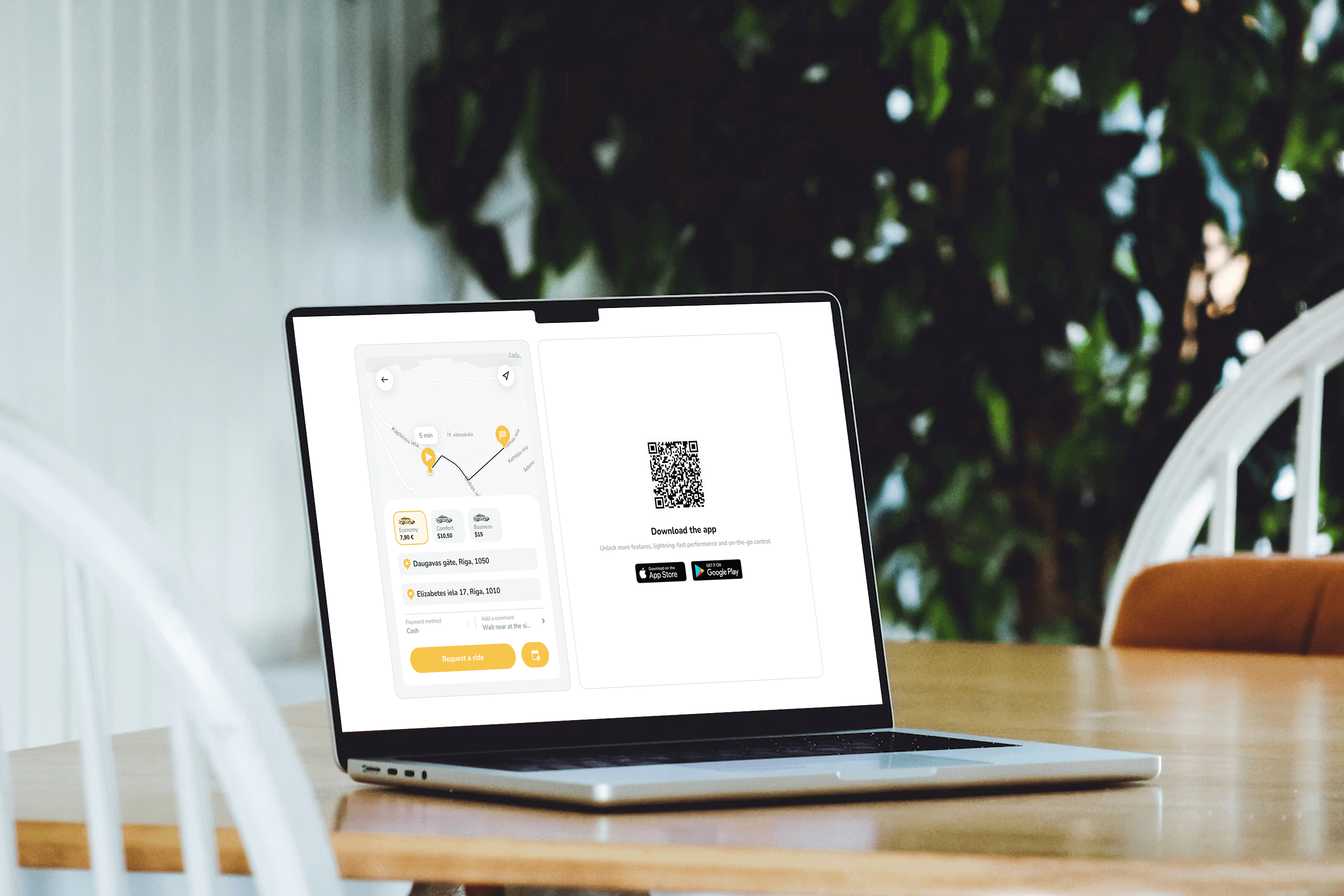
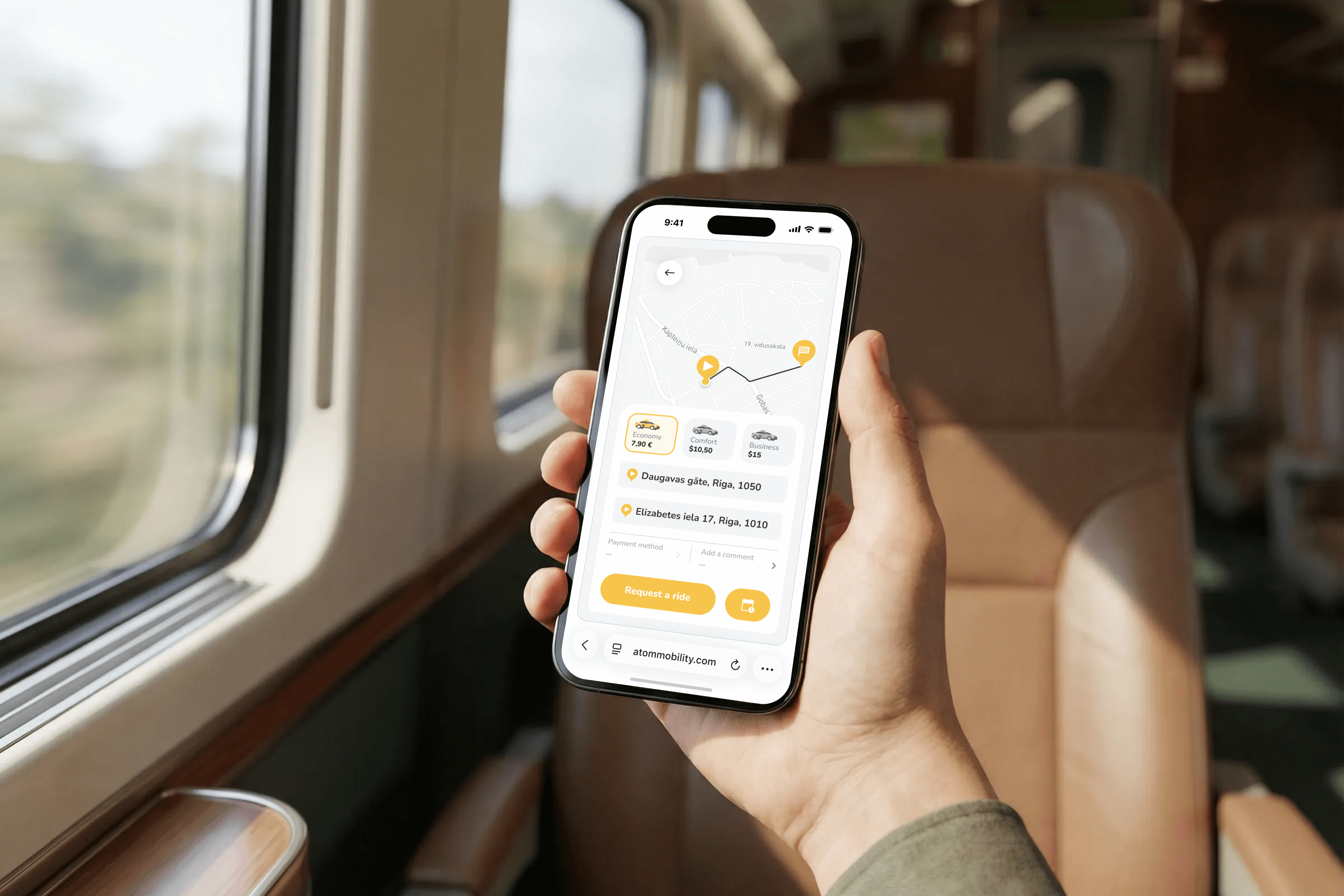
🚕 Web-booker is a lightweight ride-hail widget that lets users book rides directly from a website or mobile browser - no app install required. It reduces booking friction, supports hotel and partner demand, and keeps every ride fully synced with the taxi operator’s app and dashboard.
What if ordering a taxi was as easy as booking a room or clicking “Reserve table” on a website?
Meet Web-booker - a lightweight ride-hail booking widget that lets users request a cab directly from a website, without installing or opening the mobile app.
Perfect for hotels, business centers, event venues, airports, and corporate partners.
👉 Live demo: https://app.atommobility.com/taxi-widget
Web-booker is a browser-based ride-hail widget that operators can embed or link to from any website.
The booking happens on the web, but the ride is fully synchronized with the mobile app and operator dashboard.
No redirects. No app-store friction. No lost users.
This keeps fraud low while preserving conversion.
Web-booker addresses one of the most common friction points in ride-hailing: users who need a ride now but are not willing to download an app first. By allowing bookings directly from a website, operators can capture high-intent demand at the exact moment it occurs - whether that is on a hotel website, an event page, or a partner landing page.
At the same time, Web-booker makes partnerships with hotels and venues significantly easier. Instead of complex integrations or manual ordering flows, partners can simply place a button or link and immediately enable ride ordering for their guests. Importantly, this approach does not block long-term app growth. The booking flow still promotes the mobile app through QR codes and store links, allowing operators to convert web users into app users over time - without forcing the install upfront.
Web-booker is not designed to replace the mobile app. It extends the acquisition funnel by adding a low-friction entry point, while keeping all bookings fully synchronized with the operator’s app and dashboard.
👉 Try the demo
https://app.atommobility.com/taxi-widget
Want to explore a ride-hail or taxi solution for your business - or migrate to a more flexible platform? Visit: https://www.atommobility.com/products/ride-hailing
Credenciais de demonstração do Driver App - E-mail: test@atom.com, Senha: motorista

