In che modo l'IA sta trasformando il settore della micromobilità?
July 2, 2024
lettura minima


L'intelligenza artificiale (AI) sta rivoluzionando diversi settori e la micromobilità non fa eccezione. Integrando l'intelligenza artificiale in e-scooter, e-bike, auto e altri piccoli veicoli, il settore sta diventando più intelligente, sicuro ed efficiente. L'abilità dell'IA nell'elaborazione dei dati, nell'analisi predittiva e nell'apprendimento automatico sta guidando questa trasformazione, rendendo le operazioni più innovative e produttive e definendo un futuro brillante per la micromobilità.
Esploriamo in che modo l'intelligenza artificiale sta avendo un impatto significativo sul settore della micromobilità attraverso parcheggi intelligenti, prezzi e riequilibrio dinamici e rilevamento dei danni.
Dall'automazione delle attività di routine alla fornitura di informazioni approfondite attraverso l'analisi dei dati, l'intelligenza artificiale sta rimodellando il modo in cui navighiamo negli ambienti urbani. La sua capacità di apprendere da grandi quantità di dati e prendere decisioni in tempo reale è fondamentale per lo sviluppo di soluzioni di trasporto efficienti, sostenibili e facili da usare.
La micromobilità si riferisce a veicoli piccoli e facili da manovrare come scooter elettrici, e-bike e biciclette condivise che funzionano a velocità generalmente inferiori a 25 km/h. L'aumento della micromobilità è guidato dalla necessità di un trasporto urbano comodo, economico ed ecologico. L'intelligenza artificiale aiuta ad affrontare le sfide critiche nel settore della micromobilità, tra cui la gestione dei parcheggi, le strategie tariffarie, il riequilibrio della flotta e il rilevamento dei danni. Aziende come INTERRUTTORE sono all'avanguardia utilizzando algoritmi avanzati per generare dati sintetici, prevedere la domanda, ottimizzare la distribuzione della flotta e supportare la pianificazione strategica.
Un parcheggio improprio può ingombrare i marciapiedi e creare problemi di accessibilità, frustrando molti abitanti delle città. L'analisi dei parcheggi basata sull'intelligenza artificiale fornisce una soluzione pratica:
Risultati? Gli studi dimostrano che l'analisi dei parcheggi con intelligenza artificiale può migliorare drasticamente la conformità. Ad esempio, il 52% dei veicoli parcheggiati in modo improprio viene riparcheggiato correttamente al secondo tentativo, salendo all'82% al terzo tentativo.
Se sei interessato a esplorare ulteriormente queste soluzioni, puoi leggere un case study di ATOM Mobility in collaborazione con La soluzione di foto-verifica basata sull'intelligenza artificiale di Captur.
L'intelligenza artificiale migliora l'utilizzo della flotta e la soddisfazione dei clienti attraverso strategie dinamiche di determinazione dei prezzi e ribilanciamento:
Un case study ha rivelato che gli scooter collocati nelle aree consigliate dall'intelligenza artificiale hanno registrato un aumento del 6% delle entrate medie e i veicoli ribilanciati hanno registrato un aumento dell'utilizzo del 10,8% entro 24 ore.
Il mantenimento delle condizioni del veicolo è fondamentale per la sicurezza e la longevità. I sistemi di rilevamento dei danni basati sull'intelligenza artificiale offrono una soluzione:
L'automazione del rilevamento dei danni aiuta gli operatori a mantenere elevati standard di sicurezza e riduce i tempi di fermo dovuti alle ispezioni manuali. Aziende come Focale X semplificare la funzionalità di rilevamento dei danni.
L'integrazione dell'IA nella micromobilità sta rivoluzionando il settore migliorando l'efficienza operativa, l'esperienza utente e la sicurezza. Man mano che la tecnologia AI continua a evolversi, il suo ruolo nel plasmare il futuro della micromobilità crescerà, guidando il settore verso soluzioni di trasporto urbano più intelligenti e sostenibili.
Per gli operatori di micromobilità, l'adozione delle tecnologie di intelligenza artificiale non è solo un'opzione ma una necessità per rimanere competitivi e soddisfare le crescenti richieste dei pendolari urbani. Il futuro della micromobilità è intelligente, efficiente e basato sull'intelligenza artificiale.
Pronto a immergerti più a fondo nel mondo della mobilità condivisa e imparare a utilizzare l'IA per trasformare la tua azienda? Iscriviti alla ATOM Academy per ottenere GRATUITAMENTE conoscenze specialistiche, approfondimenti pratici e strategie innovative che ti aiuteranno a rimanere all'avanguardia nel settore della micromobilità in rapida evoluzione. Visita Mobilità ATOM per saperne di più. Guidiamo insieme il futuro del trasporto urbano!
Fai clic qui sotto per saperne di più o richiedere una demo.

The micromobility industry doesn’t need another generic mobility conference. 🚫🎤 It needs real conversations between operators who are actually in the field. ⚙️ That’s exactly what ATOM Connect 2026 is built for. 🎯🤝
The shared mobility industry is evolving rapidly. Operators are navigating scaling challenges, regulatory complexity, hardware decisions, fleet optimization, and new integration models, all while aiming for sustainable growth.
That’s exactly why ATOM Mobility is organizing ATOM Connect 2026.
Our previous edition of ATOM Connect brought together professionals from the car sharing and rental industry for focused, high-quality discussions and networking. This year, we are narrowing the focus and dedicating the entire event to one fast-moving segment of the industry: shared micromobility.
ATOM Connect 2026 is designed specifically for operators, partners, and decision-makers working in shared micromobility. It is not a broad mobility conference or a public exhibition. It is a curated space for industry professionals to exchange practical experience, insights, and lessons learned.
On May 14th, 2026 in Riga, we will once again bring the community together, this time with a clear focus on micromobility.
This year’s agenda will address the real operational and strategic questions shaping shared micromobility today:
As usual, we aim to host both local and international operators from smaller, fast-growing fleets to established large-scale players alongside hardware providers and ecosystem partners.
On stage, you’ll hear from leading shared mobility companies - including Segway on hardware partnerships, Umob on MaaS integration, Anadue on data-driven fleet intelligence, Elerent on multi-vehicle operational realities and more insightful discussions.
The goal is simple: meaningful discussions with people who understand the operational realities of the industry.
ATOM Connect is free to attend, but participation is industry-focused (each submission is manually reviewed and verified). We are intentionally keeping the audience relevant and aligned to ensure high-quality conversations and valuable networking.
If you work in shared micromobility and would like to join the event, you can find the full agenda and register here:
👉 https://www.atommobility.com/atom-connect-2026
In the coming weeks, we will be revealing more speakers and additional agenda updates. We look forward to bringing the industry together again.
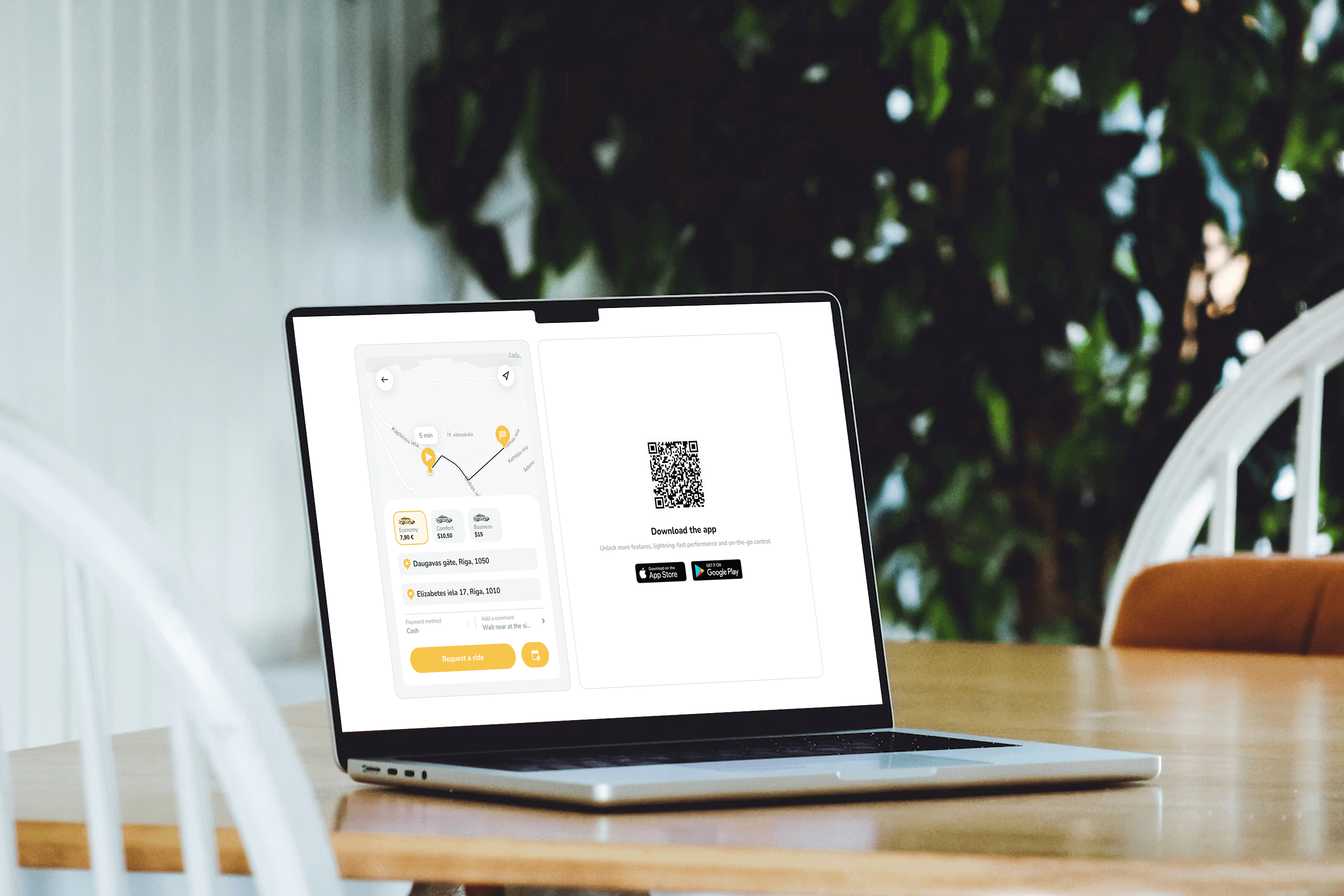
🚕 Web-booker is a lightweight ride-hail widget that lets users book rides directly from a website or mobile browser - no app install required. It reduces booking friction, supports hotel and partner demand, and keeps every ride fully synced with the taxi operator’s app and dashboard.
What if ordering a taxi was as easy as booking a room or clicking “Reserve table” on a website?
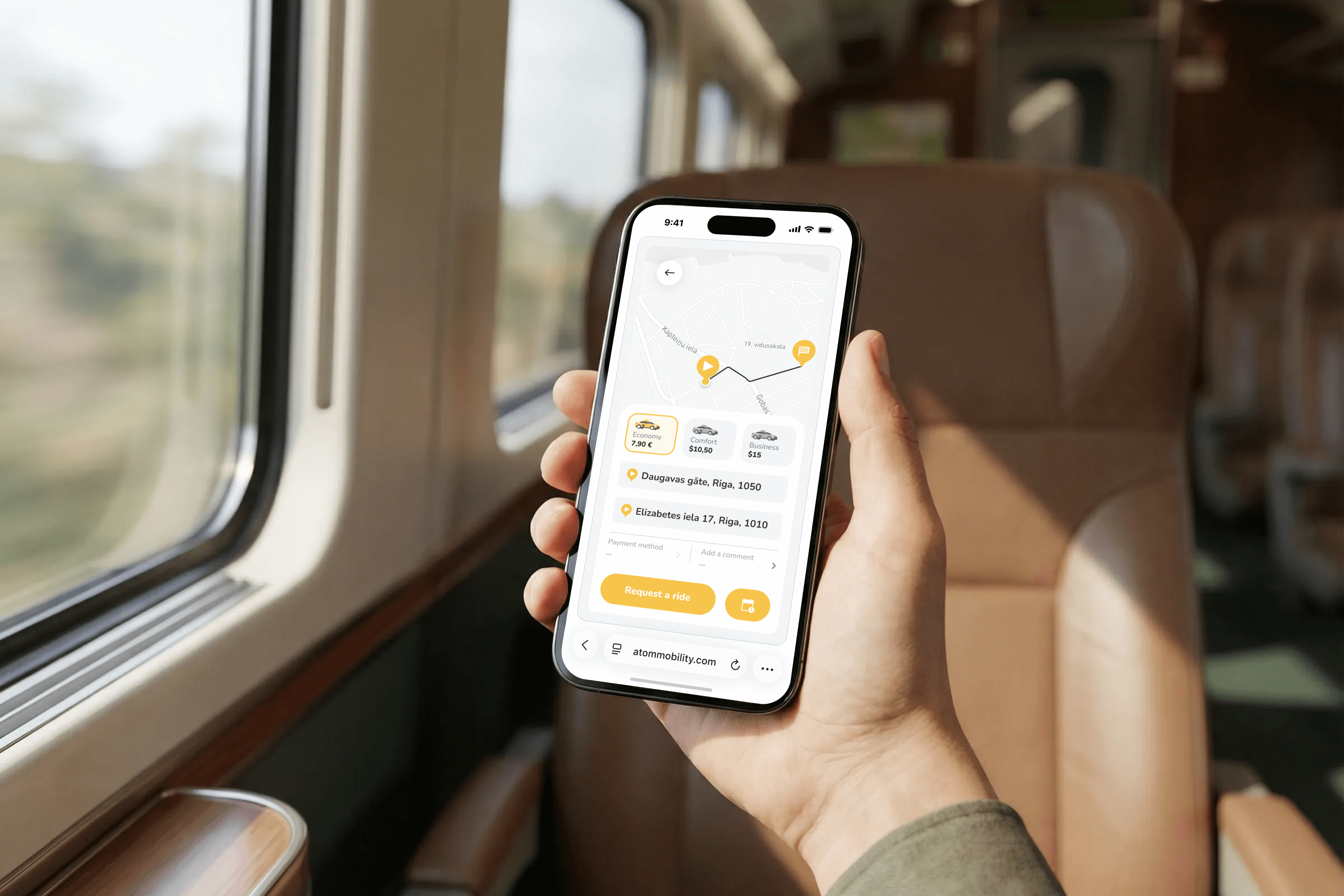
Meet Web-booker - a lightweight ride-hail booking widget that lets users request a cab directly from a website, without installing or opening the mobile app.
Perfect for hotels, business centers, event venues, airports, and corporate partners.
👉 Live demo: https://app.atommobility.com/taxi-widget
Web-booker is a browser-based ride-hail widget that operators can embed or link to from any website.
The booking happens on the web, but the ride is fully synchronized with the mobile app and operator dashboard.
No redirects. No app-store friction. No lost users.
This keeps fraud low while preserving conversion.
Web-booker addresses one of the most common friction points in ride-hailing: users who need a ride now but are not willing to download an app first. By allowing bookings directly from a website, operators can capture high-intent demand at the exact moment it occurs - whether that is on a hotel website, an event page, or a partner landing page.
At the same time, Web-booker makes partnerships with hotels and venues significantly easier. Instead of complex integrations or manual ordering flows, partners can simply place a button or link and immediately enable ride ordering for their guests. Importantly, this approach does not block long-term app growth. The booking flow still promotes the mobile app through QR codes and store links, allowing operators to convert web users into app users over time - without forcing the install upfront.
Web-booker is not designed to replace the mobile app. It extends the acquisition funnel by adding a low-friction entry point, while keeping all bookings fully synchronized with the operator’s app and dashboard.
👉 Try the demo
https://app.atommobility.com/taxi-widget
Want to explore a ride-hail or taxi solution for your business - or migrate to a more flexible platform? Visit: https://www.atommobility.com/products/ride-hailing
Credenziali demo dell'app Driver - Email: test@atom.com, Password: autista

