¿Cómo está transformando la IA la industria de la micromovilidad?
July 2, 2024
lectura mínima


La Inteligencia Artificial (IA) está revolucionando varios sectores, y la micromovilidad no es la excepción. Al integrar la inteligencia artificial en los patinetes eléctricos, las bicicletas eléctricas, los automóviles y otros vehículos pequeños, la industria se está volviendo más inteligente, segura y eficiente. La destreza de la IA en el procesamiento de datos, el análisis predictivo y el aprendizaje automático está impulsando esta transformación, haciendo que las operaciones sean más innovadoras y productivas y creando un futuro prometedor para la micromovilidad.
Exploremos cómo la IA está teniendo un impacto significativo en la industria de la micromovilidad a través del estacionamiento inteligente, la tarificación y el reequilibrio dinámicos y la detección de daños.
Desde la automatización de las tareas rutinarias hasta el suministro de información profunda mediante el análisis de datos, la IA está cambiando la forma en que navegamos por los entornos urbanos. Su capacidad para aprender de grandes cantidades de datos y tomar decisiones en tiempo real es crucial para desarrollar soluciones de transporte eficientes, sostenibles y fáciles de usar.
La micromovilidad se refiere a los vehículos pequeños y fáciles de maniobrar, como los patinetes eléctricos, las bicicletas eléctricas y las bicicletas compartidas, que funcionan a velocidades normalmente inferiores a 25 km/h. El aumento de la micromovilidad se debe a la necesidad de un transporte urbano práctico, rentable y ecológico. La inteligencia artificial ayuda a abordar los desafíos críticos del sector de la micromovilidad, como la gestión de los aparcamientos, las estrategias de precios, el reequilibrio de la flota y la detección de daños. Empresas como INTERRUPTOR lideran el camino mediante el uso de algoritmos avanzados para generar datos sintéticos, predecir la demanda, optimizar la distribución de la flota y respaldar la planificación estratégica.
El estacionamiento inadecuado puede desordenar las aceras y crear problemas de accesibilidad, lo que frustra a muchos habitantes urbanos. El análisis de estacionamiento basado en inteligencia artificial proporciona una solución práctica:
¿Resultados? Los estudios muestran que el análisis de estacionamiento mediante IA puede mejorar drásticamente el cumplimiento. Por ejemplo, el 52% de los vehículos mal estacionados se vuelven a estacionar correctamente en el segundo intento, cifra que aumenta al 82% en el tercer intento.
Si está interesado en explorar más estas soluciones, puede leer un estudio de caso realizado por ATOM Mobility en colaboración con La solución de verificación fotográfica basada en inteligencia artificial de Captur.
La IA mejora la utilización de la flota y la satisfacción del cliente mediante estrategias dinámicas de precios y reequilibrio:
Un estudio de caso reveló que los patinetes colocados en áreas recomendadas por la IA experimentaron un aumento del 6% en sus ingresos promedio, y los vehículos reequilibrados experimentaron un aumento de uso del 10,8% en 24 horas.
Mantener el estado del vehículo es crucial para la seguridad y la longevidad. Los sistemas de detección de daños impulsados por inteligencia artificial ofrecen una solución:
La automatización de la detección de daños ayuda a los operadores a mantener altos estándares de seguridad y reduce el tiempo de inactividad provocado por las inspecciones manuales. Empresas como Focal X agilizar la funcionalidad de detección de daños.
La integración de la IA en la micromovilidad está revolucionando la industria al mejorar la eficiencia operativa, la experiencia del usuario y la seguridad. A medida que la tecnología de inteligencia artificial siga evolucionando, aumentará su papel en la configuración del futuro de la micromovilidad, lo que impulsará a la industria hacia soluciones de transporte urbano más inteligentes y sostenibles.
Para los operadores de micromovilidad, adoptar las tecnologías de inteligencia artificial no es solo una opción, sino una necesidad para mantenerse competitivos y satisfacer las crecientes demandas de los viajeros urbanos. El futuro de la micromovilidad es inteligente, eficiente e impulsado por la inteligencia artificial.
¿Está preparado para profundizar en el mundo de la movilidad compartida y aprender a utilizar la IA para transformar su empresa? Únase a ATOM Academy para obtener de forma GRATUITA conocimientos especializados, ideas prácticas y estrategias innovadoras que le ayudarán a mantenerse a la vanguardia en la industria de la micromovilidad, que evoluciona rápidamente. Visite Movilidad ATOM para obtener más información. ¡Impulsemos juntos el futuro del transporte urbano!
Haga clic a continuación para obtener más información o solicitar una demostración.

The micromobility industry doesn’t need another generic mobility conference. 🚫🎤 It needs real conversations between operators who are actually in the field. ⚙️ That’s exactly what ATOM Connect 2026 is built for. 🎯🤝
The shared mobility industry is evolving rapidly. Operators are navigating scaling challenges, regulatory complexity, hardware decisions, fleet optimization, and new integration models, all while aiming for sustainable growth.
That’s exactly why ATOM Mobility is organizing ATOM Connect 2026.
Our previous edition of ATOM Connect brought together professionals from the car sharing and rental industry for focused, high-quality discussions and networking. This year, we are narrowing the focus and dedicating the entire event to one fast-moving segment of the industry: shared micromobility.
ATOM Connect 2026 is designed specifically for operators, partners, and decision-makers working in shared micromobility. It is not a broad mobility conference or a public exhibition. It is a curated space for industry professionals to exchange practical experience, insights, and lessons learned.
On May 14th, 2026 in Riga, we will once again bring the community together, this time with a clear focus on micromobility.
This year’s agenda will address the real operational and strategic questions shaping shared micromobility today:
As usual, we aim to host both local and international operators from smaller, fast-growing fleets to established large-scale players alongside hardware providers and ecosystem partners.
On stage, you’ll hear from leading shared mobility companies - including Segway on hardware partnerships, Umob on MaaS integration, Anadue on data-driven fleet intelligence, Elerent on multi-vehicle operational realities and more insightful discussions.
The goal is simple: meaningful discussions with people who understand the operational realities of the industry.
ATOM Connect is free to attend, but participation is industry-focused (each submission is manually reviewed and verified). We are intentionally keeping the audience relevant and aligned to ensure high-quality conversations and valuable networking.
If you work in shared micromobility and would like to join the event, you can find the full agenda and register here:
👉 https://www.atommobility.com/atom-connect-2026
In the coming weeks, we will be revealing more speakers and additional agenda updates. We look forward to bringing the industry together again.
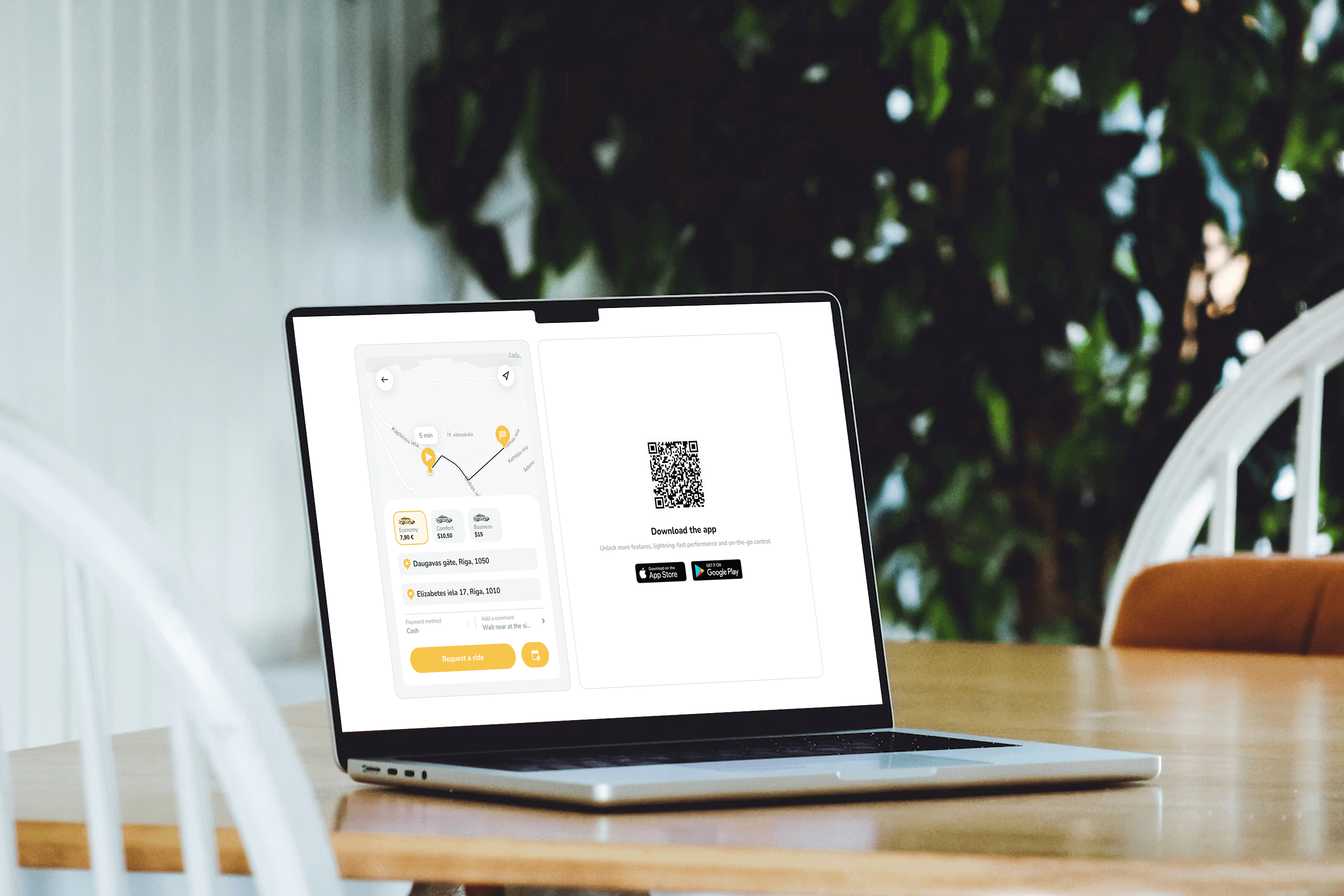
🚕 Web-booker is a lightweight ride-hail widget that lets users book rides directly from a website or mobile browser - no app install required. It reduces booking friction, supports hotel and partner demand, and keeps every ride fully synced with the taxi operator’s app and dashboard.
What if ordering a taxi was as easy as booking a room or clicking “Reserve table” on a website?
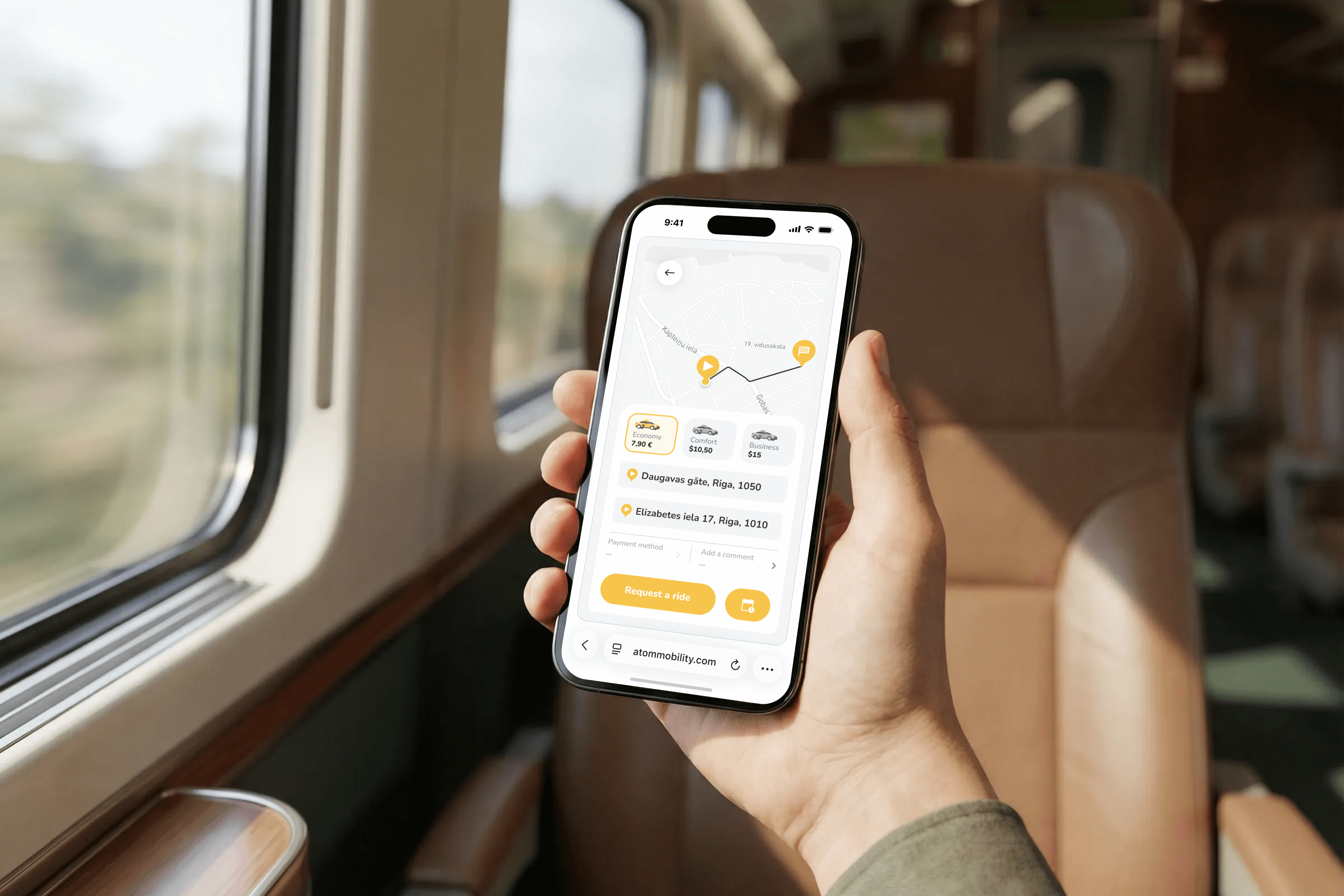
Meet Web-booker - a lightweight ride-hail booking widget that lets users request a cab directly from a website, without installing or opening the mobile app.
Perfect for hotels, business centers, event venues, airports, and corporate partners.
👉 Live demo: https://app.atommobility.com/taxi-widget
Web-booker is a browser-based ride-hail widget that operators can embed or link to from any website.
The booking happens on the web, but the ride is fully synchronized with the mobile app and operator dashboard.
No redirects. No app-store friction. No lost users.
This keeps fraud low while preserving conversion.
Web-booker addresses one of the most common friction points in ride-hailing: users who need a ride now but are not willing to download an app first. By allowing bookings directly from a website, operators can capture high-intent demand at the exact moment it occurs - whether that is on a hotel website, an event page, or a partner landing page.
At the same time, Web-booker makes partnerships with hotels and venues significantly easier. Instead of complex integrations or manual ordering flows, partners can simply place a button or link and immediately enable ride ordering for their guests. Importantly, this approach does not block long-term app growth. The booking flow still promotes the mobile app through QR codes and store links, allowing operators to convert web users into app users over time - without forcing the install upfront.
Web-booker is not designed to replace the mobile app. It extends the acquisition funnel by adding a low-friction entry point, while keeping all bookings fully synchronized with the operator’s app and dashboard.
👉 Try the demo
https://app.atommobility.com/taxi-widget
Want to explore a ride-hail or taxi solution for your business - or migrate to a more flexible platform? Visit: https://www.atommobility.com/products/ride-hailing
Credenciales de demostración de Driver App - Correo electrónico: test@atom.com, contraseña: conductor

