Wie verändert KI die Mikromobilitätsbranche?
July 2, 2024
min. Lesedauer


Künstliche Intelligenz (KI) revolutioniert verschiedene Sektoren, und Mikromobilität ist keine Ausnahme. Durch die Integration von KI in E-Scooter, E-Bikes, Autos und andere Kleinfahrzeuge wird die Branche intelligenter, sicherer und effizienter. Die Fähigkeiten der KI in den Bereichen Datenverarbeitung, prädiktive Analytik und maschinelles Lernen treiben diese Transformation voran, machen Betriebsabläufe innovativer und produktiver und bereiten der Mikromobilität eine glänzende Zukunft vor.
Lassen Sie uns untersuchen, wie KI durch intelligentes Parken, dynamische Preisgestaltung und Neugewichtung sowie Schadenserkennung einen erheblichen Einfluss auf die Mikromobilitätsbranche hat.
Von der Automatisierung von Routineaufgaben bis hin zur Bereitstellung tiefer Einblicke durch Datenanalysen verändert KI die Art und Weise, wie wir uns in städtischen Umgebungen bewegen. Ihre Fähigkeit, aus riesigen Datenmengen zu lernen und Entscheidungen in Echtzeit zu treffen, ist entscheidend für die Entwicklung effizienter, nachhaltiger und benutzerfreundlicher Transportlösungen.
Mikromobilität bezieht sich auf kleine, leicht zu manövrierende Fahrzeuge wie E-Scooter, E-Bikes und gemeinsam genutzte Fahrräder, die typischerweise mit Geschwindigkeiten unter 25 km/h fahren. Der Anstieg der Mikromobilität wird durch die Notwendigkeit eines bequemen, kostengünstigen und umweltfreundlichen Stadtverkehrs vorangetrieben. KI hilft bei der Bewältigung kritischer Herausforderungen in der Mikromobilitätsbranche, einschließlich Parkraummanagement, Preisstrategien, Neugewichtung von Flotten und Schadenserkennung. Unternehmen wie WECHSELN sind wegweisend, indem sie fortschrittliche Algorithmen verwenden, um synthetische Daten zu generieren, die Nachfrage vorherzusagen, die Flottenverteilung zu optimieren und die strategische Planung zu unterstützen.
Unsachgemäßes Parken kann Bürgersteige überladen und zu Problemen bei der Barrierefreiheit führen, was viele Stadtbewohner frustriert. Eine KI-gestützte Parkanalyse bietet eine praktische Lösung:
Ergebnisse? Studien zeigen, dass KI-Parkanalysen die Einhaltung der Vorschriften drastisch verbessern können. So werden beispielsweise 52% der falsch geparkten Fahrzeuge beim zweiten Versuch korrekt umgeparkt, beim dritten Versuch sind es bereits 82%.
Wenn Sie daran interessiert sind, diese Lösungen weiter zu erkunden, können Sie eine Fallstudie von ATOM Mobility in Zusammenarbeit mit lesen Die KI-gestützte Fotoverifizierungslösung von Captur.
KI verbessert die Flottenauslastung und die Kundenzufriedenheit durch dynamische Preis- und Neugewichtsstrategien:
Eine Fallstudie ergab, dass Scooter, die in von KI empfohlenen Bereichen platziert wurden, einen durchschnittlichen Umsatzanstieg von 6% verzeichneten und dass Fahrzeuge mit einer Neuverteilung innerhalb von 24 Stunden einen Anstieg der Nutzung um 10,8% verzeichneten.
Die Aufrechterhaltung des Fahrzeugzustands ist entscheidend für Sicherheit und Langlebigkeit. KI-gestützte Schadenserkennungssysteme bieten eine Lösung:
Die Automatisierung der Schadenserkennung hilft den Bedienern, hohe Sicherheitsstandards aufrechtzuerhalten, und reduziert Ausfallzeiten aufgrund manueller Inspektionen. Unternehmen wie fokal X Rationalisieren Sie die Funktionen zur Schadenserkennung.
Die Integration von KI in die Mikromobilität revolutioniert die Branche, indem sie die Betriebseffizienz, das Benutzererlebnis und die Sicherheit verbessert. Mit der Weiterentwicklung der KI-Technologie wird ihre Rolle bei der Gestaltung der Zukunft der Mikromobilität zunehmen und die Branche zu intelligenteren, nachhaltigeren Lösungen für den städtischen Verkehr bewegen.
Für Betreiber von Mikromobilität ist der Einsatz von KI-Technologien nicht nur eine Option, sondern eine Notwendigkeit, um wettbewerbsfähig zu bleiben und den wachsenden Anforderungen der städtischen Pendler gerecht zu werden. Die Zukunft der Mikromobilität ist intelligent, effizient und KI-gesteuert.
Sind Sie bereit, tiefer in die Welt der geteilten Mobilität einzutauchen und zu lernen, wie Sie KI nutzen können, um Ihr Unternehmen zu transformieren? Nehmen Sie an der ATOM Academy teil, um KOSTENLOSES Expertenwissen, praktische Einblicke und innovative Strategien zu erhalten, die Ihnen helfen, in der sich schnell entwickelnden Mikromobilitätsbranche die Nase vorn zu haben. Besuchen Sie ATOM-Mobilität um mehr zu erfahren. Lassen Sie uns gemeinsam die Zukunft des urbanen Verkehrs vorantreiben!
Klicken Sie unten, um mehr zu erfahren oder eine Demo anzufordern.

The micromobility industry doesn’t need another generic mobility conference. 🚫🎤 It needs real conversations between operators who are actually in the field. ⚙️ That’s exactly what ATOM Connect 2026 is built for. 🎯🤝
The shared mobility industry is evolving rapidly. Operators are navigating scaling challenges, regulatory complexity, hardware decisions, fleet optimization, and new integration models, all while aiming for sustainable growth.
That’s exactly why ATOM Mobility is organizing ATOM Connect 2026.
Our previous edition of ATOM Connect brought together professionals from the car sharing and rental industry for focused, high-quality discussions and networking. This year, we are narrowing the focus and dedicating the entire event to one fast-moving segment of the industry: shared micromobility.
ATOM Connect 2026 is designed specifically for operators, partners, and decision-makers working in shared micromobility. It is not a broad mobility conference or a public exhibition. It is a curated space for industry professionals to exchange practical experience, insights, and lessons learned.
On May 14th, 2026 in Riga, we will once again bring the community together, this time with a clear focus on micromobility.
This year’s agenda will address the real operational and strategic questions shaping shared micromobility today:
As usual, we aim to host both local and international operators from smaller, fast-growing fleets to established large-scale players alongside hardware providers and ecosystem partners.
On stage, you’ll hear from leading shared mobility companies - including Segway on hardware partnerships, Umob on MaaS integration, Anadue on data-driven fleet intelligence, Elerent on multi-vehicle operational realities and more insightful discussions.
The goal is simple: meaningful discussions with people who understand the operational realities of the industry.
ATOM Connect is free to attend, but participation is industry-focused (each submission is manually reviewed and verified). We are intentionally keeping the audience relevant and aligned to ensure high-quality conversations and valuable networking.
If you work in shared micromobility and would like to join the event, you can find the full agenda and register here:
👉 https://www.atommobility.com/atom-connect-2026
In the coming weeks, we will be revealing more speakers and additional agenda updates. We look forward to bringing the industry together again.
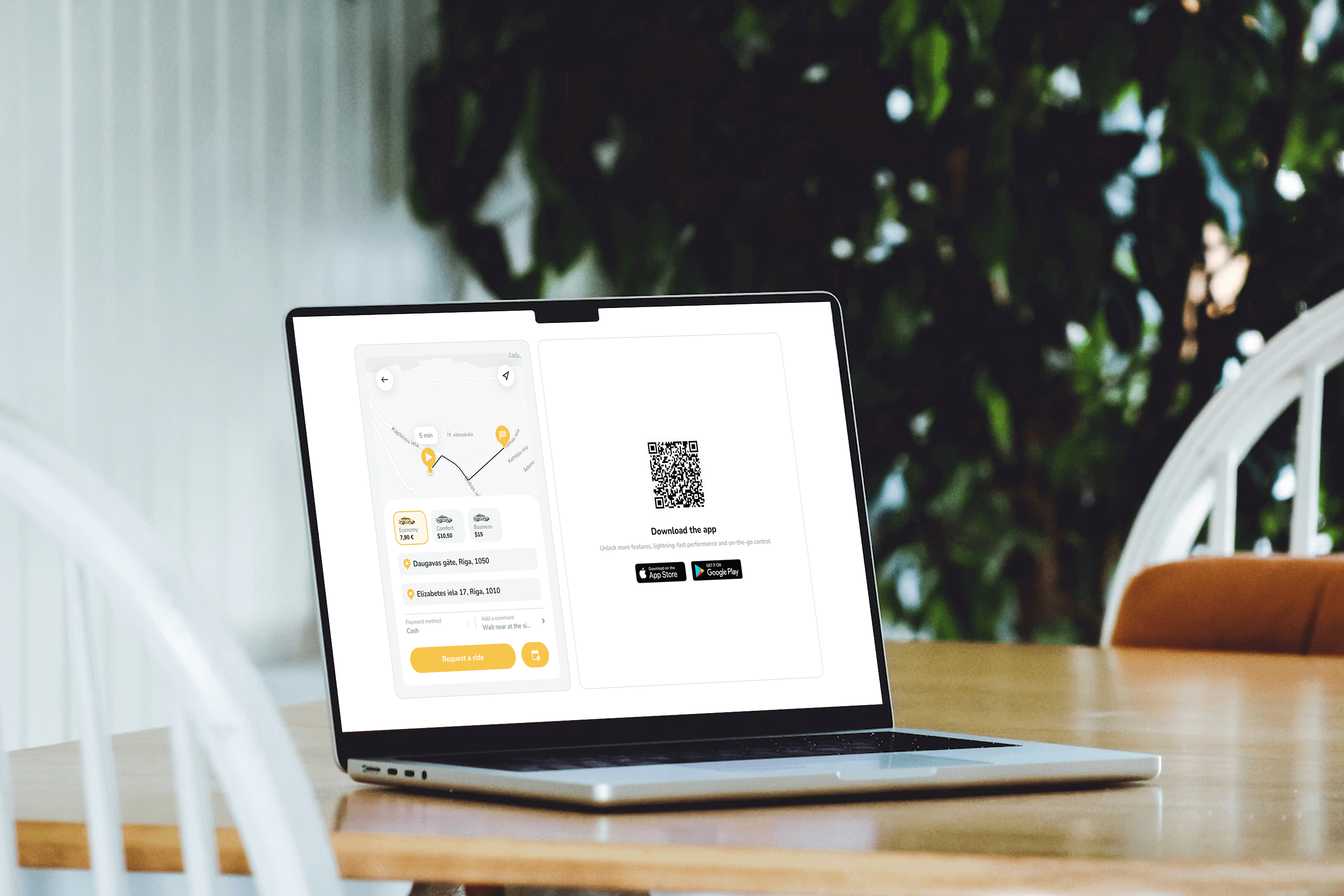
🚕 Web-booker is a lightweight ride-hail widget that lets users book rides directly from a website or mobile browser - no app install required. It reduces booking friction, supports hotel and partner demand, and keeps every ride fully synced with the taxi operator’s app and dashboard.
What if ordering a taxi was as easy as booking a room or clicking “Reserve table” on a website?
Meet Web-booker - a lightweight ride-hail booking widget that lets users request a cab directly from a website, without installing or opening the mobile app.
Perfect for hotels, business centers, event venues, airports, and corporate partners.
👉 Live demo: https://app.atommobility.com/taxi-widget
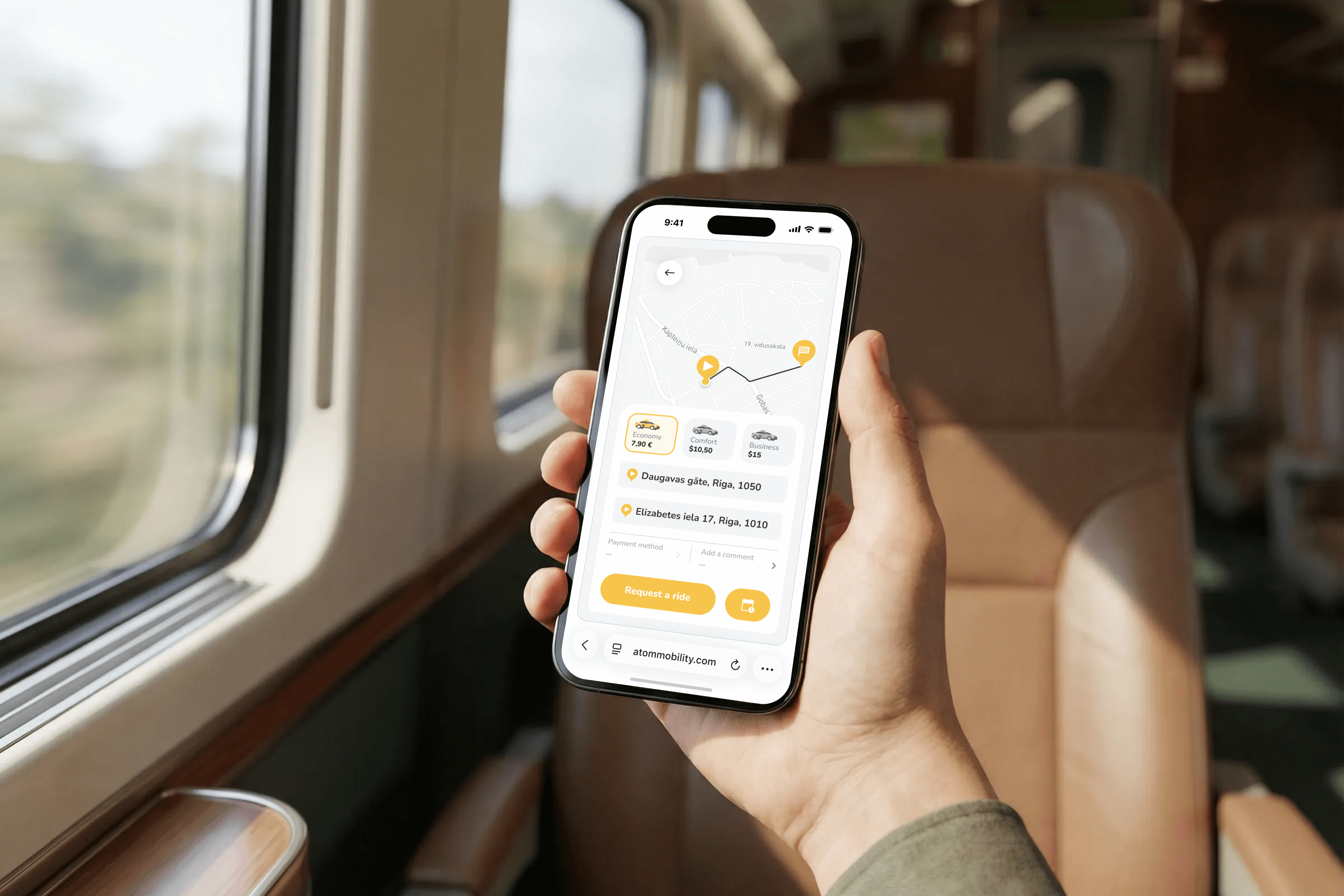
Web-booker is a browser-based ride-hail widget that operators can embed or link to from any website.
The booking happens on the web, but the ride is fully synchronized with the mobile app and operator dashboard.
No redirects. No app-store friction. No lost users.
This keeps fraud low while preserving conversion.
Web-booker addresses one of the most common friction points in ride-hailing: users who need a ride now but are not willing to download an app first. By allowing bookings directly from a website, operators can capture high-intent demand at the exact moment it occurs - whether that is on a hotel website, an event page, or a partner landing page.
At the same time, Web-booker makes partnerships with hotels and venues significantly easier. Instead of complex integrations or manual ordering flows, partners can simply place a button or link and immediately enable ride ordering for their guests. Importantly, this approach does not block long-term app growth. The booking flow still promotes the mobile app through QR codes and store links, allowing operators to convert web users into app users over time - without forcing the install upfront.
Web-booker is not designed to replace the mobile app. It extends the acquisition funnel by adding a low-friction entry point, while keeping all bookings fully synchronized with the operator’s app and dashboard.
👉 Try the demo
https://app.atommobility.com/taxi-widget
Want to explore a ride-hail or taxi solution for your business - or migrate to a more flexible platform? Visit: https://www.atommobility.com/products/ride-hailing
Anmeldedaten für die Driver App-Demo - E-Mail: test@atom.com, Passwort: Treiber

