Blog
Insights and news from the ATOM Mobility team
We started our blog to share free valuable information about the mobility industry: inspirational stories, financial analysis, marketing ideas, practical tips, new feature announcements and more.

We started our blog to share free valuable information about the mobility industry: inspirational stories, financial analysis, marketing ideas, practical tips, new feature announcements and more.
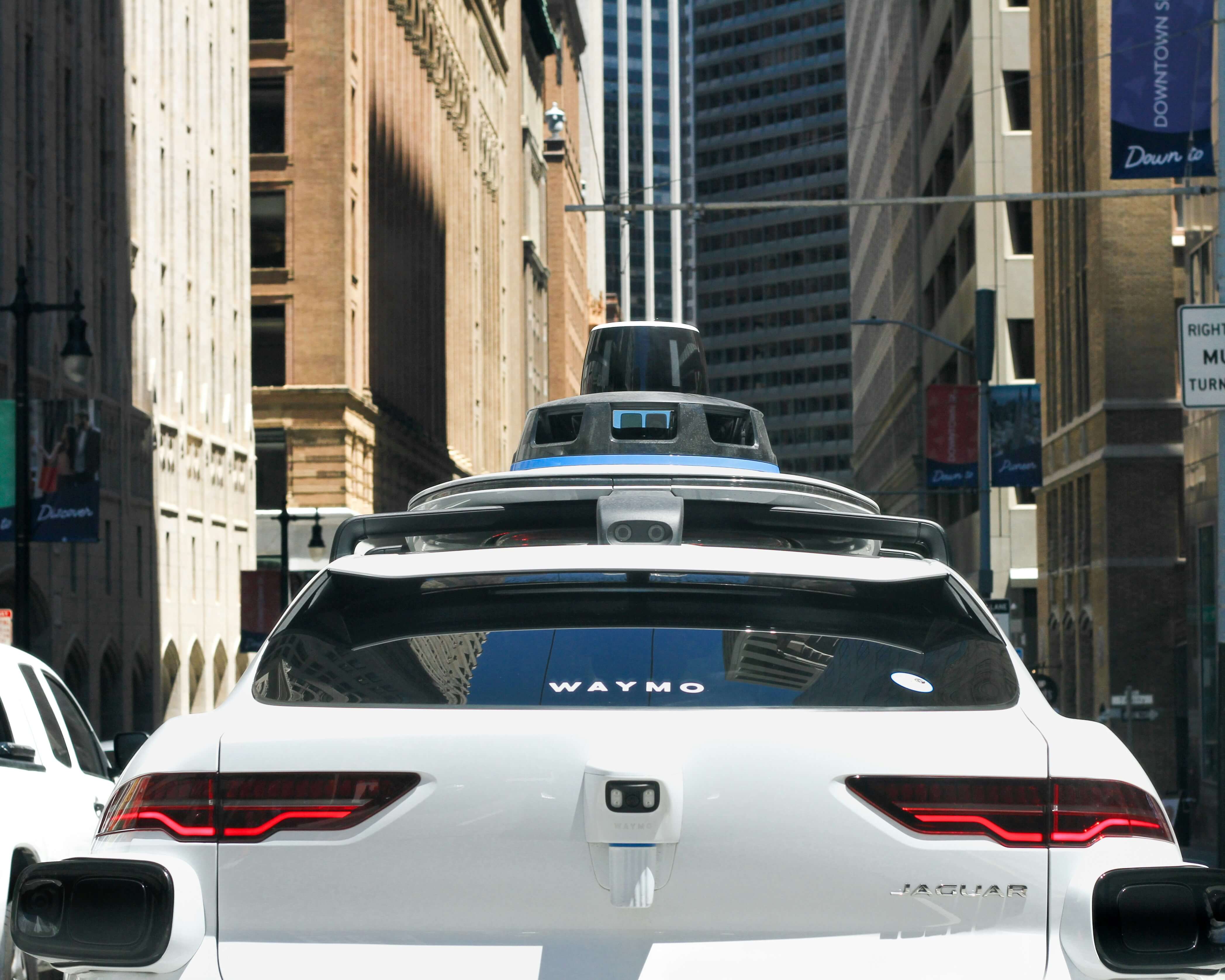
🤖 Who will actually operate Europe’s robotaxi fleets? Autonomous driving may remove the driver, but it doesn’t remove the work behind the car. Robotaxis still need charging, cleaning, maintenance, depots, customer support and someone managing the fleet every day. Early projects in Zagreb, Madrid and London illustrate different stages of deployment and how AV technology providers, fleet operators and booking platforms can work together. Taxi, rental and car-sharing companies already handle many of these tasks. What would it take to turn that experience into an autonomous fleet business?
For a taxi fleet owner, autonomous vehicles may seem to remove the most important part of the current business – the driver. But even without drivers, someone still needs to take care of the cars. They need to be owned or financed, charged, cleaned, inspected and repaired. Someone also needs to manage depots, deal with incidents, help customers and make sure enough cars are available.
The first robotaxi services and tests in Europe are already showing how this could work. The company that develops the autonomous driving technology does not always own or operate the cars. The app where customers book their rides may come from another company too. This could leave an important role for taxi, rental, car-sharing and other fleet companies that already know how to manage vehicles.
A taxi company today manages both cars and drivers. Drivers need to be recruited, scheduled, paid and supported. With a driverless fleet, these tasks would eventually disappear, but most of the work related to the cars would stay.
Autonomous cars still need charging or refuelling, cleaning, tyres, inspections, repairs and insurance. They also need somewhere to park when they are not working. If there is an accident or a technical problem, someone needs to deal with it and get the car back on the road. Customer support is still needed too when there are problems with bookings or payments, or when someone leaves something in the car.
Some of these tasks may even become more important. Robotaxis are expensive, and every hour a car spends charging, being cleaned or waiting for maintenance is an hour when it cannot take passengers. Moove, for example, already provides fleet ownership, depots, charging, maintenance and 24/7 operations for autonomous vehicles.
Drivers also do more than drive: they notice damage, report faults, help passengers and respond when something goes wrong. Without a driver, these responsibilities need clear processes and dedicated support. Existing fleet experience is an advantage, but operators will need to adapt it to vehicles running without someone behind the wheel.
There can be several companies behind one robotaxi ride. One provides autonomous driving technology, another may own the cars, and a local company can take care of the fleet. A platform such as Uber can then connect the cars with passengers. Sometimes one company may do several of these things, but this is not always the case.
Zagreb is one example. Pony.ai provides the autonomous driving system, Verne owns and operates the fleet, and Uber connects it with customers through its app. Autonomous rides became commercially available through Uber in August 2026 with a licensed operator onboard. On 10 September, Pony.ai and Verne also started fully driverless passenger test rides on a 22-kilometre route connecting parts of Zagreb with the airport. These are still limited test rides, not a fully driverless service across the whole city.
A similar model is being tested in Madrid. WeRide, Uber and AVOMO received permission in September 2026 to start testing and mapping under Spain’s ES-AV framework. The first 20 vehicles have an onboard specialist. WeRide provides the autonomous technology, Uber connects the cars with passengers, and AVOMO takes care of fleet operations. Commercial operations are planned for later in 2026, but the current permit is for testing and preparation rather than a general driverless taxi service.
In London, Wayve and Uber launched supervised autonomous passenger rides in September 2026. Customers can be matched with an autonomous vehicle through the Uber app, but there is still a licensed driver in the car.
The plans for the next few years are already much bigger. Pony.ai and Uber announced in August 2026 that they plan to deploy more than 2,000 robotaxis in Europe, starting with Zagreb and later expanding to four more European cities.
Bolt and Lucid announced another partnership in September, with Bolt aiming to deploy at least 25,000 autonomous Lucid vehicles across European cities. This is a future target, not 25,000 cars already operating today.
How these fleets are owned and operated may also be different from one city to another. Local regulations, available vehicles, charging and depot infrastructure and partnerships will all have an effect on how each service is set up.
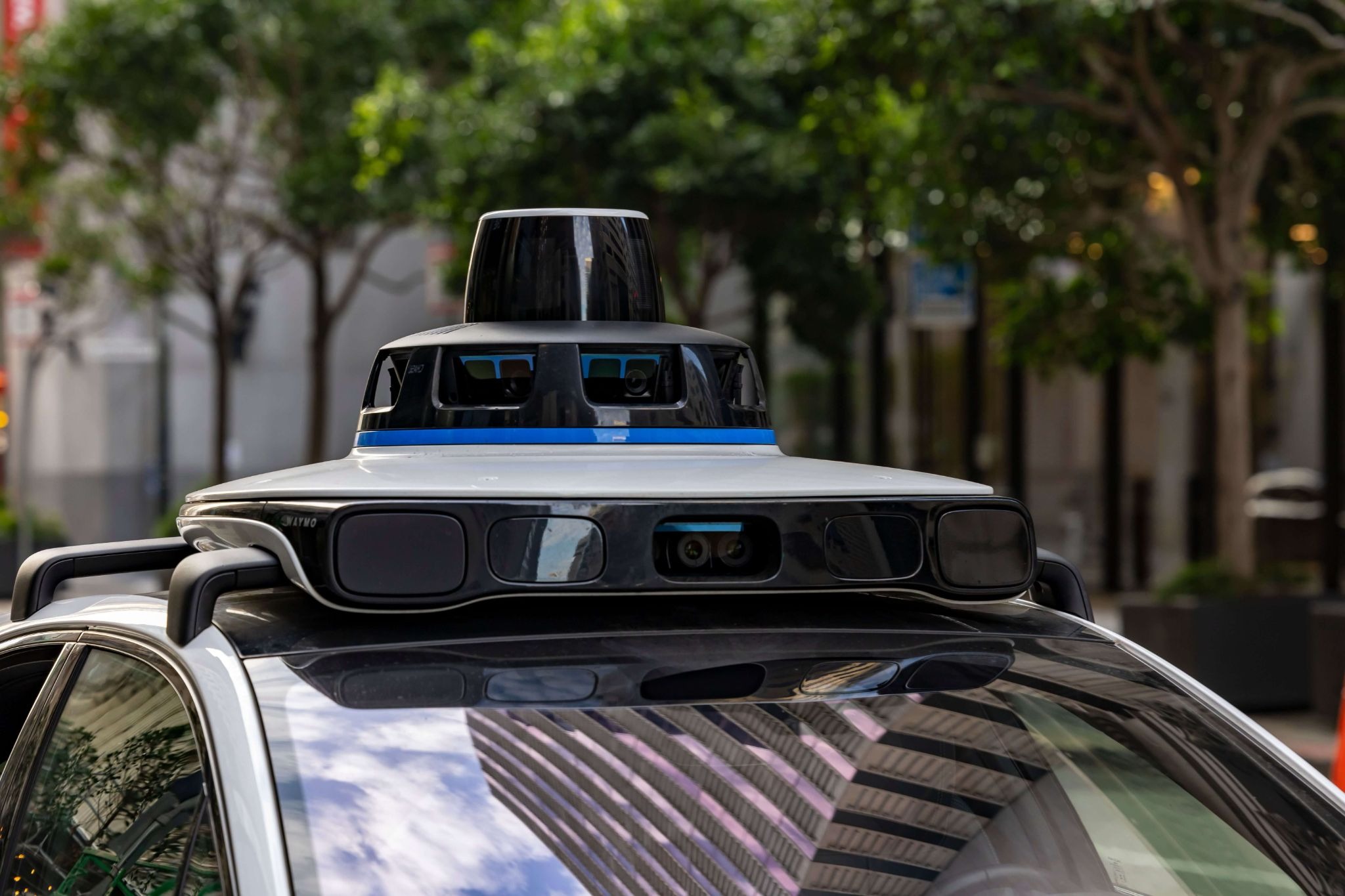
Taxi companies already do many of the things that would still be needed with an autonomous fleet. They maintain cars, deal with insurance and incidents, provide customer support and make sure enough vehicles are available. Some also already have their own depots, charging infrastructure or maintenance partners.
One possible model can already be seen in Zagreb. A local company owns and operates the autonomous fleet, while a larger ride-hailing platform brings customers. In the future, an existing taxi company could potentially have a similar role. Instead of managing cars and drivers, it could manage autonomous cars that receive bookings through a larger platform.
This does not mean platforms such as Uber will always rely on other companies to own the cars. Uber’s 2026 agreement with Rivian includes up to $1.25 billion in milestone-dependent investment and says that Uber or its fleet partners may purchase the autonomous vehicles. Uber is also developing infrastructure for autonomous fleets. Different ownership models are therefore possible.
Autonomous vehicles could also become interesting for rental and car-sharing companies, although this is probably further in the future. These businesses already manage vehicles, maintenance, cleaning, charging, bookings, customer accounts and payments, so much of the practical work is similar.
Autonomous driving could also change how rental and sharing cars are moved. Today, an employee may need to drive a car from one location to another. In the future, the vehicle could potentially do this itself within an area where autonomous driving is approved. It could even become possible for a rental car to drive itself to a customer’s pickup point.
Without drivers, it becomes especially important to understand how much time each vehicle is actually working. Every hour spent charging, being cleaned, waiting for maintenance or simply sitting unused means less time carrying paying passengers.
Some useful KPIs could be available hours per vehicle, paid trips per vehicle each day, revenue per available vehicle/day, empty kilometres, charging and maintenance downtime, cost per trip and incidents that need human help. These are most popular robotaxi industry KPIs of what a company could measure during a pilot.
For example, if cars spend too much time waiting to charge, the charging setup may need to change. A lot of empty kilometres could mean the cars are not in the right places, while too much maintenance downtime could make a vehicle more expensive to operate.
For either model, the business case depends on the partnership terms: who finances the vehicles, who carries the risk when demand is low, and how revenue and operating costs are shared. Operators should assess what remains after vehicle financing, insurance, charging, maintenance and partner fees. Depots, local service teams and reliable fleet availability could make an operator a valuable partner, but profitability still needs to be demonstrated.
One option for taxi fleets would be to work with an autonomous driving company and a larger ride-hailing platform. The local company could own or manage the cars and take care of the fleet, while customers book their rides through the larger platform.
Another option could be possible in cities where large ride-hailing platforms are not present or have limited coverage. A local company could work with an approved AV provider while using its own app, bookings, payments, customer support and fleet management.
In both cases, a company cannot simply buy autonomous cars and start offering rides. The technology needs to be approved, and local rules have to allow the service. These rules will also be different across Europe. Great Britain, for example, introduced its Automated Passenger Services permitting framework in 2026. Services similar to taxis or private hire vehicles need consent from the relevant local authority, while responsibility for the autonomous driving technology and the passenger service are treated separately.
A company does not need to have autonomous cars today to start preparing. A good first step is understanding the current fleet in detail – what each vehicle costs, how many hours it is available, how much time it spends charging or being repaired, and when cars are used the most.
Charging, cleaning, maintenance and depot processes are also worth looking at because all of these will still be needed with autonomous vehicles. A company interested in an AV pilot can then choose a location and use case, look at the local permit process and start talking to autonomous driving technology providers.
The software will also need some preparation. Customers still need to book and pay for rides, while the company needs fleet information, customer support, reporting and connections between its own systems and the AV technology. Starting with a small pilot makes it possible to test all of this before trying to build a larger service.
ATOM Mobility already provides many of the software functions used by taxi, ride-hailing, rental and sharing companies, including customer apps, bookings, payments, fleet management, maintenance tasks, analytics and APIs. Its ride-hailing software includes passenger and driver apps, dispatch, payments, fleet data, analytics and integrations. The ATOM Mobility API can also exchange data about vehicles, bookings, rides, payments, telemetry and maintenance tasks.
ATOM Mobility does not provide autonomous driving technology. This would come from a specialised AV company, and each project would have its own technical requirements and local approvals. For an AV pilot, ATOM Mobility could work with the fleet company and AV provider on the rider experience, integrations, fleet management and the data needed to measure how the pilot is working.
If you operate a taxi, rental or sharing fleet and want to explore an AV pilot, ATOM Mobility can help plan the booking and fleet-management setup, integrations and metrics you would need to test together with an AV technology partner.

Don't miss this opportunity to accelerate your entrepreneurial journey and unlock new possibilities with ATOM Academy.
To all shared mobility enthusiasts, now is the time to take action. Are you still pondering if starting a vehicle-sharing business is the right move? Do you see a cap on the market but are not sure how to take advantage of it?
Good news, now for FREE to get started: ATOM Academy is your gateway to success in the shared mobility industry.
Designed to empower entrepreneurs just like you, this comprehensive online course provides practical knowledge, strategies, and insights to help you launch and scale your own mobility business. ATOM Academy is divided into three core learning modules: Getting Started, Launch and Operate, and Optimize and Grow. Let's dive into each module and discover what you'll learn on your journey to mobility entrepreneurship.
In the Getting Started module, you'll get a taste of the shared mobility business without any financial commitment. This section offers free access to explore and understand if the shared mobility industry aligns with your aspirations. Dive into 10+ lessons covering essential topics such as:
Once you've completed the Getting Started module and decided to take the next steps on your shared mobility journey, the Launch and Operate module (locked behind a paywall) will guide you through the essential steps to kick-start your business. This module, in 6 lessons, covers the critical aspects such as:
Once your shared mobility business is up and running, it's time to optimize and grow. The Optimize and Grow module equips you with the knowledge, tools, and strategies to expand your business and increase its profitability. Some of the topics covered include:
Don't miss this opportunity to accelerate your entrepreneurial journey and unlock new possibilities with ATOM Academy. Only with the help of entrepreneurs like you, we are able to make a global impact to encourage a much-needed behavior shift around mobility. We’ve helped to launch more than 100 shared mobility operations in more than 140 cities worldwide.
Join the ATOM Academy today and become the next success story: https://www.atommobility.com/academy

Discover the advantages of launching a shared mobility business in a small town – from meeting real needs to less competition.
Whether we're talking car sharing, mopeds, or scooters, shared mobility is usually associated with large, buzzing cities. More potential customers, longer distances to travel, and higher demand for transportation services – these often seem like key business factors for aspiring mobility entrepreneurs.
But large cities present hurdles, too. From intense competition to higher operating expenses, establishing yourself in a major urban center is a costly uphill battle that's becoming more difficult by the day.
In response, mobility entrepreneurs are increasingly eyeing small towns for their operations.
Launching a shared mobility business in a small town comes with a distinct set of advantages that may be particularly suited for those taking their first steps in the industry. While industry veterans are also exploring opportunities to expand their operations beyond the big cities, smaller towns might not meet their desired level of profitability and hence are typically overlooked.
In what follows, we'll detail seven important benefits of launching a shared mobility business in a small town and take a quick look at what such an operation could look like.
Unless you're working with massive capital and are willing to go to war with several other operators, a small town can be the perfect place to begin your shared mobility business journey. Especially if you yourself come from that or a nearby town.
One of the most significant advantages of operating in a small town is the ability to meet genuine transportation needs. Local entrepreneurs, themselves part of the community, possess an intimate understanding of the unique requirements and behaviors of their fellow residents.
Accordingly, it can be very rewarding both financially and socially to provide a mobility solution that tackles specific issues, and no large competition can do it as quickly or efficiently as a local entrepreneur.
Working with local authorities in small towns is often a more streamlined and collaborative process. This makes obtaining permits and navigating regulations considerably easier compared to larger cities.
The smaller scale and close-knit nature of these communities allow entrepreneurs and city officials to establish closer working relationships, fostering open communication, and a joint vision in developing mobility solutions that are best suited for the town.
Marketing and advertising efforts in small towns can be significantly simplified and more effective. Sometimes marketing might even be unnecessary. Local entrepreneurs have the advantage of leveraging community events, traditions, and personal connections to create impactful marketing campaigns that resonate deeply with the residents.
This localized approach not only enhances brand visibility but also establishes a sense of familiarity and trust among potential customers – elements that outside brands may find very difficult to replicate.
One of the most enticing aspects of launching a shared mobility business in a small town is the lack of competition from major players. Major companies may overlook these areas due to perceived limited profitability potential, leaving the market wide open for local entrepreneurs to establish themselves as the primary mobility service provider.
With little or no competition to contend with, entrepreneurs can seize the opportunity to capture a significant market share and build a loyal customer base from the outset.
A major challenge when launching in a big city is slow adoption. Travelers have lots of options to choose from and they typically already have mobile apps for the most popular service providers. As a result, this can make them hesitant to download another app or to change their habits.
In smaller cities, this is a non-issue. Word of mouth travels fast and it's much easier to get noticed when you have little-to-no competition. Ultimately, this helps your mobility business start generating more revenue faster.
The local nature of small towns enhances the potential for fruitful partnerships and collaborations. As a local business, shared mobility entrepreneurs are more likely to garner the interest and support of other organizations in the vicinity. Building partnerships becomes more accessible, as there is a shared understanding of the community's needs and a mutual interest in driving positive change.
For instance, establishing collaborations with local businesses to offer corporate fleet services or working in conjunction with the local government to provide special discounts for specific groups of citizens can create mutually beneficial arrangements. These partnerships not only expand the business' customer base but also strengthen its reputation.
Small towns, by their very nature, offer a significant advantage in terms of simplified and efficient ground operations for shared mobility businesses. With smaller geographical areas and populations, the logistical challenges associated with tasks such as vehicle collection, relocation, and maintenance are greatly minimized.
The compact size of small towns often results in lower operational costs, enabling entrepreneurs to maintain a lean and cost-effective operation, while keeping customer satisfaction high.
The needs of a city with a population of 20-30k people can be effectively met with a reasonable fleet size of 80-150 scooters, which is an optimal starting size for scooter-sharing businesses. As mentioned, such a fleet is also easy to maintain and keeps ongoing operational costs low.
Small cities are often surrounded by other nearby smaller 5-10k people towns, which offer expansion opportunities without dramatically increasing servicing and maintenance costs and efforts. This allows the fleet to be managed by a single employee on the ground, while keeping the central ~20k population city as an operational hub.
From our own 100+ operators, we see that small town operators with no other competition are earning more money per vehicle than their counterparts in bigger cities – a very important metric, particularly in the early stages of building a shared mobility business.
When you hear “burgers” you think “McDonalds”. But when you hear “best burgers in town” you probably think of some local burger joint that you would choose over McDonalds every day of the week.
It's a similar story with shared mobility businesses – most entrepreneurs aspire to be Uber or Bolt, to take over the big cities, and to become a dominant name in the industry. But the reality is that you can find great business success by shining locally.
If you're interested in starting your own shared mobility venture, join our ATOM Academy to learn more and see if it's the right car sharing or scooter sharing software for you.

Explore how ATOM Mobility x Captur.ai integration works and how it benefits your micromobility business.
Micromobility is transforming urban transportation, offering convenient, affordable, and eco-friendly alternatives to traditional modes of commuting. However, with the rising popularity of e-scooters, bikes, and other micro-vehicles, there are also growing demands from cities to ensure compliance with road regulations.
One of the biggest challenges that micromobility operators face is parking compliance.
It's a never-ending challenge to ensure that scooters are parked correctly and in designated areas without obstructing public spaces and other road users. Noncompliance can lead not only to penalties but even drastic measures such as banning micromobility solutions in certain locations for good.
In order to control compliance with parking rules, users are usually asked to upload a picture of the vehicle after each trip. These pictures are then manually reviewed to identify bad parking situations, then send the user either some educational materials or, in other cases, a warning.
The problem?
Such manual photo reviewing is extremely time-consuming and inefficient. Identifying and locating badly parked vehicles can take up to several days. By the time the wrongly parked vehicle is located, the operator may have already received a fine.
Besides, it's a missed opportunity for the operator to effectively educate their customer – if the user receives a reprimand or some educational materials several days after the incident, it may not be efficient. These messages can get ignored, as the customer has probably already forgotten the particular situation.
This is where Captur.ai comes in.
Captur.ai is an AI-powered solution for real-time image analysis to help micromobility operators ensure parking compliance. The company already works with some of the leading mobility operators across the globe.
For ATOM Mobility users, Captur.ai's solution is now available as an in-app integration. Here's how it works:
When a user takes a photo at the end of the ride, ATOM Mobility sends it to Captur.ai, which uses AI to analyze it. Within 3-5 seconds, the user receives feedback on whether the vehicle is parked correctly or not.
If the algorithm detects that the scooter is parked badly, the image is blurred, or the vehicle is not clearly visible in the photo, the option to finish the ride is disabled. The user is asked to repark and/or retake the photo.
Users are given three attempts to submit a satisfactory photo, or the fourth attempt is approved automatically. Then, the last photo is sent to the customer's dashboard, marked as either good parking, bad parking, or improvable parking. Thanks to this categorization, operators can quickly notice and identify improperly parked vehicles and take action.
“The first impression? Captur.ai works great, and it's a fantastic timesaver,” says Holger Ollema, founder of Hoog Mobility.
The benefits of Captur.ai's AI-powered photo reviews are manifold, but mainly they're about reducing operational costs, growing the business, and providing better service to customers.
Time is money. Thus, effective automation of manual work can significantly affect the company's bottom line.
With Captur.ai, micromobility operators no longer need to manually inspect every parked vehicle for compliance. Clients already working with Captur.ai say they've been able to automate 95% of previously outsourced manual work, saving hours of their time.
This is especially important for those just starting out. As a new business owner, you might be extra cautious when it comes to expenses. By automating parking compliance monitoring, you can keep money in the company without increasing your workload.
Despite the fact that studies show just 1.1% of e-scooters violate parking regulations, concerns about compliant vehicle parking are one of the key reasons why cities delay or ban the entry of new micromobility solutions.
Ensuring parking compliance is something ATOM Mobility + Captur.ai takes care of from day one. This argument may alleviate concerns for municipalities when granting permits to new micromobility solutions.
In fact, operators already using Captur.ai say this solution has made it easier for them to expand their businesses to new cities and markets.
Improperly parked e-scooters that block sidewalks or roads are one of the key reasons why other road users may have negative attitudes toward them. According to research, if negative attitudes towards e-scooters are formed, it may impact the person's willingness to ever try and use one. This means losing potential customers – and profits.
Captur.ai provides e-scooter users with real-time feedback and educational content to improve their parking habits. In fact, Captur.ai reduces the time needed to provide customers with feedback by 10x, ensuring that the number of scooters on the streets that are parked improperly is minimized.
What does this mean for your brand? An opportunity to create an image of a responsible and safe brand. This may help you attract new customers and boost existing customers' loyalty.
Forget shifting manually through thousands of photos to detect bad parking – this can now be done automatically thanks to the Captur.ai AI-powered solution.
For ATOM Mobility users, this integration offers an effective solution to the pressing problem of parking compliance. That's one less thing micromobility operators need to worry about when starting or expanding their business.

Discover the required capital to jumpstart your shared mobility venture. Learn about the essential expenses and gain the knowledge needed to embark on your entrepreneurial journey with confidence.
As shared mobility continues to experience rapid growth – projected to generate up to $1 trillion in consumer spending by 2030 – it's no wonder that entrepreneurs are drawn to explore opportunities in this thriving market.
However, despite the optimistic market outlook, the shared mobility industry doesn't provide a magic shortcut to massive and instant returns on investment – despite what some players in the industry might claim. In this blog post, we'll offer a realistic and experienced-based assessment of the investment needed to get a shared mobility venture off the ground.
We will explore how much capital you need to kickstart your own shared mobility business. With experience in supporting over 100 entrepreneurs worldwide, ATOM Mobility is in a good position to understand the financial details.
We'll discuss the essential expenses involved, including vehicles, software, insurance, and operational costs – the aim is to help you make informed decisions and kickstart your entrepreneurial journey with confidence.
The most significant cost in starting a shared mobility business comes from getting the vehicles.
Here's what you can expect to pay for a single vehicle:
Considering the higher costs associated with vehicles like mopeds and cars, leasing is also a viable option. However, securing leasing partnerships is more challenging for operators without an established business.
The choice of vehicles will ultimately depend on your business model – whether you want to provide affordable or high-end options. For instance, if you opt for top-of-the-line scooters from brands like Segway and Äike, expect to pay over 1000 EUR per vehicle. On the flip side, you can find scooters as low as 400 EUR on the Chinese market, but such a price tag comes with its own set of risks.
Assuming you've made your decision on the model and brand, the next question is: how many vehicles should you buy? What's the ideal fleet size to start with?
We will focus on scooters – with their affordable price tag, they have become a favored choice for those looking to venture into the shared mobility industry.
Based on what we've seen, operators kickstart their ventures with fleets of different sizes. Some start with a humble fleet of 20 scooters in their first season and then steadily grow to over 100 vehicles in the following seasons, even diversifying into cars and other modes of transportation.
However, starting with a larger fleet offers distinct advantages. Having a bigger fleet means more people will notice your brand, leading to faster adoption of shared mobility within the local community. In other words – a larger fleet speeds up the process of making shared mobility a part of people's everyday commuting routines.
Another crucial point is that operating costs remain relatively consistent for a fleet of up to 200 vehicles. Beyond that, you'll likely need to expand your team, acquire more vans, secure a larger warehouse, and hire an additional technician. But, if you're starting out small, 20 vehicles instead of 100-200 won't lead to significant cost savings in operating expenses. Therefore, it's more cost-effective to begin with a larger number of vehicles from the outset.

Maintenance costs are also an important consideration. On average, around 10-15% of your fleet will require ongoing maintenance, depending on the brand and model of the vehicles. With a smaller fleet of 20 scooters, it's statistically likely that 2-3 units will be undergoing repairs at any given time. In case your fleet experiences a series of unfortunate incidents, this percentage can quickly escalate, leading to a decrease in the number of scooters generating revenue.
Securing third-party public liability insurance for smaller fleets, which is required by law to protect pedestrians and riders in the event of accidents, can be a challenging task. No matter the fleet size, operators are required to pay an annual premium. This means that smaller fleets, like those with only 20 scooters, could end up paying the same premium as fleets with 150 scooters. For a smaller business, this expense can be quite prohibitive and difficult to manage. Thus, insurance costs are another reason to consider starting with a bigger fleet.
On average, the insurance costs around 8 EUR per scooter per month (paid annually) for fleets ranging from 100 to 200 scooters. These costs may vary depending on the specific coverage requirements set by local authorities.
If we take into account brand visibility, maintenance, and insurance, it’s advisable for new operators to aim for a fleet size of at least 50 scooters. It’s a budget-friendly choice, especially in a location with strong market demand. A fleet of this size can also serve as a market test run.
However, for a more robust start, an ideal fleet size would be 100 scooters. As we mentioned earlier, the operating costs for both 50 and 100 vehicles would be more or less the same. However, opting for 100 vehicles instead of 50 would result in double the revenue. This boost in revenue would make it easier to sustain and expand the business. Having more vehicles would also contribute to better brand visibility in the long run.
Once you've got the fleet sorted, the next step is to get your hands on some software.
When it comes to shaping your brand identity, the software you use is just as crucial as the vehicles you offer. Having a top-notch fleet is great, but it won't make a difference if you neglect the software side of your shared mobility service. You want users to easily find, book, and pay for your rides without any trouble.
When it comes to white-label software pricing, it usually involves a one-time setup fee plus a monthly subscription fee based on the number of vehicles – or a dynamic pricing model per usage.
The setup fees for white-label software are typically between 4-10k EUR, depending on the provider and features. The monthly fees will vary based on fleet size or usage.
ATOM Mobility white-label software offers a wide choice of setup options, catering to fleets of all sizes, starting from the smallest and going all the way up to 5k+ vehicles. There is also a special plan for those who want to dip their toes in the water with 20 or fewer vehicles, which doesn’t require a setup fee. It's a great way to test the market and get started without breaking the bank.

Now that we've got the basics covered, let's crunch some numbers and calculate the amount of money you'll need to kickstart your scooter-sharing business.
Taking into account the costs of vehicles, software, insurance, and other expenses, we're looking at 70,000 EUR.
Here's what you'll need to kickstart your business and keep it running for at least one season:
On top of that, you need to consider the ongoing operating costs, which will fluctuate based on the size of your fleet. If you have a fleet of 50-150 scooters, it can be efficiently managed by two owners – or one owner and a couple of part-time employees. The expense of charging the vehicles will depend on the local prices in your area.
So, with around 70k in your pocket, you'll have a decent budget to make things happen in the first year. You can prove your concept, test the market, and learn the ropes along the way. And once you've got a solid foundation, scaling up in the second year becomes a lot easier. Investors will feel more confident jumping on board when they see that your business model is actually viable.
Of course, the 70k figure is not set in stone. The actual expenses will vary based on your location and your willingness to take on additional risks. We've had operators who achieved success with just half that budget – but their journey was certainly more nerve-wracking as a result.
With our suggested budget, you'll also have some breathing space for trial and error as you kick off your venture. This kind of money allows for a smoother and less stressful launch – also increasing the chances of steady growth in the next season.
If you're interested in starting your own shared mobility venture, join our ATOM Academy for FREE to learn more and see if it's the right business for you.
If you'd like to explore the software costs in detail, schedule a demo with our team today.

"State of art technology in mobile apps and dashboard, very good SLA!"
"Easy, nice looking, continuously updated and developed every month and most of all very reliable with a extreme high uptime"
"We used to work with a different service provider which wasn't fitting our needs. Switching to ATOM was an improvement on our side"
Use test credentials to log in - Phone number: +1 123123123, Code: 777777


Driver App demo credentials - Email: test@atom.com, Password: driver