Vantaggi e svantaggi del bike sharing: cosa tenere a mente?
April 19, 2024
lettura minima


Il settore della mobilità condivisa ha registrato una crescita enorme negli ultimi anni e i veicoli di micromobilità condivisa, come le biciclette condivise, non fanno eccezione. Vari rapporti sul mercato della mobilità condivisa hanno sottolineato che le entrate derivanti dal bike sharing dovrebbero continuare a crescere, con il settore che dovrebbe raggiungere i 12,68 miliardi di dollari entro il 2027.
I dati e le statistiche parlano da soli: il futuro del mercato del bike sharing è brillante e brillante. Ma ci sono degli svantaggi nel bike sharing? E quali sono i maggiori vantaggi di questo tipo di micromobilità? Leggete questo articolo per scoprirlo.
Prima di discutere i pro e i contro del bike sharing, definiamo cosa significa effettivamente questo termine.
Conosciuto anche come noleggio di biciclette o condivisione pubblica di biciclette, il bike sharing è un sistema in cui le persone possono utilizzare le biciclette a breve termine. Le biciclette disponibili per la condivisione sono comunemente collocate in aree designate o docking station, principalmente in ambienti urbani. I bike-sharing noleggiano e restituiscono i veicoli per la micromobilità a un determinato costo, a seconda del fornitore di servizi di bike sharing.
Una parte altrettanto importante del sistema di bike sharing sono le varie applicazioni mobili e i sistemi di pagamento che consentono agli utenti di acquistare una bicicletta condivisa quando necessario e pagare comodamente il servizio.
Come puoi immaginare, il bike sharing è principalmente un fenomeno urbano. È diventato uno dei componenti chiave delle strategie di trasporto sostenibile nelle città di tutto il mondo. Inoltre, è comodo, interessante e... beh, continua a leggere per altri professionisti.
Oltre a rendere le aree urbane alla moda, i sistemi di bike sharing presentano una serie di vantaggi che vanno dalla comodità dell'utente alla sostenibilità e oltre.
Chi ha a cuore la sostenibilità ha tutte le ragioni per amare il bike sharing. Fornisce una modalità di trasporto alternativa che è anche rispettosa dell'ambiente. L'accesso al bike sharing aiuta a fare scelte più ecologiche (leggi: guidare le auto meno spesso), il che aiuta a ridurre l'inquinamento atmosferico e le emissioni di carbonio. Inoltre, andare in bicicletta per un breve viaggio in città è un modo straordinario per ridurre la propria impronta di carbonio personale.
La congestione del traffico è un problema comune in molte città e aree urbane. I sistemi di bike sharing possono contribuire in modo significativo a risolvere questo problema, in quanto forniscono un modo conveniente per completare brevi viaggi in città. Andare in bicicletta invece di guidare un'auto, prendere i mezzi pubblici o pagare un taxi nelle ore di punta riduce anche il tempo trascorso sulla strada e migliora il flusso del traffico in generale.
La bicicletta non è solo un modo comodo per spostarsi, ma giova anche alla salute. Pensaci: stai facendo il pendolare e allo stesso tempo ti alleni. Quanto è bello? Sistemi di bike sharing ben costruiti come Tretty può incoraggiare le persone a pedalare più spesso, contribuendo di conseguenza alla salute pubblica generale.
Ed economico non solo per i bike-sharing ma anche per i fornitori di servizi di micromobilità. La crescente domanda di veicoli condivisi per la micromobilità, biciclette incluse, dimostra chiaramente che si tratta di una nicchia redditizia. Inoltre, oggi, ci sono molti modi per avviare la tua attività di bike sharing in modo rapido e semplice. Ad esempio, con ATOM Mobility, puoi lanciare una piattaforma di bike sharing in 20 giorni. Offriamo una soluzione white label completamente personalizzabile per tutti i tipi di attività di condivisione. Ti piacerà e lo faranno anche i tuoi bike-sharer.
Un altro vantaggio del bike sharing dal punto di vista di aziende di micromobilità per le aziende future: è scalabile e ha costi operativi relativamente bassi. Le biciclette richiedono meno manutenzione rispetto, ad esempio, agli scooter elettrici e non comportano spese di carburante, contrariamente al car sharing. Inoltre, le attività di bike sharing possono essere facilmente estese a nuove località, città o persino paesi, ed è relativamente facile far crescere la flotta di biciclette in risposta alla domanda degli utenti.
Come tutte le cose apparentemente perfette, ci sono sempre almeno alcuni aspetti negativi e il bike sharing non fa eccezione. Quali sono i suoi svantaggi? Scorri verso il basso.
Nonostante siano un modo relativamente sicuro per spostarsi in città, le biciclette sollevano alcuni problemi di sicurezza, soprattutto quando interagiscono con veicoli a motore. Non tutte le strade sono dotate di piste ciclabili e non tutti i conducenti sono abituati a condividere la strada con i ciclisti, il che può aumentare il rischio di incidenti. Inoltre, chi è alle prime armi con la bicicletta può essere particolarmente vulnerabile a incidenti e lesioni.
L'aumento della sicurezza per i ciclisti richiede il coinvolgimento delle autorità pubbliche. Tuttavia, se sei un fornitore di servizi di micromobilità, puoi personalizza la tua app e aggiungi informazioni sui problemi di sicurezza e sulle cose da ricordare quando percorri l'isolato in bicicletta.
Non è un segreto che le biciclette siano una preda amata da ladri e vandali. Anche le migliori serrature di sicurezza e i migliori sistemi di aggancio possono a volte essere violati, con conseguenti perdite finanziarie per gli operatori e disagi per i bike-sharing. Ciò che si può fare è aggiungere il tracciamento GPS alle biciclette condivise, scegliere lucchetti extra resistenti e posizionare telecamere di sorveglianza intorno alle banchine delle biciclette per prevenire furti e danni intenzionali.
Certo, ci sono ciclisti che vanno in bici sotto la pioggia o il tuono, ma il solito cliente di bike sharing potrebbe non essere disposto a pedalare in caso di tempesta di neve, pioggia o caldo estremo. Pertanto, il maltempo può ridurre il servizio di bike sharing e, se dura a lungo, i proprietari di flotte di biciclette potrebbero risentirne economicamente.
Che tu sia un comune che sta pensando di implementare un sistema di bike sharing o un imprenditore di micromobilità che si rivolge alle biciclette, considera le condizioni meteorologiche della tua posizione. Così semplice.
Sì, abbiamo menzionato i bassi costi di manutenzione tra i vantaggi del bike sharing. Tuttavia, la manutenzione della flotta di biciclette richiede molto lavoro. Una bicicletta non è un viaggio complesso, ma se la flotta viene utilizzata costantemente, le pedalate si consumano rapidamente. I controlli regolari (pulizia, ispezioni, riparazioni e sostituzione delle parti) sono essenziali per prevenire guasti meccanici e garantire un'esperienza utente positiva. Per farlo sono necessarie risorse umane e finanziarie.
Ora che conosci i principali vantaggi e svantaggi del bike sharing, puoi fare il passo successivo e cercare modi per avviare il tuo servizio di micromobilità o migliorare quello già esistente aggiungendo biciclette al gioco.
Ma le corse solide non sono l'unica cosa cruciale: anche i bike-sharing amano le comode app per il bike sharing. Ed è qui che entra in gioco ATOM Mobility. Il nostro software è adatto a qualsiasi tipo di condivisione di veicoli e dispone di oltre 200 funzionalità per portarti al top del gioco di bike sharing. Cosa stai ancora aspettando?
Fai clic qui sotto per saperne di più o richiedere una demo.

The micromobility industry doesn’t need another generic mobility conference. 🚫🎤 It needs real conversations between operators who are actually in the field. ⚙️ That’s exactly what ATOM Connect 2026 is built for. 🎯🤝
The shared mobility industry is evolving rapidly. Operators are navigating scaling challenges, regulatory complexity, hardware decisions, fleet optimization, and new integration models, all while aiming for sustainable growth.
That’s exactly why ATOM Mobility is organizing ATOM Connect 2026.
Our previous edition of ATOM Connect brought together professionals from the car sharing and rental industry for focused, high-quality discussions and networking. This year, we are narrowing the focus and dedicating the entire event to one fast-moving segment of the industry: shared micromobility.
ATOM Connect 2026 is designed specifically for operators, partners, and decision-makers working in shared micromobility. It is not a broad mobility conference or a public exhibition. It is a curated space for industry professionals to exchange practical experience, insights, and lessons learned.
On May 14th, 2026 in Riga, we will once again bring the community together, this time with a clear focus on micromobility.
This year’s agenda will address the real operational and strategic questions shaping shared micromobility today:
As usual, we aim to host both local and international operators from smaller, fast-growing fleets to established large-scale players alongside hardware providers and ecosystem partners.
On stage, you’ll hear from leading shared mobility companies - including Segway on hardware partnerships, Umob on MaaS integration, Anadue on data-driven fleet intelligence, Elerent on multi-vehicle operational realities and more insightful discussions.
The goal is simple: meaningful discussions with people who understand the operational realities of the industry.
ATOM Connect is free to attend, but participation is industry-focused (each submission is manually reviewed and verified). We are intentionally keeping the audience relevant and aligned to ensure high-quality conversations and valuable networking.
If you work in shared micromobility and would like to join the event, you can find the full agenda and register here:
👉 https://www.atommobility.com/atom-connect-2026
In the coming weeks, we will be revealing more speakers and additional agenda updates. We look forward to bringing the industry together again.
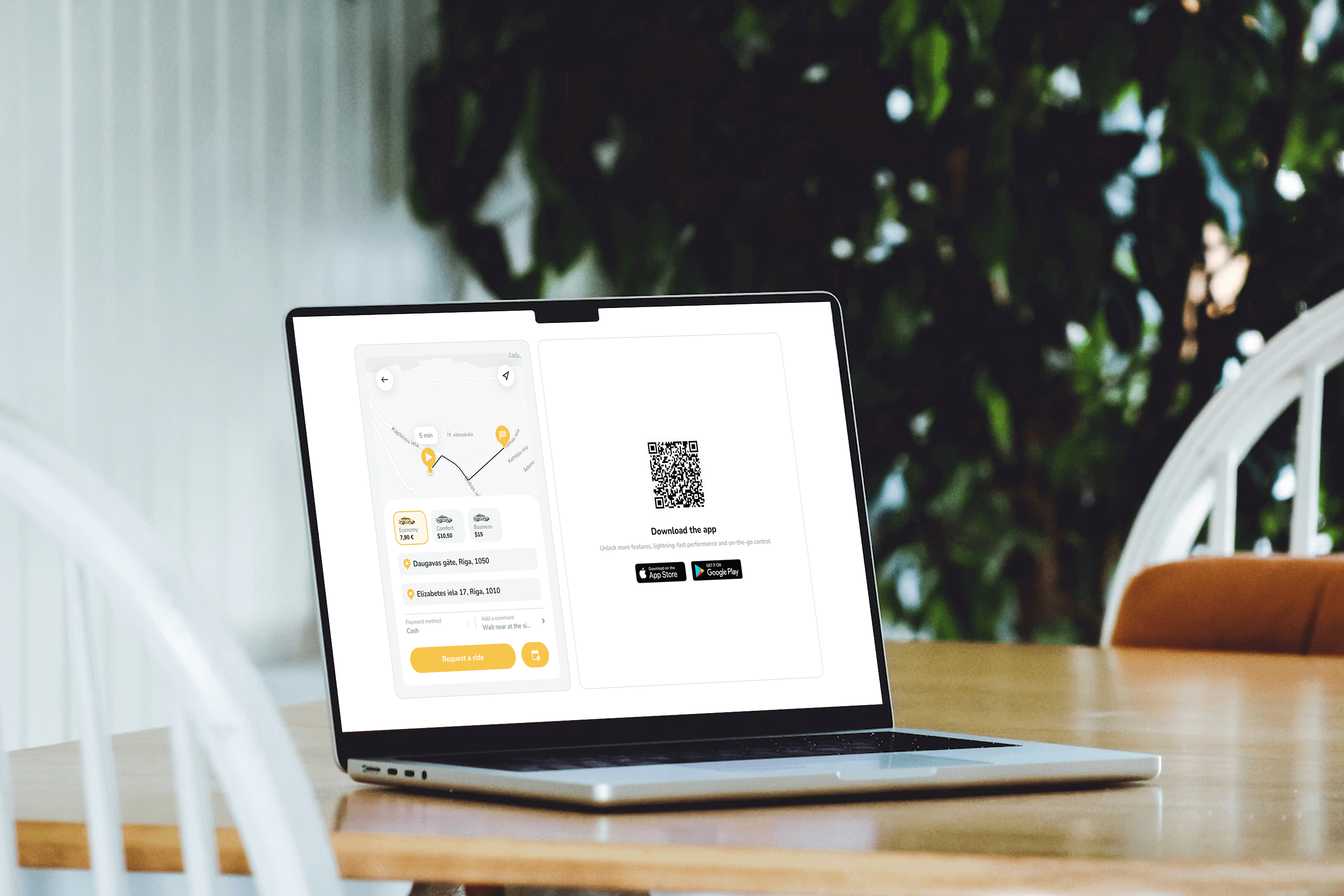
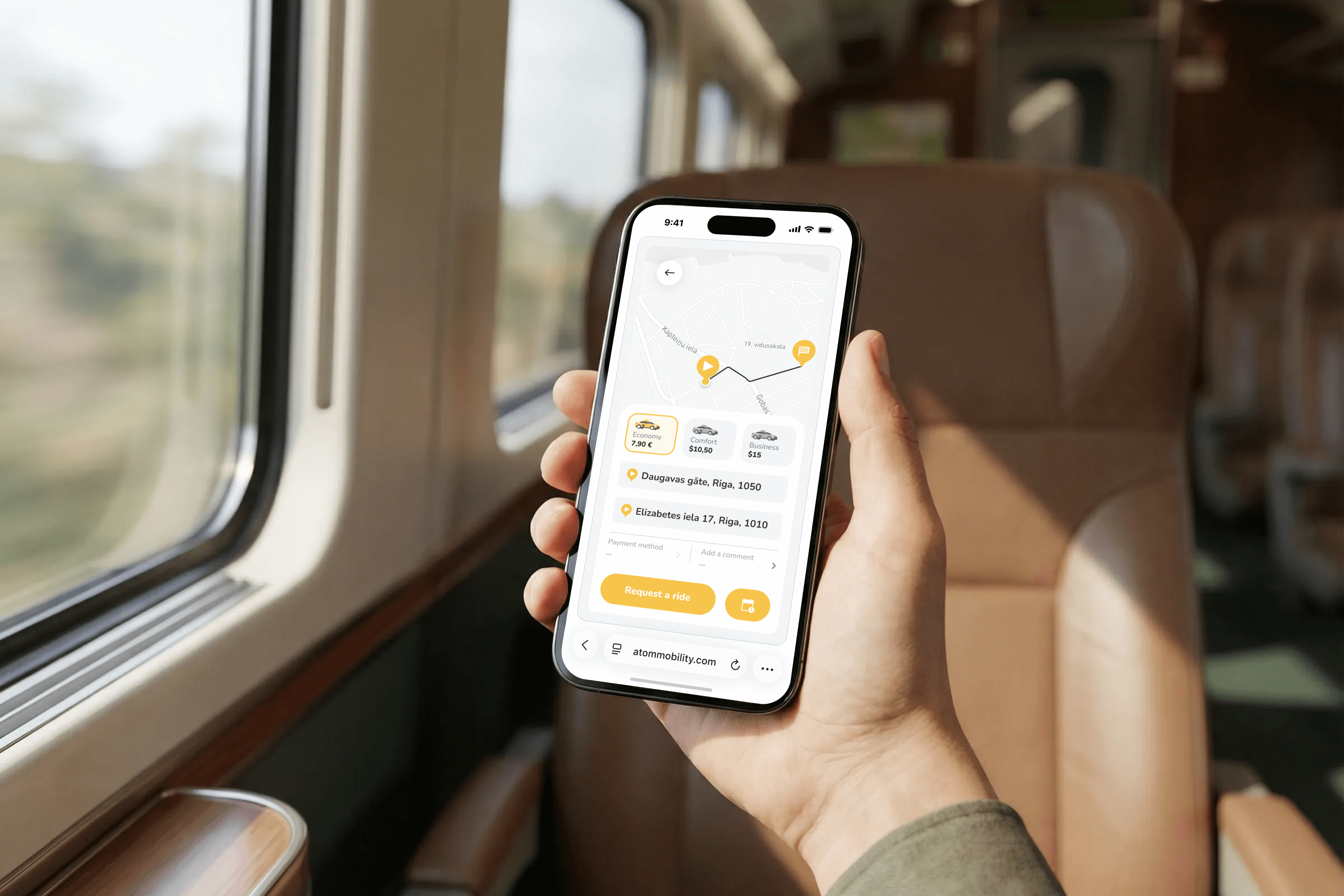
🚕 Web-booker is a lightweight ride-hail widget that lets users book rides directly from a website or mobile browser - no app install required. It reduces booking friction, supports hotel and partner demand, and keeps every ride fully synced with the taxi operator’s app and dashboard.
What if ordering a taxi was as easy as booking a room or clicking “Reserve table” on a website?
Meet Web-booker - a lightweight ride-hail booking widget that lets users request a cab directly from a website, without installing or opening the mobile app.
Perfect for hotels, business centers, event venues, airports, and corporate partners.
👉 Live demo: https://app.atommobility.com/taxi-widget
Web-booker is a browser-based ride-hail widget that operators can embed or link to from any website.
The booking happens on the web, but the ride is fully synchronized with the mobile app and operator dashboard.
No redirects. No app-store friction. No lost users.
This keeps fraud low while preserving conversion.
Web-booker addresses one of the most common friction points in ride-hailing: users who need a ride now but are not willing to download an app first. By allowing bookings directly from a website, operators can capture high-intent demand at the exact moment it occurs - whether that is on a hotel website, an event page, or a partner landing page.
At the same time, Web-booker makes partnerships with hotels and venues significantly easier. Instead of complex integrations or manual ordering flows, partners can simply place a button or link and immediately enable ride ordering for their guests. Importantly, this approach does not block long-term app growth. The booking flow still promotes the mobile app through QR codes and store links, allowing operators to convert web users into app users over time - without forcing the install upfront.
Web-booker is not designed to replace the mobile app. It extends the acquisition funnel by adding a low-friction entry point, while keeping all bookings fully synchronized with the operator’s app and dashboard.
👉 Try the demo
https://app.atommobility.com/taxi-widget
Want to explore a ride-hail or taxi solution for your business - or migrate to a more flexible platform? Visit: https://www.atommobility.com/products/ride-hailing
Credenziali demo dell'app Driver - Email: test@atom.com, Password: autista

