Tudo o que você precisa saber sobre seguro de frota de micromobilidade
September 14, 2023
leitura mínima


Para operadoras de mobilidade compartilhada, o seguro de frota deve ser uma das principais prioridades. Não importa o tamanho ou a composição da sua frota, ter o seguro certo pode oferecer tranquilidade ao proteger sua empresa de situações imprevistas
No entanto, a questão do seguro às vezes pode parecer assustadora, especialmente se você for novo para a indústria. Neste artigo, exploraremos as principais coisas que você precisa saber sobre como garantir sua frota compartilhada de micromobilidade.
Operar uma frota de mobilidade compartilhada nem sempre é fácil. Acidentes podem acontecer, seja uma pequena flexão do pára-choque ou algo mais grave. O seguro serve como sua rede de segurança, oferecendo cobertura financeira para reparos, substituições e até possíveis obrigações legais após um incidente.
Aqui estão os principais motivos pelos quais o seguro deve ser uma das principais prioridades dos operadores de frotas de mobilidade compartilhada:
Conformidade legal: Em muitos lugares, o seguro para frotas de mobilidade compartilhada é uma exigência legal. Você provavelmente deseja cumprir esses regulamentos para evitar possíveis multas, penalidades ou até mesmo a suspensão de suas operações.
Segurança financeira: O seguro também ajuda a manter sua empresa funcionando financeiramente, não importa o que aconteça. Sem seguro, acidentes, danos ao veículo ou roubo podem afetar seriamente suas finanças. Uma cobertura de seguro abrangente pode garantir que você não tenha dificuldades para cobrir despesas inesperadas.
Quando se trata de garantir frotas de micromobilidade, parte do desafio decorre do fato de o mercado ser relativamente novo. Alguns seguradores evitam lidar diretamente com a micromobilidade porque ela é vista como um mercado desconhecido.
É aqui que os corretores gostam Cachê e outros especializados em seguros de micromobilidade entram. Eles fazem parceria com vários subscritores de seguros para fornecer cobertura para operadoras nesse campo.
Quando se trata de micromobilidade compartilhada, a cobertura de seguro geralmente tem uma função dupla: proteger os ativos e lidar com o envolvimento de terceiros em caso de acidentes.

Cobertura de responsabilidade civil: Garantir um seguro de responsabilidade civil pública de terceiros para frotas de mobilidade compartilhada não é apenas uma questão de escolha — em alguns lugares, é obrigatório por lei. Este seguro serve para proteger pedestres e passageiros em caso de acidentes, oferecendo cobertura financeira para lesões e danos que possam surgir. Em outras palavras, é uma rede de segurança que oferece tranquilidade aos operadores.
Quando se trata de seguro obrigatório de responsabilidade civil contra terceiros, as negociações com a seguradora geralmente começam com a descoberta do que as autoridades locais exigem para conceder uma permissão. Depois disso, a apólice de seguro é ajustada para atender às demandas específicas delineadas por essas autoridades.
Cobertura de danos físicos: Isso cobre os custos de reparo ou substituição de veículos se eles forem danificados devido a acidentes, colisões, vandalismo ou roubo. Dependendo da política, a cobertura de danos físicos também pode se estender a equipamentos como dispositivos GPS, estações de carregamento e outros hardwares.
O valor que você pagará em prêmios depende de vários fatores específicos do seu negócio. Isso inclui a composição da sua frota, onde e como você opera e o nível de cobertura que você almeja.
Uso da frota: Quanto mais uma frota compartilhada de micromobilidade for usada, maiores serão as chances de as coisas darem errado. Quando uma frota está em alta demanda e é usada com frequência, há uma probabilidade maior de que algo aconteça que exija cobertura de seguro.
Comportamento do piloto: As seguradoras também consideram a capacidade da frota de prever e gerenciar o comportamento indesejável do passageiro. A condução imprudente, o estacionamento inadequado ou a violação das regras de trânsito podem aumentar significativamente o risco de acidentes e incidentes. As operadoras que têm melhores medidas para antecipar e mitigar esses comportamentos podem demonstrar um perfil de risco menor para as seguradoras.

Valor da frota: O quanto seus veículos valem individualmente e como frota afetará o quanto você paga pelo seguro. Se seus veículos forem caros, seus prêmios de seguro serão maiores porque custaria mais substituí-los se eles fossem danificados ou perdidos.
Tamanho da frota: Muitas vezes, as operadoras podem negociar taxas de seguro mais favoráveis para frotas proporcionalmente maiores. À medida que o número de veículos aumenta, o risco geral esperado é distribuído e “diluído” como resultado, o que se traduz em prêmios mais baixos por veículo.
No entanto, alguns corretores como a Cachet adotaram uma abordagem mais ampla, garantindo que frotas menores e médias também possam se beneficiar da cobertura de seguro.
Implementação da tecnologia: Serviços de mobilidade compartilhada que empregam tecnologias como rastreamento por GPS, telemática e dispositivos de IoT podem fornecer dados valiosos às seguradoras. Esses dados podem então ajudar a avaliar o comportamento e os padrões de uso do motorista, permitindo que as seguradoras ofereçam tarifas premium mais precisas e personalizadas. Isso também leva em conta a simplicidade do roubo de scooters e o funcionamento dos processos de recuperação, o que também pode desempenhar um papel nas despesas de seguro.
Onde você opera: O local em que sua frota opera é outro fator importante. Do ponto de vista da seguradora, diferentes áreas apresentam níveis variados de risco. Por exemplo, a mobilidade urbana — que está associada a um maior risco de acidentes — pode incorrer em prêmios mais altos em comparação com veículos usados em áreas rurais.
Nível de cobertura: O nível de cobertura escolhido afeta diretamente o quanto você paga em prêmios. Optar por limites de cobertura mais altos significa que você obtém uma proteção mais abrangente, mas, obviamente, isso também significa que seus custos de seguro aumentam.

Cada frota e negócio de mobilidade compartilhada são diferentes, então suas necessidades de seguro dependerão de fatores como o tipo e tamanho da sua frota, onde você opera, com quanto risco você se sente confortável e, é claro, quanto você está disposto a pagar.
Por exemplo, você precisa de cobertura para riscos específicos, como vandalismo, ou talvez sua frota seja composta por veículos premium mais caros? Para torná-lo mais identificável, vamos mergulhar em um caso prático da experiência compartilhada de uma operadora de micromobilidade com seguros.
O conceito por trás Alta mobilidade é revolucionar o transporte em cidades menores da Estônia. Eles reconheceram a necessidade de viagens locais eficientes e ecológicas e trouxeram uma solução de mobilidade compartilhada frequentemente vista em grandes cidades, mas ausente em comunidades menores: scooters elétricos.
Startups de mobilidade sem dinheiro geralmente se preocupam com possíveis danos ou vandalismo em seus veículos compartilhados. Essa preocupação também é compartilhada pelas seguradoras tradicionais. Como resultado, essas seguradoras podem hesitar em fornecer cobertura para scooters compartilhados e, se o fizerem, geralmente o custo é maior.
Diante desse desafio, Hoog inicialmente operou sem seguro devido às altas despesas. Mas isso mudou quando a Cachet lhes forneceu uma solução de seguro personalizada que atendia perfeitamente às necessidades da empresa. Hoog também percebeu que a preocupação inicial com o vandalismo não era tão problemática quanto eles pensavam. Mesmo assim, ter um seguro para sua frota acabou sendo uma boa decisão financeira que lhes deu tranquilidade.
Não subestime o seguro — ele é tão crucial quanto ter uma frota sólida e de alto nível software de compartilhamento de scooters. É melhor abordar o seguro de forma proativa — descobrir que você economizou custos após um evento imprevisto custará muito mais.
Conseguir um seguro para micromobilidade compartilhada pode ser um pouco mais complicado, pois ainda é um conceito novo, mas vimos que frotas ainda menores podem fazer isso funcionar — é só uma questão de encontrar um parceiro adequado que entenda suas necessidades.
No final das contas, o seguro não se limita a atender aos requisitos legais — ele mostra sua dedicação à segurança, às operações responsáveis e ao bem-estar de todos os envolvidos em seu negócio de mobilidade.
Clique abaixo para saber mais ou solicitar uma demonstração.

The micromobility industry doesn’t need another generic mobility conference. 🚫🎤 It needs real conversations between operators who are actually in the field. ⚙️ That’s exactly what ATOM Connect 2026 is built for. 🎯🤝
The shared mobility industry is evolving rapidly. Operators are navigating scaling challenges, regulatory complexity, hardware decisions, fleet optimization, and new integration models, all while aiming for sustainable growth.
That’s exactly why ATOM Mobility is organizing ATOM Connect 2026.
Our previous edition of ATOM Connect brought together professionals from the car sharing and rental industry for focused, high-quality discussions and networking. This year, we are narrowing the focus and dedicating the entire event to one fast-moving segment of the industry: shared micromobility.
ATOM Connect 2026 is designed specifically for operators, partners, and decision-makers working in shared micromobility. It is not a broad mobility conference or a public exhibition. It is a curated space for industry professionals to exchange practical experience, insights, and lessons learned.
On May 14th, 2026 in Riga, we will once again bring the community together, this time with a clear focus on micromobility.
This year’s agenda will address the real operational and strategic questions shaping shared micromobility today:
As usual, we aim to host both local and international operators from smaller, fast-growing fleets to established large-scale players alongside hardware providers and ecosystem partners.
On stage, you’ll hear from leading shared mobility companies - including Segway on hardware partnerships, Umob on MaaS integration, Anadue on data-driven fleet intelligence, Elerent on multi-vehicle operational realities and more insightful discussions.
The goal is simple: meaningful discussions with people who understand the operational realities of the industry.
ATOM Connect is free to attend, but participation is industry-focused (each submission is manually reviewed and verified). We are intentionally keeping the audience relevant and aligned to ensure high-quality conversations and valuable networking.
If you work in shared micromobility and would like to join the event, you can find the full agenda and register here:
👉 https://www.atommobility.com/atom-connect-2026
In the coming weeks, we will be revealing more speakers and additional agenda updates. We look forward to bringing the industry together again.
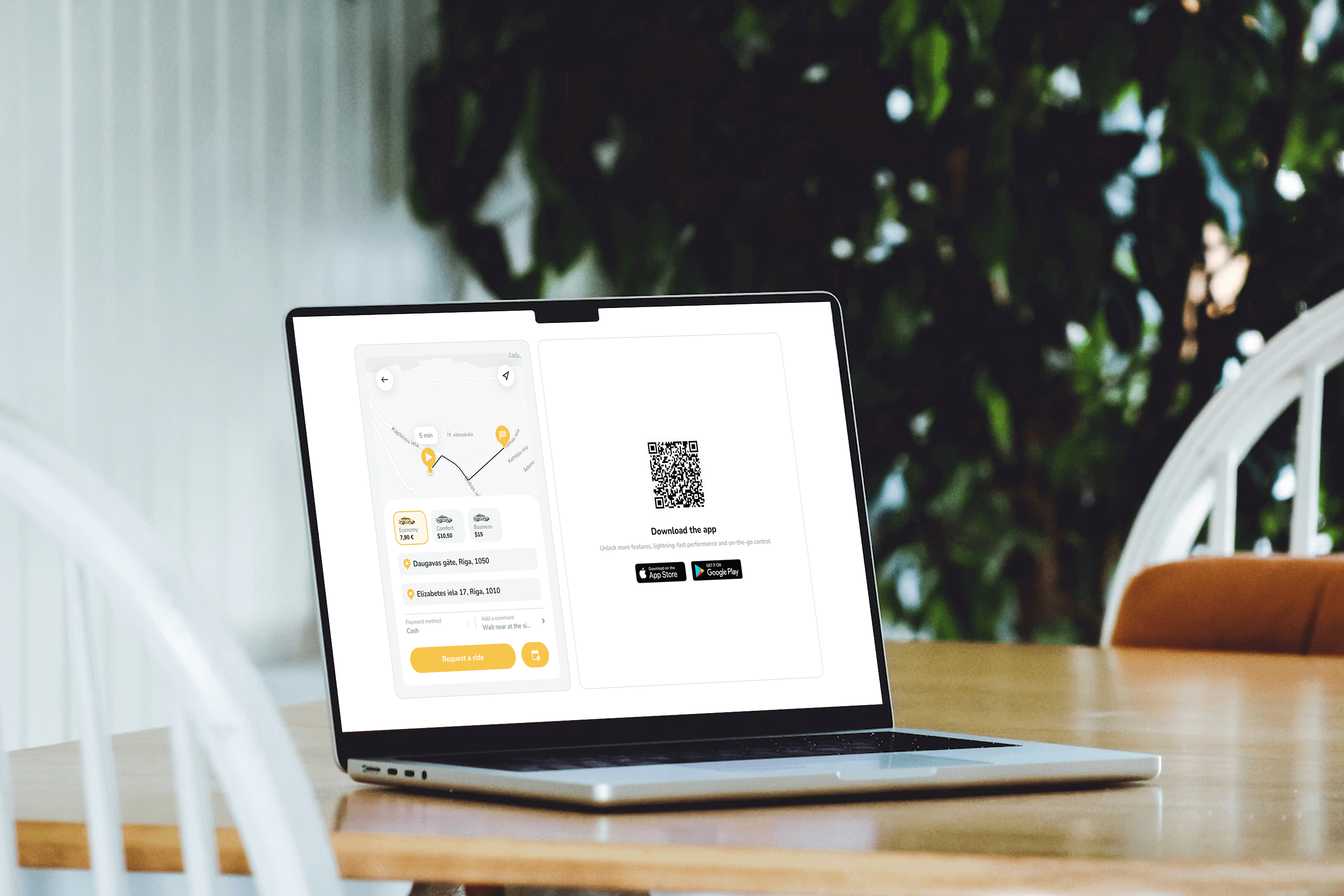
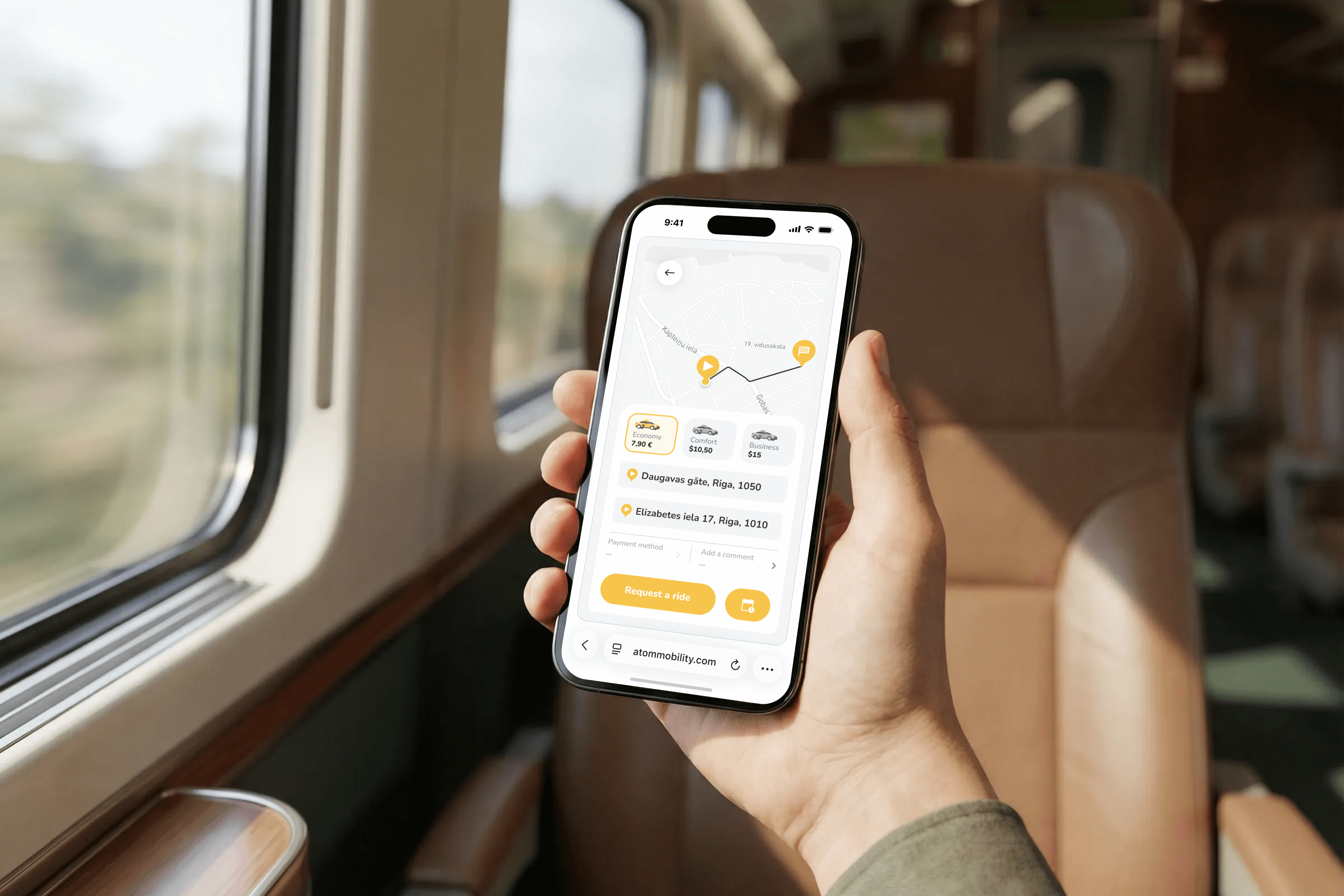
🚕 Web-booker is a lightweight ride-hail widget that lets users book rides directly from a website or mobile browser - no app install required. It reduces booking friction, supports hotel and partner demand, and keeps every ride fully synced with the taxi operator’s app and dashboard.
What if ordering a taxi was as easy as booking a room or clicking “Reserve table” on a website?
Meet Web-booker - a lightweight ride-hail booking widget that lets users request a cab directly from a website, without installing or opening the mobile app.
Perfect for hotels, business centers, event venues, airports, and corporate partners.
👉 Live demo: https://app.atommobility.com/taxi-widget
Web-booker is a browser-based ride-hail widget that operators can embed or link to from any website.
The booking happens on the web, but the ride is fully synchronized with the mobile app and operator dashboard.
No redirects. No app-store friction. No lost users.
This keeps fraud low while preserving conversion.
Web-booker addresses one of the most common friction points in ride-hailing: users who need a ride now but are not willing to download an app first. By allowing bookings directly from a website, operators can capture high-intent demand at the exact moment it occurs - whether that is on a hotel website, an event page, or a partner landing page.
At the same time, Web-booker makes partnerships with hotels and venues significantly easier. Instead of complex integrations or manual ordering flows, partners can simply place a button or link and immediately enable ride ordering for their guests. Importantly, this approach does not block long-term app growth. The booking flow still promotes the mobile app through QR codes and store links, allowing operators to convert web users into app users over time - without forcing the install upfront.
Web-booker is not designed to replace the mobile app. It extends the acquisition funnel by adding a low-friction entry point, while keeping all bookings fully synchronized with the operator’s app and dashboard.
👉 Try the demo
https://app.atommobility.com/taxi-widget
Want to explore a ride-hail or taxi solution for your business - or migrate to a more flexible platform? Visit: https://www.atommobility.com/products/ride-hailing
Credenciais de demonstração do Driver App - E-mail: test@atom.com, Senha: motorista

