Todo lo que necesita saber sobre el seguro de flota de micromovilidad
September 14, 2023
lectura mínima


For shared mobility operators, fleet insurance should be one of the top priorities. No matter the size or composition of your fleet, having the right insurance can offer peace of mind by protecting your business from unforeseen situations
However, the insurance question can sometimes seem daunting – especially if you're new to the industry. In this article, we will explore the key things you need to know about insuring your shared micromobility fleet.
Operating a shared mobility fleet isn’t always smooth sailing. Accidents can happen – whether it's a minor fender-bender or something more severe. Insurance serves as your safety net, offering financial coverage for repairs, replacements, and even potential legal obligations after an incident.
Here are the main reasons why insurance should be one of the top priorities for shared mobility fleet operators:
Legal compliance: In many places, insurance for shared mobility fleets is a legal requirement. You probably want to comply with these regulations to avoid any potential fines, penalties – or even the suspension of your operations.
Financial security: Insurance also helps keep your business going financially, no matter what happens. Without insurance, accidents, vehicle damage, or theft can seriously impact your finances. Comprehensive insurance coverage can ensure that you're not left scrambling to cover any unexpected expenses.
When it comes to insuring micromobility fleets, part of the challenge stems from the fact that the market is relatively new. Some insurance underwriters avoid dealing directly with micromobility because it's seen as an unfamiliar market.
This is where brokers like Cachet and others specializing in micromobility insurance come in. They partner with various insurance underwriters to provide coverage for operators in this field.
When it comes to shared micromobility, insurance coverage generally has a twofold role: safeguarding assets and handling third-party engagement in the event of accidents.

Liability coverage: Securing third-party public liability insurance for shared mobility fleets is not just a matter of choice – in some places, it's mandated by law. This insurance serves to protect pedestrians and riders in the unfortunate event of accidents, providing financial coverage for injuries and damages that may arise. In other words, it's a safety net that offers peace of mind to operators.
When it comes to mandatory third-party liability insurance, the negotiations with the insurance company usually begin by figuring out what the local authorities require to give them a permit. After that, the insurance policy is adjusted to meet the specific demands outlined by these authorities.
Physical damage coverage: This covers the repair or replacement costs of vehicles if they are damaged due to accidents, collisions, vandalism, or theft. Depending on the policy, physical damage coverage may also extend to equipment like GPS devices, charging stations, and other hardware.
The amount you'll pay in premiums depends on various factors that are specific to your business This includes your fleet's makeup, where and how you operate, and the level of coverage you're aiming for.
Fleet usage: The more a shared micromobility fleet is used, the more chances there are for things to go wrong. When a fleet is in high demand and used often, there's a greater likelihood that something might happen that requires insurance coverage.
Rider behavior: Insurance companies also consider the fleet's ability to predict and manage undesirable rider behavior. Reckless riding, improper parking, or violating traffic rules can significantly increase the risk of accidents and incidents. Operators that have better measures in place to anticipate and mitigate such behaviors can demonstrate a lower risk profile to insurance providers.

Value of the fleet: How much your vehicles are worth individually and as a fleet will affect how much you pay for insurance. If your vehicles are expensive, your insurance premiums will be higher because it would cost more to replace them if they get damaged or lost.
Size of the fleet: Operators can often negotiate more favorable insurance rates for proportionally larger fleets. As the number of vehicles increases, the overall expected risk is distributed and “diluted” as a result – which translates to lower premiums per vehicle.
However, some brokers like Cachet have embraced a broader approach, ensuring that smaller and medium-sized fleets can also benefit from insurance coverage.
Technology implementation: Shared mobility services that employ technologies like GPS tracking, telematics, and IoT devices can provide insurers with valuable data. This data can then help assess driver behavior and usage patterns, enabling insurers to offer more accurate and tailored premium rates. This also takes into account how simple it is for scooters to be stolen and how well the recovery processes function – which can also play a role in insurance expenses.
Where you operate: The location in which your fleet operates is another important factor. From the insurer’s perspective, different areas pose varied levels of risk. For example, urban mobility – which is associated with a higher risk of accidents – may incur higher premiums compared to vehicles used in rural areas.
Level of coverage: The level of coverage you choose directly affects how much you pay in premiums. Opting for higher coverage limits means you get more comprehensive protection, but obviously, it also means your insurance costs go up.

Every shared mobility fleet and business is different, so your insurance needs will depend on things like the type and size of your fleet, where you operate, how much risk you're comfortable with, and of course – how much you are willing to pay.
For example, do you require coverage for specific risks, like vandalism, or perhaps your fleet is composed of premium vehicles that are more expensive? To make it more relatable, let's dive into a practical case of a shared micromobility operator's experience with insurance.
The concept behind Hoog Mobility is to revolutionize transportation in smaller Estonian towns. They recognized the need for efficient and eco-friendly local travel and brought a shared mobility solution often seen in big cities but missing in smaller communities: electric scooters.
Cash-strapped mobility startups often worry about potential damage or vandalism happening to their shared vehicles. This concern is shared by traditional insurance companies too. As a result, these insurers might hesitate to provide coverage for shared scooters, and if they do – it's usually at a higher cost.
Faced with this challenge, Hoog initially operated without insurance due to the steep expenses. But that changed when Cachet provided them with a customized insurance solution that perfectly suited the company's needs. Hoog also realized that the initial worry about vandalism wasn't as much of an issue as they thought. But still – having insurance for their fleet turned out to be a sound financial decision that gave them peace of mind.
Don't underestimate insurance – it's just as crucial as having a top-notch fleet and solid scooter sharing software. Insurance is best approached proactively – discovering you've cut corners after an unforeseen event will cost you significantly more.
Getting insurance for shared micromobility might be a bit trickier since it's still a new concept, but we've seen that even smaller fleets can make it work – it's just a matter of finding a suitable partner who understands your needs.
At the end of the day, insurance isn't merely about meeting legal requirements – it showcases your dedication to safety, responsible operations, and the well-being of everyone involved in your mobility business.
Haga clic a continuación para obtener más información o solicitar una demostración.

The micromobility industry doesn’t need another generic mobility conference. 🚫🎤 It needs real conversations between operators who are actually in the field. ⚙️ That’s exactly what ATOM Connect 2026 is built for. 🎯🤝
The shared mobility industry is evolving rapidly. Operators are navigating scaling challenges, regulatory complexity, hardware decisions, fleet optimization, and new integration models, all while aiming for sustainable growth.
That’s exactly why ATOM Mobility is organizing ATOM Connect 2026.
Our previous edition of ATOM Connect brought together professionals from the car sharing and rental industry for focused, high-quality discussions and networking. This year, we are narrowing the focus and dedicating the entire event to one fast-moving segment of the industry: shared micromobility.
ATOM Connect 2026 is designed specifically for operators, partners, and decision-makers working in shared micromobility. It is not a broad mobility conference or a public exhibition. It is a curated space for industry professionals to exchange practical experience, insights, and lessons learned.
On May 14th, 2026 in Riga, we will once again bring the community together, this time with a clear focus on micromobility.
This year’s agenda will address the real operational and strategic questions shaping shared micromobility today:
As usual, we aim to host both local and international operators from smaller, fast-growing fleets to established large-scale players alongside hardware providers and ecosystem partners.
On stage, you’ll hear from leading shared mobility companies - including Segway on hardware partnerships, Umob on MaaS integration, Anadue on data-driven fleet intelligence, Elerent on multi-vehicle operational realities and more insightful discussions.
The goal is simple: meaningful discussions with people who understand the operational realities of the industry.
ATOM Connect is free to attend, but participation is industry-focused (each submission is manually reviewed and verified). We are intentionally keeping the audience relevant and aligned to ensure high-quality conversations and valuable networking.
If you work in shared micromobility and would like to join the event, you can find the full agenda and register here:
👉 https://www.atommobility.com/atom-connect-2026
In the coming weeks, we will be revealing more speakers and additional agenda updates. We look forward to bringing the industry together again.
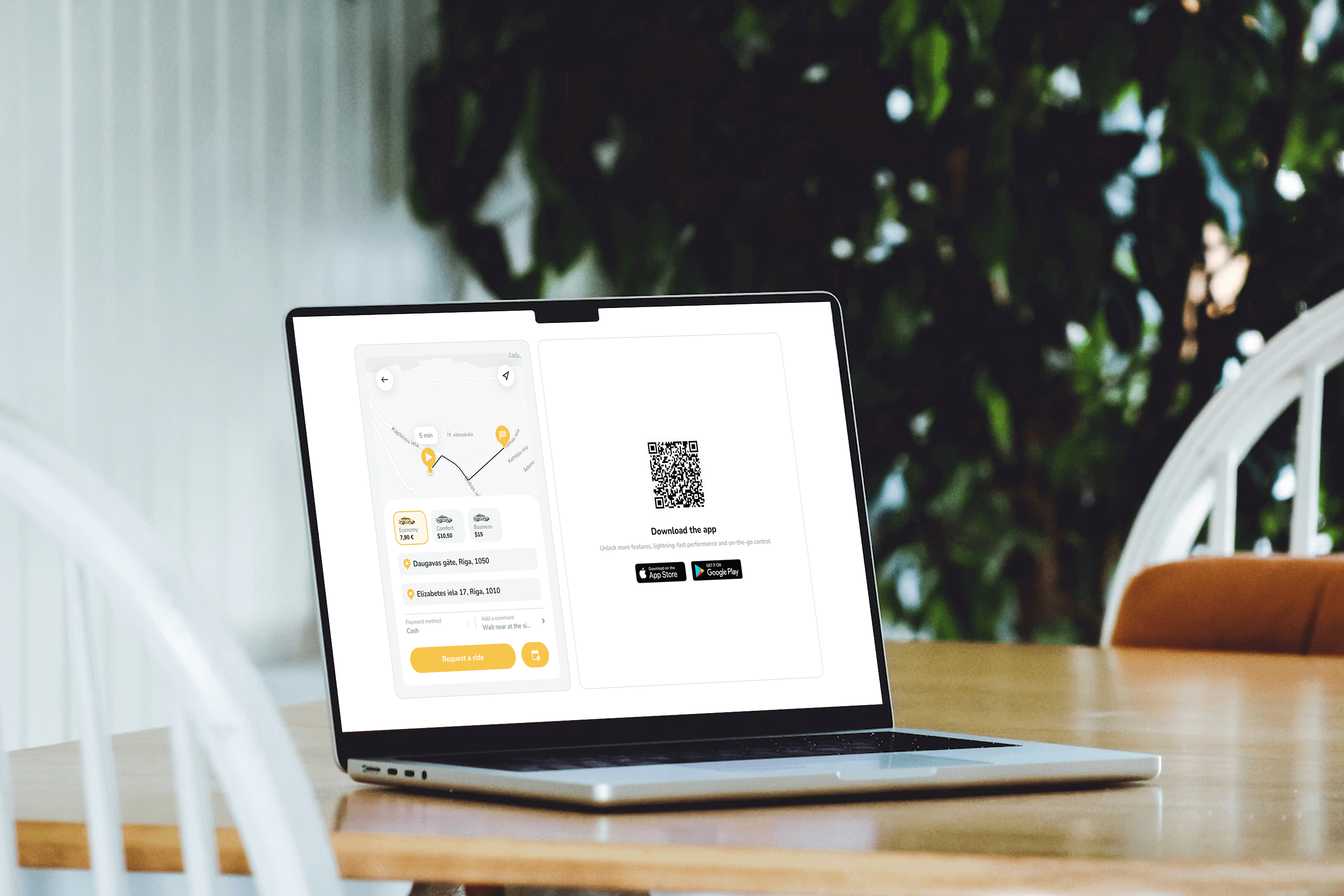
🚕 Web-booker is a lightweight ride-hail widget that lets users book rides directly from a website or mobile browser - no app install required. It reduces booking friction, supports hotel and partner demand, and keeps every ride fully synced with the taxi operator’s app and dashboard.
What if ordering a taxi was as easy as booking a room or clicking “Reserve table” on a website?
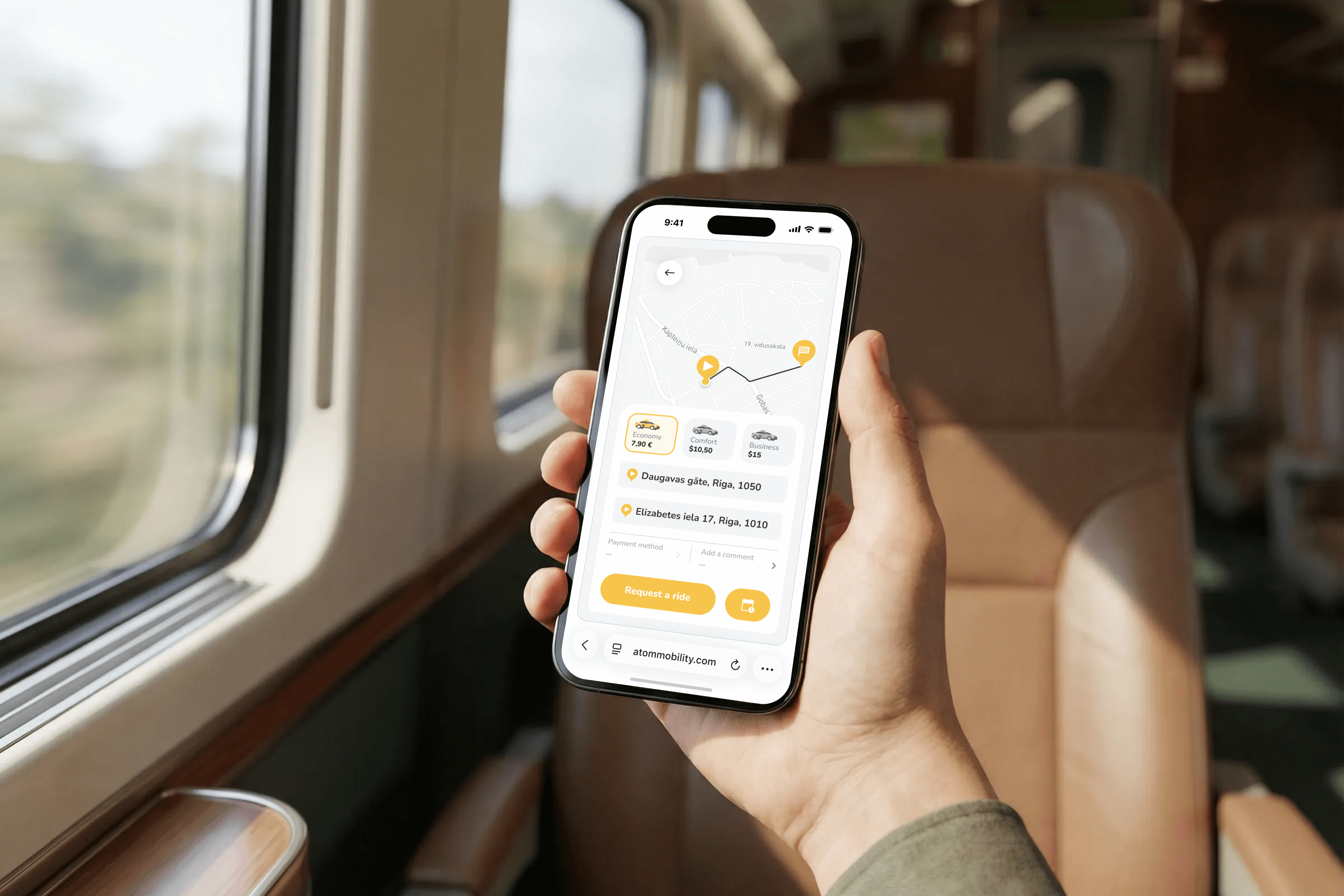
Meet Web-booker - a lightweight ride-hail booking widget that lets users request a cab directly from a website, without installing or opening the mobile app.
Perfect for hotels, business centers, event venues, airports, and corporate partners.
👉 Live demo: https://app.atommobility.com/taxi-widget
Web-booker is a browser-based ride-hail widget that operators can embed or link to from any website.
The booking happens on the web, but the ride is fully synchronized with the mobile app and operator dashboard.
No redirects. No app-store friction. No lost users.
This keeps fraud low while preserving conversion.
Web-booker addresses one of the most common friction points in ride-hailing: users who need a ride now but are not willing to download an app first. By allowing bookings directly from a website, operators can capture high-intent demand at the exact moment it occurs - whether that is on a hotel website, an event page, or a partner landing page.
At the same time, Web-booker makes partnerships with hotels and venues significantly easier. Instead of complex integrations or manual ordering flows, partners can simply place a button or link and immediately enable ride ordering for their guests. Importantly, this approach does not block long-term app growth. The booking flow still promotes the mobile app through QR codes and store links, allowing operators to convert web users into app users over time - without forcing the install upfront.
Web-booker is not designed to replace the mobile app. It extends the acquisition funnel by adding a low-friction entry point, while keeping all bookings fully synchronized with the operator’s app and dashboard.
👉 Try the demo
https://app.atommobility.com/taxi-widget
Want to explore a ride-hail or taxi solution for your business - or migrate to a more flexible platform? Visit: https://www.atommobility.com/products/ride-hailing
Credenciales de demostración de Driver App - Correo electrónico: test@atom.com, contraseña: conductor

