Blog
Insights and news from the ATOM Mobility team
We started our blog to share free valuable information about the mobility industry: inspirational stories, financial analysis, marketing ideas, practical tips, new feature announcements and more.

We started our blog to share free valuable information about the mobility industry: inspirational stories, financial analysis, marketing ideas, practical tips, new feature announcements and more.
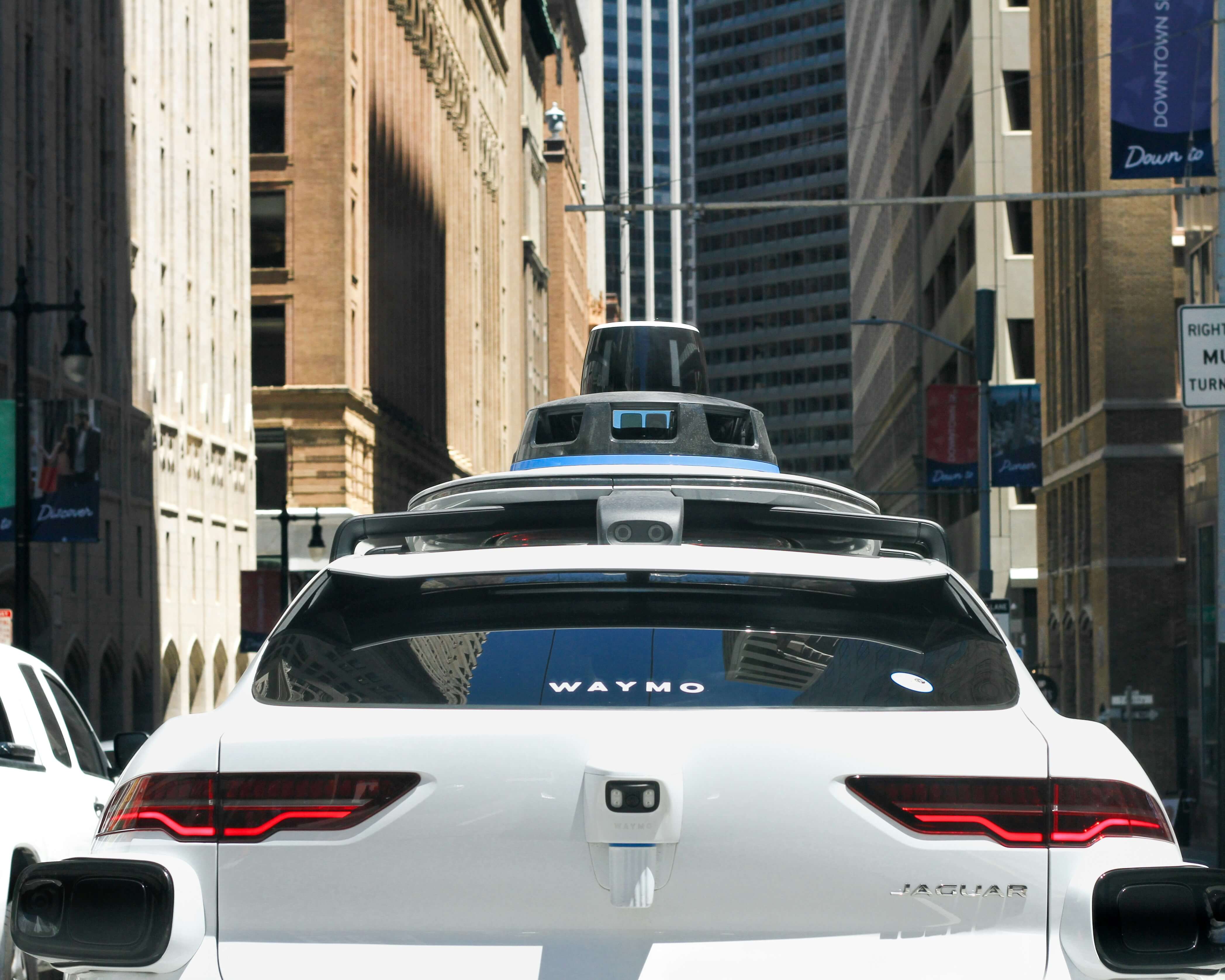
🤖 Who will actually operate Europe’s robotaxi fleets? Autonomous driving may remove the driver, but it doesn’t remove the work behind the car. Robotaxis still need charging, cleaning, maintenance, depots, customer support and someone managing the fleet every day. Early projects in Zagreb, Madrid and London illustrate different stages of deployment and how AV technology providers, fleet operators and booking platforms can work together. Taxi, rental and car-sharing companies already handle many of these tasks. What would it take to turn that experience into an autonomous fleet business?
For a taxi fleet owner, autonomous vehicles may seem to remove the most important part of the current business – the driver. But even without drivers, someone still needs to take care of the cars. They need to be owned or financed, charged, cleaned, inspected and repaired. Someone also needs to manage depots, deal with incidents, help customers and make sure enough cars are available.
The first robotaxi services and tests in Europe are already showing how this could work. The company that develops the autonomous driving technology does not always own or operate the cars. The app where customers book their rides may come from another company too. This could leave an important role for taxi, rental, car-sharing and other fleet companies that already know how to manage vehicles.
A taxi company today manages both cars and drivers. Drivers need to be recruited, scheduled, paid and supported. With a driverless fleet, these tasks would eventually disappear, but most of the work related to the cars would stay.
Autonomous cars still need charging or refuelling, cleaning, tyres, inspections, repairs and insurance. They also need somewhere to park when they are not working. If there is an accident or a technical problem, someone needs to deal with it and get the car back on the road. Customer support is still needed too when there are problems with bookings or payments, or when someone leaves something in the car.
Some of these tasks may even become more important. Robotaxis are expensive, and every hour a car spends charging, being cleaned or waiting for maintenance is an hour when it cannot take passengers. Moove, for example, already provides fleet ownership, depots, charging, maintenance and 24/7 operations for autonomous vehicles.
Drivers also do more than drive: they notice damage, report faults, help passengers and respond when something goes wrong. Without a driver, these responsibilities need clear processes and dedicated support. Existing fleet experience is an advantage, but operators will need to adapt it to vehicles running without someone behind the wheel.
There can be several companies behind one robotaxi ride. One provides autonomous driving technology, another may own the cars, and a local company can take care of the fleet. A platform such as Uber can then connect the cars with passengers. Sometimes one company may do several of these things, but this is not always the case.
Zagreb is one example. Pony.ai provides the autonomous driving system, Verne owns and operates the fleet, and Uber connects it with customers through its app. Autonomous rides became commercially available through Uber in August 2026 with a licensed operator onboard. On 10 September, Pony.ai and Verne also started fully driverless passenger test rides on a 22-kilometre route connecting parts of Zagreb with the airport. These are still limited test rides, not a fully driverless service across the whole city.
A similar model is being tested in Madrid. WeRide, Uber and AVOMO received permission in September 2026 to start testing and mapping under Spain’s ES-AV framework. The first 20 vehicles have an onboard specialist. WeRide provides the autonomous technology, Uber connects the cars with passengers, and AVOMO takes care of fleet operations. Commercial operations are planned for later in 2026, but the current permit is for testing and preparation rather than a general driverless taxi service.
In London, Wayve and Uber launched supervised autonomous passenger rides in September 2026. Customers can be matched with an autonomous vehicle through the Uber app, but there is still a licensed driver in the car.
The plans for the next few years are already much bigger. Pony.ai and Uber announced in August 2026 that they plan to deploy more than 2,000 robotaxis in Europe, starting with Zagreb and later expanding to four more European cities.
Bolt and Lucid announced another partnership in September, with Bolt aiming to deploy at least 25,000 autonomous Lucid vehicles across European cities. This is a future target, not 25,000 cars already operating today.
How these fleets are owned and operated may also be different from one city to another. Local regulations, available vehicles, charging and depot infrastructure and partnerships will all have an effect on how each service is set up.
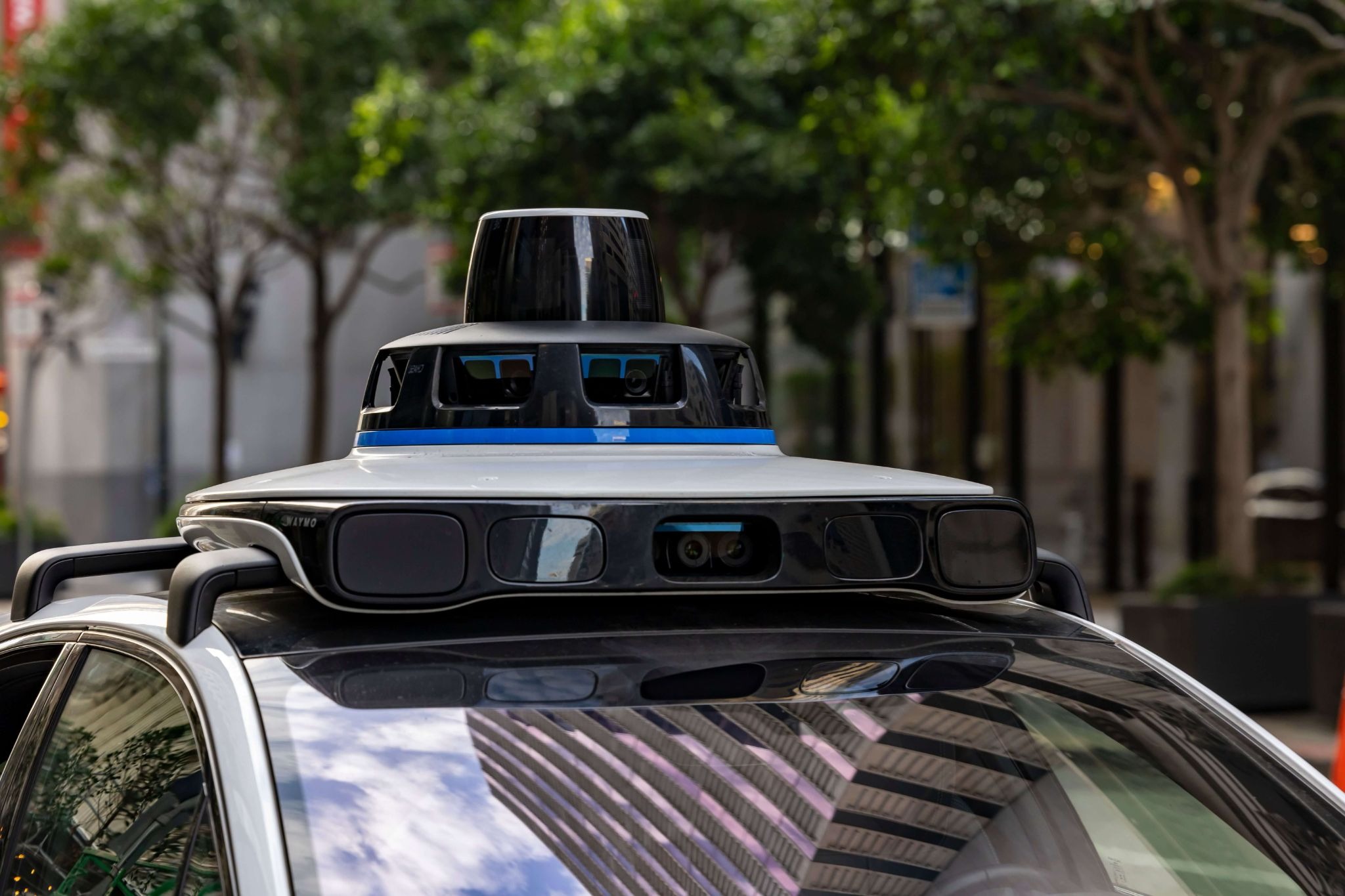
Taxi companies already do many of the things that would still be needed with an autonomous fleet. They maintain cars, deal with insurance and incidents, provide customer support and make sure enough vehicles are available. Some also already have their own depots, charging infrastructure or maintenance partners.
One possible model can already be seen in Zagreb. A local company owns and operates the autonomous fleet, while a larger ride-hailing platform brings customers. In the future, an existing taxi company could potentially have a similar role. Instead of managing cars and drivers, it could manage autonomous cars that receive bookings through a larger platform.
This does not mean platforms such as Uber will always rely on other companies to own the cars. Uber’s 2026 agreement with Rivian includes up to $1.25 billion in milestone-dependent investment and says that Uber or its fleet partners may purchase the autonomous vehicles. Uber is also developing infrastructure for autonomous fleets. Different ownership models are therefore possible.
Autonomous vehicles could also become interesting for rental and car-sharing companies, although this is probably further in the future. These businesses already manage vehicles, maintenance, cleaning, charging, bookings, customer accounts and payments, so much of the practical work is similar.
Autonomous driving could also change how rental and sharing cars are moved. Today, an employee may need to drive a car from one location to another. In the future, the vehicle could potentially do this itself within an area where autonomous driving is approved. It could even become possible for a rental car to drive itself to a customer’s pickup point.
Without drivers, it becomes especially important to understand how much time each vehicle is actually working. Every hour spent charging, being cleaned, waiting for maintenance or simply sitting unused means less time carrying paying passengers.
Some useful KPIs could be available hours per vehicle, paid trips per vehicle each day, revenue per available vehicle/day, empty kilometres, charging and maintenance downtime, cost per trip and incidents that need human help. These are most popular robotaxi industry KPIs of what a company could measure during a pilot.
For example, if cars spend too much time waiting to charge, the charging setup may need to change. A lot of empty kilometres could mean the cars are not in the right places, while too much maintenance downtime could make a vehicle more expensive to operate.
For either model, the business case depends on the partnership terms: who finances the vehicles, who carries the risk when demand is low, and how revenue and operating costs are shared. Operators should assess what remains after vehicle financing, insurance, charging, maintenance and partner fees. Depots, local service teams and reliable fleet availability could make an operator a valuable partner, but profitability still needs to be demonstrated.
One option for taxi fleets would be to work with an autonomous driving company and a larger ride-hailing platform. The local company could own or manage the cars and take care of the fleet, while customers book their rides through the larger platform.
Another option could be possible in cities where large ride-hailing platforms are not present or have limited coverage. A local company could work with an approved AV provider while using its own app, bookings, payments, customer support and fleet management.
In both cases, a company cannot simply buy autonomous cars and start offering rides. The technology needs to be approved, and local rules have to allow the service. These rules will also be different across Europe. Great Britain, for example, introduced its Automated Passenger Services permitting framework in 2026. Services similar to taxis or private hire vehicles need consent from the relevant local authority, while responsibility for the autonomous driving technology and the passenger service are treated separately.
A company does not need to have autonomous cars today to start preparing. A good first step is understanding the current fleet in detail – what each vehicle costs, how many hours it is available, how much time it spends charging or being repaired, and when cars are used the most.
Charging, cleaning, maintenance and depot processes are also worth looking at because all of these will still be needed with autonomous vehicles. A company interested in an AV pilot can then choose a location and use case, look at the local permit process and start talking to autonomous driving technology providers.
The software will also need some preparation. Customers still need to book and pay for rides, while the company needs fleet information, customer support, reporting and connections between its own systems and the AV technology. Starting with a small pilot makes it possible to test all of this before trying to build a larger service.
ATOM Mobility already provides many of the software functions used by taxi, ride-hailing, rental and sharing companies, including customer apps, bookings, payments, fleet management, maintenance tasks, analytics and APIs. Its ride-hailing software includes passenger and driver apps, dispatch, payments, fleet data, analytics and integrations. The ATOM Mobility API can also exchange data about vehicles, bookings, rides, payments, telemetry and maintenance tasks.
ATOM Mobility does not provide autonomous driving technology. This would come from a specialised AV company, and each project would have its own technical requirements and local approvals. For an AV pilot, ATOM Mobility could work with the fleet company and AV provider on the rider experience, integrations, fleet management and the data needed to measure how the pilot is working.
If you operate a taxi, rental or sharing fleet and want to explore an AV pilot, ATOM Mobility can help plan the booking and fleet-management setup, integrations and metrics you would need to test together with an AV technology partner.

Corporate car-sharing schemes are becoming an increasingly popular way for companies to provide transportation for their employees while also reducing costs and improving sustainability. In this blog post, we'll look at the benefits of corporate car-sharing schemes and how ATOM Mobility software can help companies deploy their own car-sharing scheme for their employees.
Corporate car-sharing schemes are becoming an increasingly popular way for companies to provide transportation for their employees while also reducing costs and improving sustainability. In this blog post, we'll look at the benefits of corporate car-sharing schemes and how ATOM Mobility software can help companies deploy their own car-sharing scheme for their employees.
Corporate car sharing is a transportation solution that allows companies to provide access to a fleet of shared vehicles for their employees. Employees can reserve a car for a specific time period and use it for business-related travel. The cost of the rental is typically paid for by the company.
There are 2 main ways that corporate car sharing can be implemented:
In both cases, the company will need to set up the software for managing the car-sharing scheme, including reserving and booking vehicles, tracking usage, and handling payment processing. This can be done through an ATOM Mobility software platform.
Corporate car sharing can help to solve a number of challenges that companies may face:
1) Vehicle reservation and booking: Employees should be able to view available vehicles and make reservations for the times they need to use a car. This can be done through a mobile app.
2) Keyless go via the app: The software should allow employees to locate available vehicles, unlock and use them without needing to go and collect the keys from god knows where.
3) Payment processing: The software should handle payment processing if the corporate compensates their trips partly, including the calculation of charges based on distance or time.
4) Vehicle maintenance and repair log: The software should allow the company to input any info about the cars and track the maintenance and repair needs of the shared vehicles. This info should be easily accessible by the car service provider as well.
5) Usage tracking and reporting: The software should provide detailed monitoring and reporting on the usage of the shared vehicles, including metrics such as the number of trips, distance travelled, and fleet utilisation by hours. This information can be used to optimise the car-sharing scheme and reduce costs.
6) User management: The software should allow the company to manage the users of the car-sharing scheme, including adding new users and different user roles and revoking access as needed.
7) Administrative controls: The software should provide the company with administrative controls to manage the car-sharing scheme, including the ability to set rules and guidelines, set rental rates, and so on.
Overall, the functionalities included in car-sharing software will depend on the specific needs and goals of the company and the car-sharing scheme.
If you would like to learn more about how to set up a corporate car-sharing scheme for your company, get in touch with our team here: book a call.
ATOM Mobility is a software provider with a corporate car sharing software that helps companies to deploy their own car-sharing scheme for their employees. Our software includes a range of features to support corporate car sharing, including online booking, vehicle tracking, payment processing, usage reporting, and user management.

🔥 We're excited to announce that the first-ever "ATOM Mobility Hub" program has concluded with Shrink Scooters taking home the main prize 🎉
🔥 We're excited to announce that the first-ever "ATOM Mobility Hub" program has concluded with Shrink Scooters taking home the main prize 🎉
ATOM Mobility will set them up with a free software solution for a year to accelerate the launching and growth of their business of bringing shared mobility to UK university campuses.
Congratulations also to the four runner-ups: Swap City, JETT, Mobi-EV, and Drop, as well as all the other teams successfully completing the program. 👏
We can't wait to see what you'll achieve in the future!
👏 Finally, we'd like to express our gratitude to the program's lead mentors and the program partners without whom the program would not be possible: Dr. Johanna Braun, Mario Gamper, KNOT // docking and charging for micromobility, Fluctuo, Funderbeam, ACTON, Anadue, Sumsub, movmi - Shared Mobility Consultants, Helve, EIT Urban Mobility
ATOM Mobility Hub is a free venture-building program meant to help ambitious entrepreneurs to build their mobility companies from zero. The nine-week programme ended with participant business pitches to mobility industry experts and investors on early December, 2022.
Read more:
https://labsoflatvia.com/en/news/student-led-company-triumphs-at-atom-mobility-hub
You can learn more about ATOM Mobility HUB here:
https://atommobility.com/hub
If you are interested to start your own vehicle sharing/rental business – head over here to request a demo and we'll get back to you as soon as possible.

ATOM Mobility has broadened the scope of its services by adding rental software to its platform. The new module allows car, bike, and scooter rental companies to automate and digitalize their rental business with ATOM Mobility's platform which features digital ID verification, keyless vehicle access, calendar booking and prepayment, automated hand-off inspection, and much more.
ATOM Mobility has broadened the scope of its services by adding rental software to its platform. The new module allows car, bike, and scooter rental companies to automate and digitalize their rental business with ATOM Mobility's platform which features digital ID verification, keyless vehicle access, calendar booking and prepayment, automated hand-off inspection, and much more.
This effectively allows ATOM Mobility customers to create an all-in-one Superapp for the on-demand mobility market, after the company also added ride-hailing/taxi software to its platform earlier in the year which gives companies easy-to-use solution to manage their customers, drivers, and operations, all from one place. The platform can facilitate virtually any vehicle, be it a scooter, bike, car, moped, or even golf cart, for on-demand short-term, one-off trips, as well as for month-long rentals, and everything in between.
In addition to giving traditional vehicle rentals a simple and highly-efficient way to digitalize their operations and improve customer experience, integrating a rental module also serves to unlock new business opportunities.
Fleet owners can have all the different modes in one app, serving tourists and locals with the types of vehicles and services in need at any given moment, e.g. a scooter for a short trip on a sunny day, a taxi on a rainy one, and a rental car for a weekend getaway. Mobility service providers can mix and match the various modules to suit their offerings. For example, new market entrants can start with one operational model, and diversify their services as they grow by adding other modules to their existing app.
The rental business model doesn't necessarily require adding new vehicles – it has the potential to maximize revenue from existing services. For instance, bike rentals can benefit from adding rental options alongside their on-demand, free-floating model, by allocating part of their fleet for renting purposes. To illustrate, depending on the location, an e-bike could bring in 15-25 EUR when rented for a full day, as compared to an average of 3 EUR per on-demand ride, with one to five uses a day. Accordingly, the rental model can be more profitable for the operator, as well as more convenient for the user, as they get the bike for the full day.
Another chief benefactor of the new rental module is traditional car rental companies. For one, they can digitalize their operations and offer a fantastic, fully digital self-service experience to their customers, making it easier to pick up and drop off vehicles. Service digitalization also enables car rentals to open remote automated branches by partnering with hotels, parking lot owners, gas stations, etc. This may imbue extra convenience in your operations, as clients don't have to travel halfway across the city just to pick up their vehicle.
As with previous products, the rental module is fully white-label, allowing the app to be customized with your brand design and colors. All whilst offering a smooth and convenient in-app rental experience for your customers.
With ATOM Mobility's rental module, operators will also gain access to a powerful dashboard for managing their fleets, bookings, and customers. In it, you may:
ATOM Mobility's all-in-one platform is the first of its kind, offering operators an opportunity to provide an excellent mobility service to their local community and visiting tourists. By listening to its customers and staying a few steps ahead of the market, ATOM was able to create a comprehensive, all-inclusive SuperApp. Accordingly, all components integrate seamlessly ensuring a smooth, hiccup-free, and user-friendly experience for both operators and their customers.
Learn more about different solutions and modules:
Vehicle sharing module (on-demand, mostly short trips): https://atommobility.com/products-share
Rental module (pre-booking, mostly weekly and monthly rentals): https://atommobility.com/products-rent
Ride-hailing/taxi module: https://ride.atommobility.com
Let us show you how it all works – head over here to request a demo and we'll get back to you as soon as possible.


“Using ATOM Mobility's platform, we were able to open up our taxi business to an entirely different target market – younger people. We've been able to offer a more simplified booking process to continue offering quality service to our customers...”
“Using ATOM Mobility's platform, we were able to open up our taxi business to an entirely different target market – younger people. We've been able to offer a more simplified booking process to continue offering quality service to our customers, which is our guiding principle.” - Jamal, Founder and CEO of Vift
“Using ATOM Mobility's platform, we were able to open up our taxi business to an entirely different target market – younger people. We've been able to offer a more simplified booking process to continue offering quality service to our customers, which is our guiding principle.” - Jamal, Founder and CEO of Vift
Experience in the taxi business: 6 years
Country: Sweden
Web page: https://viftmobility.com
App store: https://apps.apple.com/vn/app/vift/id1631027113
Google Play: https://play.google.com/store/apps/details?id=vift.app
As engineering students in the Swedish city of Örebro, just west of Stockholm, the Zindi brothers saw market demand and decided to launch their own taxi company. Starting six years ago, the business has grown to account for 8% of the local taxi market, attracting a higher-end clientele.
One year ago, founder and CEO Jamal Zindi was looking for opportunities to further grow his business. At the time, Vift operated as a classical taxi company – based on receiving phone calls and dispatching drivers. By using the ATOM Mobility platform, he was able to launch his own dedicated mobile app, which clients could use to directly order and pay for their taxis.
The effect of digitising his business was immediate – Jamal shares that they have received a considerable boost to business, as it opens the door to a new target audience. He shares that human behaviour regarding booking has changed. Many young people don't like picking up the phone to make a taxi booking, or people sitting in meetings aren't able to make a call. Having an app to offer makes all the difference.

Jamal shares that throughout all of his journey as an entrepreneur, his guiding principle has always been to offer the best possible quality to clients.
“In the services sector, it's not about who offers it cheaper, it's who serves their clients better. We offer better cars, better drivers, better customer experience. If you do it better, people will be willing to pay a premium,” explains Jamal.
In the early days, Vift's differentiating factor was an improved experience. They, and their drivers, were from an academic background. They were younger than most taxi drivers in Örebro at the time, which Jamal considered an advantage. They were able to bring an improved customer experience to their clients, which was appreciated.
They aren't in a hurry to expand in size or geography. Jamal emphasises that they're looking to build a solid foundation and only then expand upon that.
“We don't want to start with too many cars. Our strategy is to build up the business in stages. Because if the foundation is strong, you will not fall. Once you have a system in place, it's easier to go to other cities.”
Vift has its own fleet of cars, and, using the ATOM Mobility platform, it can now onboard other drivers onto its platform. Though they're not in a hurry – they're establishing quality first and then will look beyond their borders.
The city of Örebro does not lack in its fair share of taxi sharing apps. They have Bolt, Uber, and others. But what Vift can offer and Uber can't, is hyper-local customer service – both for drivers and for end-customers.
“There are Bolt and Uber, they drive very cheaply. But the management and owners are not in Sweden. So if you have a question, you won't receive a response that fully understands your situation. People appreciate that we're from Sweden, that they can contact us, and that they can receive a response in their own language,” comments Jamal.
Using their competitive advantage, they believe that in just 2 years, they will be the biggest company in Örebro. And after that, they'll replicate their experience in other cities, still based on quality-over-quantity.
One thing that sets Vift apart from traditional taxi services is their future-oriented mindset. Jamal shares that when making business decisions, he thinks about what will be relevant in 5-10 years' time. This way, he's able to stay ahead of the competition, and relevant to his customers.
One way this comes across is in the vehicles they choose.
“Right now, all of our cars are hybrid. But very soon we'll be switching to a fully electric vehicle fleet. It's the better choice – for business, for the environment. That is where mobility is heading, and that's where we have to be as well.”
When asked about his tips for other entrepreneurs looking to start their own taxi business, Jamal stays true to his values:
“Constant development. Professional standards. Work with the heart. Quality is what matters. Consider the future – if you only do things for today, then you'll fall down.”
Through working together, Vift has significantly increased its demand and revenue. Laying the strong foundation for digital services, Vift can now continue to build out the business and reach its goals of dominating the local market and expanding past its borders.
Learn more about ATOM Mobility ride-hailing and taxi platform here: https://ride.atommobility.com

"State of art technology in mobile apps and dashboard, very good SLA!"
"Easy, nice looking, continuously updated and developed every month and most of all very reliable with a extreme high uptime"
"We used to work with a different service provider which wasn't fitting our needs. Switching to ATOM was an improvement on our side"
Use test credentials to log in - Phone number: +1 123123123, Code: 777777


Driver App demo credentials - Email: test@atom.com, Password: driver