Blog
Insights and news from the ATOM Mobility team
We started our blog to share free valuable information about the mobility industry: inspirational stories, financial analysis, marketing ideas, practical tips, new feature announcements and more.

We started our blog to share free valuable information about the mobility industry: inspirational stories, financial analysis, marketing ideas, practical tips, new feature announcements and more.
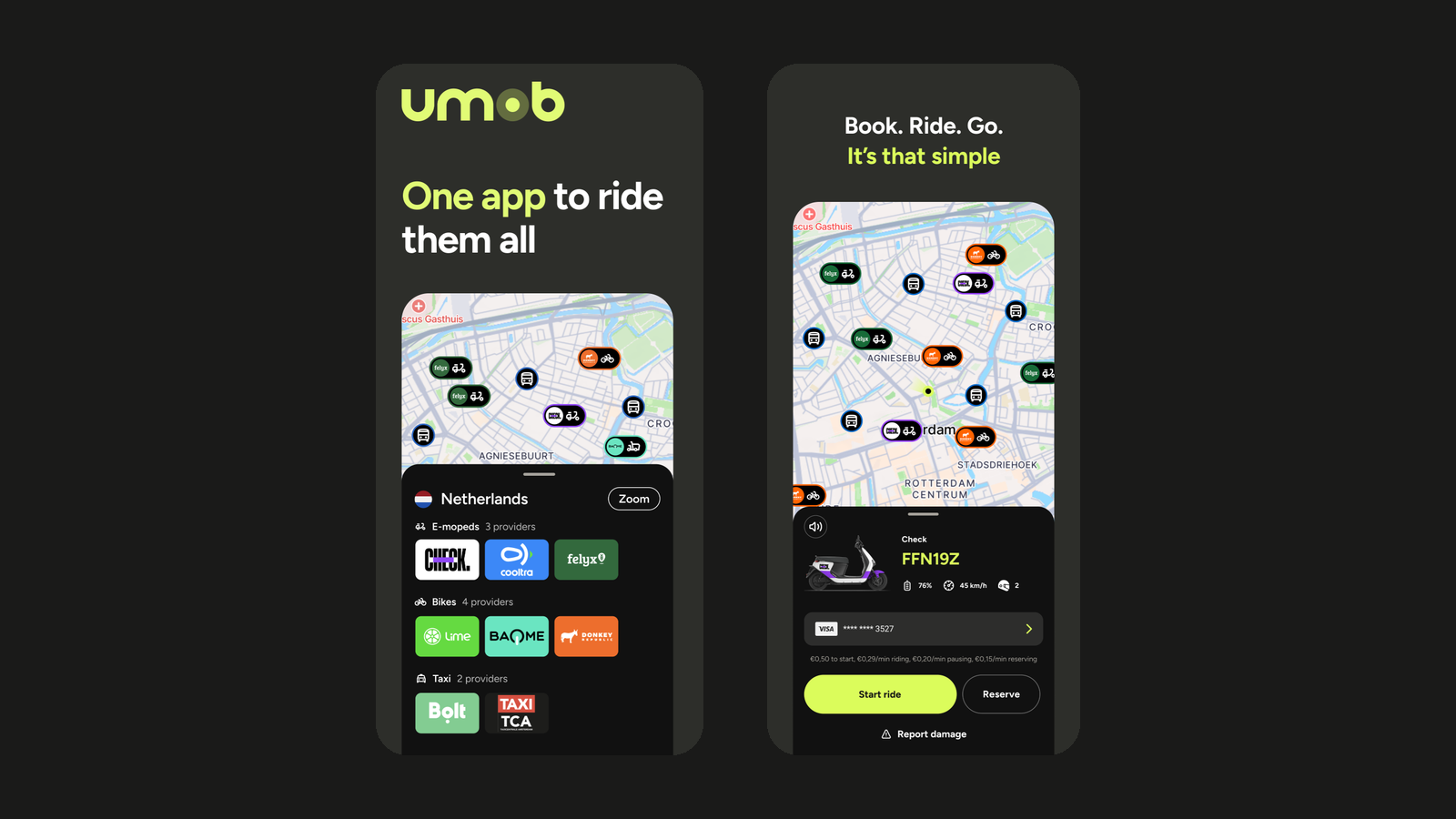
🌍 Reach more riders with ATOM Mobility and Umob. The integration gives shared mobility operators an additional distribution channel, helping attract new customers, generate more bookings and improve fleet utilization.
The future of mobility is not just about operating vehicles. It is about creating convenient journeys that bring different transportation options together in one simple customer experience.
That is why we are excited to highlight our partnership with Umob, helping mobility operators expand their reach and become part of a growing multimodal mobility ecosystem.
Whether you operate shared cars, scooters, bikes or mopeds through the ATOM Mobility platform, integrating with Umob allows your service to become accessible to thousands of Umob users looking for a convenient way to travel.
Today's users expect flexibility. They don't think in terms of individual mobility providers, they simply want the fastest, easiest, and most convenient route from A to B.
Umob brings different mobility providers and transport options together in one app. Users can find, compare, book and pay for different mobility options without having to download a separate app or create a new account for every provider.
By connecting your fleet to Umob, operators can:
For ATOM Mobility customers, the integration is designed to provide a straightforward way to unlock new distribution opportunities while continuing to manage their core operations through the ATOM Mobility platform.
Through the ATOM Mobility platform, participating operators can connect their fleets with Umob, enabling users to discover and use available vehicles directly through the Umob app.
Once connected, vehicles from participating operators can appear in Umob alongside other available mobility options, giving users one clear overview of the different ways they can get from A to B.
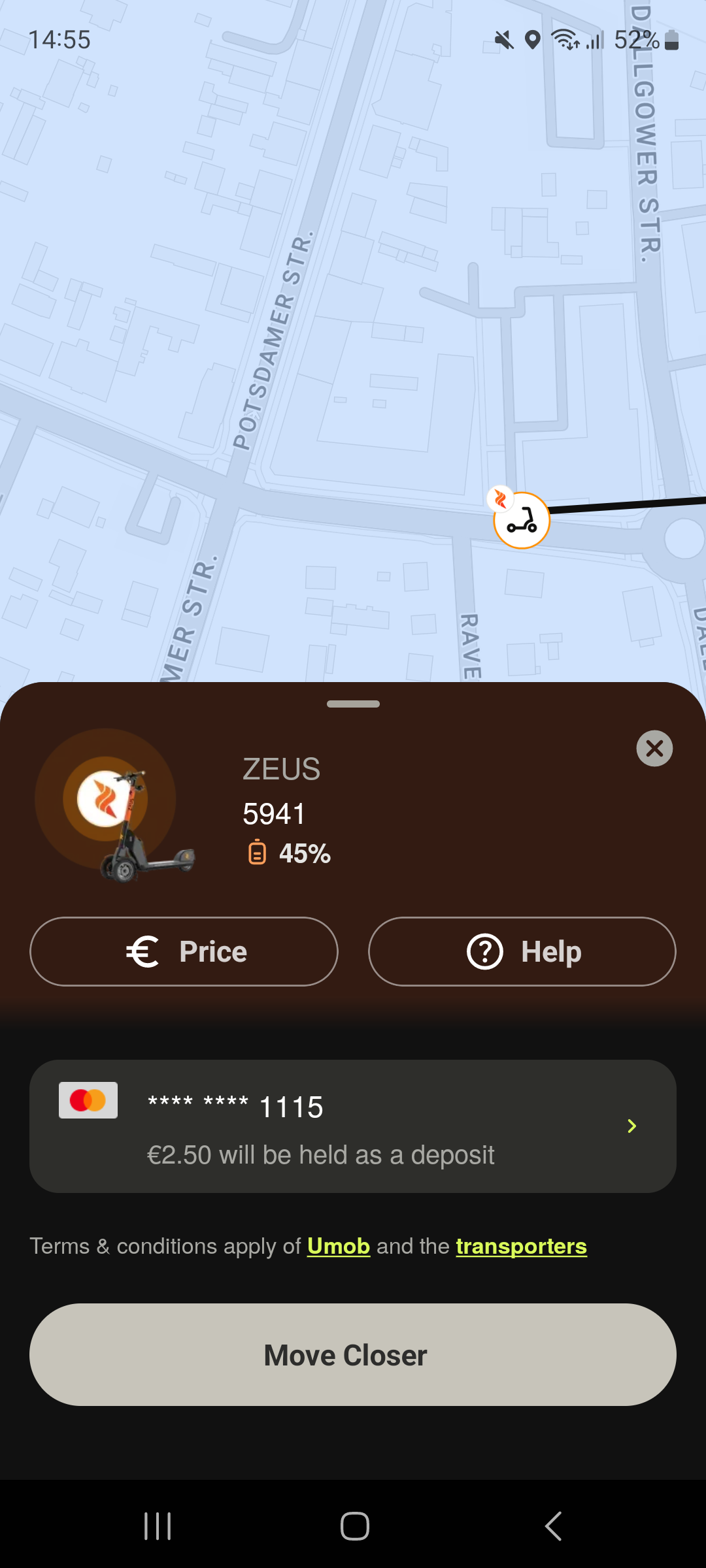
Users can discover an available vehicle, reserve and unlock it, start and end their ride, and pay directly through Umob.
The integration is designed to support:
Operators continue to manage their fleet, pricing, service areas and day-to-day operations through the ATOM Mobility platform, while Umob provides an additional channel through which users can discover and access their vehicles.
For mobility operators, connecting with Umob creates an additional distribution channel without changing the way they manage their day-to-day operations through ATOM Mobility.
By making vehicles available to thousands of Umob users, operators can increase their visibility at the moment people are actively looking for a ride. This creates the potential to attract new users, generate additional bookings and improve fleet utilization over time.
Every market is different, but many operators see MaaS partnerships as an important part of their long-term growth strategy.
One of the first ATOM Mobility operators to launch through the Umob integration is ZEUS Mobility, an ambitious European e-scooter sharing provider with a strong focus on innovation, a dynamic approach and challenging the established players in the market.
Fittingly, the partnership itself started through the ATOM Mobility network.
ZEUS and Umob first met at an ATOM Mobility event in Riga. While the initial introduction happened during the event, it was over drinks later that evening that the conversation really started.
ZEUS had already come across the Umob brand on mobility vehicles while travelling and had been impressed by the professional approach the company was taking. That recognition quickly turned into a conversation about how both companies could strengthen their propositions by working together.
From there, the integration moved forward quickly. ZEUS describes the preparation and integration process so far as “clean, professional and smooth.”
For ZEUS, the partnership creates an opportunity to strengthen the visibility of its brand, reach new customers and support its wider European growth ambitions.
Following its acquisition of Superpedestrian in May 2026, ZEUS is looking to accelerate its growth throughout 2026 and 2027, with the Umob partnership forming part of that ambition.
“ZEUS is thrilled to be partnering with Umob in European markets. Following our acquisition of Superpedestrian in May 2026, ZEUS is seeking to rapidly grow through 2026 and 2027. This partnership can help to drive this growth and reach new customers in new markets. We look forward to a rewarding partnership.” - Damian Young, ZEUS Mobility
One app to ride them all. Umob is an all-in-one mobility platform that brings different mobility providers and transport options together in one app.
Users can find, compare, book and pay for shared bikes, e-bikes, scooters, mopeds, public transport, taxis and other available mobility options through one account and one payment experience. Instead of downloading and registering with a separate app for every provider or every new city, users can open Umob and see the available mobility options around them.
Today, Umob is available in 28+ countries and 300+ cities, giving thousands of users an easier way to access different forms of mobility both at home and while travelling.
Key facts
If you're already operating your shared mobility service on the ATOM Mobility platform, connecting with Umob could be the next step toward reaching more users and becoming part of a truly connected mobility ecosystem.
If you're interested in enabling the integration or learning more about how it works, get in touch with our team. We look forward to helping more operators connect, collaborate, and make sustainable mobility easier for everyone.
🛴📡 That smooth ride you just took? It was powered by a whole ecosystem of hardware and software you never saw. From IoT modules in the vehicle to real-time dashboards and rider apps, shared mobility relies on a solid tech stack to stay online, secure, and profitable.
You open an app, spot a scooter on the map, and within seconds it unlocks with a click. You ride off, expecting the battery to be charged, the brakes to work, and the whole process to feel effortless. From the very first ride, shared mobility set the standard: vehicles should always be nearby, ready to go, and the whole experience should feel seamless. What most riders never think about, though, is the complex mix of hardware and software working in the background to make every smooth ride possible.
Technology is the baseline for the shared mobility business model. Every ride depends on it. Vehicles need IoT hardware to lock, unlock, and report their status. Connectivity has to be stable so operators always know where assets are and what condition they’re in.
On the software side, riders expect apps that feel instant and intuitive, while operators rely on dashboards for fleet health, pricing, and support. Add in the realities of theft, battery swaps, downtime, and local regulations, and the stakes become clear. Without a reliable tech stack, even small failures – a scooter that won’t unlock or a payment that stalls – can quickly break user trust and hurt the business.
Over the years, several manufacturers have entered the shared mobility IoT space, offering different hardware configurations, network technologies, and integrations. Companies like Teltonika (Lithuania), Comodule (Estonia), Invers (Germany), OMNI (China) and others produce modules compatible with various vehicle types and connectivity standards. Each provider focuses on specific strengths – some prioritize energy efficiency or compact design, others emphasize global coverage or advanced diagnostics. Choosing between them depends on the type of vehicles, operational scale, and software ecosystem an operator plans to use.
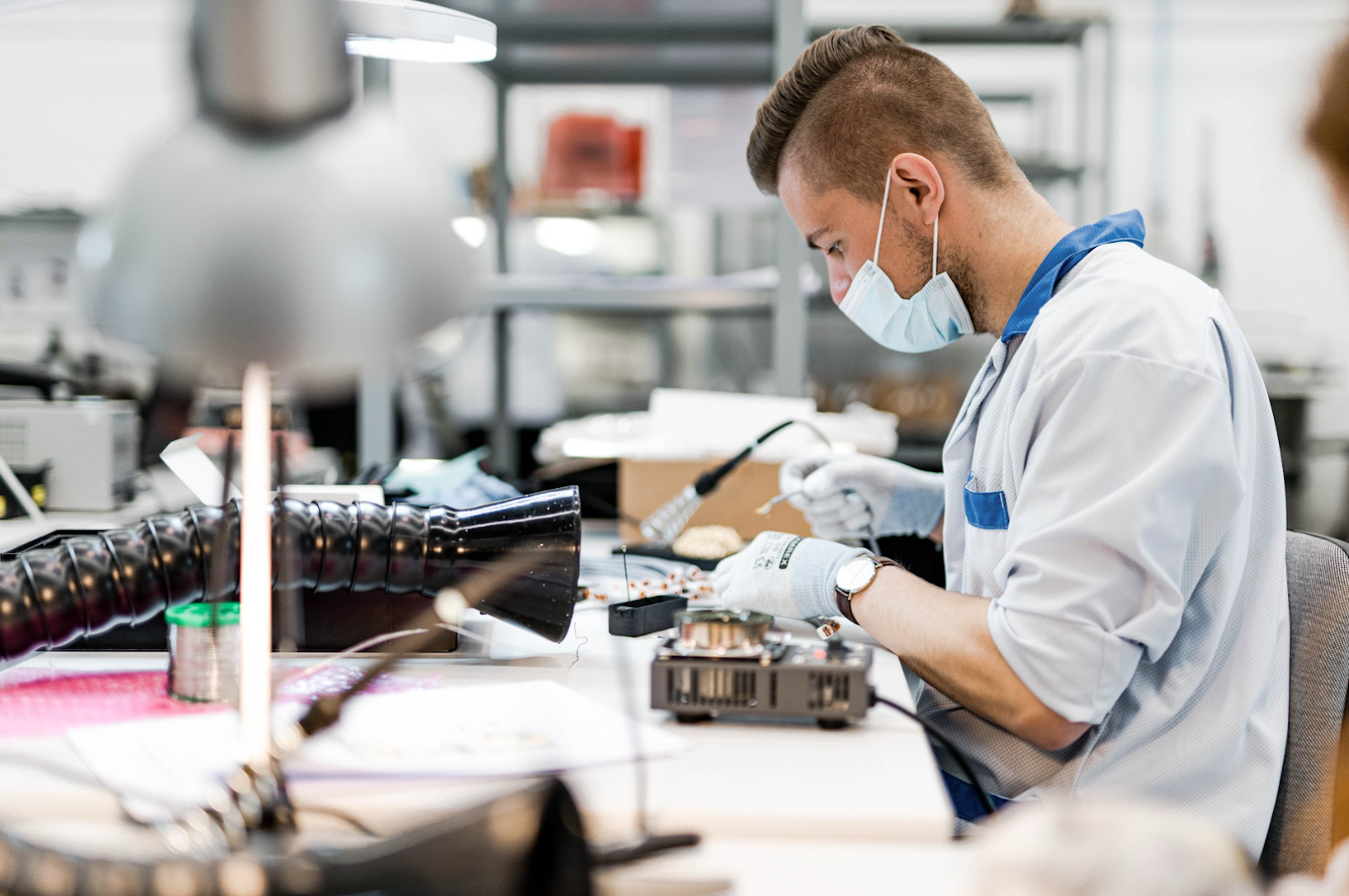
Our partner, Comodule was already developing IoT for micromobility when the Corona pandemic hit. Overnight, cities shifted and everyone needed their own safe, private way to move around. Shared scooters and bikes suddenly went from being a niche service to an essential part of urban transport, and the demand for IoT skyrocketed. For IoT manufacturers, it meant long days in development and manufacturing, pushing hard to deliver reliable devices at scale for brands like Uber, Lime, and Hive.
That sharp rise in demand forced them to grow quickly and gave valuable experience in building technology that could perform under real pressure. Fleets that trusted Comodule devices had a backbone they could rely on: vehicles that could be located, unlocked, secured, and managed internationally. Just as important, the IoT had to integrate seamlessly with software systems (like ATOM Mobility). That’s why building robust API and SDK tools became critical – enabling operators to connect hardware to their platforms, control fleets in real time, and access the information needed to keep moving.
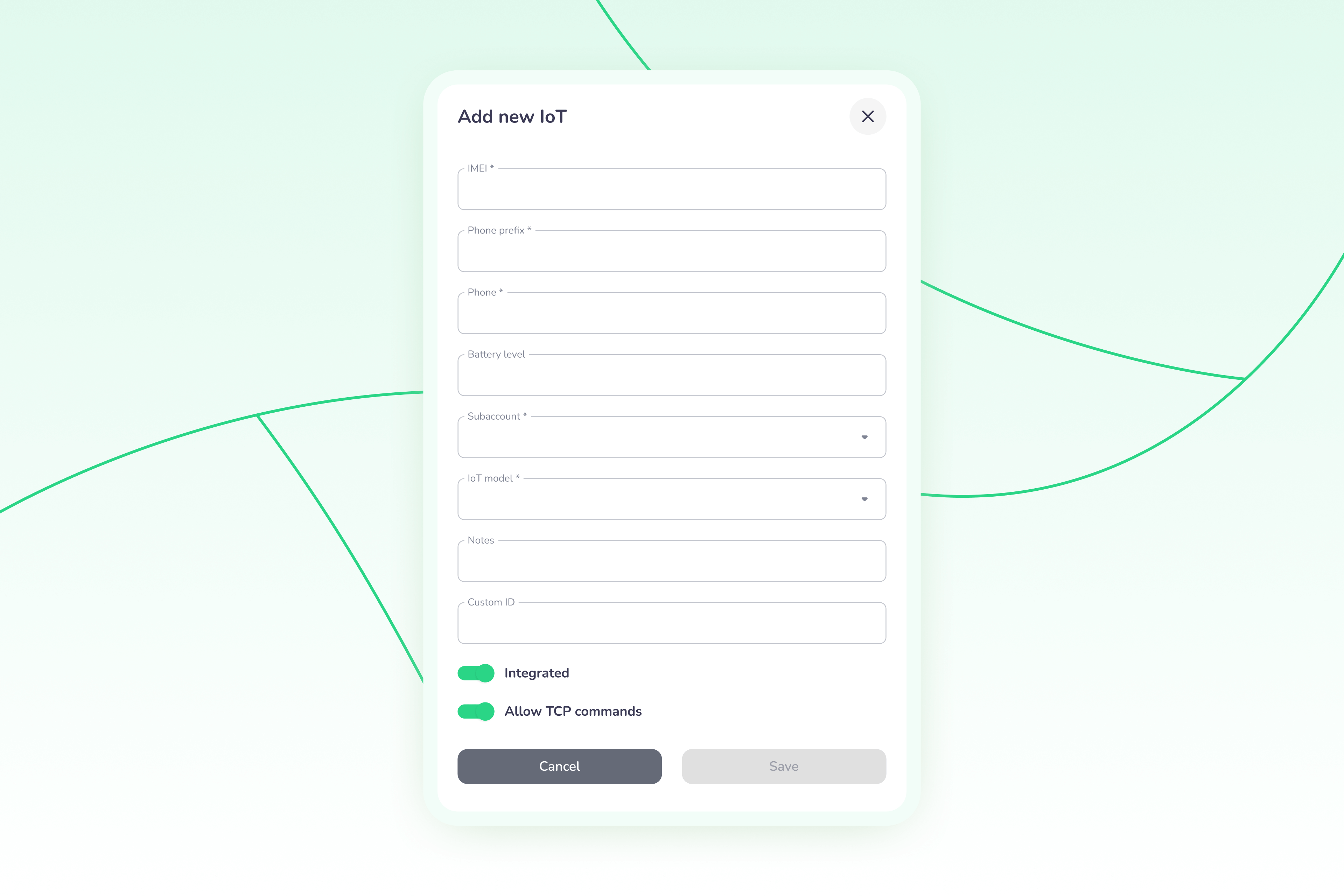
Inside every connected scooter or bike sits a IoT module, the “brain” that links the vehicle to the cloud. It connects through cellular networks, constantly sending data about location, speed, and battery status. When a rider taps “unlock” in the app, that command travels through the cloud to the module, which triggers the electronic lock and wakes up the vehicle. The same connection allows operators to set geofenced no-parking zones, push over-the-air updates, or activate a sound alarm if the scooter is being tampered with. Battery sensors inside the module report charging cycles and health, so operators know exactly when a pack needs to be swapped or replaced.
All of this data is streamed in real time to the fleet management system, giving providers the ability to monitor hundreds or even thousands of vehicles simultaneously. For operators, these capabilities mean higher uptime, faster theft recovery, and precise control over the entire fleet – the difference between running a struggling operation and a profitable one.
As shared mobility matured, the bar kept getting higher. New scooter generations came with swappable batteries, sturdier frames, and better onboard electronics. Riders got used to apps that respond instantly, process payments in seconds, and show vehicle availability with pinpoint accuracy.
At the same time, competition rose, not only from global players but also from smaller, local operators launching fleets in their own cities. For these companies, reliable hardware was no longer enough. They needed the software layer that connects everything: smooth rider apps, powerful operator dashboards, and analytics to make smarter decisions. Yet many lacked the time and resources to build software on their own.

As fleets grew and competition intensified, operators realized they did not have time or funds to develop their own software layer. They needed a market-ready platform that ties everything together – apps that riders enjoy using and dashboards that give operators full control of their business. That’s where solutions like ATOM Mobility come in.
Platform connects directly with Comodule IoT through APIs and SDKs, so every unlock command, error code, or battery update flows instantly between the rider’s app and the operator’s dashboard. Almost any company can launch a fleet with this stack – from large-scale operators to small, local newcomers.
When hardware and software work seamlessly, the rider experience feels effortless. A simple tap in the app sends a command through the cloud to IoT, which unlocks the vehicle and streams live data back in milliseconds. The operator instantly sees the vehicle’s status in the dashboard: battery level, GPS position, and any error codes.
If the scooter leaves a geofenced area, the system reacts automatically. If maintenance is needed, the alert is flagged before it becomes a breakdown. By combining the hardware with software, fleet providers get one complete ecosystem – a stack built to keep vehicles online and users satisfied.
From a rider’s perspective, shared mobility should always “just work.” That won’t change. But the technology stack behind it is becoming more sophisticated every year. Stricter regulations demand safer and more transparent services, while cities are pushing for integration into broader Mobility-as-a-Service platforms. IoT and software together provide the data and control that operators need, not only to stay compliant but also to improve fleet efficiency and sustainability and to provide insights for city planning.
For users, that sophistication will translate into something simple: services that are more reliable, safer for everyone on the road, and smarter – with data from real-world usage helping to shape better vehicles, better infrastructure, and better cities in the future.
*This article was created together with our partner Comodule.

🚗 The car rental industry is finally catching up with modern mobility. From Norway to Mexico, users are skipping the desk and unlocking their rental cars with just a tap on their phone. Paper contracts, front desks, and "similar model" surprises are being replaced by fast, app-based experiences. Operators like Hyre, Sixt, and Avis are proving that going digital boosts revenue and improves customer satisfaction.
The car rental industry is finally going digital. Not with just a website and an app, but with a real transformation of how rentals work – from booking to unlocking the vehicle. Customers no longer want paper contracts, counters, or “similar model” surprises. They want convenience, predictability, and self-service.
That’s exactly what happened at Norway’s largest airports, where traditional rental giant Europcar lost its presence to Hyre – a local operator offering a mobile-first, fully digital blend of car rental and sharing. But it’s not just new players like Hyre pushing this shift. Established giants like Sixt and Avis are rapidly digitalising their rental flow as well – rolling out features like app-based bookings, mobile ID verification, and keyless access across key markets.
At ATOM Mobility, we’ve helped operators move toward this digital future for over seven years. The goal is simple: modernise outdated processes, improve the user experience, and create more profitable operations. And right now, the timing for this shift couldn’t be better.
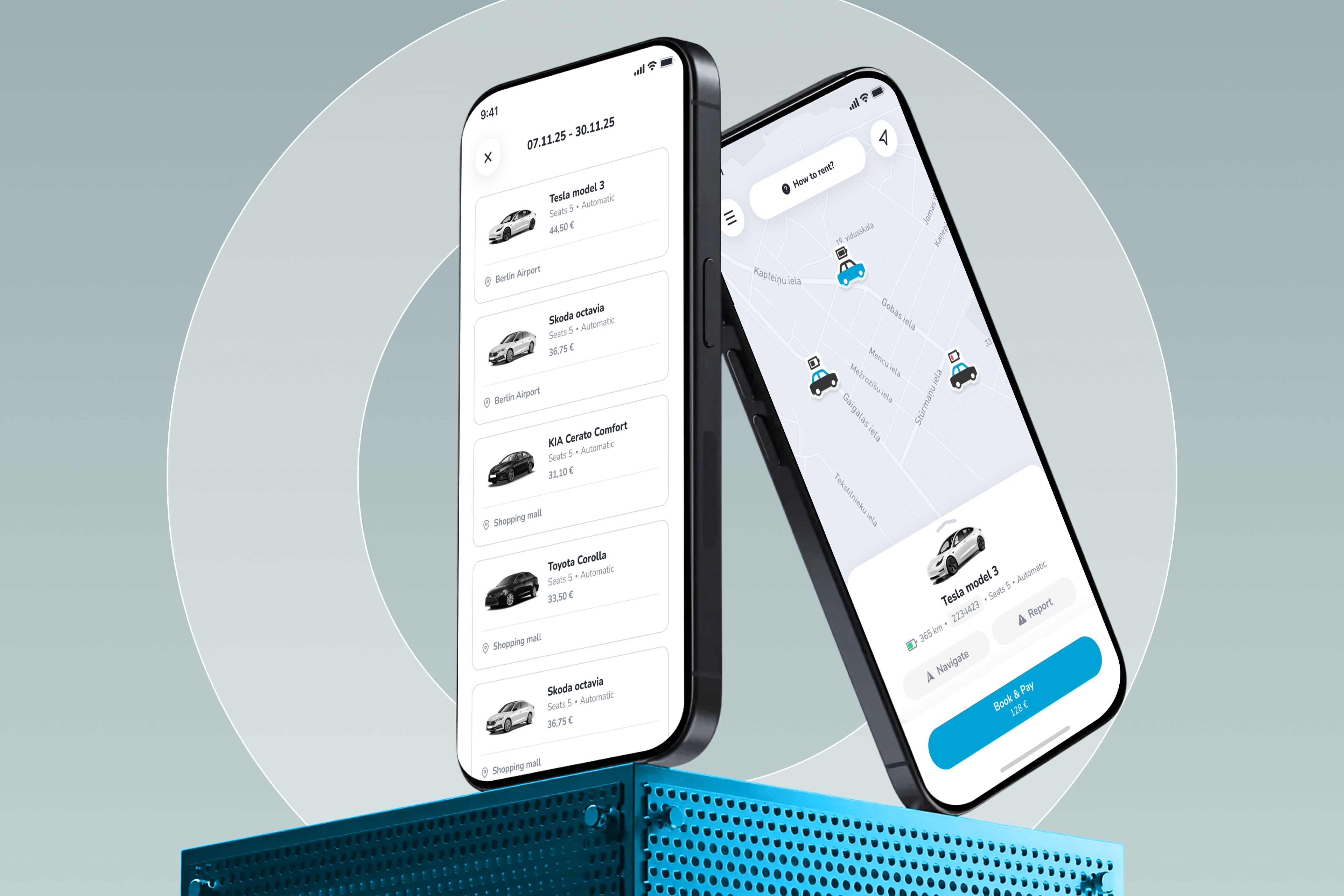
From counters to apps: Why the rental experience is changing
Customer expectations have changed. Today’s users – especially younger ones and business travellers – are used to seamless, mobile-first journeys. They don’t want to queue at a desk, hand over their ID, wait for paperwork, or discover they’re getting a different car than they booked. And in many cases, they simply won’t accept it.
Hyre’s model responds to this new demand:
And the results are impressive:
This shift is not just a trend in Norway. It’s a glimpse of where the car rental market is heading across Europe and beyond.
What users gain from a digital rental experience
The benefits for customers are obvious – and powerful:
This is what the modern traveller wants: clarity, control, and speed.
Why operators are embracing digitalisation
While the user benefits are clear, the real business case lies in how much better digitalisation makes operations:
Real examples: Hyre, Sixt, Avis, and Beyond
These companies understand that digitalisation isn’t about offering an app – it’s about rebuilding the rental experience around the user. And it's paying off.
What this means for operators (and how ATOM Mobility can help)
If you’re running a rental operation and still relying on paperwork, front desks, or disconnected tools, now’s the time to evolve.
Here’s how you can modernise your operations with help from ATOM Mobility:
ATOM Mobility provides all the building blocks to power this shift. Whether you’re a traditional rental company l
ooking to go mobile-first, or a new operator exploring flexible mobility, we’ve built the tech to get you there.
The rental counter is going away
Car rental is becoming more like e-commerce: fast, digital, and customer-led. The counter, the queue, the paperwork – these are all parts of an older model that no longer meets expectations. The future lies in seamless, app-based access that lets users pick the car they want, when they want it.
The Hyre example shows what’s possible with the right model. Sixt and Avis show how even large incumbents are adapting. If you’re an operator – big or small – the time to start this shift is now.
And if you’re looking for a trusted partner to support you on that journey, ATOM Mobility digital rental software is ready. We help rental and car sharing businesses launch, scale, and thrive – with the tech that powers modern mobility.

When global players skipped smaller cities, Elerent saw opportunity. They built a franchise-first network that now spans 60+ cities across Southern Europe. After migrating from another platform that struggled with complex IoT (10+ device types!), they found a scalable partner in ATOM Mobility.
🌍 When global players skipped smaller cities, Elerent saw opportunity. They built a franchise-first network that now spans 60+ cities across Southern Europe. After migrating from another platform that struggled with complex IoT (10+ device types!), they found a scalable partner in ATOM Mobility - and now they’re even taking on ride-hailing with WOPPH, a new Italian alternative to Uber.
When Alessio Treglia first encountered shared scooters on a trip to Lisbon in 2019, he instantly saw potential. At the time, Italy had no similar micromobility services, and the simplicity of the scooter-sharing experience – especially how easy it was through the app – left a strong impression.
That moment led to the creation of Elerent, a company that now operates in more than 60 cities across Italy, Malta, Greece, and Spain. Built entirely on a franchise model, Elerent empowers local entrepreneurs to run their own fleets under a unified brand and tech platform. Today, Elerent is expanding across new cities, vehicle types, and even business models – including a ride-hailing app called WOPPH, designed specifically for the Italian market.
Launch date: June 2020. Migrated to ATOM Mobility in May 2025
Country: Italy, Malta, Greece, and Spain
App downloads: Over 100,000 (Android)
App rating: 4,7 / 5 from 965+ reviews (Google Play) and 4.6 / 5 from 1600+ reviews (App Store)
Fleet: Over 4,000 vehicles across 60+ cities
Web page: https://elerent.com
App Store: https://apps.apple.com/it/app/elerent/id1518090808
Google Play: https://play.google.com/store/apps/details?id=com.elerent.elerent
Starting with inspiration – and a delayed launch
Alessio was already managing several businesses in Italy when he came across Tier scooters in Lisbon. Curious about the model and impressed by how easily it worked, he returned to Rome with the idea of starting something similar. He began researching the sector, gathered insights from local entrepreneurs, and launched a pilot project. Everything was ready by early 2020, but the pandemic delayed the official launch. Instead of stopping, Alessio used that time to study the market more deeply and refine the model. In June 2020, the first Elerent city went live.
Focusing on cities the big players skipped
From the start, Elerent’s strategy was clear: avoid direct competition with large operators like Dott or Bird in crowded urban centres. Instead, the team focused on small and mid-sized cities, especially those with strong tourism traffic. The franchise model made this possible. Local partners handled daily operations and worked directly with municipalities, while Elerent provided the brand, tech platform, and support. This approach allowed the company to scale efficiently, without needing large operational teams in each location.
One supplier per vehicle type
Elerent began with scooters, later adding bikes, mopeds, and in some cities, cars. Scooters are still the most popular option across their network, especially in resort towns. Bike sharing is growing fast and has become a key focus for expansion. Mopeds, on the other hand, have proven more complex to manage and scale. To keep things efficient, the team prefers working with a single hardware supplier per category. For scooters, that’s mostly Segway. Standardizing hardware has made training, maintenance, and spare part sourcing easier across all cities.
.jpeg)
Running the business day-to-day
Each city is run by a local entrepreneur who manages deployment, maintenance, and local relationships. These franchisees are incentivised to ensure smooth operations – they earn directly from ride revenue. Elerent monitors each location using a few simple metrics: average rides per vehicle per day, and how many vehicles are active. This helps the team identify issues like maintenance delays or low demand, and offer support where needed. “They know their cities better than we ever could,” Alessio explains. “That’s why the model works.”
Switching platforms and finding the right tech
Before partnering with ATOM Mobility, Elerent had worked with several other fleet management platforms. Alessio is direct about what he learned through that experience: frequent migrations are expensive, risky, and damaging to customer trust. “Every migration costs you money, time, and reputation,” he says. “That’s why it’s so important to choose the right software partner early and stick with them.”
After testing different solutions, Alessio chose ATOM Mobility based on the platform’s reliability, flexibility, and partner-first approach. “We found a solid product that does what we need it to do,” he says. “It’s stable, it’s scalable, and it supports our franchise structure and multi-vehicle operations across many cities. That’s not easy to find.”
He also values the working relationship. “The ATOM team actually listens. We’ve been able to suggest changes and improvements, and they respond fast,” he adds. “They understand how operators think. It’s not just a software provider – it’s a real partner.”
Smarter decisions with AI
To improve fleet performance and decision-making, Elerent has integrated Switch’s Urban Copilot – an AI-driven tool that supports operators with actionable data insights. “Everyone talks about AI, but this is one of the only tools that actually delivers results,” says Alessio. “We don’t have our own analytics team, but with Switch, we get the insights we need to make better decisions.”
Supporting local launches
Whenever a new city goes live, Elerent supports the franchisee with launch marketing, hands-on training, and operational onboarding. This includes local promotions with hotels and restaurants, technical setup, and on-the-ground support during the first week of service. The goal is to make each new launch consistent, reliable, and locally relevant.
.jpeg)
WOPPH: An alternative to ride-hailing in Italy
WOPPH (pronounced “wopp”) is Elerent’s newest product – a ride-hailing app designed specifically for the Italian market, where traditional platforms like Uber are limited to taxi dispatching. WOPPH allows private individuals to offer rides to others, using a peer-to-peer model that fits within the local legal framework. Users can book rides, view pricing, and track arrivals – all through the app (powered by ATOM Mobility). The service has already launched in Rome and is set to expand to ten more cities in the coming months.
WOPPH is also experimenting with other modes of transport, including golf carts, delivery vehicles, and even private planes for day trips. The app will also allow users to turn their personal vehicles into shared cars using IoT devices – letting drivers choose between offering rides or enabling self-service access. “It’s an ambitious product,” Alessio says. “But the market response has been very positive.”
Looking ahead: growth through opportunity
Alessio believes the timing is right for continued expansion. With hardware costs falling and large operators focusing more on profitability than growth, there’s room for companies like Elerent to expand into new markets, especially with second-hand vehicles. “We can buy nearly-new units from major suppliers at half the price,” he says. “That opens a lot of doors.”
The focus now is on growing Elerent’s reach, continuing to support franchisees, and scaling WOPPH into a national mobility platform. With multiple projects moving forward in parallel, Elerent is positioning itself as a flexible, tech-enabled operator in markets that global players often overlook.

🚗💬 Why do ride-hail drivers quit – and what makes them stay? We break down insights from the 2025 Gig Driver Report and show how ATOM Mobility helps platforms keep drivers happy with instant payouts, dynamic pricing, and smarter tools.
How to retain drivers on your ride-hailing platform long term
In the ride-hailing business, getting enough drivers online is critical. But keeping them there is what really drives long-term success. Unlike traditional taxi services, ride-hailing drivers are independent contractors. They don’t have fixed shifts, guaranteed income, or long-term contracts. They log on when it suits them, and just as quickly, they can log off – or switch to another app.
That flexibility means you're not only competing for riders. You're also competing for drivers, every single day.
What makes ride-hailing different for drivers
Compared to traditional taxis, the ride-hailing model offers drivers more independence but less security. Taxi drivers usually worked under a dispatcher, used company-owned vehicles, and followed a set schedule. Ride-hailing drivers use their own car, their own time, and often multiple apps.
The benefits are clear: flexibility, lower entry barriers, and instant access to earnings. But the downsides are just as real: unpredictable income, lack of support, and platform instability. For platforms, that means driver loyalty is fragile. Small changes – like delayed payments or fewer rides – can cause drivers to leave.
Why driver retention matters
Most ride-hailing operators focus heavily on passenger growth. But without enough reliable drivers, demand turns into frustration. When wait times grow or no vehicles are available, users abandon the app. This makes driver retention a key metric – not just for operations but also for brand trust and profitability.
It’s more expensive to onboard a new driver than to keep an experienced one. A stable driver base delivers smoother rides, higher ratings, and better service coverage. If your drivers are churning every few weeks, your entire operation becomes reactive.

Inside the 2025 Gig Driver Report
A recent survey by Everee sheds light on what drivers want - and what makes them quit. In May 2025, 419 gig drivers in the U.S. were surveyed. Most of them worked across multiple apps, including Uber, Lyft and Shipt. The full findings are available in the 2025 Gig Driver Report by Everee.

Key findings:
These numbers show how sensitive drivers are to delays, unclear policies, and inefficiencies. A small friction point in your system could be enough to push them to a competitor.
Why drivers leave
The survey also highlighted the most common reasons drivers stop working with a platform:
In short, if drivers feel their earnings or control are at risk, they move on. The ride-hailing industry is too competitive for platforms to assume drivers will stay loyal without constant support and improvement.
What platforms can do to retain drivers
To retain drivers long term, platforms need to act on what drivers value most. According to the same report, the top three areas that would increase loyalty are:
Additionally, drivers want to feel that their time is respected, their safety is prioritized, and that they are not left guessing about payments or platform changes.
How ATOM Mobility helps you build driver loyalty
With ATOM Mobility’s platform, ride-hailing operators have access to several features designed specifically with drivers in mind.
The “Offer Your Price” feature allows riders to bid slightly more during high demand or bad traffic conditions, giving drivers the chance to earn extra when it matters most.
Dynamic pricing lets operators automatically raise fares during weekends, holidays, or peak hours so that drivers earn more when demand spikes.
One of the most impactful tools is the instant revenue split system, where a driver’s commission is transferred directly to their Stripe Connect account after every successful ride. This eliminates waiting times and builds trust through real-time, transparent payouts.
To make things even smoother, ATOM Mobility offers a dedicated driver app where drivers can track performance, see earnings, and review ride history.
All of this adds up to a professional, transparent experience for drivers - and a stronger incentive to stay on your platform long term.
A dedicated driver app helps drivers track performance, earnings, and ride history. This kind of visibility increases engagement and reduces confusion. Instead of contacting support for payment questions, drivers can see everything directly in the app. The experience feels more professional and structured – which increases the chance they’ll stay longer.
You can explore the dedicated driver app in more detail on driver app overview.
Faster onboarding leads to faster activation
Another key piece of retention is how quickly drivers can get started. Platforms that make onboarding long or confusing lose drivers before the first ride. ATOM Mobility supports streamlined onboarding flows with pre-filled fields, automatic document validation, and built-in guides. In some cases, drivers can be onboarded, verified, and ready to drive within hours – not days.
A better experience creates loyalty
Drivers are not just users of your app – they are ambassadors of your brand. Every interaction they have, from the first sign-up to the latest payout, shapes how they feel about your platform. If it’s smooth, fair, and rewarding, they’re likely to stay. If not, they’ll be gone before the next weekend rush.
By investing in the right tools and understanding what really matters to drivers, platforms can reduce churn, increase satisfaction, and build a loyal driver base. And in a market where supply is everything, that loyalty pays off.
If you're building a ride-hailing operation and want to give your drivers a reason to stay, ATOM Mobility gives you the technology to make it happen. From instant payments to dynamic pricing and a dedicated driver app, everything is designed to keep your fleet active and engaged – for the long haul.

"State of art technology in mobile apps and dashboard, very good SLA!"
"Easy, nice looking, continuously updated and developed every month and most of all very reliable with a extreme high uptime"
"We used to work with a different service provider which wasn't fitting our needs. Switching to ATOM was an improvement on our side"
Use test credentials to log in - Phone number: +1 123123123, Code: 777777


Driver App demo credentials - Email: test@atom.com, Password: driver