Tutto ciò che devi sapere prima di iniziare la tua attività di car sharing
February 23, 2024
lettura minima


È un buon momento per avviare un'attività di car sharing? Assolutamente.
Il mercato del car sharing è in forte espansione: si stima che crescerà del 20% ogni anno e raggiungerà un valore di mercato di 20 miliardi di dollari entro il 2032. Si tratta di un aumento di quasi sette volte rispetto alla valutazione di 2,9 miliardi di dollari del 2022.
Nonostante la condivisione dei veicoli basata su app sia un operatore relativamente nuovo nell'ecosistema della mobilità, è esplosa in popolarità. Le persone si sono subito accorte della sua praticità e facilità d'uso, soprattutto nei centri urbani dove la manutenzione di un veicolo privato diventa sempre più costosa e fastidiosa.
Ciò rappresenta un'opportunità per gli imprenditori desiderosi di rispondere alla reale domanda di mobilità.
Ma cos'è il car sharing e come funziona? Che aspetto ha il modello di business? E quali sono i primi passi per iniziare?
Trovate le risposte qui sotto.
Il car sharing è un servizio di mobilità basato su app che consente alle persone di noleggiare veicoli a breve termine. Con questo servizio, gli utenti hanno accesso a una flotta di veicoli che in genere sono dislocati in una città, assicurando che ci sia sempre un'auto comodamente nelle vicinanze.
Tramite un'app sul proprio smartphone, gli utenti possono localizzare, prenotare e sbloccare il veicolo disponibile più vicino, nonché pagare il viaggio automaticamente aggiungendo i dettagli di pagamento, fornendo così un'esperienza senza interruzioni e un rapido accesso all'auto. Altri vantaggi comuni per gli utenti includono il fatto di non doversi preoccupare del carburante o dell'assicurazione, in quanto sono inclusi nel prezzo.
Le città spesso incoraggiano l'uso della mobilità condivisa poiché aiuta a decongestionare le strade, a liberare parcheggi e a ridurre al minimo l'impatto ambientale dei veicoli privati sulla città. Di conseguenza, i partenariati pubblico-privato sono comuni e conferiscono ulteriori vantaggi agli utenti di questo tipo di mobilità condivisa: parcheggio gratuito, uso gratuito delle corsie per gli autobus e altro ancora.
Dal punto di vista commerciale, l'operatore è responsabile di garantire che le attività di manutenzione e logistica della propria flotta siano svolte.
Ciò include attività di manutenzione regolari, come controlli del veicolo, riparazioni, rifornimenti di carburante e pulizia. Inoltre, se si dispone di un modello a flottazione libera (in cui gli utenti possono lasciare l'auto ovunque), l'operatore dovrebbe spostare regolarmente le auto in posizioni ottimali per garantire la massima comodità e affidabilità per l'utente.
Oltre all'implementazione e alla manutenzione della propria flotta, gli operatori supervisionano anche il corretto funzionamento della loro app di mobilità, oltre a occuparsi della verifica degli utenti, vale a dire assicurarsi che le persone che si iscrivono siano chi dicono di essere e abbiano patenti di guida valide. Naturalmente, come qualsiasi altra azienda, l'assistenza clienti e le altre responsabilità legate all'esecuzione dell'operazione sono un dato di fatto.
Finora abbiamo elencato molte spese: manutenzione, gestione, assicurazione, IT. A questo si aggiungono gli stipendi, le spese generali operative e l'acquisto o il noleggio della flotta stessa. Come fanno le aziende a recuperare tutte queste spese e a realizzare profitti?
Nota: Poiché le aziende di car sharing operano su larga scala, dovrebbero mirare a negoziare tariffe più basse con i fornitori di servizi.
Le aziende di car sharing utilizzano diverse fonti di reddito. Innanzitutto, ai clienti viene addebitato il tempo e la distanza percorsa dall'auto. Inoltre, le partnership di branding e promozione incrociata (ad esempio la pubblicità sull'auto o sull'app) vengono spesso utilizzate per garantire entrate aggiuntive. Può anche essere sensato creare programmi di iscrizione o fidelizzazione per garantire entrate ricorrenti, offrendo agli abbonati vantaggi aggiuntivi, come l'accesso ad auto premium o tempi di prenotazione più lunghi.
L'obiettivo è avere le auto su strada il più possibile, quindi le aziende in genere si concentrano sulla massimizzazione dell'utilizzo dei veicoli e delle entrate per veicolo. Raggiungere il successo significa trovare un equilibrio in un panorama in costante cambiamento: avere un numero insufficiente di auto può portare a prenotazioni eccessive e insoddisfazione per la mancanza di disponibilità, mentre averne troppe porterà a un uso inefficiente delle risorse.

Come per qualsiasi azienda, il lancio di un progetto di car sharing richiede ricerca, investimenti, sviluppo e strategia. Diamo un'occhiata a ciascuno di essi uno dopo l'altro.
Quando si esplorano le opportunità per avviare un'attività di car sharing, è necessario considerare numerosi fattori.
Pubblico e domanda
Comprendere i dati demografici, le preferenze e i comportamenti dei tuoi potenziali utenti è fondamentale. Così come determinare il livello della domanda. Alcune domande a cui dovresti rispondere includono:
Competizione
Identificare chi opera già nella tua zona e perché (o perché no) può aiutarti a capire meglio cosa funziona e cosa no. Alcune domande a cui dovresti rispondere includono:
Considerazioni legali e logistiche
Determinare se esistono barriere legali/pratiche all'avvio delle proprie operazioni è una cosa intelligente da fare prima di investire troppo tempo e denaro nel progetto. Considerate:
Anche se rispondere a queste domande non è necessariamente un prerequisito per avviare la tua attività, affrontarle tempestivamente può farti risparmiare un sacco di grattacapi in futuro.
Di quanto capitale hai bisogno per avviare un'attività di car sharing?
Dipende soprattutto dal fatto che tu abbia intenzione di noleggiare o acquistare veicoli per la tua flotta. Sebbene il noleggio sia più accessibile a breve termine, sottrarrà una parte considerevole dei profitti. La proprietà dei veicoli è in genere l'opzione preferita, in quanto offre stabilità dei prezzi, efficienza dei costi a lungo termine, libertà di funzionamento e altri vantaggi.
Per ottenere una stima approssimativa dell'investimento iniziale, è necessario sommare il prezzo totale delle auto (12.000-20.000 EUR per veicolo), assicurazioni, software di car sharing approvvigionamento e manutenzione, nonché i costi operativi previsti per l'avvio. Potrebbe anche essere saggio mettere da parte dei fondi per spese impreviste, come le riparazioni.
La messa in sicurezza dei veicoli e dei permessi necessari può richiedere del tempo e dovresti tenerne conto. Durante questo periodo, dovreste mettere in pratica i vostri piani. Stabilisci protocolli di manutenzione e piani logistici per una gestione efficiente della flotta. Implementa processi di verifica degli utenti e reattivi assistenza clienti per un'esperienza utente sicura e positiva.
Per quanto riguarda l'infrastruttura IT, puoi risparmiare molte risorse scegliendo una soluzione IT white label per potenziare la tua app e accelerare notevolmente il time-to-market. Piattaforme come Mobilità ATOM puoi dotare la tua azienda dell'app di cui hai bisogno: tutto ciò che devi fare è personalizzalo.
Parlando di personalizzazione, non dimenticare il branding. Crea un'identità di marca convincente e pianifica un piano mirato campagne di lancio e marketing per generare consapevolezza nel momento in cui la tua azienda è pronta per i suoi primi clienti.
Ora sai come avviare un'attività in questo settore: entrare in questo fiorente mercato richiede una combinazione di strategie incentrate sull'utente e decisioni aziendali sagge. Ma la chiave del successo sono i partner affidabili in grado di guidarti nella giusta direzione. Prova il nostro software di car sharing mobile gratuito e mettiti in viaggio oggi!
Mettiti in contatto con ATOM Mobility per scoprire come potenziare la tua nuova impresa in modo intelligente.
Fai clic qui sotto per saperne di più o richiedere una demo.

The micromobility industry doesn’t need another generic mobility conference. 🚫🎤 It needs real conversations between operators who are actually in the field. ⚙️ That’s exactly what ATOM Connect 2026 is built for. 🎯🤝
The shared mobility industry is evolving rapidly. Operators are navigating scaling challenges, regulatory complexity, hardware decisions, fleet optimization, and new integration models, all while aiming for sustainable growth.
That’s exactly why ATOM Mobility is organizing ATOM Connect 2026.
Our previous edition of ATOM Connect brought together professionals from the car sharing and rental industry for focused, high-quality discussions and networking. This year, we are narrowing the focus and dedicating the entire event to one fast-moving segment of the industry: shared micromobility.
ATOM Connect 2026 is designed specifically for operators, partners, and decision-makers working in shared micromobility. It is not a broad mobility conference or a public exhibition. It is a curated space for industry professionals to exchange practical experience, insights, and lessons learned.
On May 14th, 2026 in Riga, we will once again bring the community together, this time with a clear focus on micromobility.
This year’s agenda will address the real operational and strategic questions shaping shared micromobility today:
As usual, we aim to host both local and international operators from smaller, fast-growing fleets to established large-scale players alongside hardware providers and ecosystem partners.
On stage, you’ll hear from leading shared mobility companies - including Segway on hardware partnerships, Umob on MaaS integration, Anadue on data-driven fleet intelligence, Elerent on multi-vehicle operational realities and more insightful discussions.
The goal is simple: meaningful discussions with people who understand the operational realities of the industry.
ATOM Connect is free to attend, but participation is industry-focused (each submission is manually reviewed and verified). We are intentionally keeping the audience relevant and aligned to ensure high-quality conversations and valuable networking.
If you work in shared micromobility and would like to join the event, you can find the full agenda and register here:
👉 https://www.atommobility.com/atom-connect-2026
In the coming weeks, we will be revealing more speakers and additional agenda updates. We look forward to bringing the industry together again.
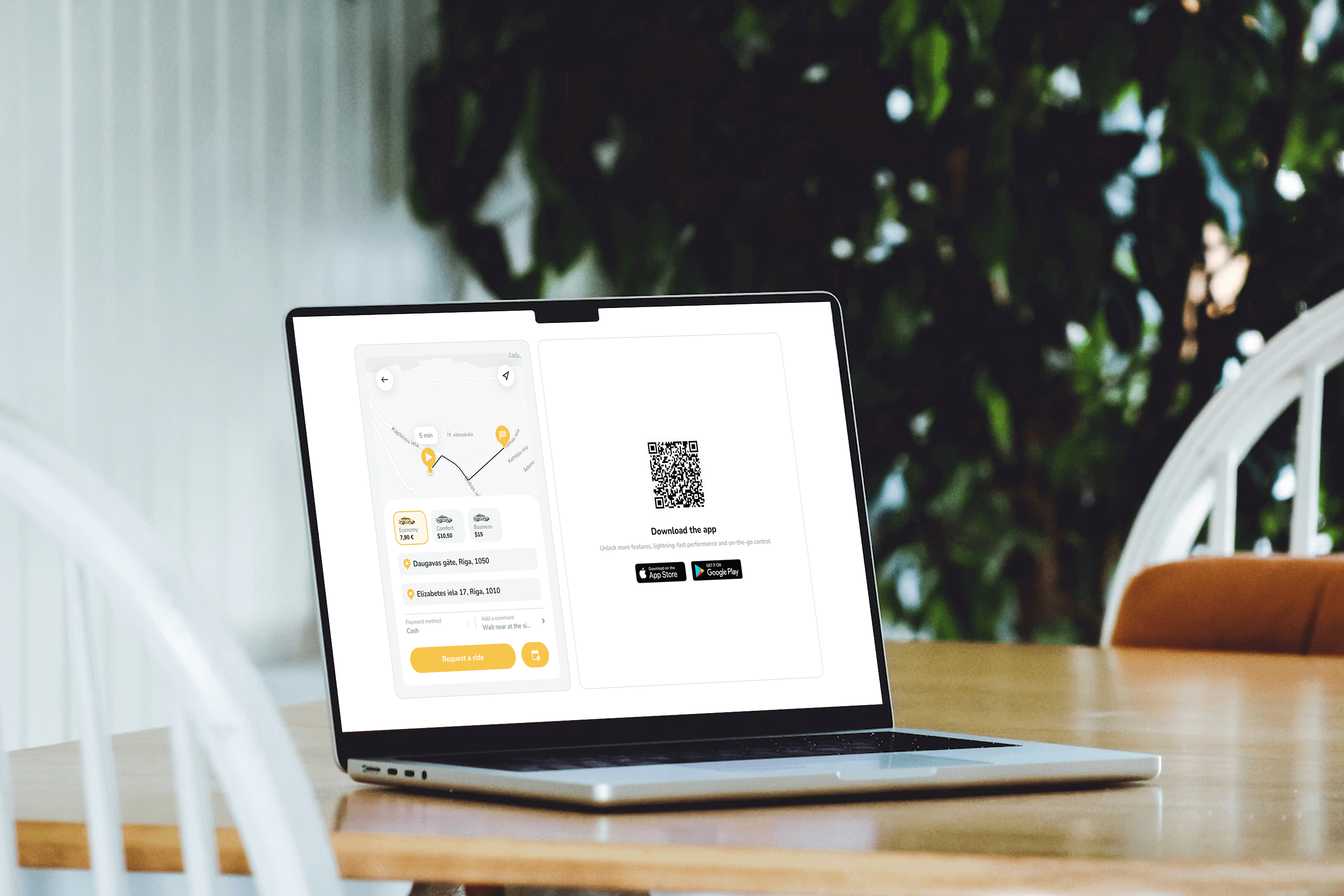
🚕 Web-booker is a lightweight ride-hail widget that lets users book rides directly from a website or mobile browser - no app install required. It reduces booking friction, supports hotel and partner demand, and keeps every ride fully synced with the taxi operator’s app and dashboard.
What if ordering a taxi was as easy as booking a room or clicking “Reserve table” on a website?
Meet Web-booker - a lightweight ride-hail booking widget that lets users request a cab directly from a website, without installing or opening the mobile app.
Perfect for hotels, business centers, event venues, airports, and corporate partners.
👉 Live demo: https://app.atommobility.com/taxi-widget
Web-booker is a browser-based ride-hail widget that operators can embed or link to from any website.
The booking happens on the web, but the ride is fully synchronized with the mobile app and operator dashboard.
No redirects. No app-store friction. No lost users.
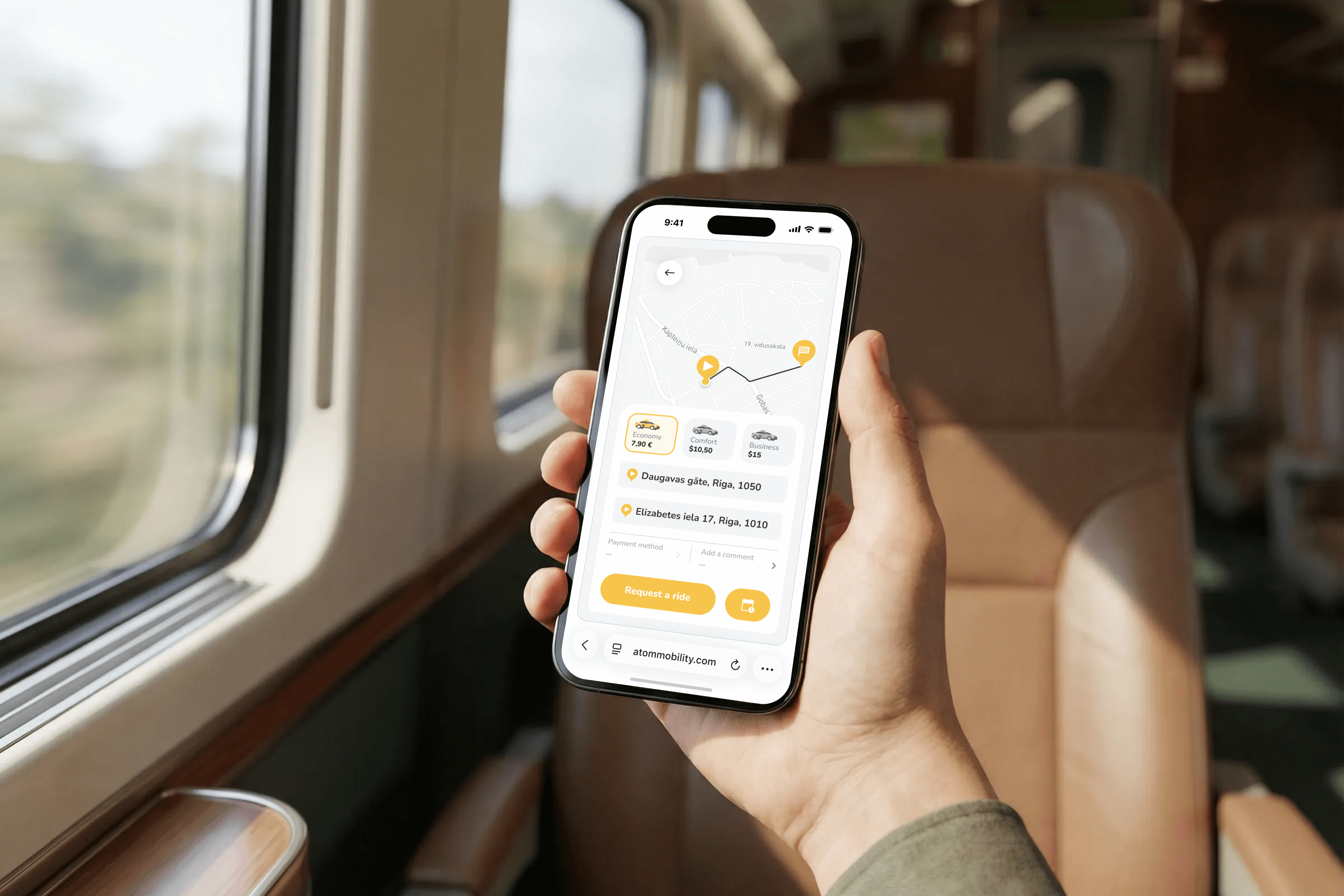
This keeps fraud low while preserving conversion.
Web-booker addresses one of the most common friction points in ride-hailing: users who need a ride now but are not willing to download an app first. By allowing bookings directly from a website, operators can capture high-intent demand at the exact moment it occurs - whether that is on a hotel website, an event page, or a partner landing page.
At the same time, Web-booker makes partnerships with hotels and venues significantly easier. Instead of complex integrations or manual ordering flows, partners can simply place a button or link and immediately enable ride ordering for their guests. Importantly, this approach does not block long-term app growth. The booking flow still promotes the mobile app through QR codes and store links, allowing operators to convert web users into app users over time - without forcing the install upfront.
Web-booker is not designed to replace the mobile app. It extends the acquisition funnel by adding a low-friction entry point, while keeping all bookings fully synchronized with the operator’s app and dashboard.
👉 Try the demo
https://app.atommobility.com/taxi-widget
Want to explore a ride-hail or taxi solution for your business - or migrate to a more flexible platform? Visit: https://www.atommobility.com/products/ride-hailing
Credenziali demo dell'app Driver - Email: test@atom.com, Password: autista

